Why Seasonal Checks Matter More Than You Think
Temperature swings are among the harshest stresses a vehicle endures. Cold contracts rubber seals and thickens engine oil; heat accelerates fluid breakdown and pushes cooling systems to their limits. Vehicles that sail through spring and fall can develop problems almost overnight when temperatures hit extremes in either direction.
This checklist gives you a structured way to inspect the systems most likely to fail in seasonal conditions. It is divided into a pre-winter section (best completed before the first hard frost) and a pre-summer section (best completed as temperatures begin to climb). Many items overlap - checking them twice a year is a sound habit regardless.
For tasks that go beyond visual inspection or fluid top-offs, we recommend consulting a qualified mechanic. The goal here is to catch obvious issues early and know what to hand off. See our guide to checking your car's fluids at home for a deeper walkthrough of the fluid inspection steps referenced below.
Battery load tester or CCA tester
Measures whether the battery can deliver adequate power for cold-weather starting.
Tire pressure gauge
Accurately checks tire inflation against the manufacturer's recommended PSI.
Tread-depth gauge
Measures remaining tire tread to determine if replacement is needed before winter or summer driving.
Coolant test strips or float-ball tester
Checks antifreeze concentration to confirm freeze protection for your climate.
Flashlight or headlamp
Allows safe inspection of engine bay components in low-light conditions.
Terminal cleaning brush
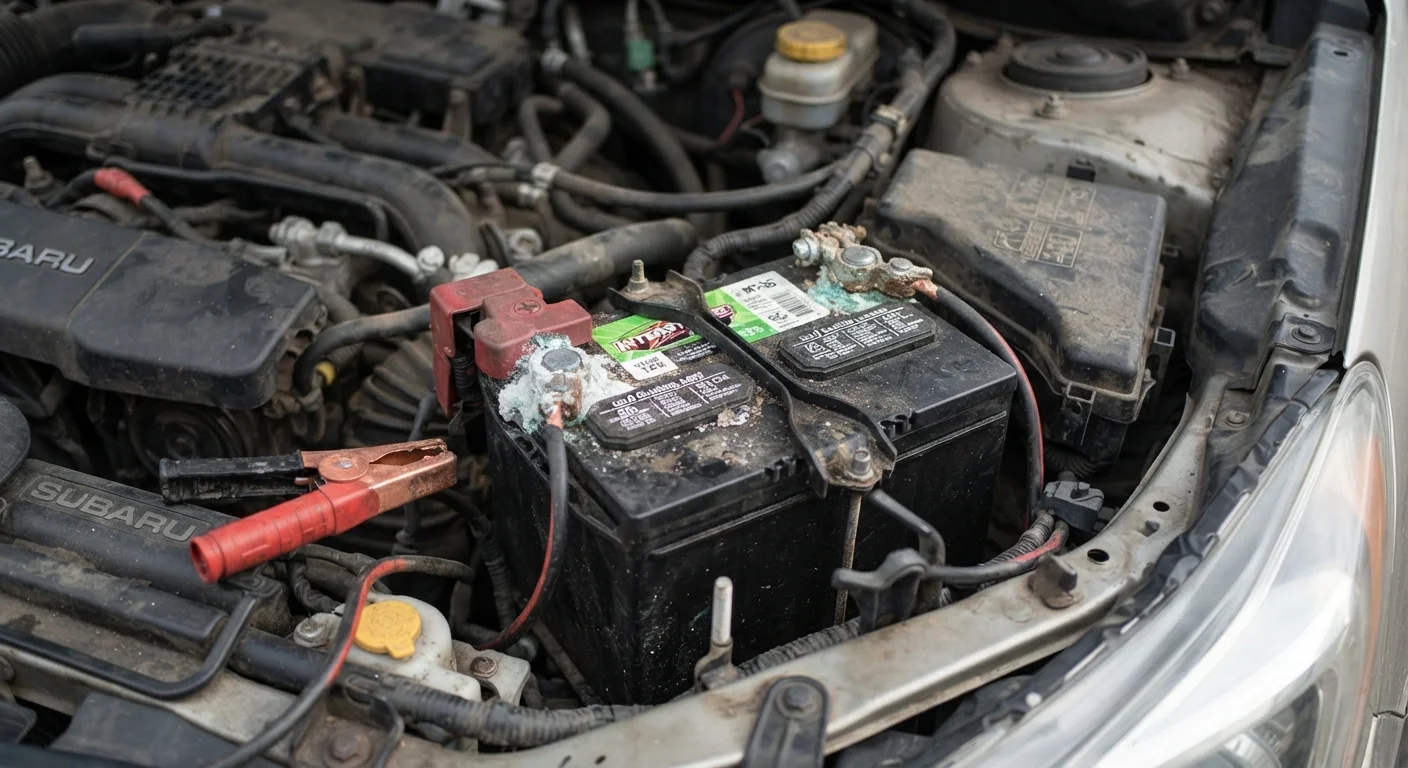
Removes corrosion from battery terminals to restore clean electrical contact.
Owner's manual
Provides vehicle-specific fluid specifications, service intervals, and tire pressure ratings.
The Seasonal Maintenance Checklist
Work through each group systematically. A checkmark now can prevent a breakdown in the coldest or hottest week of the year. Items marked must are non-negotiable; should items are strongly recommended; nice to have adds an extra layer of preparedness.
Pre-Winter: Battery and Electrical
Pre-Winter: Tires and Traction
Pre-Winter: Fluids and Cooling System
Pre-Summer: Cooling System and Engine Heat Management
Pre-Summer: Tires and Brakes
Year-Round Emergency Kit Review
Don't Rely on Dashboard Warnings Alone
Many cooling system, battery, and tire issues develop gradually and may not trigger a warning light until a system is already failing. Seasonal visual checks catch problems that sensors often miss until it is too late. If your vehicle does display a warning light, treat it as urgent rather than waiting to see if it goes away.
If you drive a high-mileage vehicle, seasonal checks become even more important - worn components have less tolerance for temperature stress. The guide to maintaining a high-mileage vehicle covers which systems deserve extra scrutiny as the odometer climbs.
For a broader look at annual ownership costs and maintenance budgeting, the annual car ownership cost review is a useful companion resource.
After the Check: What to Do With What You Find
A visual inspection tells you a lot, but it has limits. If a dashboard warning light illuminates during or after your check, treat it as a priority - not something to monitor through another season. Similarly, if tires show uneven wear, a belt looks cracked, or brake pads appear thin, schedule a shop visit before extreme weather arrives.
Know When to Call a Mechanic
This checklist is designed for visual inspections and straightforward fluid checks that most drivers can complete safely. If you discover a leaking hose, a battery that fails a load test, brake pads worn to the wear indicator, or any component that appears structurally compromised, stop driving and have the vehicle inspected by a qualified mechanic before the next trip. Continuing to drive on a failing safety system is not a calculated risk - it is an avoidable one.
Once your vehicle is prepped, driving technique matters as much as equipment. Our weather and road safety guide covers how to adapt your behavior for rain, ice, and fog - conditions that a well-maintained car still demands skill to navigate safely.
For readers curious about what happens when seasonal maintenance gets skipped entirely, skipping routine maintenance details the cumulative damage that builds up over time - a useful reminder of why this checklist is worth the hour it takes.
This article is for general informational and educational purposes only. Vehicle maintenance requirements vary by make, model, age, and driving conditions. Always consult your owner's manual and a qualified mechanic before performing or deferring any maintenance task.