Why an Annual Cost Review Matters
The sticker price of a vehicle is just the entry point. Once you factor in fuel, insurance, maintenance, registration fees, financing interest, and depreciation, the true annual cost of ownership can be substantially higher than most drivers expect. Without a structured yearly review, those costs tend to grow quietly and unchecked.
An annual review gives you a clear picture of what your vehicle actually cost you over the past twelve months - and whether your current budget reflects reality. It also surfaces changes in your circumstances that may have made your existing insurance coverage outdated or your maintenance spending irregular.
For a broader look at how depreciation fits into the ownership picture, see our article on why new cars lose value so fast. And if you want to integrate this review into your broader financial habits, the monthly budget review checklist is a useful companion tool.
Insurance Coverage Review
Maintenance Spend Audit
Fixed and Recurring Costs
Budget Adjustment and Planning
Tools You'll Need to Get Started
Before working through the checklist, gather the documents and records listed below. Having everything in one place before you start prevents the review from stalling halfway through.
Insurance declarations page
Provides current coverage limits, deductibles, and premium amounts needed for the insurance review section.
Maintenance receipts or service records
Allows you to total actual maintenance spend and verify which services were completed during the year.
Vehicle maintenance log
Tracks service history and upcoming scheduled maintenance so you can project future costs accurately.
Bank or credit card statements
Helps you calculate actual fuel, parking, and toll spending that may not be separately tracked.
Loan or lease agreement
Confirms your remaining payment term, interest rate, and any end-of-lease cost obligations.
Spreadsheet or budgeting app
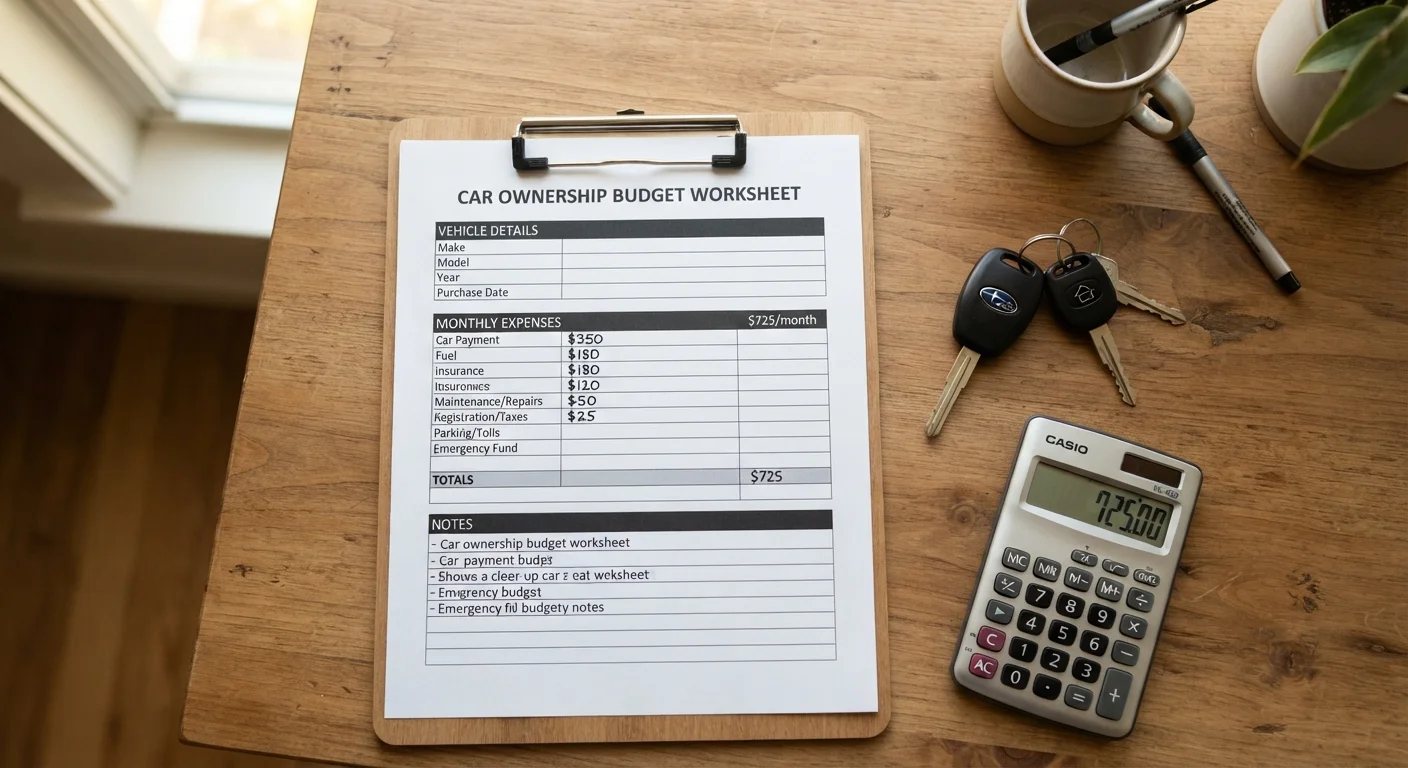
Used to total all cost categories and compare actuals to your planned vehicle budget for the year.
Key Risk Areas to Watch
Don't Skip the Insurance Coverage Check
As your vehicle ages and depreciates, your insurance needs change - but your policy will not update itself. Carrying full comprehensive and collision coverage on a vehicle worth significantly less than your combined deductible and annual premium may not make financial sense. Review your coverage limits and vehicle market value together, and consult a licensed insurance agent before making any changes to ensure you are not left underprotected.
Deferred Maintenance Costs Compound Over Time
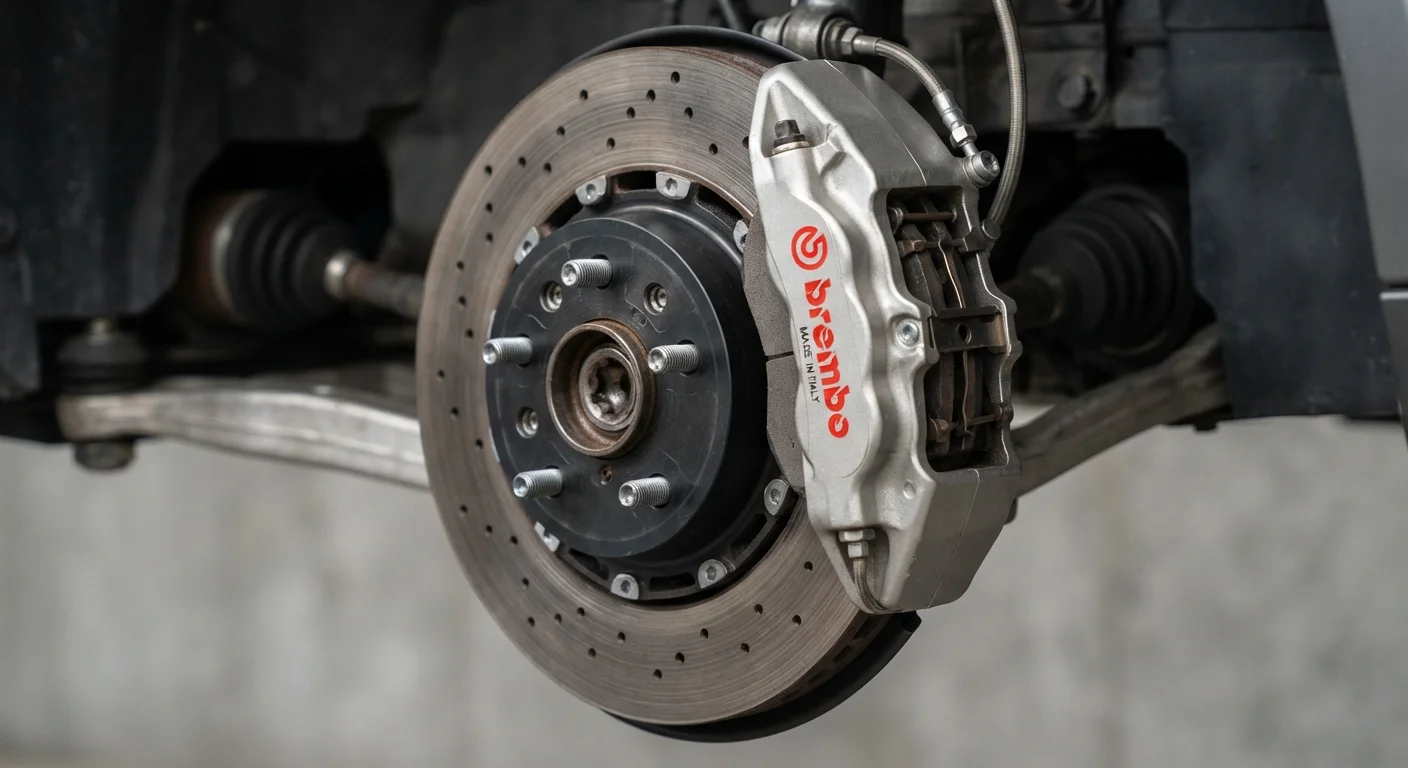
Skipping or postponing scheduled services to reduce short-term spending is one of the most common ways drivers inadvertently increase their total ownership cost. Minor issues - low brake fluid, worn pads, aging belts - can escalate into major repairs when left unaddressed. If your review reveals deferred maintenance, prioritize getting a qualified mechanic's assessment before the next driving season.
Once you've completed the checklist, use your findings to update your vehicle budget line for the coming year. Pay particular attention to maintenance costs - many drivers focus on oil changes while underestimating what tires, brakes, and fluid services add up to over time. Our detailed look at ongoing maintenance costs most drivers underestimate breaks down exactly where that spending tends to accumulate.
If your vehicle is approaching a high-mileage threshold or is several years old, factor in the likelihood of larger repair expenses in the next cycle. Building a dedicated vehicle reserve fund - even a modest monthly contribution - can prevent unplanned repairs from derailing your broader budget. For a full picture of recurring upkeep tasks worth tracking, visit the car maintenance hub.
This article is for general informational and educational purposes only. Insurance coverage, premiums, and eligibility vary by provider, policy, and state. Consult a licensed insurance agent or financial professional before making changes to your coverage or financial plan.