Why Routine Maintenance Pays Off
Most mechanical failures that strand drivers on the roadside are predictable - and preventable. Vehicles are complex systems where small, inexpensive services keep larger, costlier components functioning correctly. Skipping an oil change stresses the engine; ignoring tire wear shifts suspension geometry; a neglected coolant flush invites overheating. The math is straightforward: routine upkeep consistently costs less than the repairs it prevents.
Research from AAA has found that U.S. drivers pay billions annually in repairs that stem directly from deferred maintenance. Beyond cost, there's a safety dimension - worn brakes, bald tires, and cracked belts introduce real risk on the road. This guide walks through every major maintenance category so you know what to watch, when to act, and when a task calls for a qualified mechanic rather than a DIY approach.
$1,200+
Average annual vehicle maintenance cost per driver
AAA's annual Your Driving Costs study estimates maintenance, tires, and repairs together represent a significant recurring expense for U.S. vehicle owners.
35%
Drivers who check tire pressure monthly
The U.S. Tire Manufacturers Association has found that a significant majority of drivers do not check tire pressure as frequently as recommended.
4-5 years
Typical car battery lifespan
Battery Council International notes that average battery life in the U.S. ranges from three to five years, with hot climates shortening that window.
If your vehicle has significant mileage, the guide to maintaining a high-mileage vehicle without overspending covers the additional attention those miles demand.
Oil and Engine Fluids
Engine oil is your motor's lifeblood, lubricating moving parts, reducing heat, and carrying contaminants to the filter. Modern full-synthetic oils generally allow intervals of 7,500 to 10,000 miles, while conventional oils typically call for changes every 5,000 miles - but always defer to your owner's manual, which accounts for your specific engine design and driving conditions.
Beyond oil, several other fluids require periodic attention:
- Coolant (antifreeze): Prevents overheating in summer and freezing in winter. Most manufacturers recommend flushing every 30,000-50,000 miles.
- Transmission fluid: Automatic transmissions typically need fresh fluid every 30,000-60,000 miles; check your manual for specifics.
- Brake fluid: Absorbs moisture over time, lowering its boiling point. Many manufacturers recommend replacement every two years regardless of mileage.
- Power steering and windshield washer fluid: Check monthly and top off as needed.
When checking multiple fluids at once, always do so with the engine cold and on level ground - heat and incline affect dipstick readings and can mask low levels.
Accurate fluid checks prevent both overfilling (which can cause its own damage) and under-filling, which is the actual hazard you're trying to avoid.
Note the date and mileage on a piece of tape stuck to the inside of your hood each time you change your oil - it takes ten seconds and eliminates any guesswork about when the next service is due.
Tracking service history directly on the vehicle is a mechanic's practice that prevents intervals from slipping, particularly when different family members share a car.
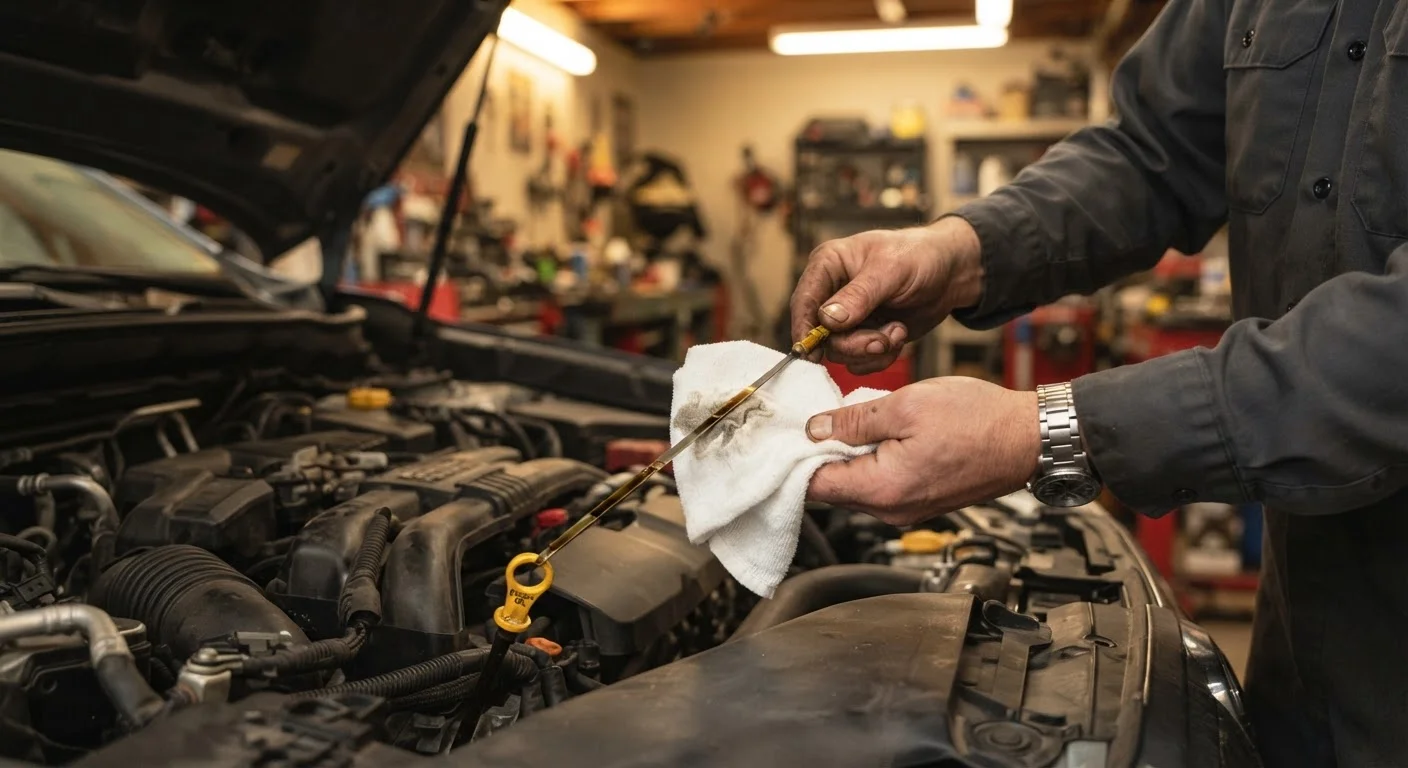
Checking your oil level is a two-minute task: engine off and cool, pull the dipstick, wipe it clean, reinsert fully, then withdraw and read the level against the MIN/MAX marks. Low oil or oil that looks gritty and black signals it's time for a change.
Tires: Pressure, Rotation, and Tread
Tires are your vehicle's only contact with the road, making their condition directly tied to handling, braking distance, and fuel efficiency. Underinflated tires increase rolling resistance and wear unevenly; overinflated tires reduce the contact patch and can affect ride quality. The correct pressure for your vehicle is printed on a sticker inside the driver's door jamb - not on the tire sidewall, which lists the tire's maximum pressure.
Check pressure monthly and before long trips. A quality dial or digital gauge costs only a few dollars and is accurate enough for this purpose.
Rotation moves tires between positions (front to rear, and sometimes side to side) so they wear evenly. Most manufacturers recommend rotation every 5,000-7,500 miles, often aligned with oil change intervals for convenience.
Tread depth is equally critical. The minimum legal limit is 2/32 of an inch, but many safety experts recommend replacing tires at 4/32 for adequate wet-weather grip. The penny test - inserting a penny into a tread groove with Lincoln's head pointing down - shows you're at or near the 2/32 minimum if you can see the top of his head.
Don't Ignore Tire Sidewall Damage
Bulges, cracks, or cuts on a tire sidewall are not cosmetic issues - they indicate structural compromise that can lead to a blowout at highway speeds. Unlike tread wear, sidewall damage cannot be repaired. A tire in this condition should be replaced promptly; do not continue driving on it if the damage is severe.
Understanding the costs most drivers underestimate - including tire replacement cycles - helps you budget realistically rather than facing sudden large expenses.
Filters, Belts, and Hoses
Engine air filter: A clogged air filter restricts airflow to the engine, reducing combustion efficiency. Replacement is typically recommended every 15,000-30,000 miles, though dusty environments shorten that interval. This is generally a straightforward DIY task - the filter box is usually visible under the hood and secured by clips.
Cabin air filter: Separate from the engine filter, this screens the air entering the passenger compartment. A dirty cabin filter reduces HVAC performance and air quality. Most manufacturers recommend replacement every 15,000-25,000 miles.
Timing belt vs. timing chain: This is one of the most consequential components in your engine. The timing belt synchronizes the crankshaft and camshaft(s); if it snaps, the engine can suffer catastrophic internal damage. Many manufacturers specify replacement between 60,000 and 105,000 miles - check your owner's manual and treat this deadline seriously. Timing chains are more durable and often last the engine's life, but they still require clean, properly-leveled oil to stay in good condition.
Timing Belt Replacement Is Not Optional
On interference engines - where the pistons and valves occupy the same space at different times - a snapped timing belt causes the two to collide, typically resulting in bent valves, damaged pistons, and an engine that may be beyond economical repair. Check your owner's manual to determine whether your engine is an interference design and what the replacement interval is. If you've purchased a used vehicle and the belt history is unknown, have a qualified mechanic assess it before the interval passes.
Hoses - coolant, vacuum, and power steering - should be inspected for cracks, softness, or bulging at each service. A burst hose can cause rapid overheating or fluid loss; replacement before failure is far cheaper than the roadside consequences.
Brakes and Battery
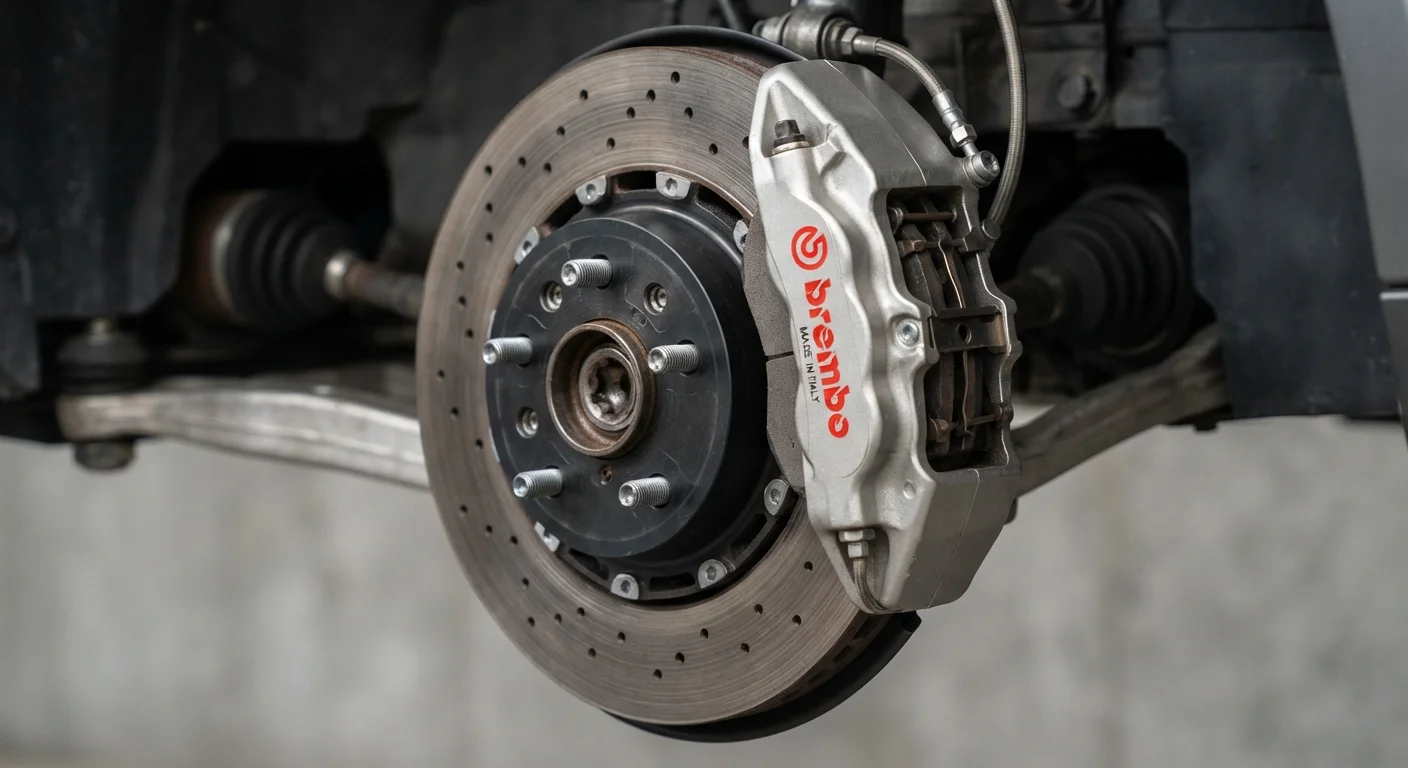
Brake pads wear down gradually and most have a built-in wear indicator - a metal tab that contacts the rotor and produces a high-pitched squeal when pads approach their minimum thickness. Don't ignore that sound. Worn pads that reach the rotor itself cause metal-on-metal contact, damaging the rotors and significantly increasing stopping distances. Most pads last 30,000-70,000 miles depending on driving style and vehicle weight.
Brake rotors can be visually inspected for deep grooves or a pronounced lip around the outer edge. If either is present, have a qualified mechanic assess whether resurfacing or replacement is needed - this is not a task to defer.
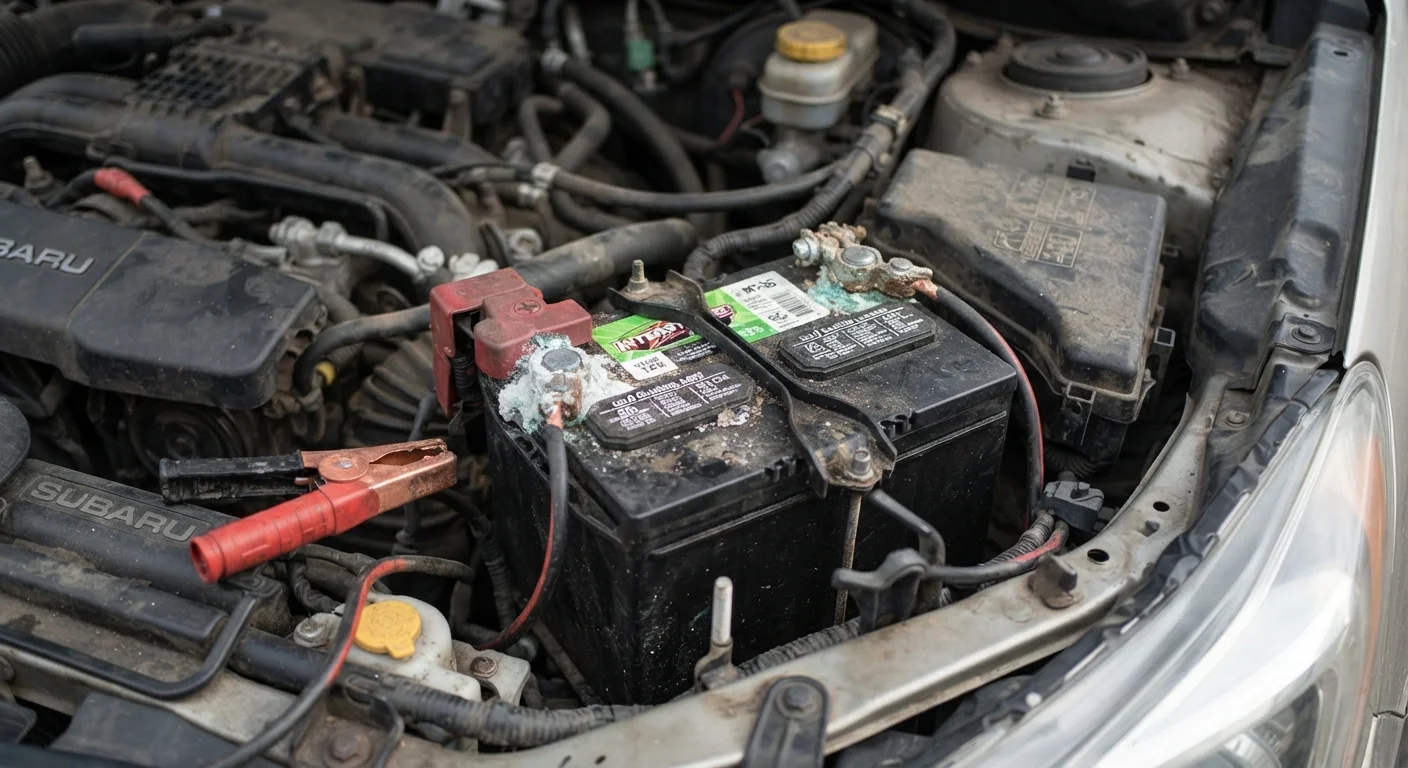
Battery life averages three to five years in most climates, though heat accelerates degradation. Signs of a weakening battery include slow engine cranking, dashboard warning lights, or electronics behaving erratically. Many auto parts retailers will test your battery for free. If yours is three or more years old and showing symptoms, proactive replacement is far more convenient than an unexpected no-start.
Battery Maintenance Made Simple
Keep battery terminals clean and free of corrosion - a white or bluish powdery buildup on the terminals increases resistance and can cause starting problems. A mixture of baking soda and water applied with an old toothbrush, followed by rinsing with water, removes surface corrosion safely. Always disconnect the negative terminal first and reconnect it last.
Building Your Maintenance Schedule
The most reliable maintenance schedule is the one in your owner's manual - it's engineered for your specific vehicle and accounts for your engine, transmission, and climate recommendations. Use it as your baseline, then adjust for your driving patterns. Short trips, stop-and-go traffic, towing, and extreme temperatures all qualify as "severe" driving conditions that typically call for more frequent service intervals.
A practical tracking system doesn't need to be elaborate: a simple logbook in the glove compartment, a notes app on your phone, or a spreadsheet recording the date, mileage, and service performed at each visit. This record also adds value when selling the vehicle - documented maintenance history reassures buyers and can support a higher asking price.
| Service | Typical Interval |
|---|---|
| Oil change (synthetic) | 7,500-10,000 miles |
| Tire rotation | 5,000-7,500 miles |
| Engine air filter | 15,000-30,000 miles |
| Coolant flush | 30,000-50,000 miles |
| Timing belt | 60,000-105,000 miles |
| Brake fluid | Every 2 years |
Staying ahead of these intervals is the single most effective thing an everyday driver can do to protect their investment and avoid the surprise costs detailed in the guide to ongoing maintenance costs most drivers underestimate.
Your Vehicle Owner's Manual
The definitive, model-specific reference for every service interval, fluid specification, and maintenance requirement for your vehicle. If the physical copy is missing, most manufacturers provide digital versions on their official websites.
NHTSA Vehicle Safety Recalls Database
The National Highway Traffic Safety Administration's free lookup tool lets you check whether your vehicle has any open safety recalls by VIN - relevant to maintenance because some recalls address fluid, brake, or component issues at no cost to you.
Tire Pressure Reference (Door Jamb Sticker)
The sticker inside your driver's door jamb lists the manufacturer-recommended tire pressure for your specific vehicle - always use this figure, not the maximum pressure printed on the tire sidewall itself.