Why Fluid Checks Matter - and How Often to Do Them
Your vehicle relies on a network of fluids to lubricate moving parts, transfer heat, transmit force, and maintain visibility. When any one of them runs low or degrades, the cost of ignoring it can grow quickly - from a seized engine to failed brakes. The encouraging news: a basic fluid inspection takes under 20 minutes and requires no mechanical experience.
How often you should check depends on the fluid and your driving habits. Engine oil deserves a look every month or every 1,000 miles, whichever comes first. Coolant, brake fluid, and power steering fluid are worth a glance every three months. Transmission fluid can typically go longer between checks, but refer to your owner's manual for the interval your vehicle's manufacturer recommends. For a broader seasonal perspective, see our seasonal maintenance checklist.
What you will need
Owner's Manual
Identifies exact fluid specifications, reservoir locations, and fill capacities for your specific vehicle.
Clean lint-free rags or paper towels
Wipe dipsticks clean before reading and clean up any drips during topping off.
Funnel
Directs fluid precisely into small reservoir openings without spilling onto other components.
Flashlight
Illuminates dark engine bay areas to locate reservoirs and read fluid levels clearly.
Nitrile gloves
Protects hands from engine oil, coolant, and brake fluid, all of which can irritate skin.
Step-by-Step: Inspecting and Topping Off Each Fluid
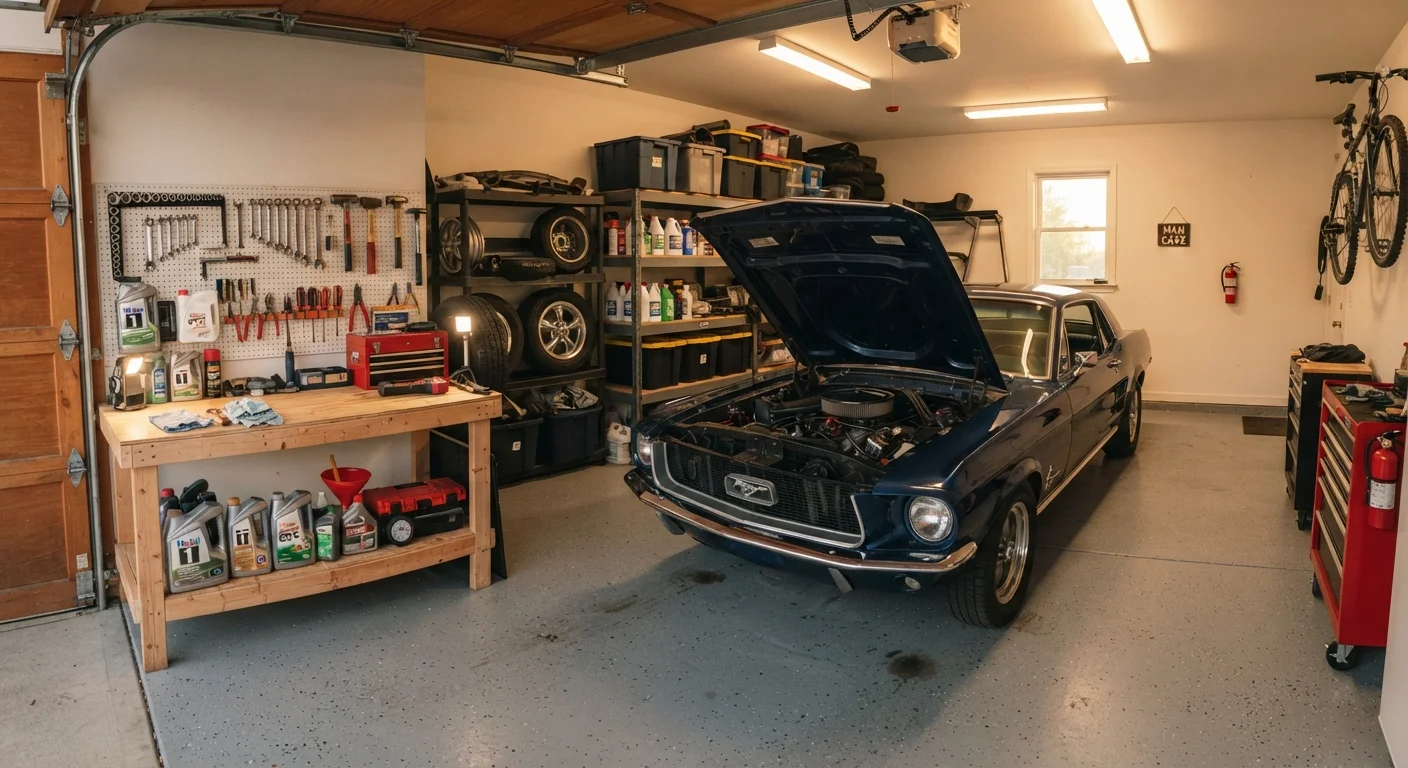
Work through each fluid system methodically. Having everything laid out before you open the hood - rags, funnel, correct fluids - makes the process faster and reduces the chance of a spill on hot components.
Check the engine oil
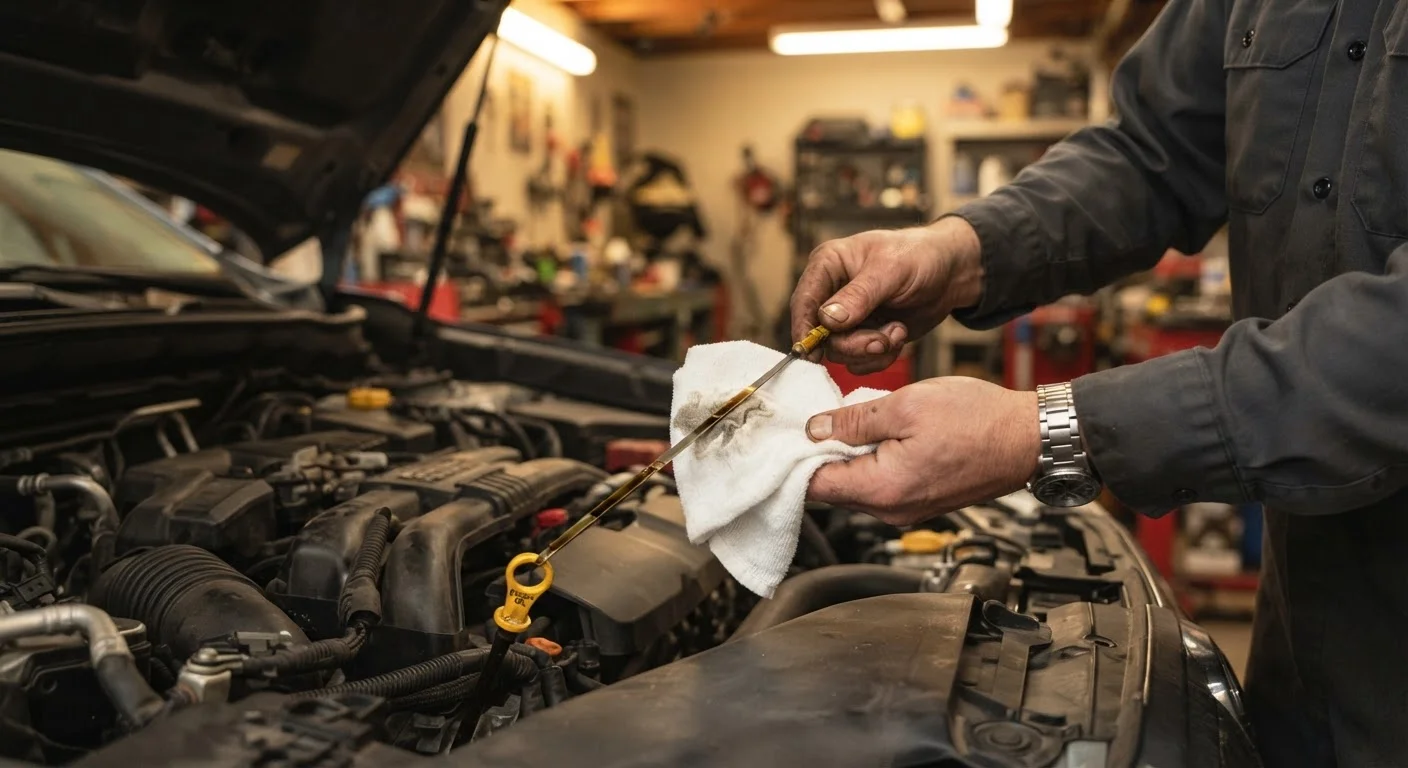
Locate the oil dipstick - typically a brightly colored loop or handle near the center of the engine. Pull it out, wipe it clean with a rag, reinsert it fully, then pull it out again. The oil level should fall between the two marks (often labeled MIN and MAX or L and H). The oil should appear amber to light brown; black, gritty, or milky-colored oil is a sign of degradation or a potential internal issue. If the level is low, add the grade specified in your owner's manual in small increments, checking after each addition to avoid overfilling.
Inspect the coolant (antifreeze) level
The coolant reservoir is a translucent plastic tank, usually located near the radiator. Do not open the radiator cap on a hot engine - doing so releases pressurized steam that can cause serious burns. Check the level against the MIN and MAX lines printed on the side of the reservoir. Coolant should appear bright green, orange, pink, or blue depending on type; a rusty or oily appearance indicates contamination. If low, add a 50/50 pre-mixed coolant (or dilute concentrate as instructed) that matches the type already in the system.
Check the brake fluid
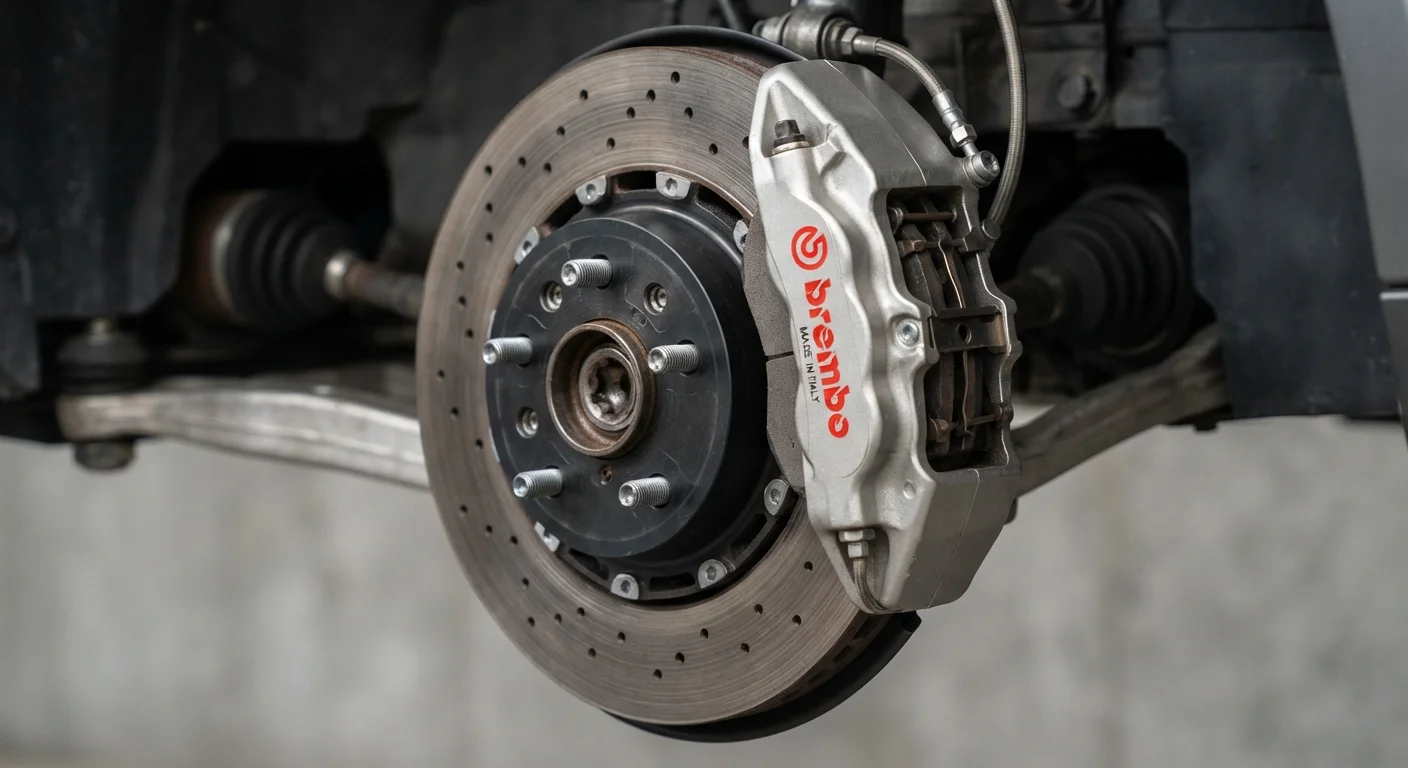
The brake fluid reservoir is a small, capped container on top of the brake master cylinder, typically located near the firewall on the driver's side. Most reservoirs are translucent, so you can read the level without opening the cap. The fluid should sit between the MIN and MAX lines. Brake fluid is typically clear to light yellow; dark brown fluid suggests it has absorbed moisture and may need to be flushed by a mechanic. If you need to add fluid, use only the DOT rating specified on the reservoir cap or in your owner's manual - mixing incompatible types degrades braking performance. See our brake system overview for a deeper understanding of how your brakes work.
Check power steering fluid (if applicable)
Many newer vehicles use electric power steering and have no fluid reservoir. If your vehicle has hydraulic power steering, find the reservoir - usually labeled with a steering wheel icon - and check the level against the markings on the dipstick attached to the cap, or the MIN/MAX lines on the reservoir body. The fluid should be clear to light amber. Dark, burnt-smelling fluid warrants a mechanic's inspection.
Inspect the transmission fluid
Many automatic transmissions have a dipstick (similar to the oil dipstick) that you check with the engine warm and running in Park. Some newer vehicles have sealed transmissions with no dipstick - consult your owner's manual. Transmission fluid should be red to pink; dark brown or black fluid with a burnt smell signals the fluid needs to be serviced. Because transmission systems are complex, topping off should be done carefully with the exact fluid specified, and any persistent low level should be diagnosed by a professional.
Top off windshield washer fluid
The washer fluid reservoir is typically a large blue-capped tank. Unlike other fluids, it poses no mechanical risk if slightly overfilled. Use a washer fluid formulated for the season - winter blends resist freezing while summer blends help remove road grime and insects. Do not substitute plain water, which can freeze, promote bacterial growth, and leave mineral deposits in the spray nozzles.
Recurring Low Levels Need a Mechanic's Eye
Topping off a fluid once is routine maintenance. Needing to top off the same fluid every few weeks suggests a leak or internal fault. Brake fluid loss in particular can indicate a compromised hydraulic line - a serious safety concern. Do not continue driving on a system that appears to be losing fluid without having it professionally inspected.
If you find yourself topping off the same fluid repeatedly, that's a red flag. Vehicles don't consume most fluids the way they burn fuel - a persistent low level almost always points to a leak or internal failure. Our guide to when to DIY vs. go to a shop can help you decide when a mechanic's inspection is the smarter call.
Owners of older vehicles should pay particular attention to fluid condition, not just level. High-mileage vehicles are more prone to leaks and fluid degradation, making regular checks even more valuable.