Why High-Mileage Vehicles Need a Different Approach
Once a vehicle crosses the 100,000-mile threshold, the maintenance calculus shifts. Components that lasted a decade may now need more frequent attention, and small leaks or worn seals that were minor annoyances at lower mileage can snowball into engine damage if left unchecked. The goal isn't to spend more - it's to spend smarter by focusing resources where they have the greatest impact.
Understanding which systems are most stressed by accumulated mileage helps you prioritize. Rubber components degrade with age and heat cycles, fluids break down and accumulate contaminants, and clearances between engine parts widen as surfaces wear. None of this means a high-mileage vehicle is unreliable - it means predictable, targeted upkeep matters more than ever. See our what neglect actually costs your engine for a clear picture of what happens when this attention lapses.
The Maintenance Practices That Matter Most
The following practices are grounded in how high-mileage engines and drivetrains actually behave. Prioritize these before less critical cosmetic or convenience items.
Switch to a high-mileage motor oil formulation at or after 75,000 miles
High-mileage oil blends typically contain seal conditioners and additional detergents designed to address the slight leaks and increased wear common in older engines. Using a conventional or standard synthetic without these additives may leave aging seals underprotected. The difference in cost per oil change is modest relative to the benefit.
Inspect and replace coolant on the manufacturer's extended interval, not indefinitely
Coolant (antifreeze) degrades over time, losing its ability to prevent corrosion inside the radiator, water pump, and heater core. Neglected coolant becomes acidic and can pit metal components. Most vehicles use either a 5-year/150,000-mile extended-life coolant or an older-formula coolant requiring more frequent replacement - check your owner's manual.
Check and top off transmission fluid regularly, and service it on schedule
Transmission fluid lubricates and cools one of the most expensive components on the vehicle. High-mileage transmissions often run hotter and may develop minor internal wear that fresh fluid helps manage. Neglecting it dramatically shortens transmission life, and a transmission replacement can cost several thousand dollars.
Inspect belts and hoses visually at every oil change
Rubber components - serpentine belts, radiator hoses, and heater hoses - become brittle, crack, and swell with age. A failed serpentine belt leaves you stranded; a burst radiator hose can cause rapid overheating and engine damage within minutes. Catching these during a visual check costs nothing and takes under five minutes.
Monitor tire pressure monthly and rotate tires on schedule
Proper tire pressure directly affects fuel economy, handling, and tire longevity - all of which matter more when you're stretching a vehicle's useful life. Uneven wear from skipped rotations forces early tire replacement. The true impact of tire pressure is often underestimated by everyday drivers.
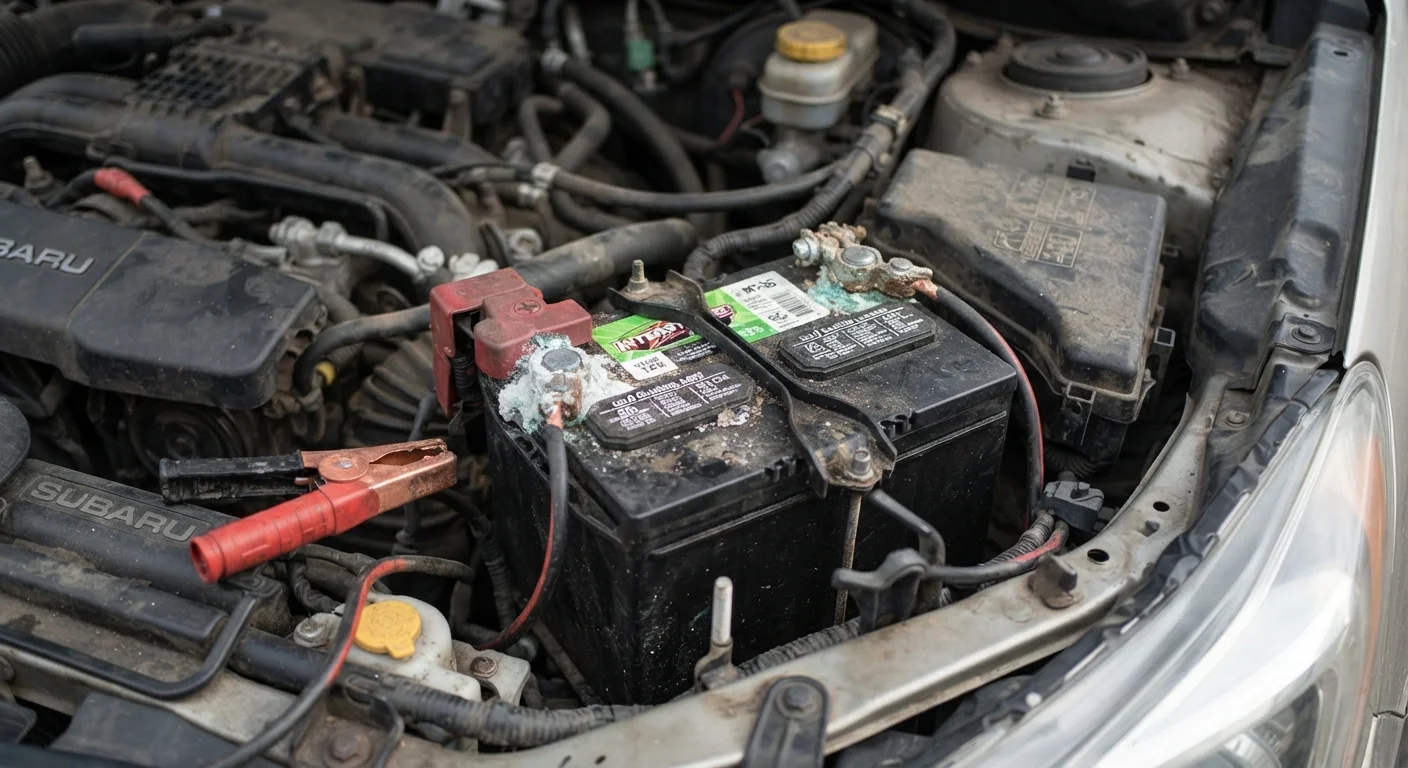
Test your battery annually after it reaches three years of age
Battery capacity degrades with each charge cycle and extreme temperature exposure. A battery that starts the car reliably in mild weather may fail suddenly in winter cold or summer heat. Annual load testing at most auto parts stores is free and takes only minutes. See our car battery care guide for more detail.
For a broader view of component lifespans, the real lifespan of car parts article offers a useful reference by system and mileage range.
Quick Wins You Can Do This Week
Not every maintenance item requires a shop visit or a full Saturday. These actions take under an hour and can head off larger problems.
Staying on top of the small stuff also makes it easier to keep a maintenance log that actually pays off - a habit that saves money and helps mechanics diagnose issues faster.
Budgeting for High-Mileage Upkeep
Older vehicles often cost less to insure and carry no monthly payment, but maintenance costs do trend upward with mileage. Building a simple vehicle maintenance fund - even a modest monthly amount set aside - smooths out the inevitable repair cycles. Most drivers significantly underestimate recurring costs; the maintenance costs most drivers underestimate breakdown shows which categories catch owners off guard most often.
When to Involve a Mechanic
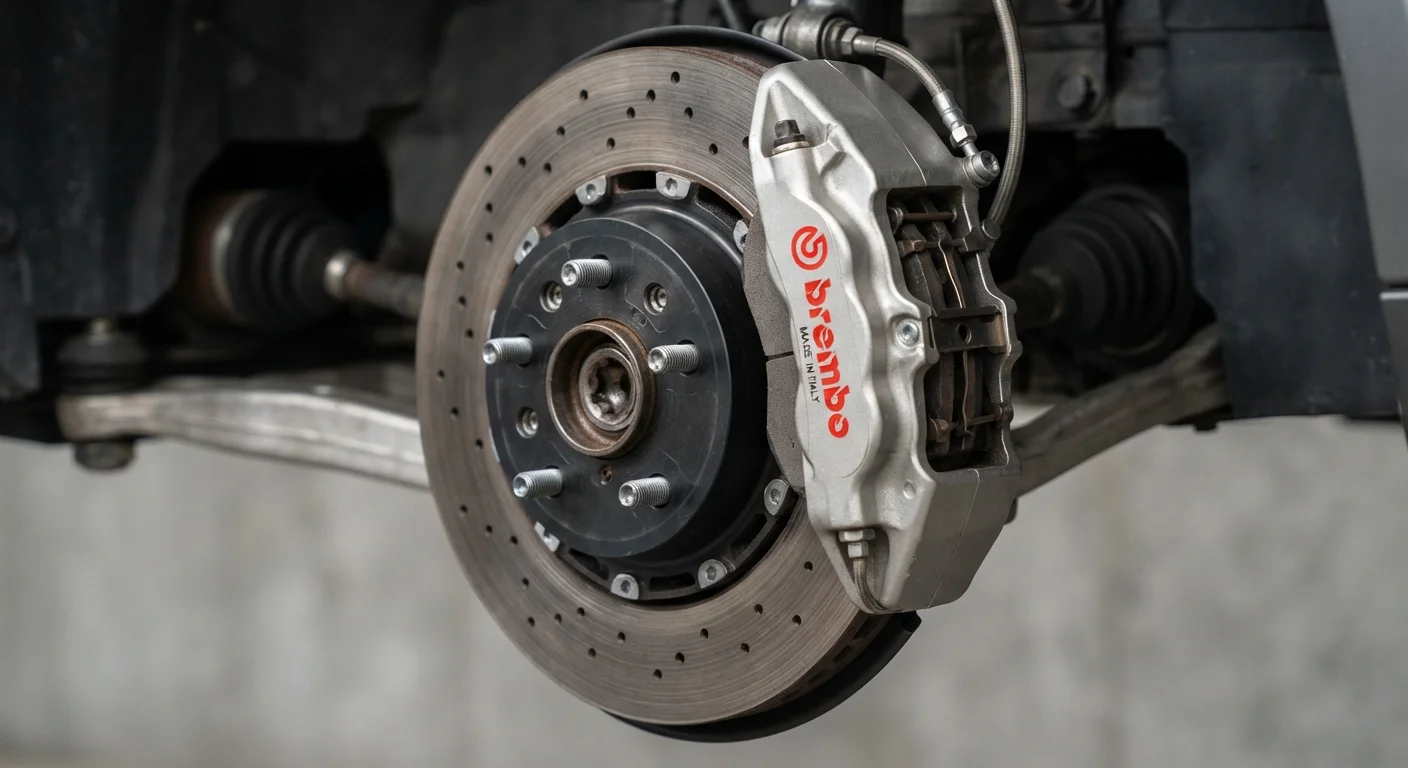
While many high-mileage maintenance tasks are accessible to confident DIYers, some jobs - including timing chain or belt replacement, suspension component overhaul, and anything involving brake hydraulics - require specialized tools and knowledge. Having a trusted mechanic perform a comprehensive inspection every 12 months or 15,000 miles is a cost-effective way to catch developing problems early. Always verify any diagnosis or repair estimate with a licensed professional.
For a complete system-by-system reference covering fluids, filters, belts, and more, see Car Maintenance From the Ground Up. This article is for general informational purposes and is not a substitute for guidance from a qualified mechanic familiar with your specific vehicle.
This article provides general vehicle maintenance information for educational purposes only. Always consult a qualified mechanic before undertaking repairs or maintenance beyond your skill level. Individual vehicle condition, make, and model may vary significantly from general guidance provided here.