Why Part Lifespans Matter More Than You Think
Most drivers think about car maintenance reactively - something breaks, then it gets fixed. The smarter approach is knowing roughly when key components are expected to wear out so you can plan, budget, and catch problems before they strand you or escalate into expensive repairs. Lifespans vary by vehicle make, driving conditions, and maintenance history, but industry-standard intervals give you a practical starting point. Ignoring these timelines is one of the most common ways drivers accumulate costs they never saw coming - something explored in depth in our piece on ongoing maintenance costs most drivers underestimate.
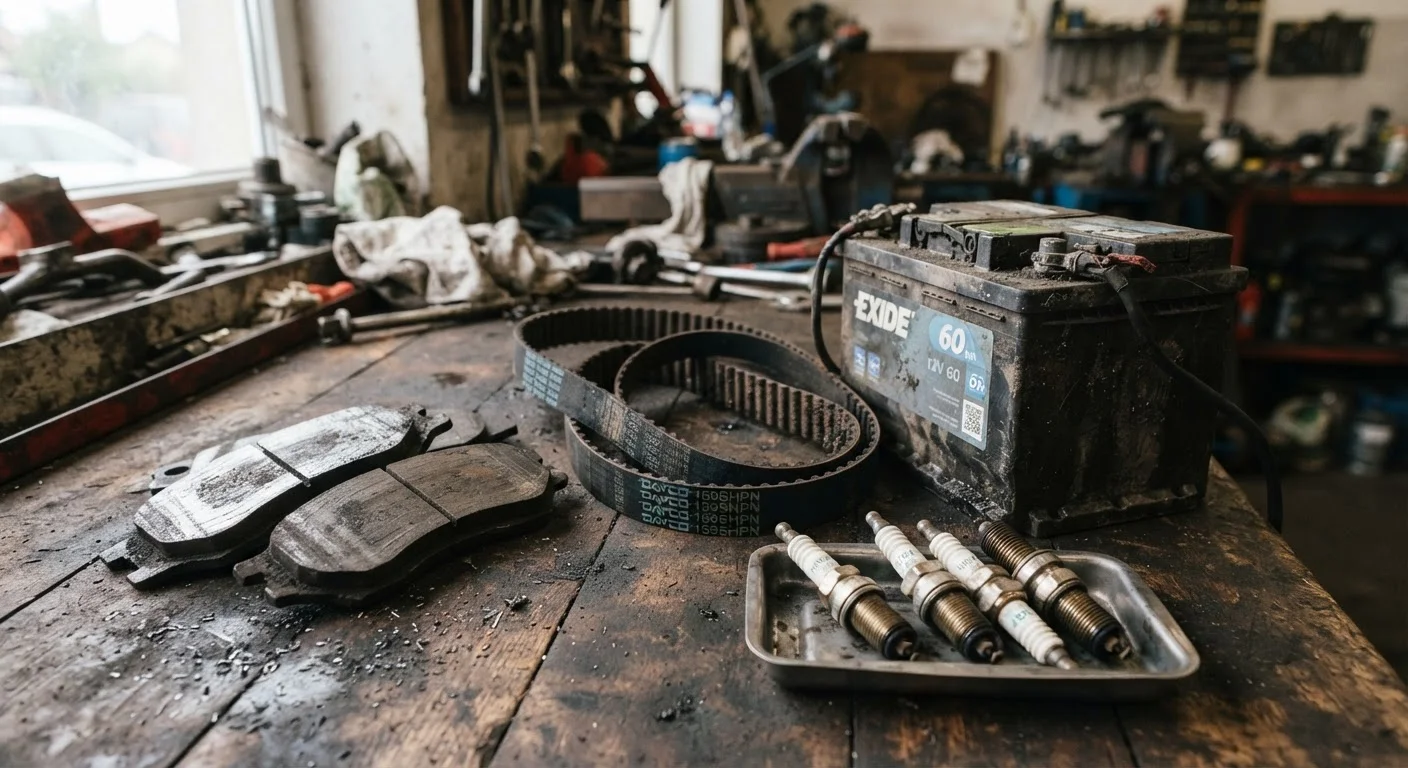
| Brake Pads (typical range) | 30,000-70,000 miles (Varies by pad material and driving style) |
| Car Battery Lifespan | 3-5 years (Shortened by extreme temperatures) |
| Timing Belt Replacement | 60,000-100,000 miles (Refer to manufacturer specification) |
| Tire Age Limit (recommended) | 6-10 years (Regardless of apparent tread condition) |
| Spark Plugs (iridium/platinum) | 60,000-100,000 miles (Standard copper plugs: ~30,000 miles) |
| Engine Air Filter | 15,000-30,000 miles (More frequent in high-dust environments) |
The Major Components and Their Typical Lifespans
Understanding what wears out - and roughly when - is the foundation of proactive ownership.
Brakes
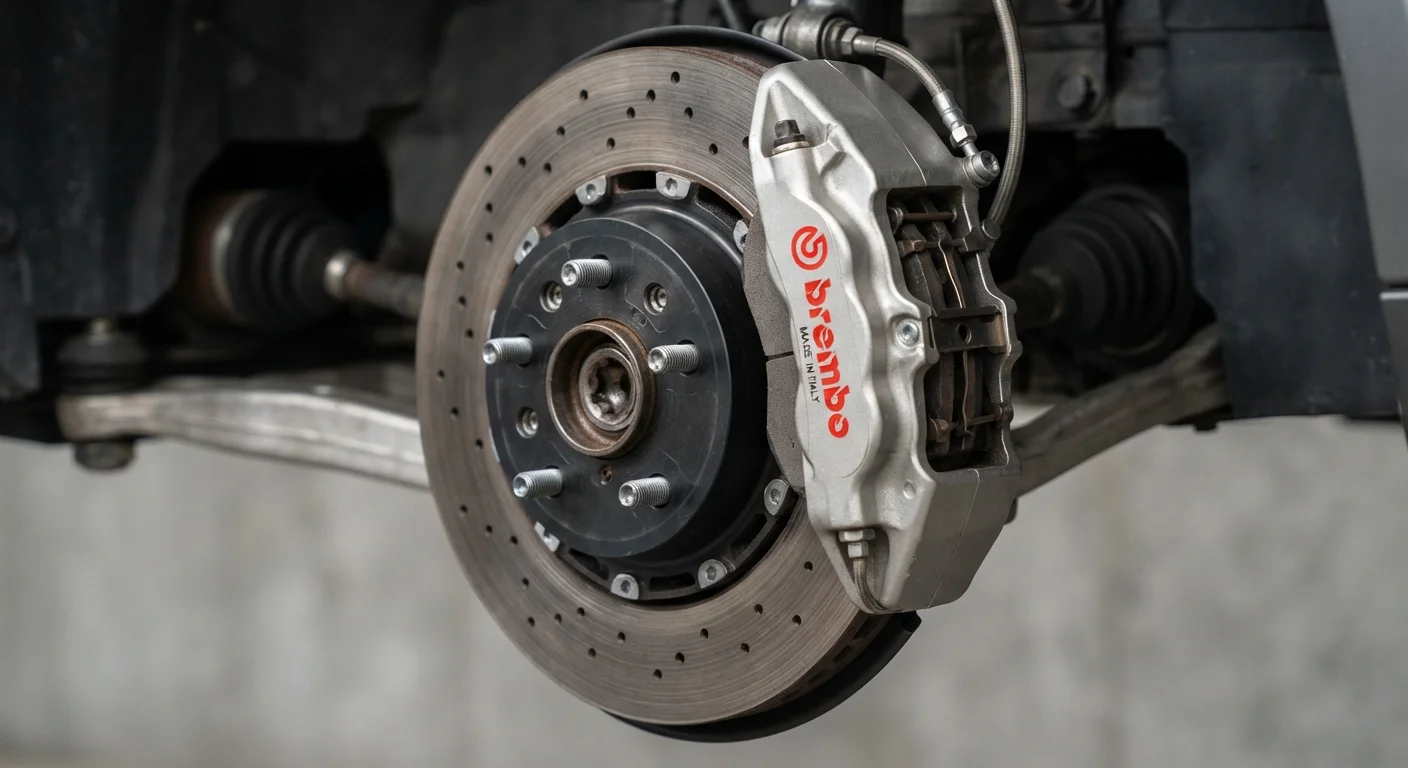
Brake pads: Typically last 30,000-70,000 miles depending on driving style and pad material. City driving with frequent stops wears pads faster than highway use. Rotors generally last 50,000-70,000 miles but can warp earlier under heavy braking. Squealing, grinding, or a longer stopping distance are the most common warning signs. For a full breakdown, see our guide to brake maintenance for everyday drivers.
Timing Belt or Chain
Timing belts are among the most critical - and most overlooked - components. Most manufacturers recommend replacement between 60,000 and 100,000 miles. A snapped belt can cause severe engine damage in interference-type engines. Timing chains are more durable and often last the life of the engine with proper oil maintenance, but they can stretch and rattle if oil changes are neglected.
Battery
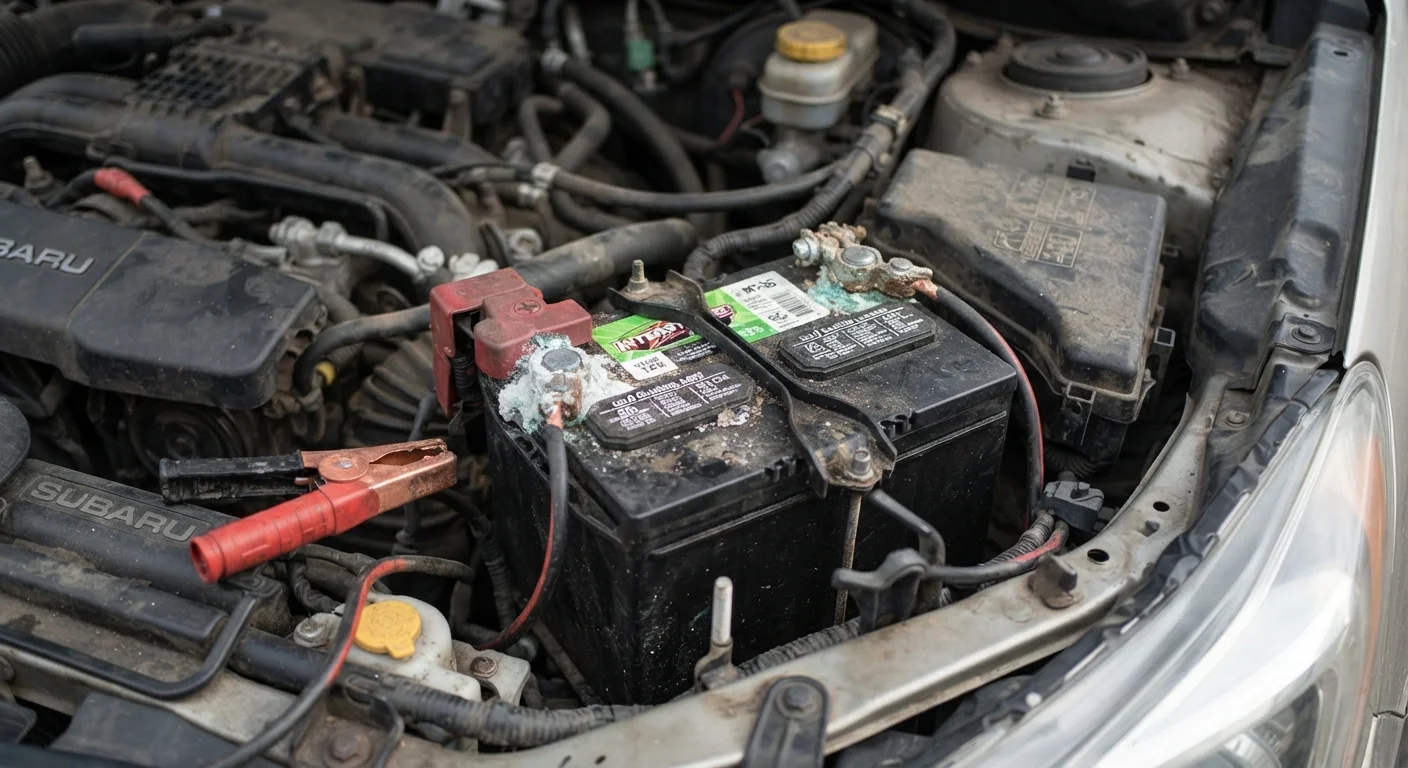
Car batteries typically last 3-5 years, though extreme heat or cold can shorten that range noticeably. Slow cranking, dimming headlights, or a dashboard battery warning light are signs the battery is fading. Learn what accelerates battery decline in our article on car battery care and what most drivers overlook.
Tires
Tread depth determines safety and legal compliance. Most tires should be replaced when tread wears to 2/32 of an inch - a depth you can check with a penny. In terms of years, tire manufacturers and safety organizations generally recommend replacement after 6 years regardless of apparent wear, and no tire should remain in service beyond 10 years due to rubber degradation. Rotation every 5,000-7,500 miles extends tread life significantly.
Spark Plugs
Standard copper plugs wear out around 30,000 miles. Iridium or platinum plugs can last 60,000-100,000 miles. Misfires, rough idling, and reduced fuel economy are classic symptoms of degraded spark plugs.
Air and Cabin Filters
Engine air filters typically need replacement every 15,000-30,000 miles, though dusty environments shorten this interval. Cabin air filters, which clean the air passengers breathe, follow a similar schedule but are frequently skipped during routine service visits.
Interference Engine
An engine design where the pistons and valves occupy the same space at different times. If the timing belt snaps, the pistons can strike open valves, causing severe and costly engine damage.
Tread Depth
The measurement of the grooves on a tire's surface. Adequate tread is essential for channeling water away and maintaining grip - legally and safely, tires should be replaced at or before 2/32 of an inch.
Timing Chain
A metal chain that synchronizes the crankshaft and camshaft rotation. More durable than a rubber timing belt, it typically lasts the engine's lifetime when oil is changed regularly.
Cabin Air Filter
A filter that cleans air entering the passenger compartment through the HVAC system. A clogged cabin filter reduces airflow and can affect air quality inside the vehicle.
Driving Habits That Accelerate Wear
Manufacturer-listed intervals assume average driving conditions. Several habits push components toward the shorter end of their lifespan - or beyond it:
- Short trips under 5 miles: Engines don't fully warm up, which accelerates oil breakdown and battery discharge cycles.
- Frequent hard braking: Overheats rotors and compresses pad material faster than gradual stops.
- Neglecting oil changes: Dirty oil fails to lubricate timing chains and valvetrain components, causing premature wear. Our article on what happens when you skip routine maintenance covers this in detail.
- Extreme temperatures: Both heat and cold stress batteries, belts, and rubber seals more aggressively than moderate climates.
- High mileage without adjustment: Vehicles past 100,000 miles often need more frequent fluid checks and inspections across the board - see our guidance on maintaining a high-mileage vehicle without overspending.
1 in 3
Vehicles with under-inflated or worn tires on U.S. roads
According to the National Highway Traffic Safety Administration (NHTSA), tire-related issues contribute to thousands of crashes annually.
~$300-$1,500+
Typical cost of timing belt failure damage
In an interference engine, a snapped belt can cause engine damage requiring thousands in repairs versus a routine belt replacement.
This article provides general vehicle maintenance information for educational purposes. Consult your vehicle's owner's manual and a qualified mechanic for guidance specific to your make, model, and driving conditions.