Why Drivers Skip Maintenance - and Why It Catches Up With Them
Routine maintenance feels easy to postpone. The car still starts, the warning light hasn't appeared, and the service interval seems just a little further away than it actually is. This kind of gradual deferral is how most engine neglect begins - not through carelessness, but through the reasonable-seeming logic that nothing feels wrong yet.
The problem is that internal engine wear is largely invisible until it becomes catastrophic. Oil degrades slowly, filters clog progressively, and belts weaken without obvious outward signs. By the time a symptom appears - unusual noise, poor fuel economy, a dashboard warning - the damage is often already done. Understanding what actually happens inside your engine when maintenance is delayed is the most effective motivation to stay on schedule.
For a broader picture of what recurring service costs to plan for, see ongoing maintenance costs most drivers underestimate.
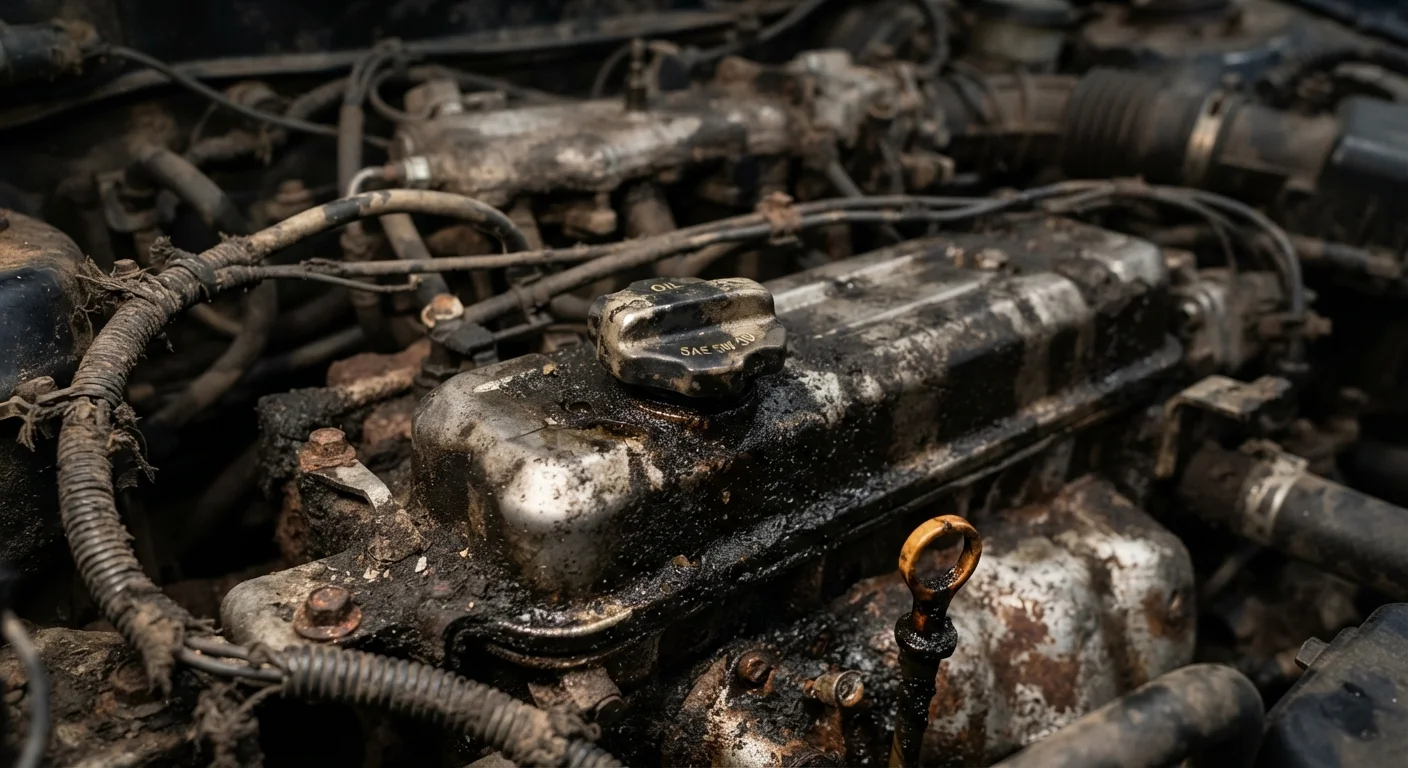
Delaying oil changes beyond the manufacturer's recommended interval.
Why it happens: Many drivers rely on the old "every 3,000 miles" rule regardless of what their owner's manual actually specifies, or they simply lose track of mileage between services.
Ignoring air filter replacement until performance visibly degrades.
Why it happens: Air filters are out of sight and their clogging happens gradually, so there's rarely a single obvious moment when replacement feels urgent.
Neglecting coolant flushes, allowing the cooling system to degrade.
Why it happens: Coolant doesn't announce its own breakdown, and many drivers assume it remains effective indefinitely as long as the reservoir appears full.
Putting off timing belt or timing chain inspection.
Why it happens: Timing components are internal and not visible without disassembly, so drivers often underestimate their condition or forget they have a service interval at all.
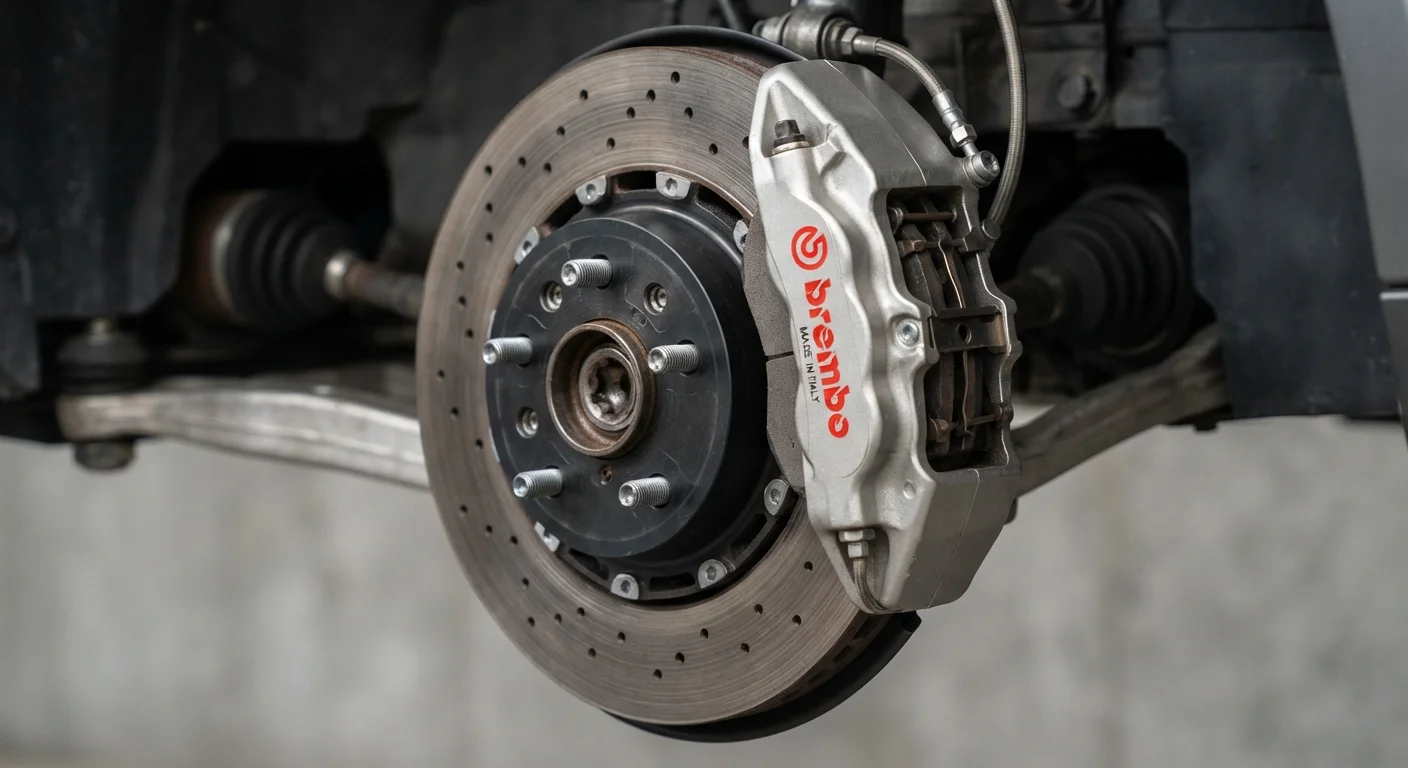
Skipping brake fluid changes, assuming brakes work fine if they stop the car.
Why it happens: Brake fluid degradation is invisible during normal driving, so drivers judge brake health solely by feel rather than fluid condition.
The Compounding Cost of Doing Nothing
Each skipped service interval doesn't just delay a single repair - it stacks risk on top of existing wear. A vehicle running on degraded oil is also running hotter, which strains the cooling system. A dirty air filter reduces combustion efficiency, which increases fuel consumption and adds load to the catalytic converter. These systems interact, and neglecting one accelerates deterioration in others.
$4,000+
Average cost of engine replacement or rebuild
Engine replacements due to oil-related failure or overheating frequently run between $4,000 and $10,000 depending on vehicle type, according to automotive repair cost data from AAA.
25%
Fuel efficiency loss from a clogged air filter
The U.S. Department of Energy has noted that a severely restricted air filter can reduce fuel economy on older carbureted vehicles significantly; modern fuel-injected engines compensate differently but still suffer performance losses.
Drivers who want to understand part-by-part timelines can benefit from reviewing the real lifespan of common car parts, which outlines warning signs and typical replacement windows for brakes, belts, batteries, and more.
If you're managing an older vehicle with higher mileage, the stakes are even higher - see how to maintain a high-mileage vehicle without overspending for targeted guidance. And before the seasons change, use the seasonal car maintenance checklist to catch deferred items before temperature extremes expose them.
Dashboard Warning Lights Are a Last Resort, Not an Early Signal
Many drivers wait for a warning light before addressing maintenance needs - but most warning systems are designed to alert you after a problem has already developed, not before. The oil pressure warning light, for example, typically illuminates only when pressure has dropped to a dangerously low level. By then, metal-on-metal wear may have already begun. Scheduled maintenance is always preferable to reactive repairs triggered by dashboard alerts.
Not sure which tasks you can handle yourself versus which require a professional? DIY car maintenance vs. taking it to a shop breaks down the trade-offs clearly so you can make informed decisions without overspending on labor or taking on jobs that require specialized tools.
This article is for general informational and educational purposes only. Always consult your vehicle's owner's manual and a qualified mechanic for guidance specific to your vehicle's make, model, and condition.