Why Your Battery Deserves More Attention
The car battery is one of the few components that fails suddenly, often without warning, and almost always at an inconvenient time. Yet most drivers give it no attention until they're stranded. Unlike an oil change - which has a clear mileage interval on a sticker - battery maintenance has no universally scheduled reminder, so it gets skipped.
Understanding what actually shortens battery life gives you the knowledge to act before failure strikes. Battery neglect also shows up quietly in your budget: a roadside assistance call, a tow, or emergency replacement all cost more than routine upkeep. For a broader look at the maintenance costs that catch drivers off guard, see ongoing maintenance costs most drivers underestimate.
Battery Age Is Not the Only Factor
While 3-5 years is the commonly cited lifespan for a car battery, actual longevity depends heavily on climate, driving patterns, and electrical load. A battery in a hot southern climate may degrade faster than one in a temperate region, even with identical usage. Age alone should not be the sole trigger for replacement - a load test gives you far more reliable information.
Six Battery Care Habits Worth Building
Test your battery before it tests you
Most drivers only think about their battery when the car won't start. By then, it's too late for prevention. A load test - which measures how well the battery delivers power under demand - gives you a far more accurate picture of health than simply checking whether the engine turns over. Many auto parts stores perform this service at no charge.
A healthy 12-volt battery at rest should read between 12.4 and 12.7 volts on a multimeter. Anything below 12.0 volts suggests significant discharge or deterioration. Testing once a year - or before each winter - is a low-effort habit that catches problems weeks before a breakdown occurs.
A load test reveals true battery health long before your car refuses to start.
Understand how short trips drain your battery
Every time you start your engine, the battery discharges a burst of power to crank the motor. The alternator then recharges it - but only while the engine runs. If most of your driving involves trips shorter than 15-20 minutes, the alternator may never fully restore the charge your battery used at startup.
Over weeks and months, this partial cycling causes sulfation - the buildup of lead sulfate crystals on the battery plates - which permanently reduces capacity. If short-trip driving is unavoidable, consider using a battery maintainer (also called a trickle charger) to keep the battery fully charged when the vehicle sits overnight or over a weekend.
Frequent short trips prevent the alternator from fully recharging the battery after each start.
Clean corroded terminals regularly
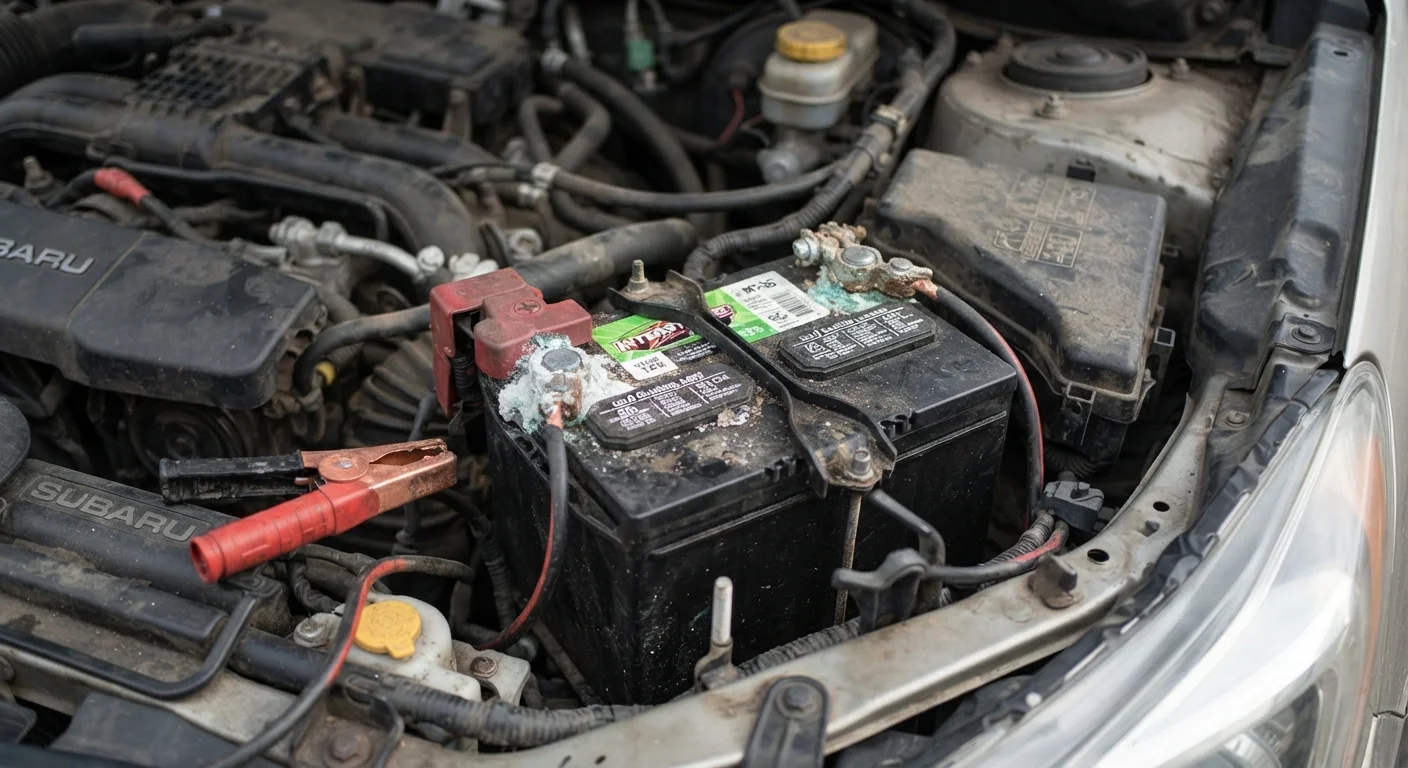
The white or bluish-green crust that forms around battery terminals is lead sulfate and copper sulfate corrosion. Even a thin layer creates resistance that impairs both the charging circuit and the power delivery to your starter motor. The symptoms - slow cranking, dim headlights, unreliable starts - are often mistaken for a failing battery when the real fix costs nothing but a few minutes of effort.
A solution of baking soda and water neutralizes the corrosion. Use an old toothbrush or a dedicated terminal cleaning brush, then rinse with water, dry thoroughly, and apply a thin coat of dielectric grease or petroleum jelly to slow future buildup. Always disconnect the negative terminal first for safety before touching either post.
Corroded terminals create resistance that mimics a dying battery - and cleaning them costs almost nothing.
Recognize the hidden drains killing your charge
A parasitic drain is any electrical load that continues drawing power after the ignition is off. Common culprits include a trunk light that stays on, a faulty relay, aftermarket accessories wired directly to the battery, and - increasingly - always-on telematics modules in newer vehicles that communicate with apps in the background.
If you find your battery regularly going flat despite normal driving, a mechanic can perform a parasitic draw test using an ammeter in series with the battery circuit. Most vehicles draw less than 50 milliamps at rest; anything significantly higher warrants investigation. Leaving a vehicle parked for several weeks without driving it also allows normal standby systems to deplete a healthy battery.
A parasitic drain as small as a stuck dome light can kill a healthy battery within days.
Protect your battery from temperature extremes
Cold weather thickens engine oil and slows the chemical reactions inside a battery, increasing the cranking power required while simultaneously reducing what the battery can deliver. Heat is equally destructive over the long term - high underhood temperatures accelerate internal corrosion and evaporate the electrolyte fluid in non-sealed batteries.
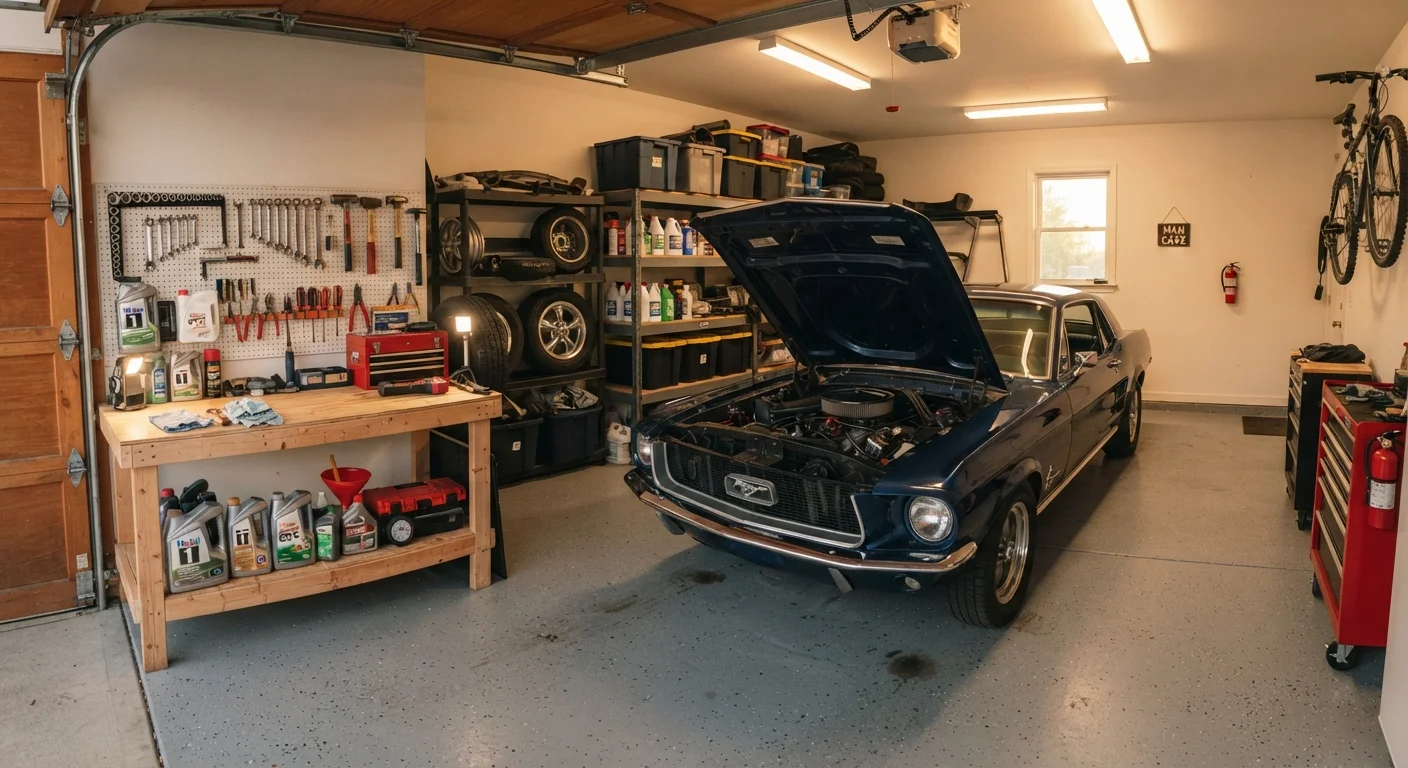
Parking in a garage during winter reduces cold-start strain considerably. If you live in a region with harsh winters or desert summers, checking your battery health at the start of each season is especially worthwhile. The seasonal maintenance checklist covers battery inspection alongside other temperature-related checks that protect your vehicle year-round.
Extreme temperatures are a battery's worst enemy - both cold starts and summer heat shorten its lifespan.
Know when to replace rather than recharge
Recharging a battery that has failed a load test is a temporary fix at best. A battery that repeatedly discharges, fails to hold a charge after a full recharge cycle, or is more than five years old has likely reached the end of its reliable service life. Continuing to rely on it risks being stranded at the worst possible moment.
When shopping for a replacement, look for a battery whose Cold Cranking Amps (CCA) rating meets or exceeds your vehicle manufacturer's specification - found in the owner's manual. The CCA rating determines how much starting power the battery can deliver at 0°F (−18°C). Choosing a battery with a higher CCA than the minimum spec is generally a safe choice; going lower is not recommended.
A battery that fails a load test should be replaced promptly - recharging it only delays the inevitable.
Use a Battery Maintainer for Stored Vehicles
If you leave a vehicle parked for more than two weeks - whether it's a second car, a seasonal vehicle, or a trip away - connect a smart battery maintainer to keep the charge stable. Unlike a basic trickle charger, a smart maintainer monitors voltage and stops charging when the battery is full, preventing overcharge damage. They are widely available and straightforward to use.
Make Battery Care Part of Your Routine
None of the habits above require mechanical expertise. A multimeter costs less than a tank of gas. Cleaning terminals takes ten minutes. Checking that no interior lights are left on is a thirty-second habit. Together, these small actions extend battery life meaningfully and eliminate the majority of unexpected dead-battery situations.
If you own an older vehicle, battery health is even more important - aging electrical systems can place higher demands on the battery and charging circuit. The guide to maintaining a high-mileage vehicle without overspending addresses how to prioritize this kind of upkeep as mileage climbs. For a complete picture of vehicle maintenance beyond the battery, the everyday driver's complete maintenance reference is a useful starting point.