Why Maintenance Costs Catch Drivers Off Guard
Most drivers have a rough idea of what their car payment, insurance premium, and gas spending look like each month. What rarely makes it into the budget is the full roster of maintenance costs that accumulate quietly in the background. Oil changes get the attention, but they represent only a fraction of what it actually costs to keep a vehicle reliable.
The problem isn't ignorance - it's visibility. Many recurring maintenance items are spaced months or years apart, making them easy to forget until the bill arrives. Others, like brake wear and fluid degradation, happen gradually with few obvious symptoms. Understanding the full scope of car ownership costs is the first step toward budgeting accurately.
The mistakes below reflect patterns seen across vehicle types and ownership situations - and each one is avoidable with a bit of planning.
Budgeting only for oil changes and ignoring all other scheduled services.
Why it happens: Oil changes are the most frequently advertised maintenance item, so many drivers treat them as the sum total of routine upkeep.
Treating tires as a one-time purchase rather than a recurring expense.
Why it happens: Tires last several years, so the cost feels distant until suddenly all four need replacement at once - often running $400-$1,000 or more depending on vehicle type.
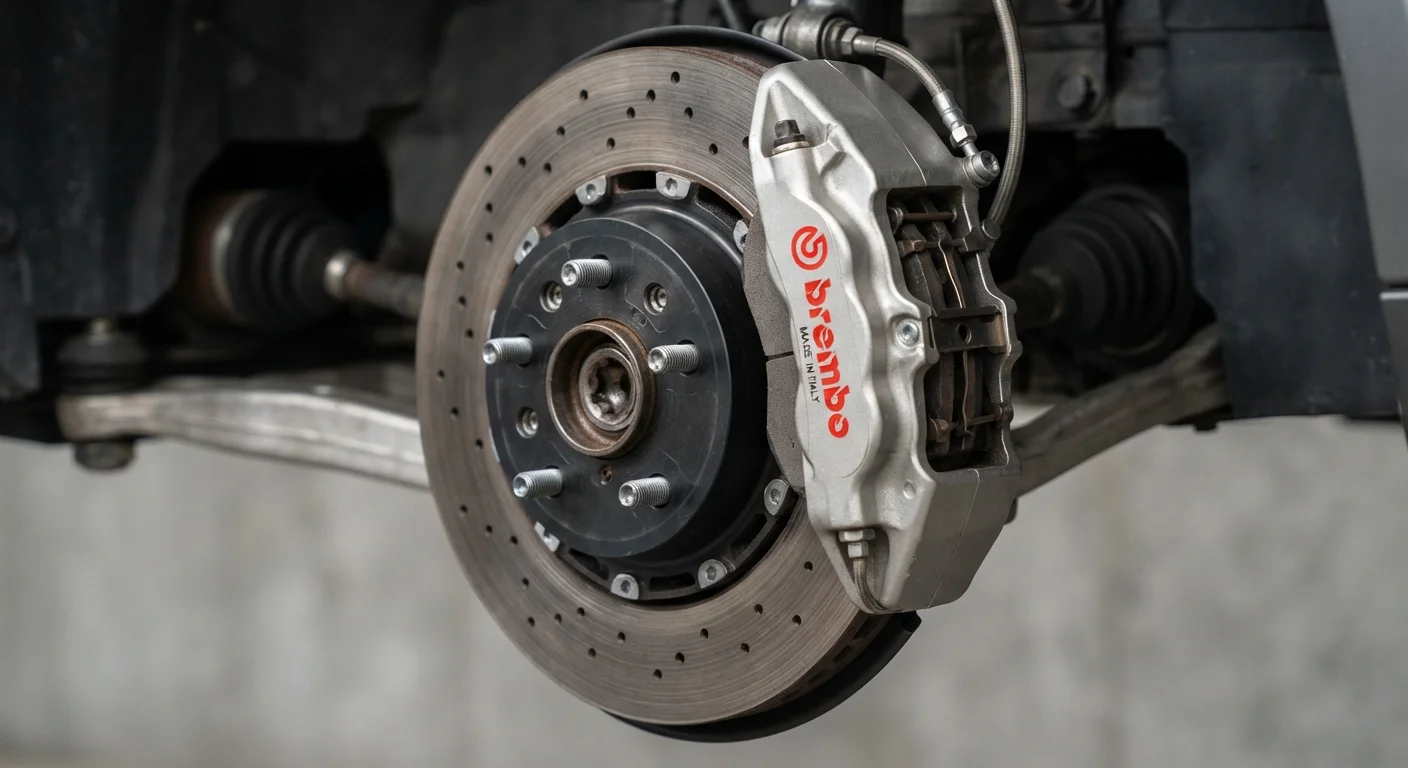
Overlooking brake system maintenance until brake pads are completely worn.
Why it happens: Brake wear is gradual and not always accompanied by obvious noise or a warning light, so drivers often delay service until the problem becomes undeniable.
Ignoring fluid services beyond engine oil - especially transmission and coolant.
Why it happens: These services are less visible and less frequently marketed, leading drivers to assume they're optional or irrelevant until something fails.
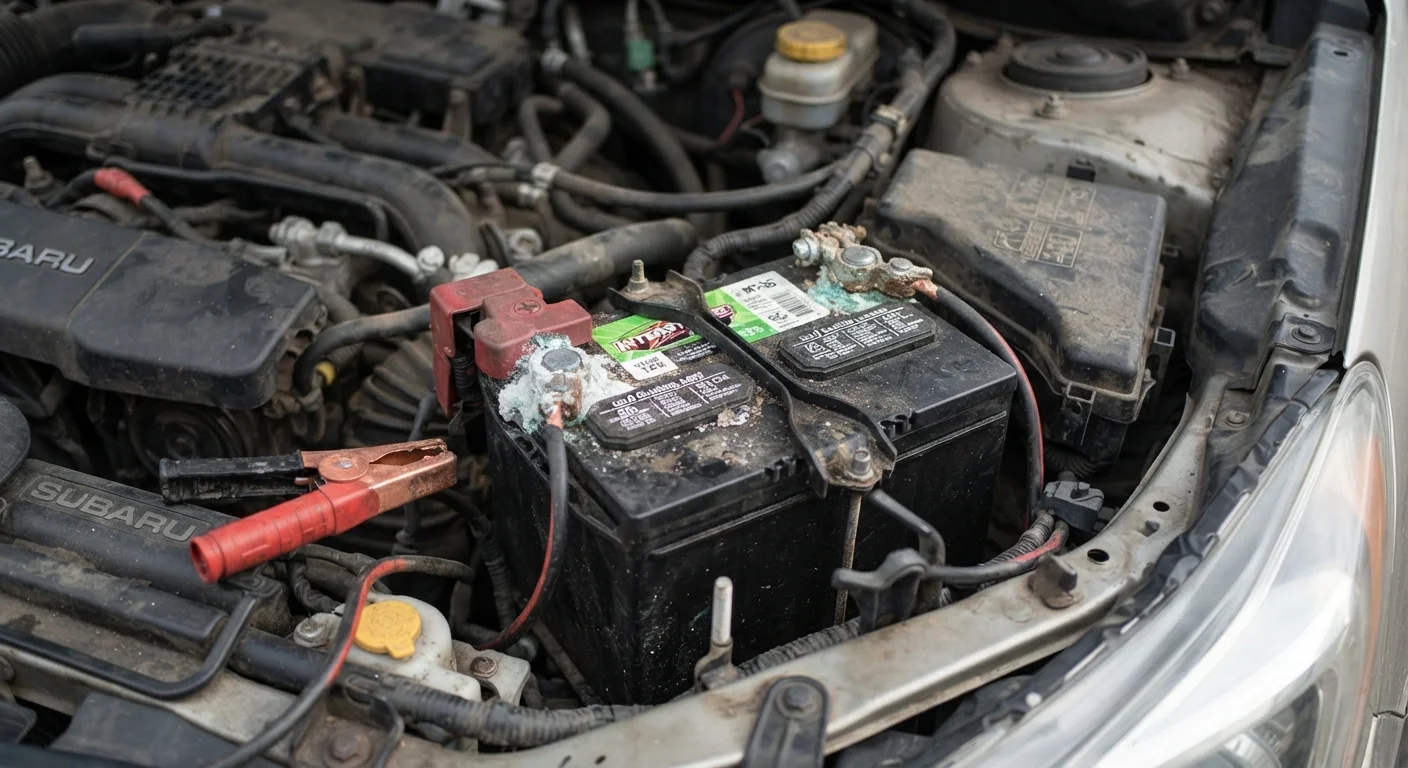
Failing to account for battery replacement as a predictable recurring cost.
Why it happens: Car batteries typically last three to five years, but because they often fail abruptly, drivers treat replacement as an unexpected emergency rather than a plannable expense.
Building a Budget That Reflects Reality
The fix for underestimating maintenance costs isn't complicated - it requires treating your vehicle as the depreciating asset it is, with predictable service demands. Start with your owner's manual, which contains the manufacturer's recommended maintenance schedule. This document is the authoritative source for your specific vehicle, not general internet estimates.
$1,200+
Average annual vehicle maintenance and repair cost
AAA's annual Your Driving Costs study consistently estimates that maintenance, tires, and repairs collectively exceed $1,200 per year for a typical sedan.
3-5 years
Typical car battery lifespan
Most automotive sources, including vehicle manufacturers, cite a three-to-five-year service life for standard 12-volt lead-acid car batteries under normal driving conditions.
~$600-$1,000
Cost of a full brake job (pads and rotors)
Industry repair estimates suggest that replacing both pads and rotors on a single axle - a common result of delayed pad service - typically ranges from $600 to $1,000 or more.
From there, estimate the annual cost of each service and divide it by 12 to arrive at a monthly maintenance savings target. Keep this in a dedicated account separate from your emergency fund. When a tire rotation or brake inspection comes due, the money is already set aside.
For a structured approach, the annual car budget framework covers how to account for every ownership category - from registration fees to unexpected repairs. Pair that with a year-end ownership cost review to recalibrate your estimates as your vehicle ages and its needs evolve.
Deferred Maintenance Can Void Your Warranty
Skipping manufacturer-scheduled services - such as transmission fluid changes or timing belt replacements - can void portions of your powertrain warranty. Always follow the maintenance schedule in your owner's manual and keep receipts as proof of service. If you're unsure what your warranty requires, contact a licensed dealership or review your warranty documentation directly.
Drivers with older or high-mileage vehicles face compounding maintenance demands. The right approach to high-mileage vehicle upkeep can help prioritize spending without over-investing in a depreciating car. And for any task you're considering handling yourself, understanding when DIY is appropriate keeps both your vehicle and your finances in better shape.
Don't Rely on Warning Lights Alone
Many critical components - including brake pads and tires - deteriorate gradually without triggering a dashboard warning light. By the time a warning appears, the problem may already be advanced and more expensive to fix. Regular visual inspections and mileage-based service intervals are far more reliable than waiting for a warning light to prompt action.
This article is for general informational purposes only and does not constitute financial or mechanical advice. Maintenance costs vary by vehicle, region, and driving conditions. Consult a qualified mechanic for service specific to your vehicle and a licensed financial professional for personalized budgeting guidance.