Why the Sticker Price Is Just the Start
For most American households, a vehicle is the second-largest purchase after a home. Yet many buyers focus almost entirely on the purchase price - or the monthly loan payment - while underestimating the stream of costs that follow. According to the American Automobile Association (AAA), the average cost of owning and operating a new vehicle runs well above $10,000 per year when all expenses are included.
Those costs span depreciation, fuel, insurance, maintenance, registration, and financing charges. Missing even one category can leave a significant gap in your budget. Before signing any deal, it pays to understand what you're actually committing to. You may also want to review the fees inside a purchase agreement that can add thousands before you even drive off the lot.
$10,000+
Average annual new-car ownership cost
AAA's annual Your Driving Costs study consistently estimates total new-vehicle ownership exceeds $10,000 per year when all expense categories are included.
15-25%
First-year depreciation on new vehicles
Industry data from automotive valuation sources shows new cars typically shed 15-25% of their value within the first twelve months of ownership.
~$2,000
Median annual auto insurance premium
National averages reported by insurance industry analysts place full-coverage auto insurance around $1,800-$2,200 annually, varying widely by state and driver profile.
Depreciation: The Biggest Silent Cost
Depreciation is the loss in a vehicle's market value over time, and it is typically the single largest ownership expense - yet it never appears on a monthly bill. A new car can lose roughly 15-25% of its value in the first year alone, with cumulative losses often reaching 50% or more within five years. This matters most if you plan to sell or trade in the vehicle, since the gap between what you paid and what you can recover is a real financial cost.
Used vehicles generally depreciate more slowly because the steepest early decline has already occurred. If long-term value retention is important to you, vehicle history, mileage, and segment trends are worth researching before you buy - though no publication can guarantee future resale values, as market conditions shift.
Before purchasing, look up the vehicle's historical depreciation curve using a reputable valuation tool, not just its current price. Vehicles in certain segments hold value far better than others over a five-year window.
Depreciation is the largest single cost of ownership for most drivers, yet it is rarely discussed at the point of sale. Choosing a vehicle with a stronger retention rate can meaningfully reduce total cost.
When comparing vehicles, calculate the projected cost-per-mile for fuel by dividing your estimated annual mileage by the EPA-rated MPG, then multiply by a realistic fuel price. Run this number for every vehicle on your shortlist.
Fuel costs compound over years of ownership. A vehicle that gets 15 MPG versus 30 MPG costs roughly twice as much to fuel annually - a difference that can easily exceed $1,500 per year at typical mileage.
Insurance, Registration, and Taxes
Auto insurance is mandatory in nearly every U.S. state, and premiums vary considerably based on your driving record, location, coverage levels, vehicle type, and insurer. Liability-only coverage costs far less than a comprehensive policy, but leaving gaps in coverage can expose you to large out-of-pocket costs after an accident. Rates also tend to change at renewal, so it is worth reviewing your policy annually.
Beyond insurance, most states charge annual registration and title fees. Some states also levy an annual property tax on vehicles based on assessed value. Altogether, these recurring government costs can add several hundred dollars per year. For a structured approach to accounting for these line items, see our guide on building a realistic annual car budget.
Don't Underinsure to Lower Premiums
Reducing coverage to the state-required minimum lowers your premium but can expose you to significant out-of-pocket liability after a serious accident. Medical bills and property damage from a multi-vehicle collision can far exceed minimum liability limits. Review coverage limits carefully with a licensed agent before making changes.
This article provides general financial information for educational purposes and is not personalized financial or insurance advice. Coverage requirements and costs vary by state and provider. Consult a licensed insurance agent for guidance on your specific situation.
Fuel and Energy Costs
Fuel is one of the most visible ongoing costs - and one of the most variable. A driver covering 15,000 miles annually in a vehicle averaging 25 MPG will purchase roughly 600 gallons of gasoline per year. At national average prices, that can translate to $1,800-$2,400 or more annually depending on market conditions. Larger trucks and SUVs with lower fuel economy can push that figure significantly higher.
Electric vehicles shift the cost from gasoline to electricity, which is generally cheaper per mile in most U.S. regions - but the math depends on your local utility rates, how much you drive, and whether you charge at home or at public stations. Hybrid vehicles offer a middle ground. Whichever powertrain you own, factoring in realistic annual fuel or energy costs is essential for an honest ownership picture.
Maintenance and Repairs
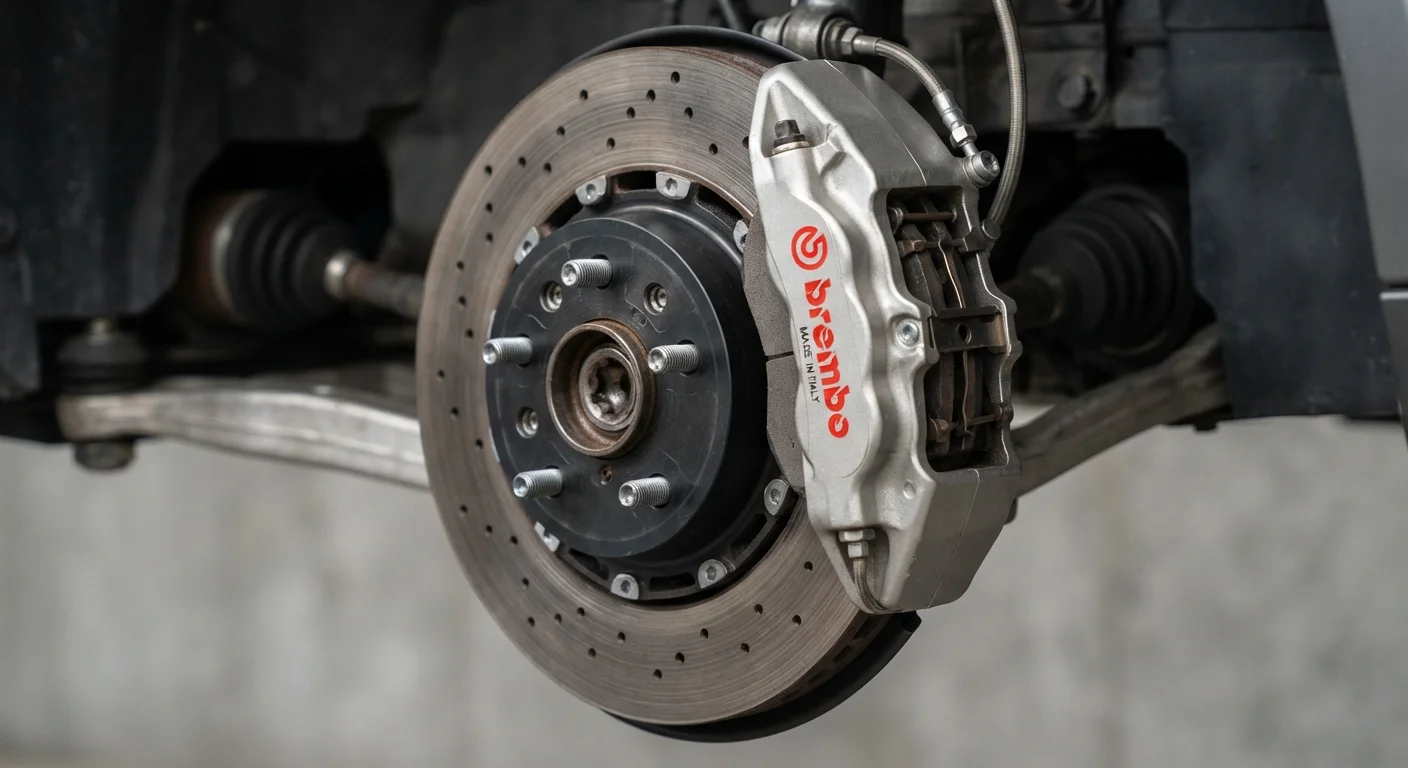
Routine maintenance - oil changes, tire rotations, air filters, brake pads, and fluid services - is unavoidable. Many drivers budget only for oil changes and are caught off guard when tires wear out or brakes need replacement. A full set of tires can cost $400-$1,200 depending on size and type; brake service commonly runs $150-$400 per axle. These intervals arrive on a predictable schedule, making them budget-friendly if planned in advance.
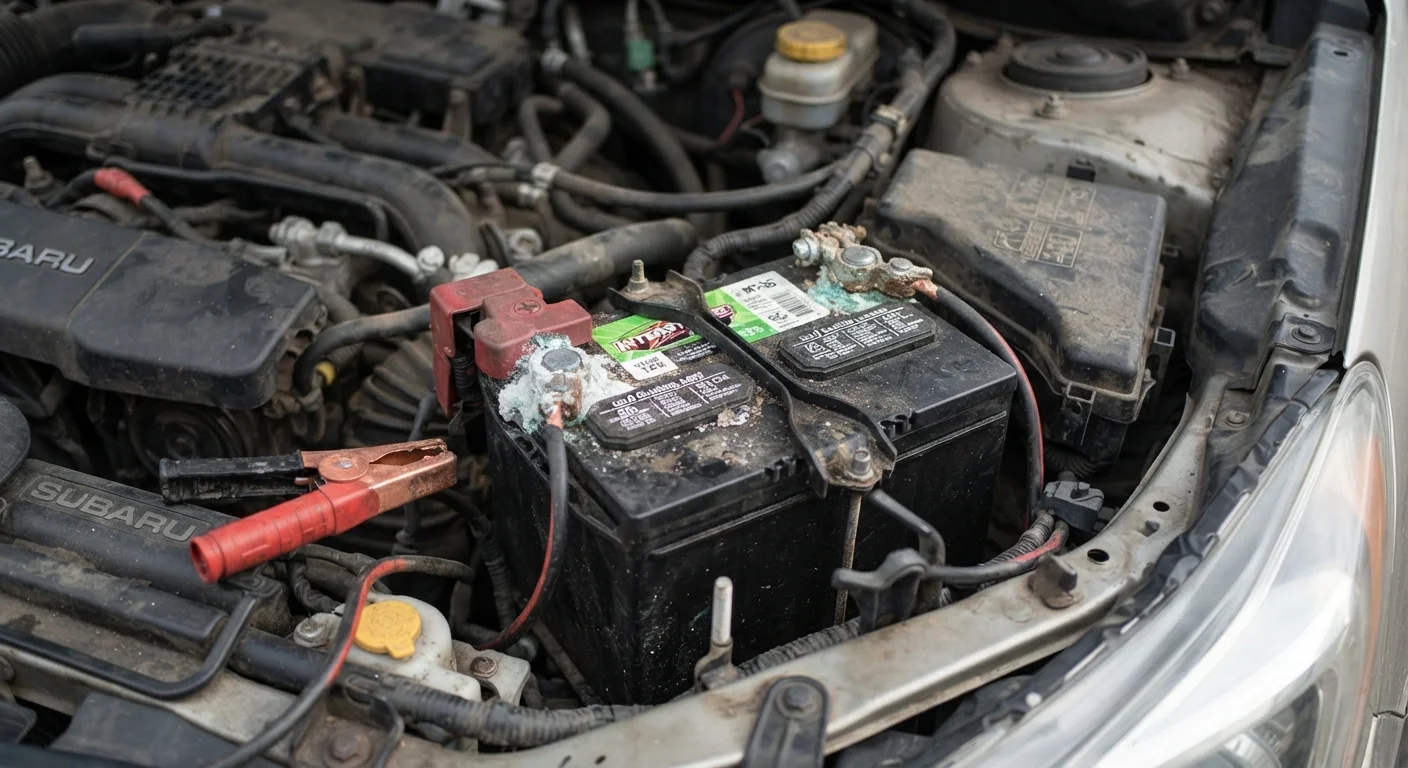
Unplanned repairs are harder to predict but statistically certain over a vehicle's lifespan. Older vehicles or those outside their manufacturer warranty period carry higher repair risk. Setting aside a monthly maintenance reserve - even a modest amount - helps absorb these costs without financial disruption. For a deeper look at which services drivers most often forget to budget for, see ongoing maintenance costs most drivers underestimate.
Build a Monthly Maintenance Reserve
Even if no maintenance is due this month, set aside a fixed amount - many mechanics and financial coaches suggest $50-$100 per month as a starting point - into a dedicated savings account. When a tire or brake job arrives, you'll have funds ready rather than reaching for credit. Adjust the amount upward for older or high-mileage vehicles.
Building a Complete Ownership Budget
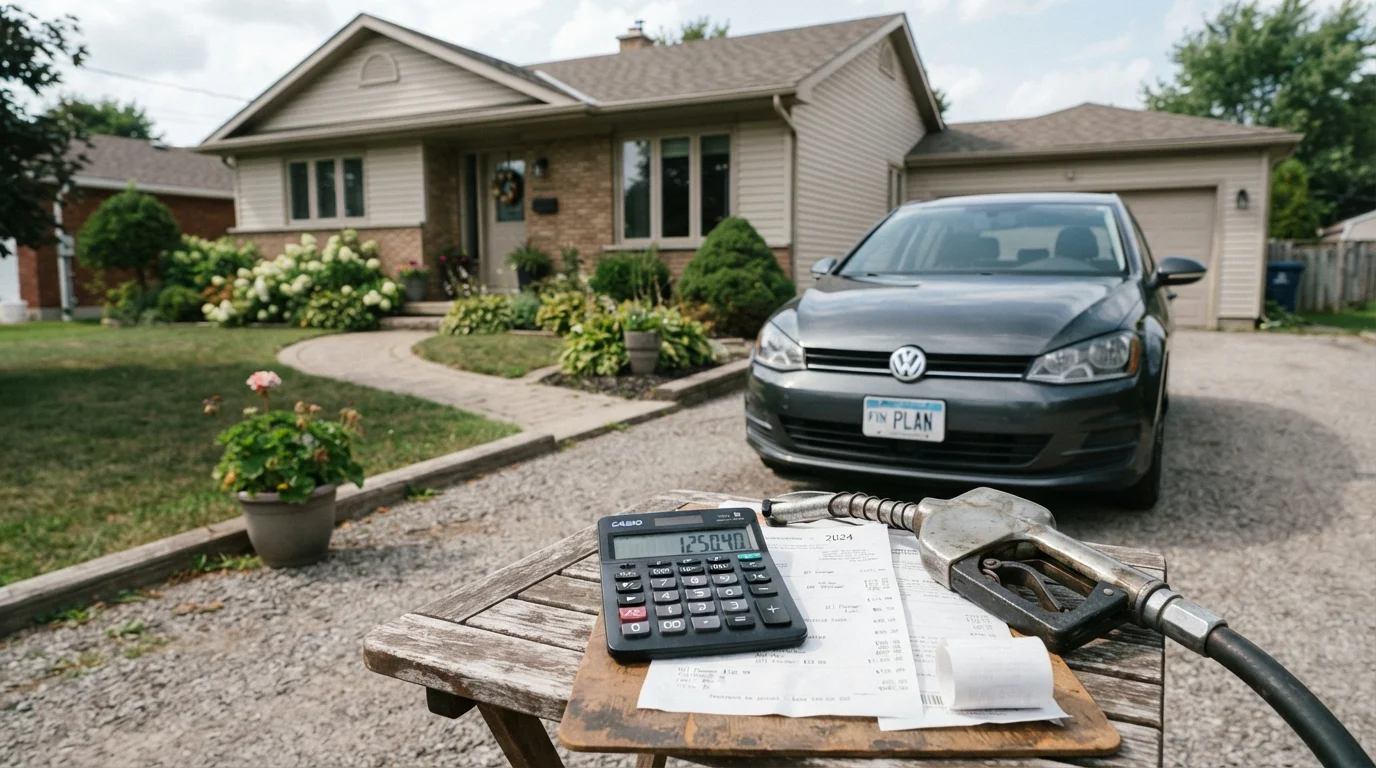
A realistic car budget adds up every category: loan or lease payment, insurance premium, registration and taxes, fuel, routine maintenance, and a repair reserve. Parking, tolls, and car washes are smaller but real additions. When all categories are summed monthly, many drivers discover their vehicle costs significantly more than the loan payment suggests.
A practical exercise: estimate your annual costs in each category, divide by 12, and compare the total to your take-home income. Financial planners often recommend keeping total transportation costs - including all vehicle expenses - below 15-20% of gross income, though individual circumstances vary. That threshold is a general reference point, not a guarantee of financial health.
The annual car ownership cost review is a useful yearly check to ensure your budget still reflects reality as your vehicle ages and costs shift. For broader money management principles that apply across all major expenses, the budgeting basics hub provides a solid foundation.
Leasing Changes the Cost Equation
If you lease rather than buy, depreciation affects your monthly payment differently - you're effectively paying for the vehicle's expected depreciation during the lease term. However, you won't build equity, and excess mileage or wear fees can add costs at lease-end. Compare total lease costs against total purchase-and-resell costs for an accurate comparison.