Why the DIY vs. Shop Question Matters
Every driver faces a recurring decision: when something needs attention on the car, do you tackle it yourself or head to a shop? The right answer depends on the specific task, your comfort level, the tools you have access to, and the stakes if something goes wrong.
Understanding your vehicle's maintenance schedule is the starting point. Once you know what's due and how often, you can make a clearer call on which items belong in your driveway and which belong in a service bay. The goal isn't to DIY everything - it's to make deliberate, informed choices that keep your car reliable without unnecessary expense or risk.
Tasks Well-Suited to DIY
Several routine maintenance jobs require minimal tools, carry low risk if done carefully, and are straightforward enough that most attentive drivers can handle them confidently.
- Engine air filter replacement: Typically involves unclipping a housing and swapping a filter - no specialty tools needed.
- Windshield wiper blades: Most blade assemblies snap on and off in minutes. Instructions are often printed on the packaging.
- Checking and topping off fluids: Engine oil, coolant, brake fluid, and washer fluid can all be inspected visually. See our guide on checking and topping off your car's fluids at home for a step-by-step overview.
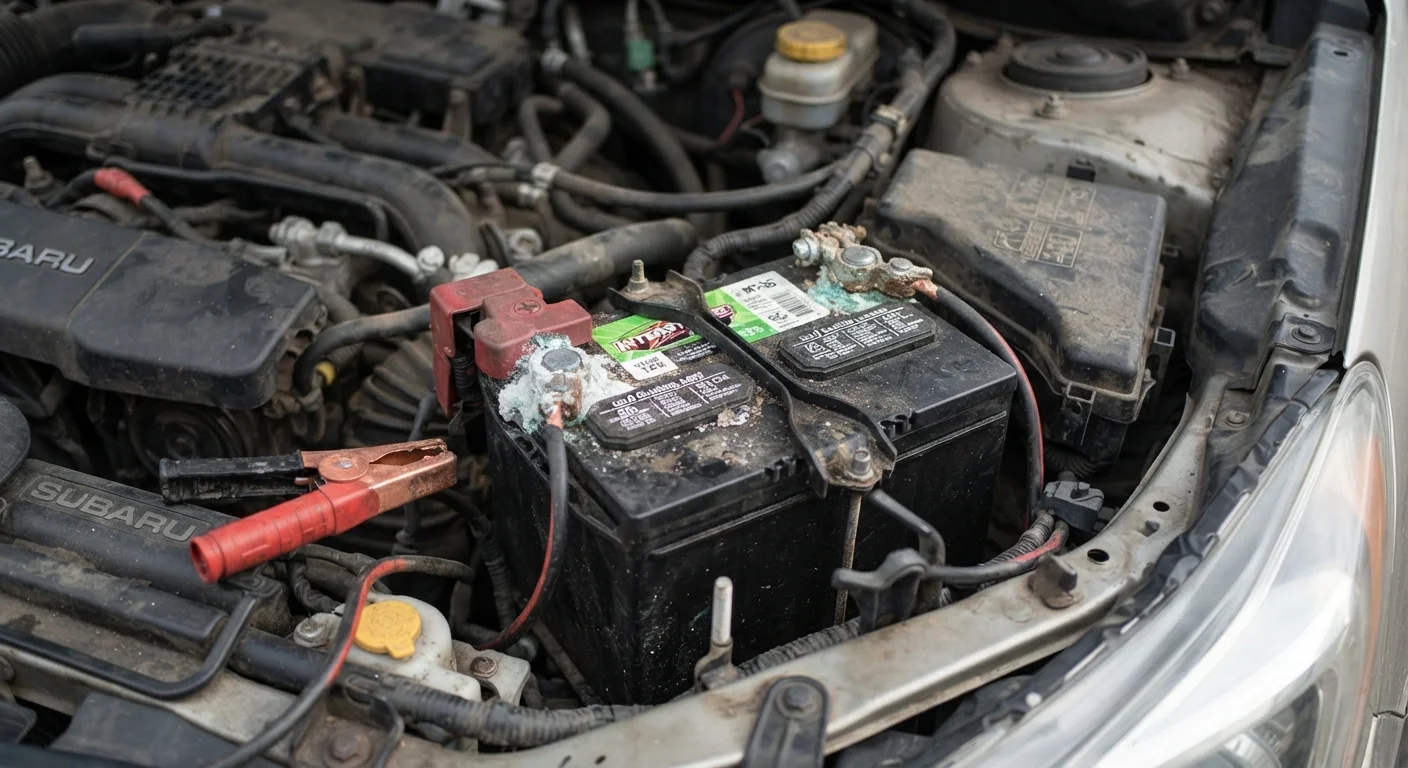
- Battery terminal cleaning: Corrosion on terminals can be safely cleaned with basic supplies and proper precautions.
- Cabin air filter: Often located behind the glove box, this filter is usually accessible without tools and should be replaced periodically.
These tasks carry a lower financial and safety downside if you make a minor error, and the savings on labor can be meaningful over time.
Start Simple, Build Confidence
If you're new to DIY maintenance, begin with the most forgiving tasks - cabin air filter swaps, checking fluid levels, or replacing wiper inserts. These require little more than your owner's manual and basic supplies. As your familiarity with your vehicle grows, you'll develop a clearer sense of what you're comfortable taking on and where a shop's expertise adds real value.
When to Leave It to a Professional
Some maintenance and repair tasks involve safety-critical systems, require specialized equipment, or carry real risk of injury or vehicle damage if performed incorrectly. These are generally worth the cost of professional service.
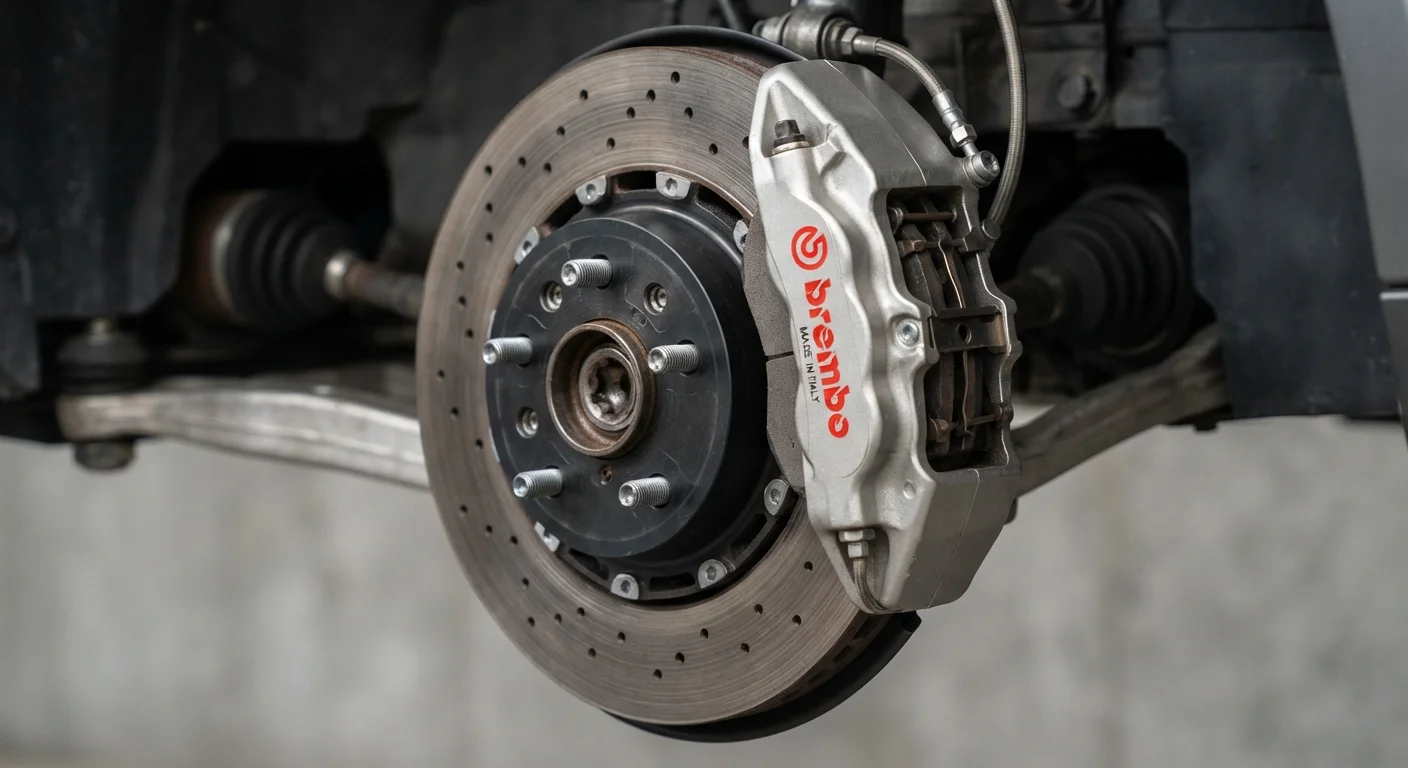
- Brake service: Pad replacement can look straightforward, but brake systems involve hydraulic pressure and components that vary significantly by vehicle. Errors here directly affect stopping ability.
- Timing belt or chain service: Requires precise alignment and torque specifications. A mistake can cause severe engine damage.
- Suspension and steering components: Worn tie rods, ball joints, or struts affect vehicle control. Improper repair can compromise handling.
- Advanced diagnostics: When a warning light appears, a professional-grade scan tool and trained interpretation are often needed to find the root cause accurately.
- Transmission or differential service: These involve complex assemblies where improper fluid fills or seal work can cause expensive failures.
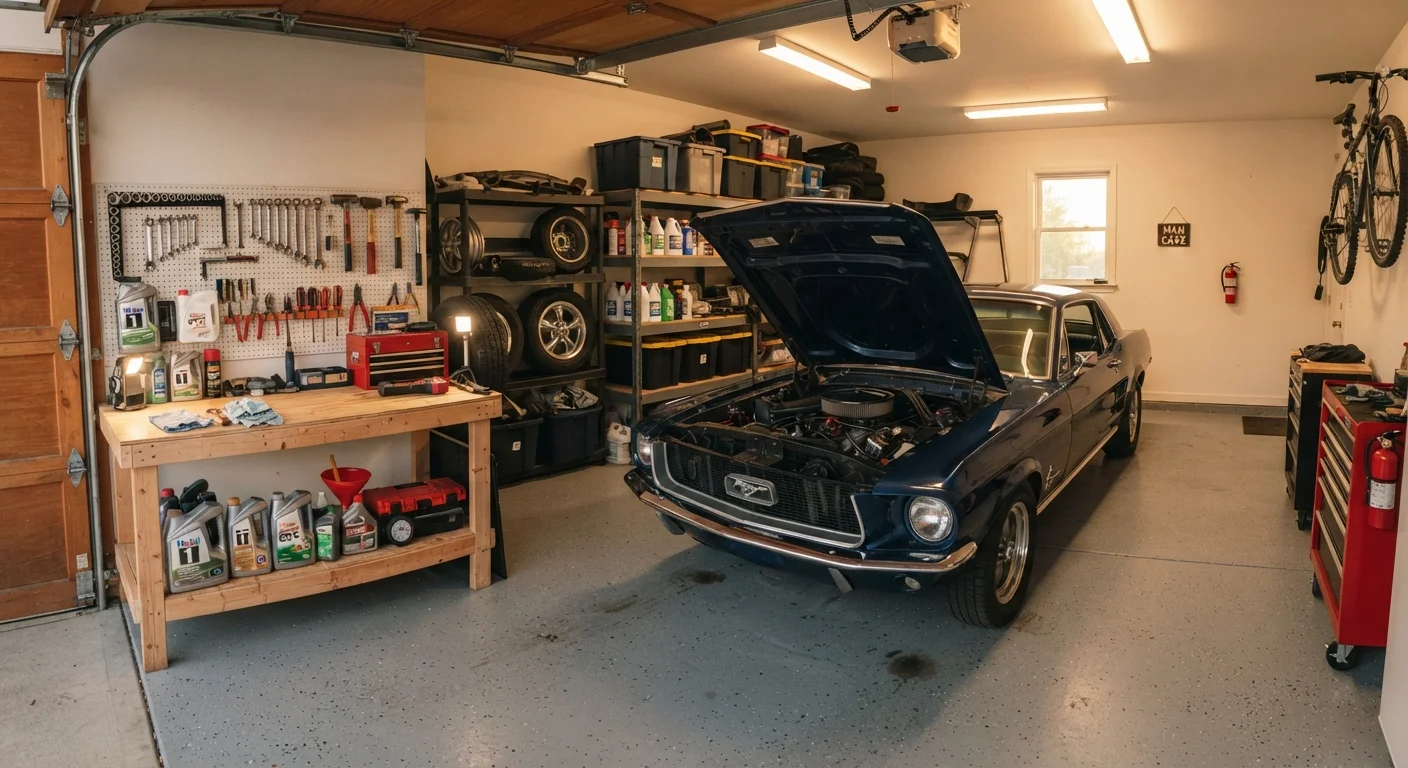
It's also worth noting that certain repairs may require a lift, torque wrench calibration, or alignment equipment that most home setups don't have. Knowing your limits isn't a weakness - it's practical.
Don't Let Cost Alone Drive Safety Decisions
It can be tempting to attempt a complex repair to avoid a shop bill, especially on older vehicles. But improperly serviced brakes, steering components, or safety systems can create hazards that put you and other drivers at risk. If you're uncertain about a task, get a professional assessment before attempting it yourself - the cost of a diagnostic visit is almost always less than the cost of a compounded repair or a roadside breakdown.
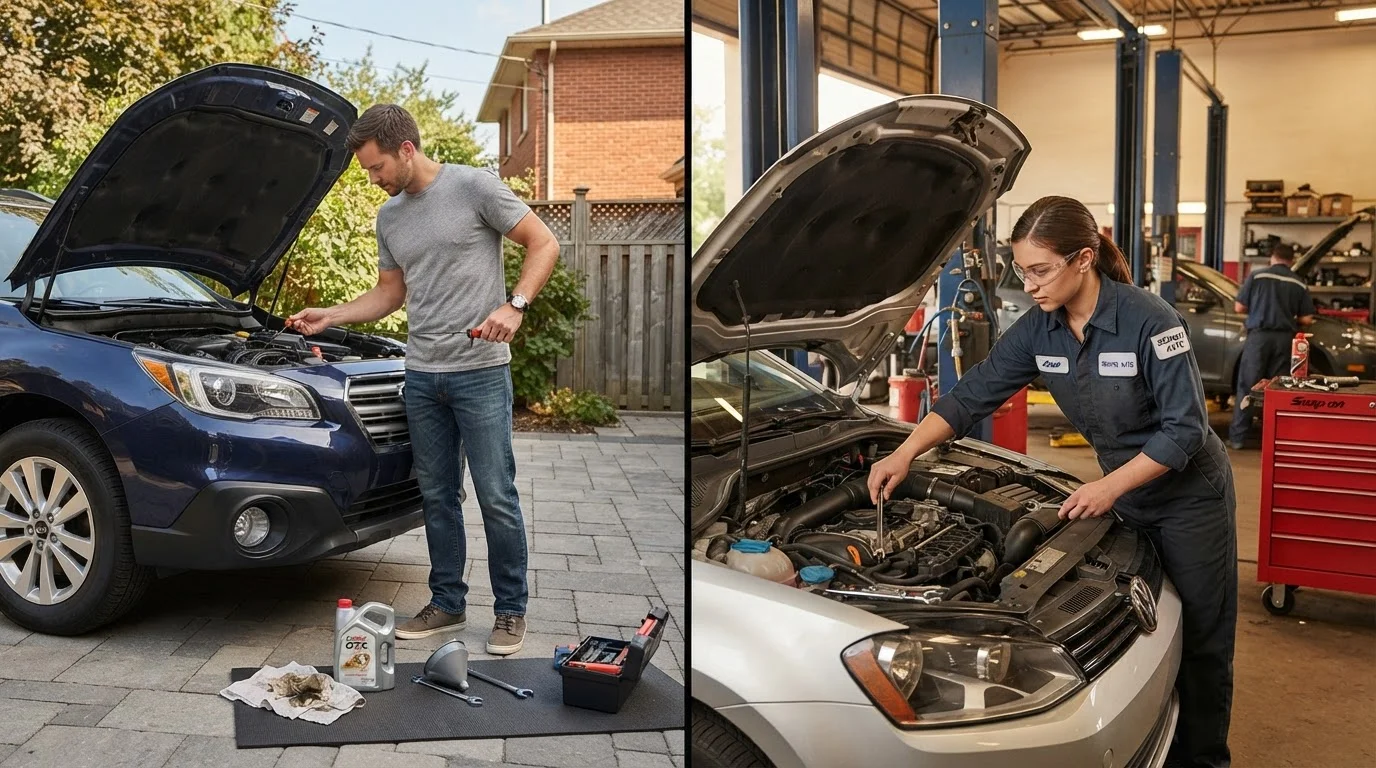
Comparing DIY and Shop Service Side by Side
The table below compares both approaches across key factors relevant to most drivers. Keep in mind that costs and access to tools vary widely by location and vehicle type.
| DIY Maintenance | Professional Shop Service | |
|---|---|---|
| Labor cost | None (your time) | Varies; typically $80-$150/hr |
| Parts cost | Retail price, you source them | Shop pricing; may include markup |
| Tools required | Basic to moderate for simple jobs | Specialized equipment available |
| Risk on complex jobs | Higher if skill or tools are lacking | Lower with trained technicians |
| Warranty on work | None; you bear responsibility | Often guaranteed by the shop |
| Best suited for | Filters, fluids, wiper blades | Brakes, timing, diagnostics, alignment |
As the table illustrates, neither approach dominates across all criteria. The best strategy for most drivers is task-specific: match the approach to the job, not a blanket rule.
Building a Smarter Maintenance Strategy
The drivers who spend the least on maintenance over time tend to be proactive rather than reactive - and strategic about what they handle themselves. A few practices help:
- Follow the manufacturer's schedule. Intervals for oil, filters, and fluids are set for a reason. Skipping them creates compounding problems.
- Keep a maintenance log. Whether you change your own oil or pay a shop, recording what was done and when helps you avoid duplicate work and catch gaps before they become costly.
- Budget for professional services. If you're not accounting for brake jobs, tire services, or fluid flushes in your annual budget, you may be underestimating your true ownership costs. Our article on ongoing maintenance costs most drivers underestimate breaks this down in detail.
- Consider tire services carefully. Tire rotation, balancing, and alignment require equipment most home mechanics don't own - these are typically shop jobs worth scheduling regularly.
For owners of older, high-mileage vehicles, the calculus shifts slightly - some repairs may not be worth the full shop cost, while others become even more critical as components age. See our guidance on maintaining a high-mileage vehicle without overspending for more on this balance.