What a Maintenance Schedule Actually Is
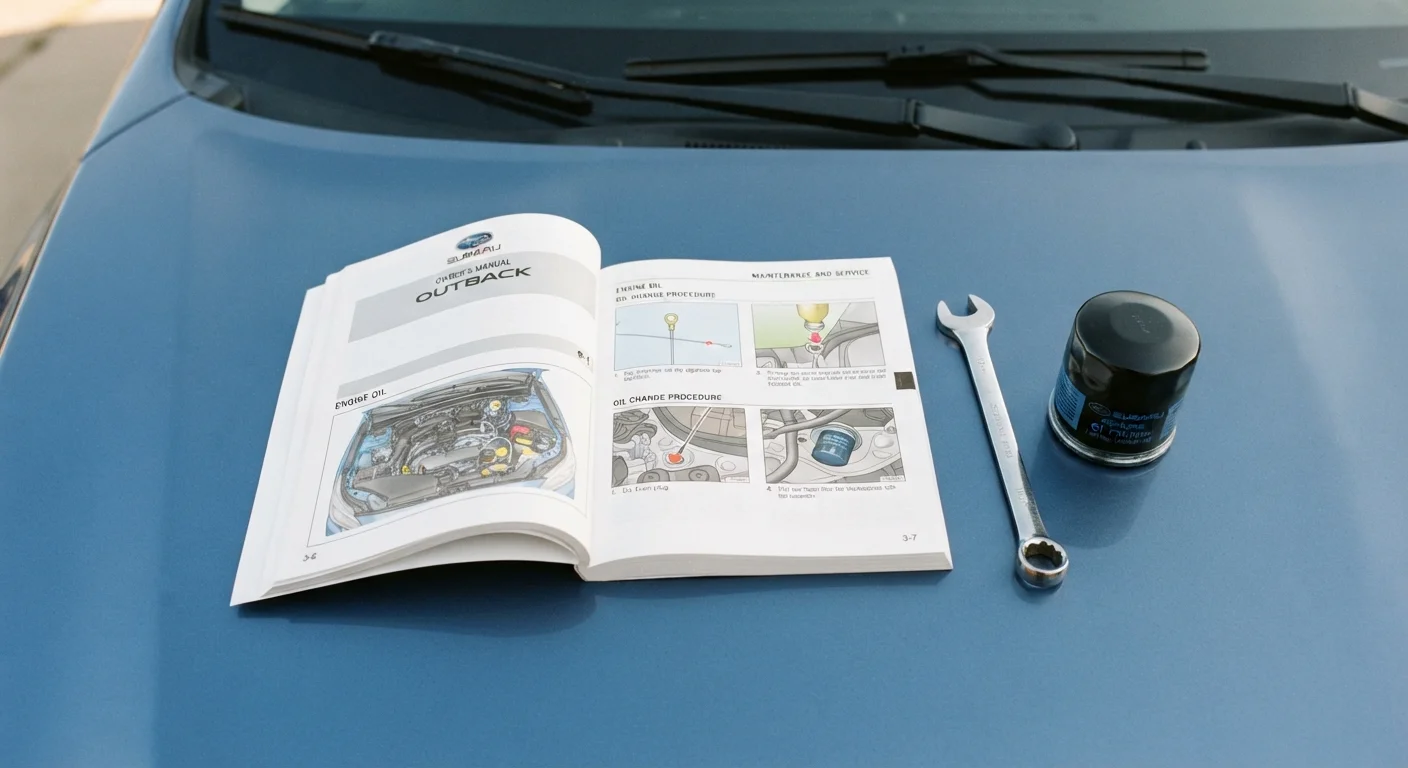
Every vehicle sold in the United States comes with a maintenance schedule tucked inside the owner's manual. It is not a suggestion - it is the manufacturer's engineering-backed plan for keeping your specific engine, transmission, brakes, and supporting systems operating as designed. Think of it as a care calendar written by the people who built the car.
The schedule lists components that need periodic attention and assigns each one an interval: a mileage milestone, a time limit (months), or both. Whichever threshold arrives first is the one that triggers service. A timing belt rated for 60,000 miles or 60 months, for example, should be replaced at 60,000 miles even if the car is only four years old - or at five years even if you haven't yet hit 60,000 miles.
This dual-trigger system exists because certain degradation processes - rubber drying out, coolant losing its anti-corrosion additives, brake fluid absorbing moisture - are driven by time as much as by use. Low-mileage vehicles driven infrequently can still experience chemical and material breakdown.
The Most Common Maintenance Intervals and What They Cover
While every vehicle differs, most manufacturer schedules cluster services around a handful of recurring intervals. Here is what those milestones typically address:
- Every 5,000-10,000 miles: Engine oil and oil filter replacement. The exact interval depends on whether your engine uses conventional or synthetic oil - your manual specifies which.
- Every 15,000-30,000 miles: Cabin air filter and engine air filter inspection or replacement; tire rotation; brake inspection.
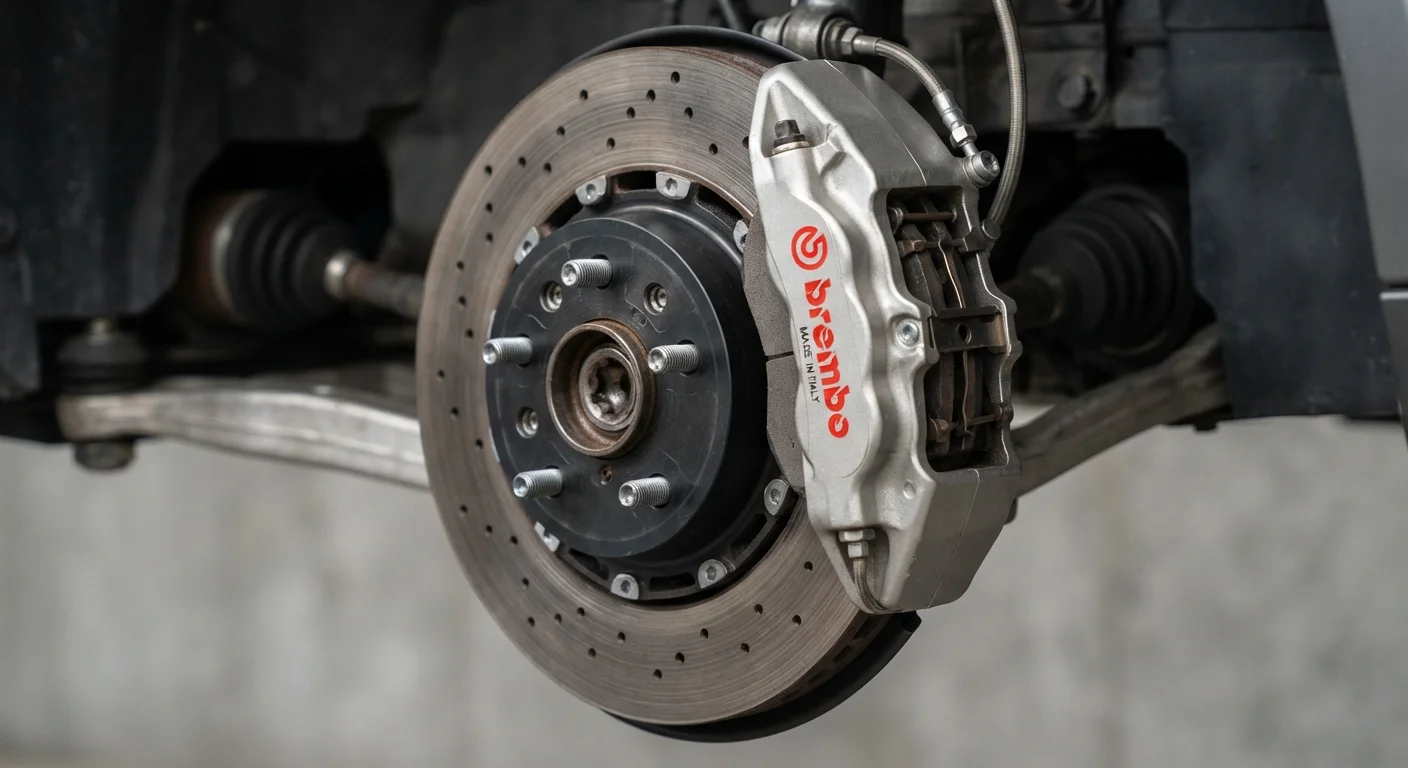
- Every 30,000-60,000 miles: Transmission fluid, coolant flush, spark plugs (in gasoline engines), and drive belt inspection.
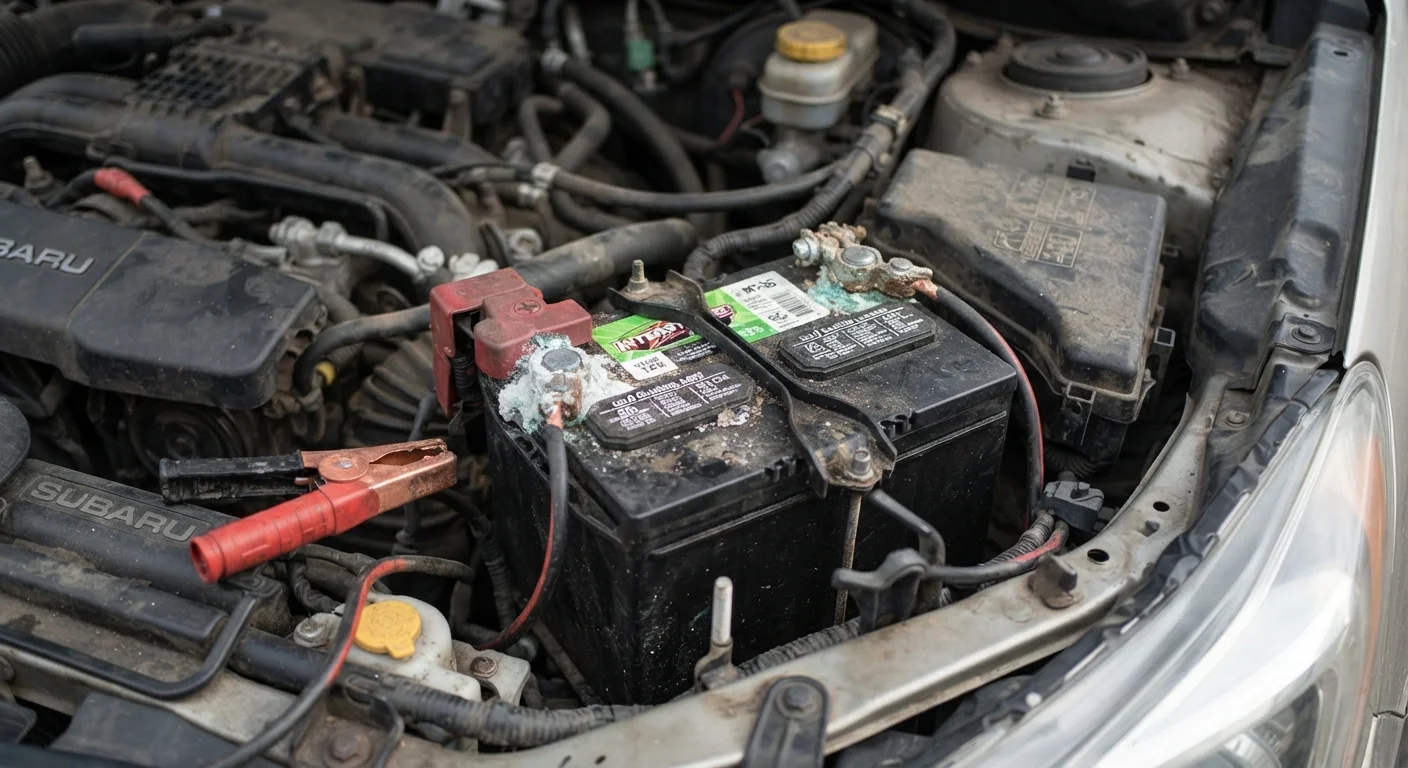
- Every 60,000-100,000 miles: Timing belt or timing chain service (if applicable); fuel system inspection; battery condition check.
These ranges are broad because they span many different vehicle designs. A turbocharged engine may need oil changes more frequently than a naturally aspirated one. A hybrid's regenerative braking system may extend brake pad life significantly. Your owner's manual narrows these ranges to your exact vehicle.
35%
Vehicles with overdue oil changes on U.S. roads
The Car Care Council has estimated that roughly one-third of vehicles on American roads are overdue for an oil change at any given time.
$1,200+
Average annual preventable repair cost from neglected maintenance
AAA estimates that drivers who skip routine maintenance face significantly higher repair bills, with preventable costs commonly exceeding $1,200 annually.
5,000-10,000 mi
Typical modern synthetic oil change interval
Most automakers now specify synthetic oil change intervals well above the outdated 3,000-mile guideline, per manufacturer maintenance documentation.
For a broader view of how these services connect to overall ownership costs, see the Auto Costs & Insurance hub.
Normal vs. Severe Duty: Which Schedule Applies to You?
Most owner's manuals include two maintenance tracks. The normal schedule applies to routine highway and suburban driving in moderate climates. The severe duty (sometimes called "special operating conditions") schedule applies when your driving habits or environment accelerate wear.
You likely fall under the severe schedule if you regularly:
- Make frequent short trips under five miles, especially in cold weather
- Sit in heavy stop-and-go traffic for extended periods
- Tow trailers, haul heavy loads, or drive off-road
- Operate in extreme heat (above 90°F consistently) or extreme cold
- Drive on gravel, dirt, or dusty roads regularly
City Drivers Often Qualify for Severe Duty
It may seem counterintuitive, but urban stop-and-go driving is harder on an engine than steady highway miles. Engines running short trips never fully warm up, which allows moisture and fuel residue to contaminate the oil. If your daily drive is under five miles each way, check whether the severe schedule applies to you.
Many urban drivers who consider themselves "light users" actually qualify for the severe schedule because short, stop-and-go trips prevent engines from reaching optimal operating temperature - causing oil to break down faster and fuel to dilute the oil supply.
Understanding what neglect actually does to your engine can help put these intervals in context.
How to Use Your Maintenance Schedule Day to Day
Translating a maintenance chart into a practical routine is straightforward once you know where to look and what to track.
- Locate your owner's manual. It lives in the glove box or, for many automakers, can be downloaded from the manufacturer's website by entering your VIN.
- Find the maintenance section. Look for a chapter titled "Maintenance Schedule," "Service Intervals," or similar. It usually includes a table organized by mileage and time.
- Record your current mileage and service history. Knowing when services were last performed tells you how far out you are on each interval. A maintenance log makes this effortless.
- Decide what you can handle yourself vs. what needs a shop. Checking tire pressure, replacing wiper blades, and swapping cabin air filters are low-risk DIY tasks. See our DIY vs. shop guide to weigh each task honestly.
Set Mileage and Calendar Reminders
Use your phone's calendar app to set dual reminders - one at a mileage milestone and one at the time-based threshold for each major service. Because whichever comes first triggers the service, tracking both prevents you from accidentally going overdue on time even in a low-mileage year.
If your dashboard warning lights illuminate between scheduled services, do not wait for the next interval - investigate promptly. Warning lights often signal that a component needs attention ahead of schedule.
Drivers of older vehicles should also review guidance on maintaining high-mileage vehicles without overspending, since wear patterns shift as mileage climbs. For a comprehensive reference covering every major maintenance category, the Car Maintenance From the Ground Up guide is a useful companion resource.