How to Use This Guide
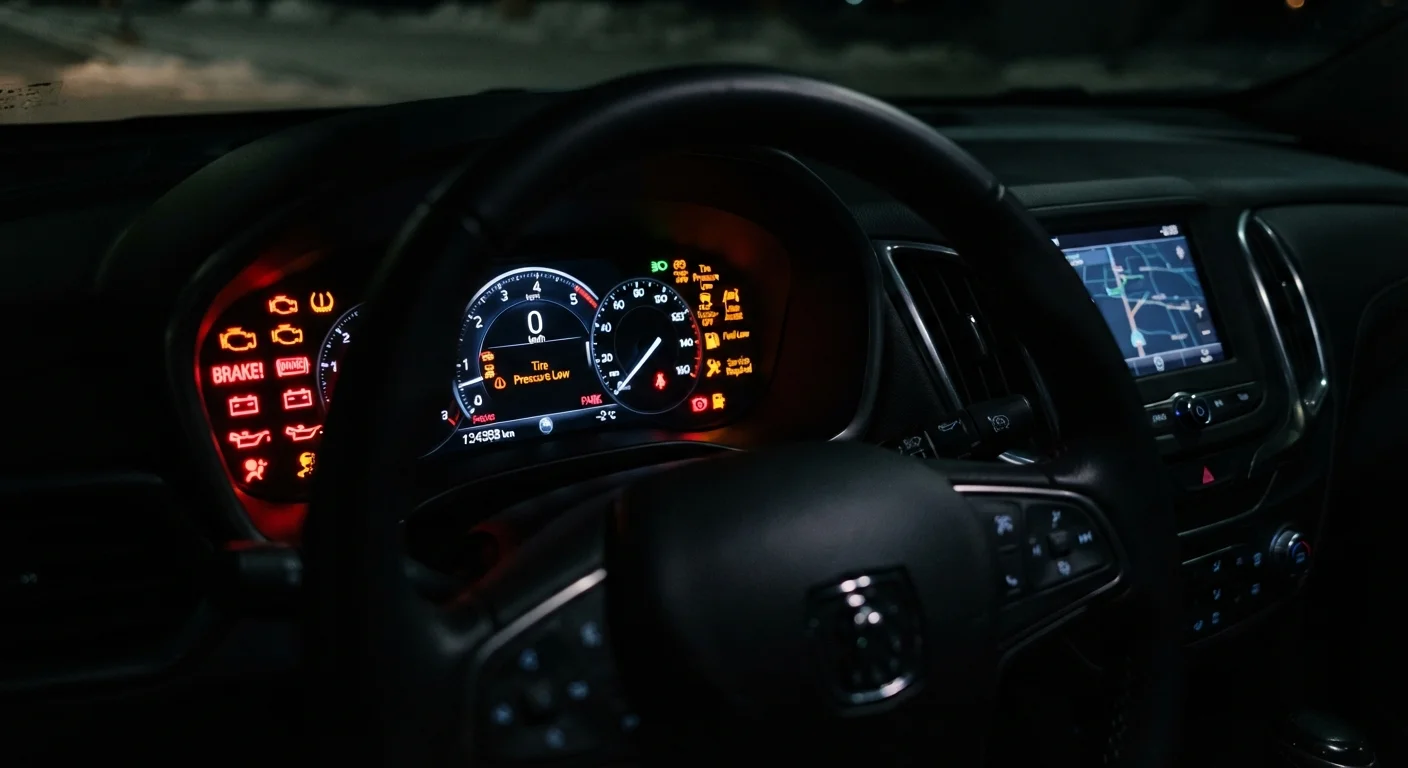
Modern vehicles can display dozens of warning symbols, and misreading one - or ignoring it - can turn a minor issue into a major repair bill. This reference guide translates the most common dashboard warning lights into plain English, flags which require immediate action, and explains what a mechanic is likely to investigate. It is organized by urgency level so you can find what you need fast.
For broader context on keeping your vehicle in shape, see our complete car maintenance reference covering fluids, filters, belts, and more.
| Total possible warning lights | Upwards of 50-60 on modern vehicles (Varies by make and model) |
| Urgency: red lights | Stop or pull over immediately |
| Urgency: amber/yellow lights | Schedule service within days |
| OBD-II standard adopted | Required on U.S. vehicles from 1996 onward (U.S. EPA / CARB mandate) |
| TPMS federally required | All passenger vehicles sold in the U.S. from 2008 (TREAD Act, NHTSA) |
| Flashing check engine light | Treat as urgent - active misfire risk |
Red Alert: Stop or Pull Over Immediately
These lights signal conditions that can cause engine damage, brake failure, or safety hazards if you continue driving. If any of these illuminate while moving, find a safe place to stop as soon as possible.
OBD-II
On-Board Diagnostics, second generation - a standardized system built into most vehicles sold in the U.S. after 1996. It monitors engine and emissions systems and stores fault codes that a scanner can read.
Catalytic Converter
An emissions control device in the exhaust system that converts harmful combustion byproducts into less harmful gases. Engine misfires can overheat and permanently damage it.
TPMS
Tire Pressure Monitoring System - a sensor-based system that alerts the driver when a tire's inflation pressure drops significantly below the recommended level.
Alternator
A generator driven by the engine that recharges the battery and powers the vehicle's electrical systems while the engine is running. A failed alternator means the battery drains with no way to recharge.
Fault Code (DTC)
A Diagnostic Trouble Code stored by the vehicle's computer when a sensor reading falls outside acceptable parameters. Codes are read with an OBD-II scanner and point a technician toward the problem area.
- Oil Pressure (red oil can icon): Low or lost oil pressure can destroy an engine within minutes. Stop the vehicle, turn off the engine, and do not restart until the problem is diagnosed. Check the oil level only after the engine has cooled.
- Engine Temperature (thermometer in water icon): The engine is overheating. Pull over, shut off the engine, and allow it to cool before opening the hood. Continuing to drive risks warped cylinder heads and serious internal damage.
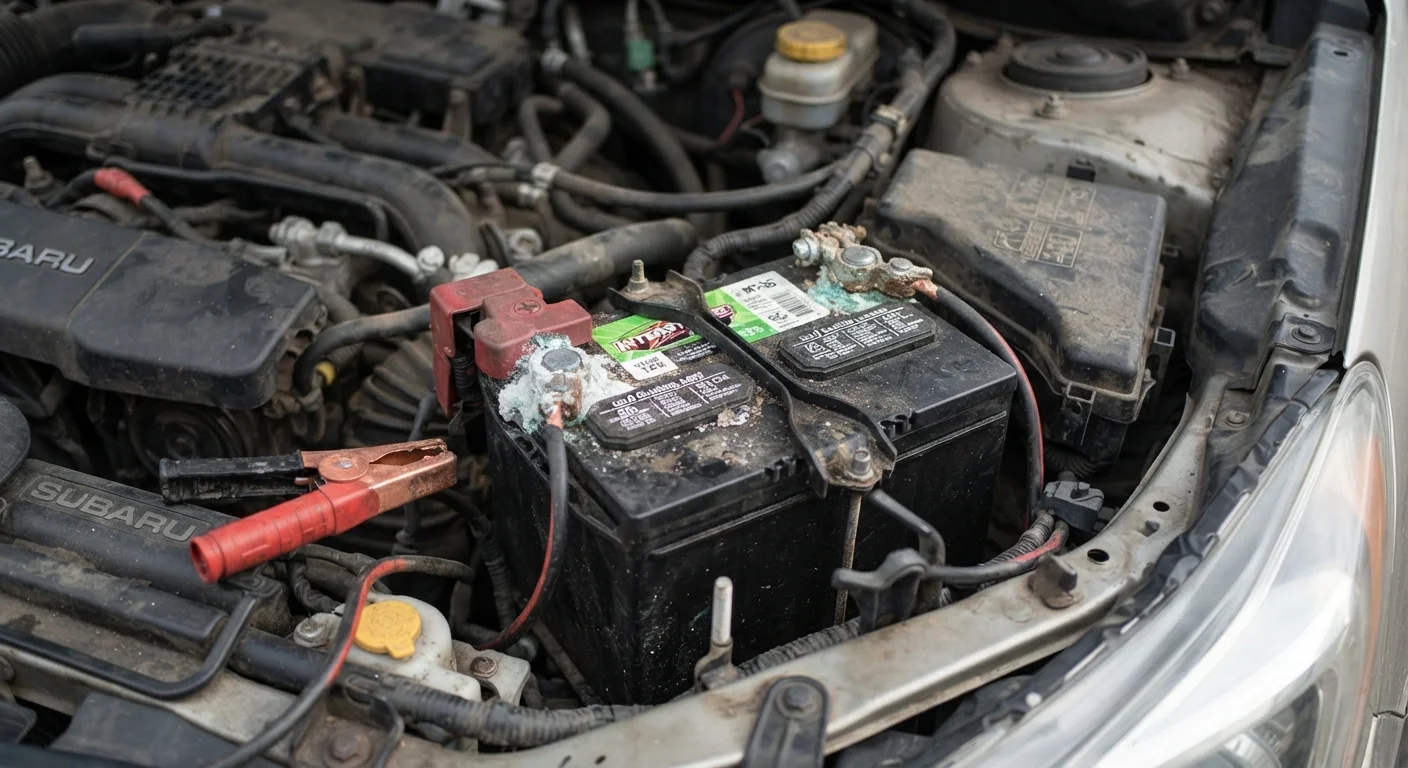
- Battery / Charging System (battery icon): When this appears while driving - not just at startup - your alternator may have failed. The car is running on battery reserve alone; you may have limited time before it stalls entirely.
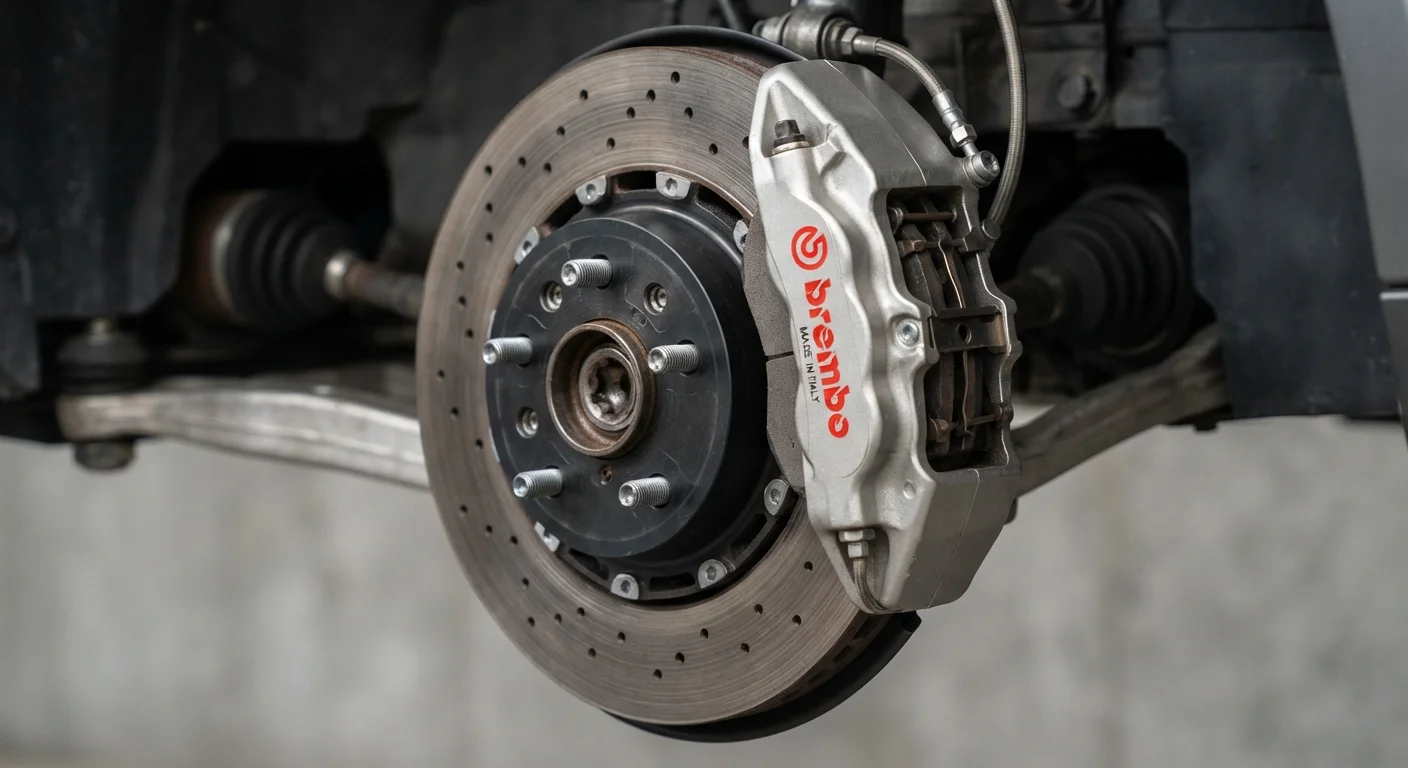
- Brake System (exclamation mark in circle, or "BRAKE"): If the parking brake is not engaged, this indicates low brake fluid or a hydraulic fault. Brake failure is a direct safety risk - have the vehicle towed rather than driven.
Yellow / Amber Caution: Schedule Service Soon
Amber lights indicate a system that needs attention but does not usually require you to stop immediately. You can often drive home or to a nearby shop - but do not ignore these for weeks on end.
- Check Engine (engine outline icon): This catch-all light triggers when the onboard diagnostics system detects a fault. A steady light usually means a non-critical issue (a loose gas cap, a failing sensor). A flashing check engine light, however, indicates an active misfire that can damage the catalytic converter - treat a flashing light as urgent. A mechanic will use an OBD-II scanner to read the stored fault code.
- Tire Pressure Monitoring System / TPMS (flat tire icon): One or more tires is significantly under- or over-inflated. Check pressures at your earliest convenience. Driving on underinflated tires reduces fuel economy and can cause a blowout. Our seasonal maintenance guide covers why tire pressure changes with temperature.
- Traction Control / Stability Control (car skidding icon): If this flashes during acceleration on a slick surface, the system is working normally. If it stays on, the system may be disabled or faulty - schedule a diagnostic.
- Low Fuel (fuel pump icon): Your tank is near empty. Most vehicles have 20-50 miles of range after this light appears, but that estimate varies widely by model and driving conditions.
- Service Due / Maintenance Required (wrench or "MAINT REQD"): A reminder that a scheduled service interval - often an oil change - is approaching or overdue. See your maintenance schedule explained for what these intervals actually cover.
Your Owner's Manual Is the Final Authority
Icon designs and exact meanings can differ between manufacturers - what looks like a generic engine symbol in one brand may indicate something different in another. Always cross-reference an unfamiliar light with your vehicle's owner's manual before assuming a universal meaning. Most manuals include a full dashboard symbol index, and digital versions are often available through the manufacturer's website.
Blue and Green Informational Indicators
Not every dashboard light signals a problem. Blue and green indicators are typically status lights confirming that a feature is active.
1 in 4
Cars driving with a check engine light on
CARFAX vehicle data has historically indicated roughly one in four cars on U.S. roads has an illuminated check engine light at any given time.
~$400
Average check engine repair cost
Repair costs vary widely; an oxygen sensor or catalytic converter replacement can reach several hundred to over a thousand dollars depending on the vehicle.
- High Beams (blue headlight icon): High beams are on. This is informational - just a reminder to switch back to low beams when oncoming traffic is present.
- Turn Signal (green flashing arrow): A turn signal is active. If it flashes unusually fast, a bulb may have burned out.
- Cruise Control (green speedometer icon): Cruise control is engaged.
- Door Ajar (car outline with open door): At least one door, trunk, or hood is not fully latched. Check all doors before driving at speed.
Practicing attentive habits behind the wheel goes hand-in-hand with recognizing these signals. Building strong road safety habits makes it second nature to glance at your instrument cluster regularly.