Why Good Habits Matter More Than Skill Alone
Most drivers consider themselves above average - a statistical impossibility that points to something real: confidence often outpaces actual performance behind the wheel. The longer we drive, the more our behavior becomes automatic. That automaticity is useful, but it also means bad habits can become just as deeply ingrained as good ones, without us noticing.
Road safety research consistently shows that the majority of crashes involve driver behavior - not mechanical failure, not road design, not weather alone. Habitual behaviors like following too closely, skipping mirror checks, or failing to adjust for conditions are quietly present in a wide range of incidents. The habits below aren't aimed at novice drivers. They're worth examining at any experience level.
Habits Erode Quietly Over Time
Research in driver behavior suggests that experienced drivers are not immune to risk - in some cases, familiarity with the road environment leads to reduced vigilance, a phenomenon sometimes called "overlearning." Revisiting foundational habits periodically, rather than only after a close call, is a practical way to counteract this drift. Formal defensive driving courses, available in most states, offer structured refreshers and may also qualify drivers for insurance discounts - check with your provider for details.
Seven Habits Worth Revisiting
Maintain a deliberate following distance
Tailgating is one of the most common contributing factors in rear-end collisions. The classic two-second rule - choosing a fixed point and ensuring at least two seconds pass before you reach it after the vehicle ahead does - is a reasonable baseline in dry, clear conditions. In rain, fog, or heavy traffic, that margin should extend to three or four seconds.
Following distance also needs to scale with speed. At highway speeds, even a brief moment of inattention can eliminate your entire reaction window. See when the two-second rule isn't enough for a fuller breakdown of how conditions affect safe spacing.
In rain or fog, your following distance should extend to three or four full seconds.
Scan intersections before entering - even on green
A green light authorizes you to proceed; it does not guarantee the path is clear. Red-light runners, pedestrians mid-crossing, and turning vehicles that misjudge gaps are all common intersection hazards. Experienced drivers develop the habit of briefly scanning left, right, and left again before committing through any intersection - a practice sometimes called the "intersection sweep."
This habit matters especially at stale green lights (those that have been green for some time), where the signal is likely about to change and other drivers may be accelerating to beat it.
A green light is permission to proceed - not a guarantee that cross-traffic has stopped.
Signal early and consistently
Turn signals communicate intent to everyone around you - not just the car directly behind. Signaling late, or not at all, removes the buffer time other drivers need to adjust. A common guideline is to activate your turn signal at least 100 feet before a turn in residential areas, and well earlier on highways before changing lanes.
Signaling is also about habit formation: drivers who signal consistently don't have to consciously decide whether to do it in a stressful moment. It becomes automatic - which is exactly when reliable habits matter most.
Drivers who signal consistently don't have to think about it in a stressful moment - it's automatic.
Keep your mirrors properly adjusted and use them actively
Many drivers set their mirrors once and rarely revisit the adjustment. Over time, seat position and posture shift - especially across different drivers in a shared vehicle - and what appeared to be a well-aligned mirror may now show a blind spot that's moved. A quick mirror check before each trip takes seconds and can prevent lane-change conflicts.
Active mirror use means glancing at side and rearview mirrors every five to eight seconds while in motion. This keeps you mentally updated on the traffic environment around you rather than reacting to surprises. It's one of the foundational principles covered in what defensive driving actually means.
Glancing at your mirrors every five to eight seconds keeps you aware - not reactive.
Manage lane position and avoid blind-spot camping
Lane discipline isn't only about staying within your lines. It also means being conscious of where you are relative to other vehicles. "Blind-spot camping" - traveling alongside another vehicle at matching speed for an extended period - puts you in a position the other driver literally cannot see. It limits your own escape routes if something goes wrong ahead of you.
On multi-lane roads, try to maintain gaps to your sides, vary your speed slightly if traffic allows, and move through other drivers' blind spots intentionally rather than lingering in them. Highway merging dynamics interact closely with this habit - see the skills most drivers never fully learned about merging.
Lingering in another driver's blind spot limits their visibility - and eliminates your own escape route.
Keep your vehicle in road-ready condition
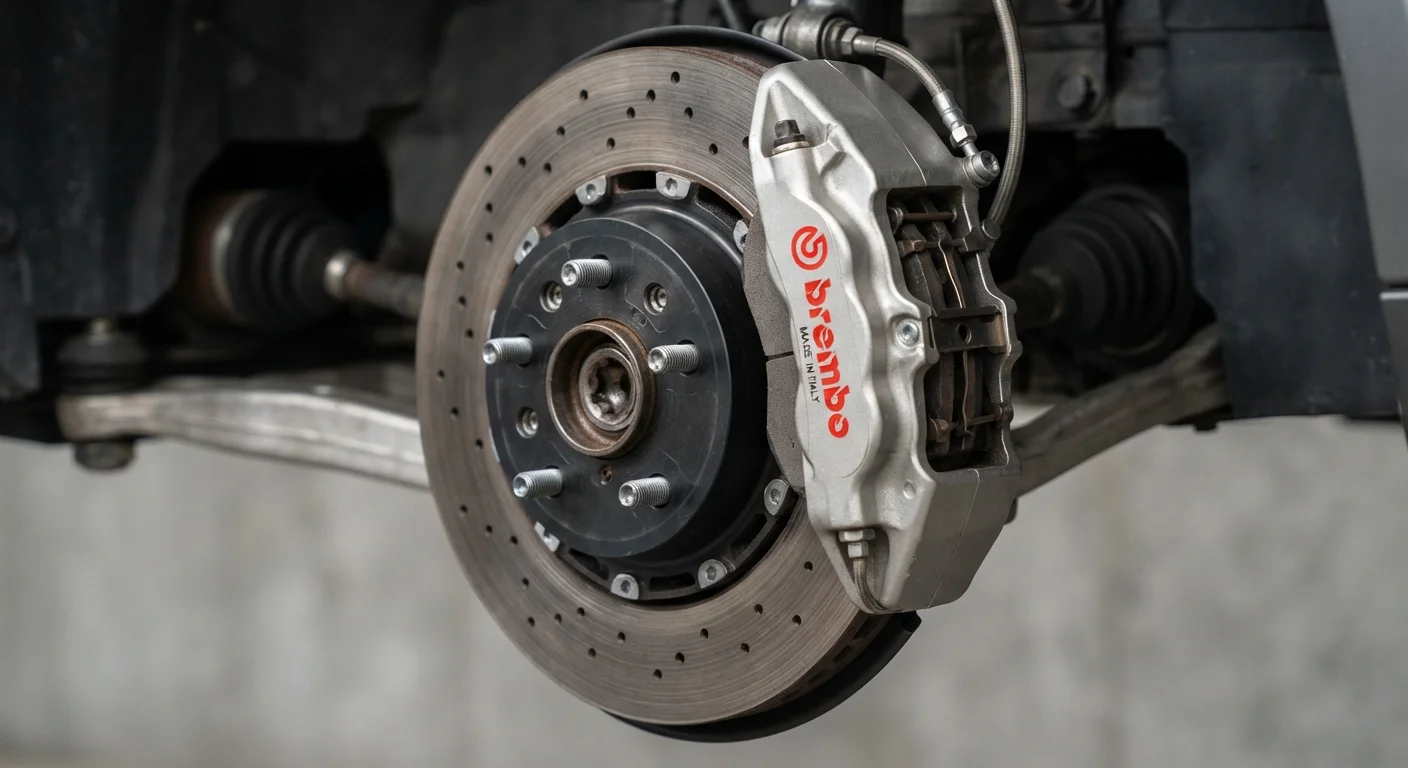
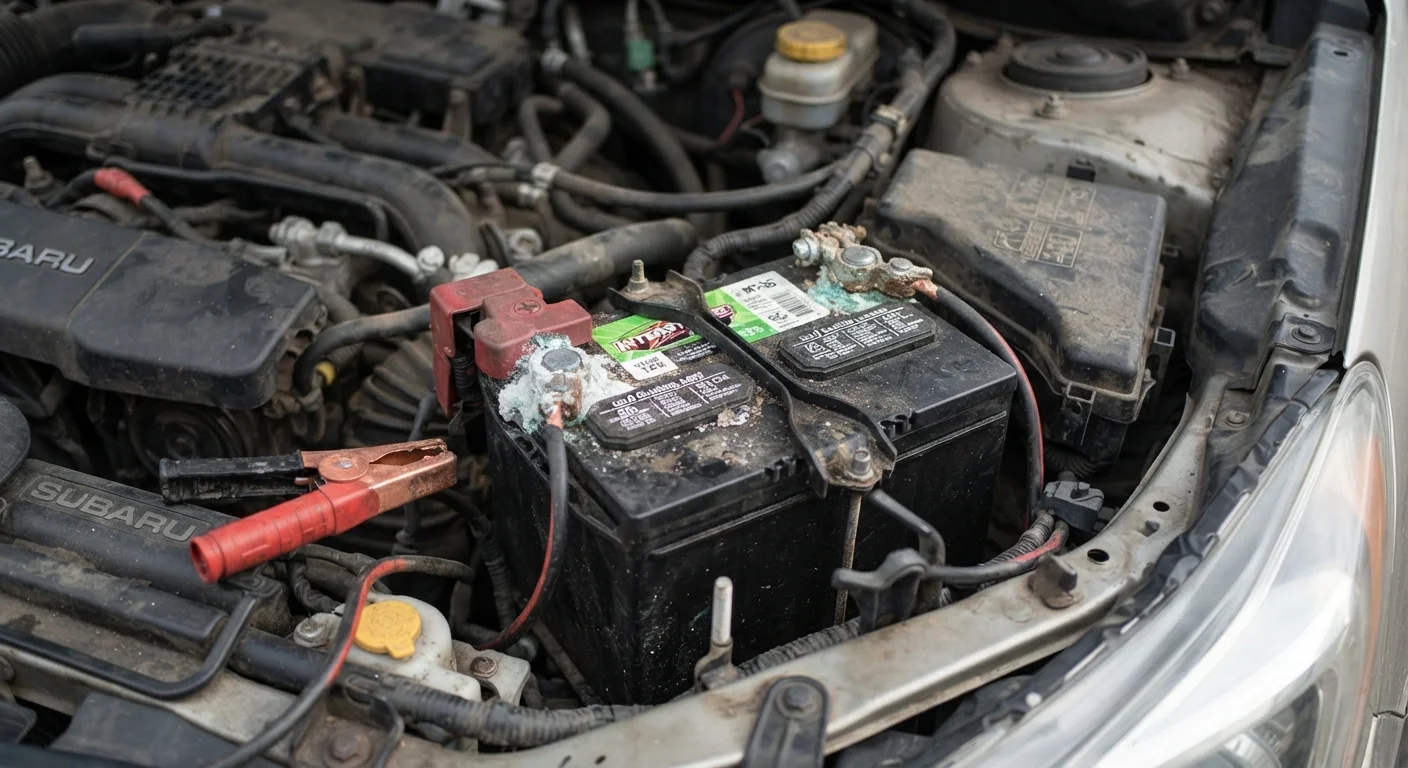
Safe driving habits extend beyond behavior behind the wheel. Worn brake pads, underinflated tires, cracked wiper blades, and burned-out lights all degrade your ability to respond effectively - sometimes before you're aware the problem exists. Regular maintenance checks, particularly before seasonal weather shifts, are part of the safety equation.
Pay particular attention to your braking system - if you notice vibration, increased stopping distance, or squealing, those are signals worth acting on promptly. See brake maintenance basics for what to know even if you're not mechanically inclined.
Worn brakes and underinflated tires degrade your ability to respond - often before you notice.
Adjust your driving for conditions - not just the speed limit
The posted speed limit reflects safe travel under normal conditions. In rain, snow, fog, or heavy traffic, that number is no longer a reliable target. Reducing speed, increasing following distance, and using headlights appropriately in reduced visibility are adjustments that matter regardless of what the sign says.
Conditions also affect lane choice, braking timing, and how you navigate intersections. Adapting your technique for rain, snow, and fog covers the key adjustments for each major weather type in detail.
The speed limit applies to ideal conditions - when conditions change, your speed should too.
Before You Drive: A 30-Second Reset
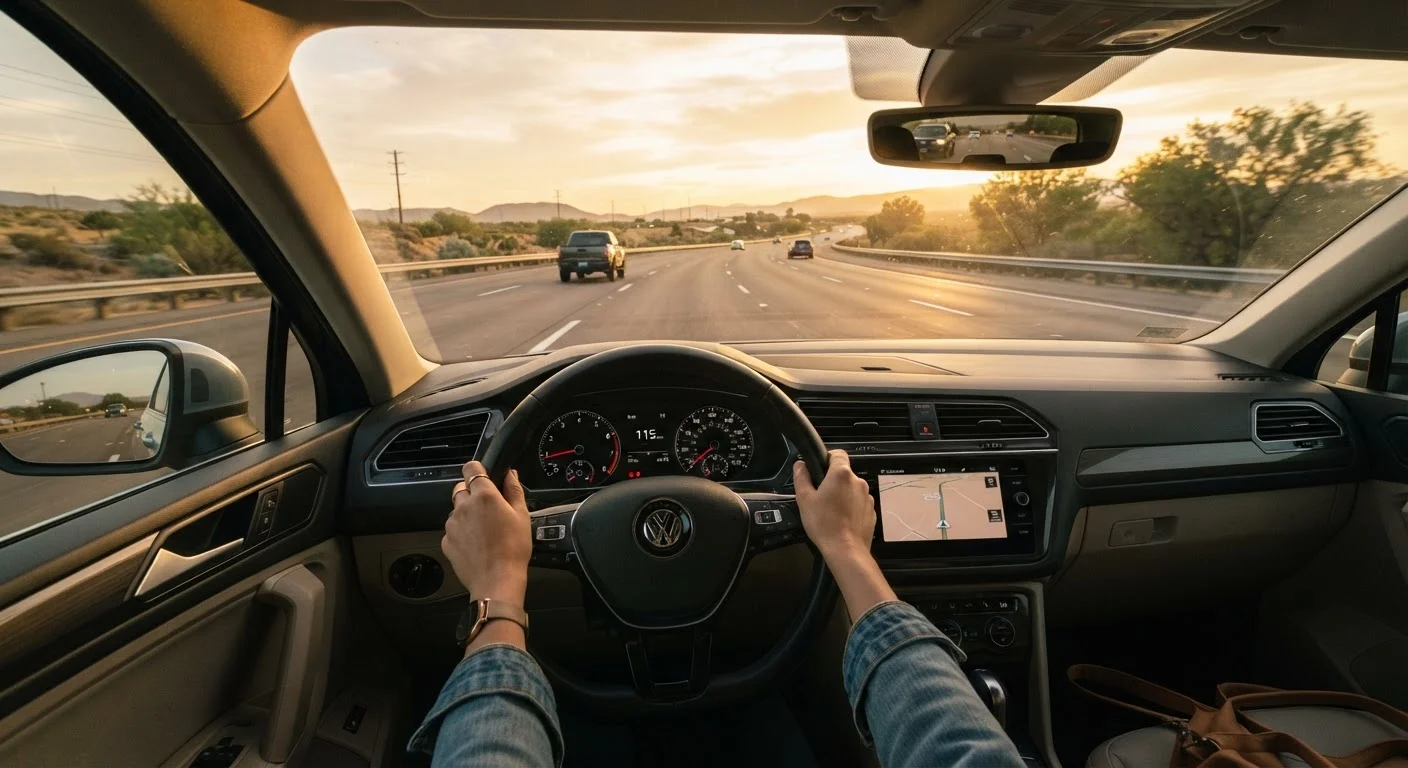
Before pulling out, take a moment to adjust mirrors, confirm your seat position gives you full pedal reach and a clear sightline, and check that your phone is stowed or mounted - not in hand. These small pre-drive checks take less than a minute and remove several common distraction and visibility variables before they can become problems on the road.
Building Habits That Hold Under Pressure
The point of rehearsing these habits in everyday, low-stakes driving is that they become reflexive when conditions deteriorate. A driver who consistently scans intersections on familiar streets will still scan them at an unfamiliar intersection in rain at night. That transfer of habit is the whole goal.
Road safety also doesn't exist in isolation. Understanding right-of-way law - not just in broad strokes, but in specific situations like roundabouts and merges - reinforces the behavioral habits described here. See right-of-way rules drivers consistently get wrong and why roundabouts still confuse many American drivers for more on the legal and practical side of sharing the road.