Why Weather Changes the Physics of Driving
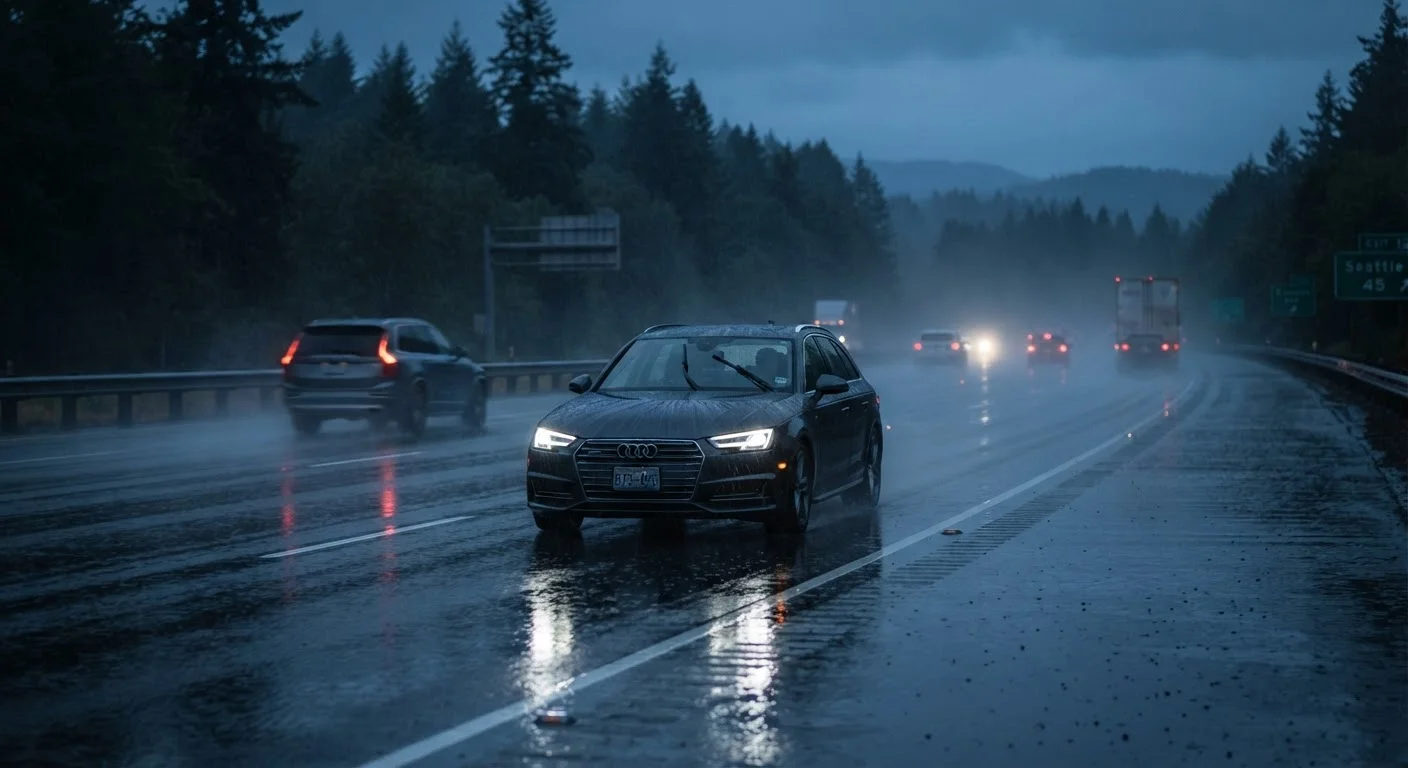
Rain, snow, and fog do not simply make roads inconvenient - they alter the fundamental physics your vehicle relies on. Water reduces the coefficient of friction between your tires and the pavement, slowing how quickly your car can accelerate, steer, or stop. Ice reduces that friction to a fraction of what dry asphalt provides. Fog removes the visual cues you rely on to judge speed, distance, and your position relative to lane markings and other vehicles.
According to the U.S. Department of Transportation, weather-related crashes account for a significant share of annual traffic fatalities, with wet pavement and rain being the most common contributing conditions. Understanding why these hazards behave differently - and that they each require distinct responses - is the starting point for safer driving in any adverse condition.
Poor weather also compounds other driving risks. The visibility challenges of fog share traits with night driving hazards, and the dynamic risk profile shifts depending on whether you are navigating a highway or a city street. Adjusting your technique starts with recognizing that no single approach covers every scenario.
Prepare Your Vehicle Before the Season Changes
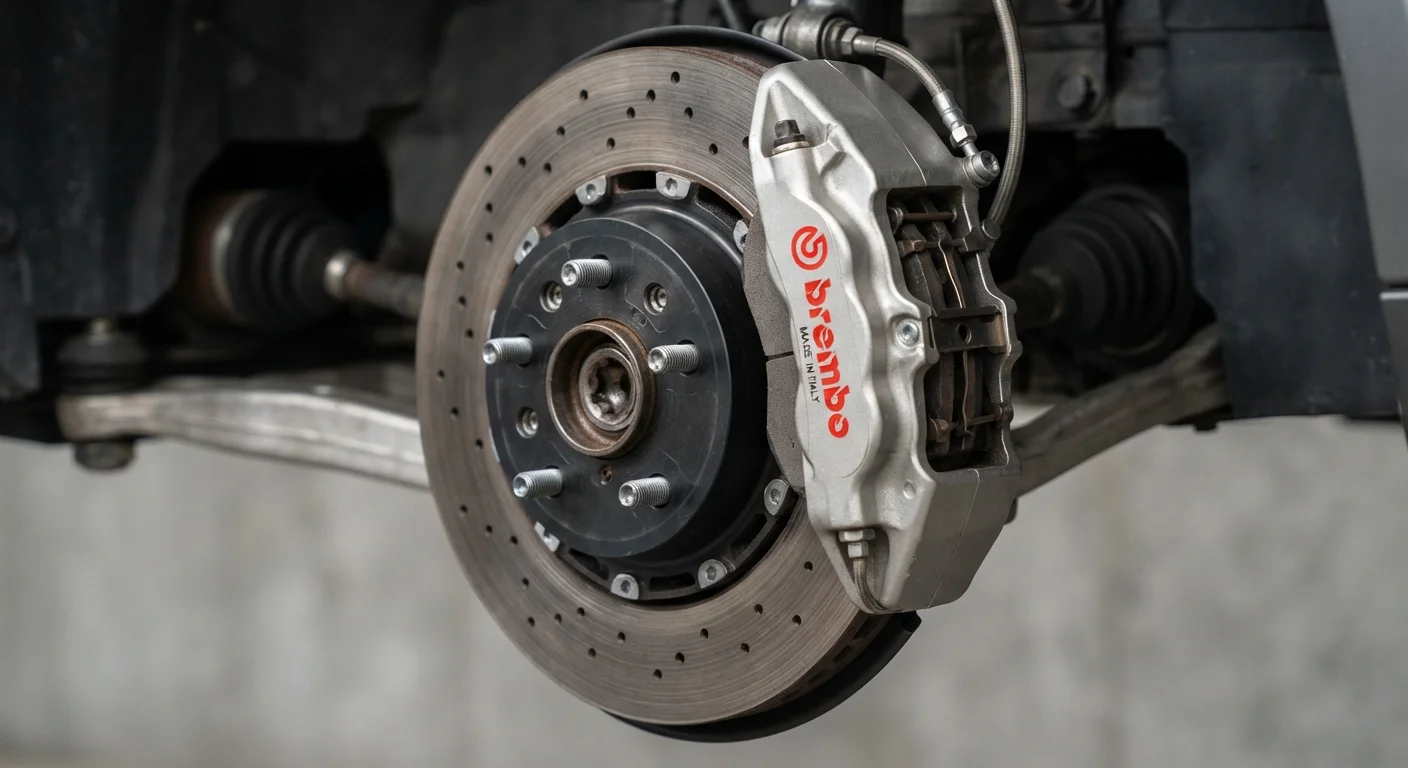
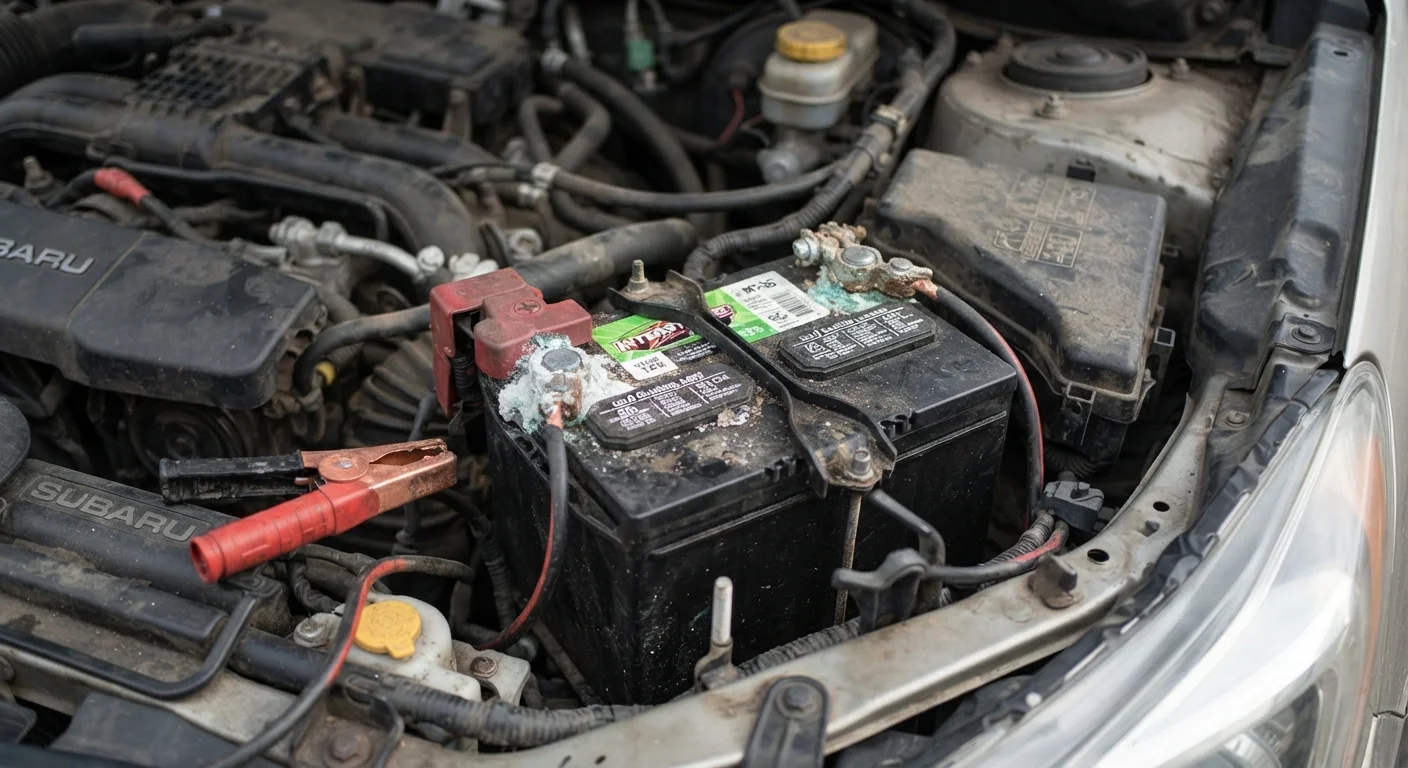
Many weather-related close calls stem from under-maintained vehicles, not just driver error. Check your tires, wiper blades, brakes, and defroster before winter or heavy rain season sets in. Our seasonal car maintenance checklist walks you through exactly what to inspect.
What to Know Before You Follow the Steps
The steps below cover the core adjustments that apply across rain, snow, and fog conditions. Some actions - like light selection and speed adjustment - differ slightly by weather type; those distinctions are explained within each relevant step. Before you start, review the prerequisites below and have your vehicle checked if any of the following are in doubt.
What you will need
Properly Inflated All-Season or Winter Tires
Adequate tread depth and correct inflation are the foundation of traction in wet, snowy, or icy conditions.
Working Windshield Wipers and Washer Fluid
Clear wiper blades and full washer fluid reservoir maintain visibility in rain and road spray.
Fog Lights (Front and Rear)
Dedicated fog lights improve road illumination and visibility to others in dense fog without creating blinding glare.
Ice Scraper and Snow Brush
Removing snow and ice from all windows, mirrors, and lights before driving is required in most states and critical for full visibility.
Posted Speed Limits Assume Ideal Conditions
Speed limit signs reflect the maximum legal speed under normal, dry conditions - not a safe target speed during rain, snow, or fog. Driving at the posted limit in poor weather can be legally considered reckless depending on your state. Always reduce speed to what is safe and reasonable for actual conditions. See our guide on speed limits and what they legally require for a full breakdown.
Step-by-Step: Adapting Your Driving in Adverse Weather
Assess conditions before you leave
Before turning the key, check current and forecast conditions for your entire route - not just your starting point. Apps, local radio, and state DOT traffic sites provide real-time road condition alerts. If black ice, dense fog, or blizzard conditions are reported, weigh whether the trip is necessary. Many weather-related crashes occur because drivers underestimate how quickly conditions can deteriorate en route.
Clear your vehicle completely
Remove all snow, ice, and condensation from every window, mirror, the roof, hood, and all lights. Snow on your roof slides onto your windshield during braking and can fly onto vehicles behind you - a hazard that is explicitly illegal in several states. Run your front and rear defrosters until all fogging is fully cleared before moving.
Adjust your speed for the actual surface
On wet roads, reduce speed by at least 5-10 mph below the posted limit and double your normal following distance to a minimum of four seconds. On snow-packed or icy roads, the Federal Highway Administration notes that stopping distances can increase by up to ten times compared to dry pavement. In these conditions, 25-35 mph may be more appropriate than any posted limit. In fog, match your speed to your visible stopping distance - if you can only see 200 feet ahead, you must be able to stop within 200 feet.
Set your lights correctly for each condition
In rain: turn on low-beam headlights any time your wipers are running - this is the law in many states and increases your visibility to other drivers. In fog: use low beams and fog lights only. High beams scatter light back into your eyes off water droplets, reducing visibility further. In snow: low beams are again preferred; high beams reflect off falling flakes. Avoid hazard lights while moving on most U.S. highways unless you are a stationary hazard - check your state's rules, as laws vary.
Apply smooth, deliberate vehicle inputs
Sudden steering, hard braking, and sharp acceleration all break traction on slippery surfaces. Accelerate and decelerate gradually. Brake well in advance of intersections, turns, and stopped traffic. If your vehicle has ABS (antilock braking system), apply firm, steady pressure and let the system do its job - do not pump the brakes. In a rear-wheel skid, ease off the gas and steer gently in the direction you want the front of the car to go. Front-wheel skids require taking your foot off the accelerator and allowing the tires to regain grip before steering.
Increase following distance and eliminate distractions
Weather already demands more of your attention and reaction time. Eliminate every additional cognitive load: put away your phone, lower the radio, and reduce conversation if conditions are demanding. Maintain a following distance of at least four seconds in rain, six or more in snow, and as much as possible in fog. Being a deliberate, habit-driven driver pays its greatest dividends when conditions are worst.
Never Use Cruise Control on Wet or Icy Roads
Cruise control can cause you to lose control if your tires hydroplane or lose traction, because the system may accelerate to maintain speed rather than allowing the driver to react. Always disengage cruise control whenever precipitation or reduced traction is possible. This applies even in light rain.
After the Drive: Maintaining Good Habits
Adverse-weather driving takes more out of you and your vehicle than a clear-day commute. After arriving, note any handling differences you noticed - unusual pulling, longer braking distances, or warning lights - and have them checked before your next trip. Tire tread wear accelerates in winter conditions, and brake pads that are marginal on dry roads may feel completely inadequate in snow.
Longer-term, build the habit of checking forecasts before any trip rather than after you are already on the road. Revisiting your overall defensive driving habits periodically ensures that weather-specific techniques stay sharp rather than fading between seasons.
This article provides general driver education and is not a substitute for formal driver training or guidance from certified driving instructors. Road conditions and applicable laws vary by state and locality; always comply with posted signs and local regulations.