What Actually Makes a Piece 'Timeless'?
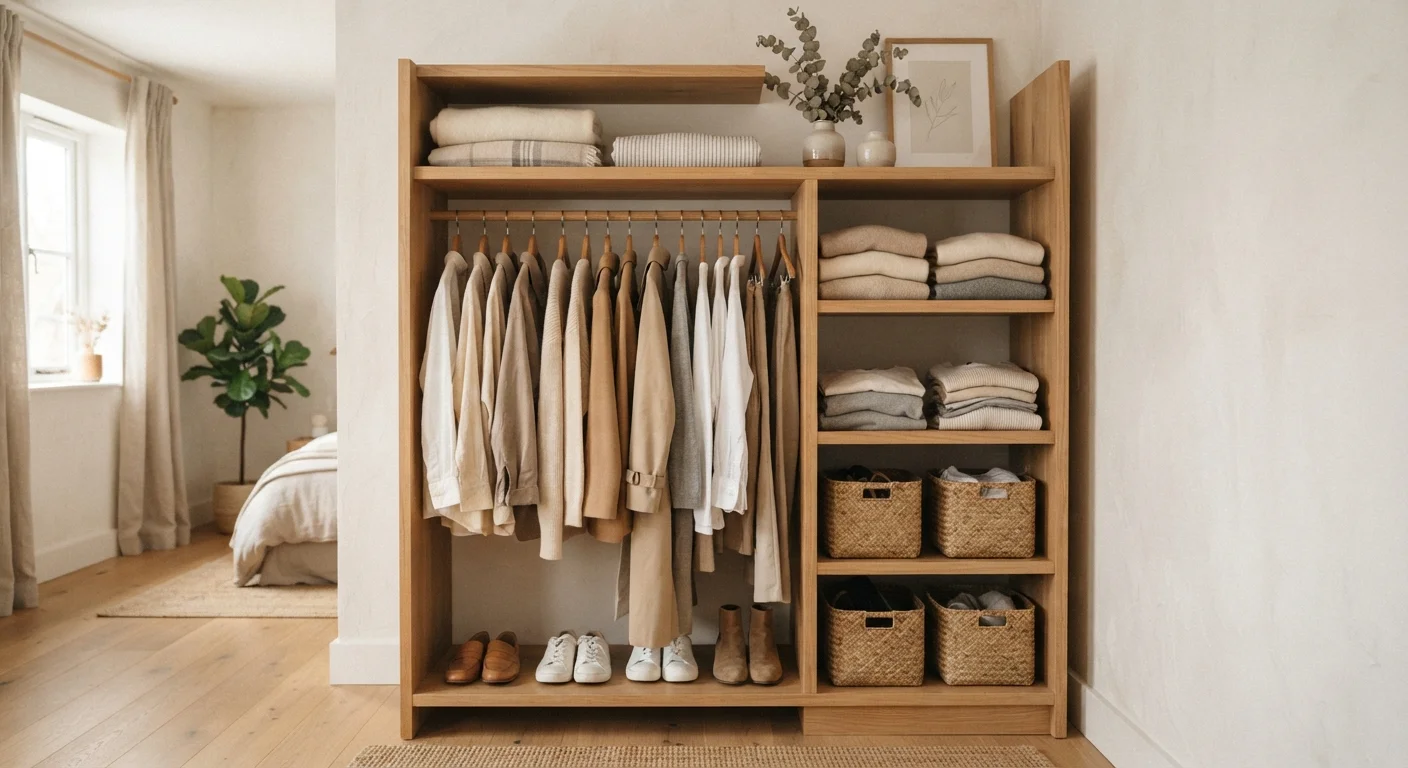
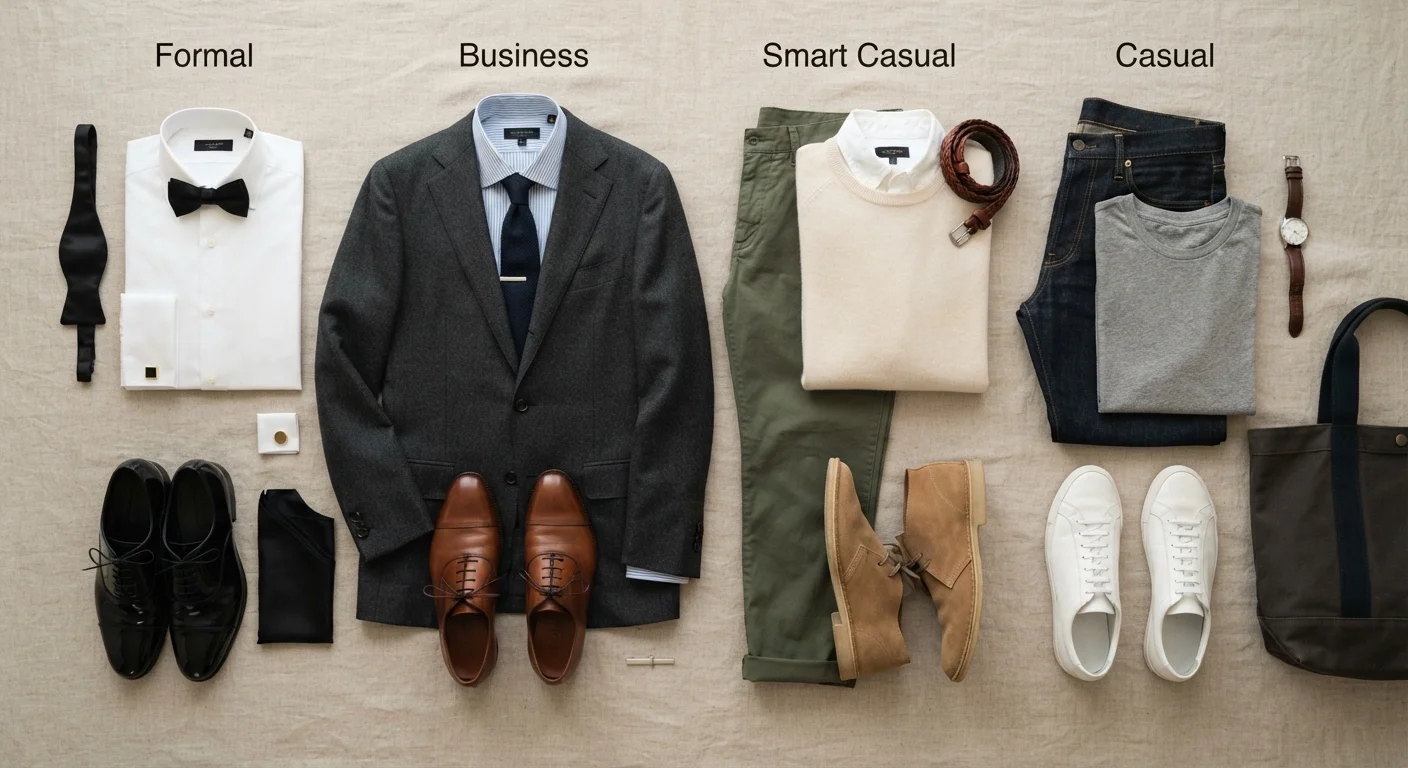
The word timeless gets tossed around a lot in fashion, but it has a fairly specific meaning: a piece that remains wearable, appropriate, and visually appealing across multiple seasons without reading as obviously dated. Think well-cut trousers in a neutral color, a structured blazer, a classic white button-down, or a simple crewneck sweater in a solid hue.
Two factors reliably signal genuine timelessness: cut and fabric. A silhouette that flatters without being exaggeratedly proportioned tends to age gracefully. And quality materials — wool, cotton, linen, leather — hold their shape and appearance far longer than fast-fashion alternatives. How a fabric behaves and ages is one of the most underrated factors in evaluating whether a piece has lasting power.
Timeless pieces are also defined by their neutrality of context — they don't loudly announce a particular season or cultural moment. That's not a flaw; it's what makes them the backbone of a wardrobe that actually functions day to day.
What 'Trendy' Really Means — And Why That's Not an Insult
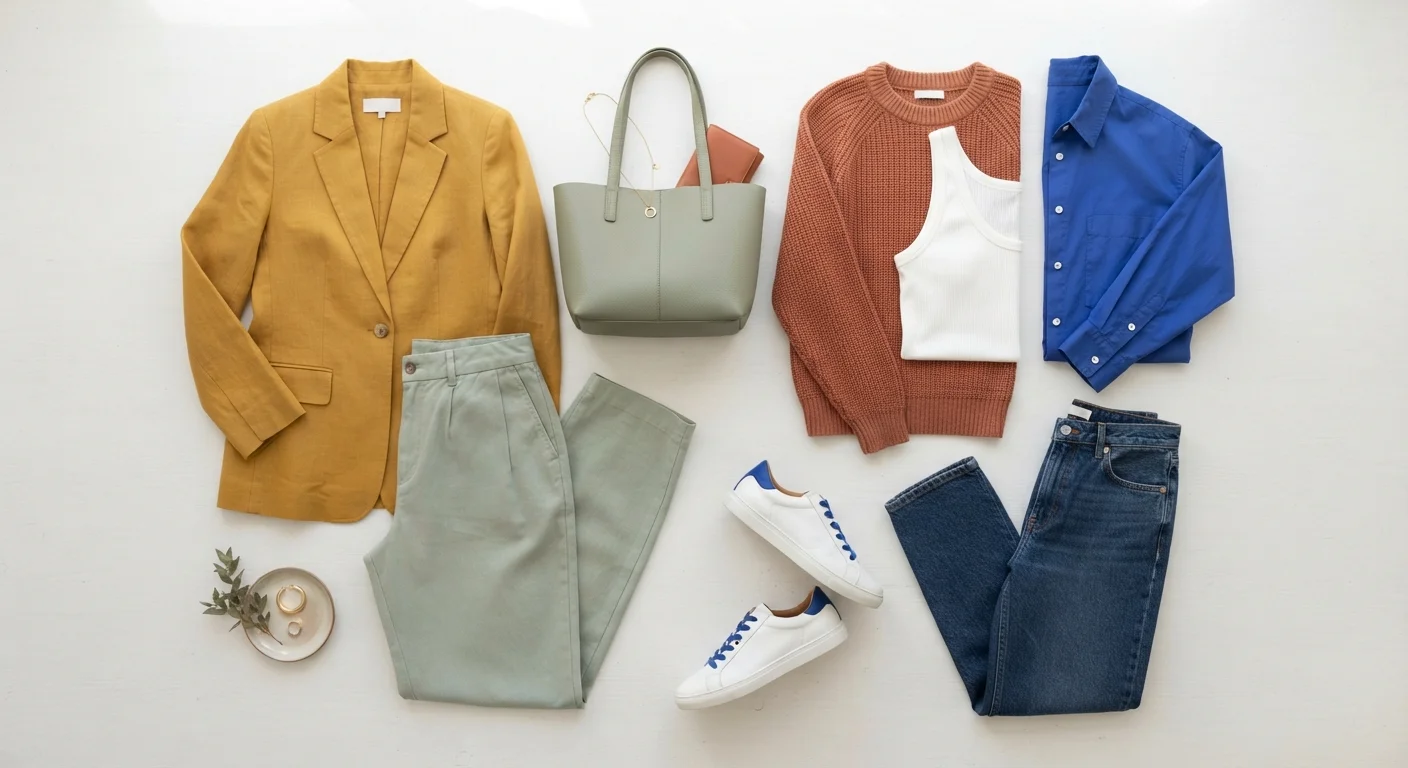
A trendy piece is one that reflects a current moment in fashion — a silhouette, color palette, print, or styling detail that feels of-the-now. Balloon sleeves, wide-leg trousers, color-blocking, and certain shoe shapes have all cycled in and out of trend status over the decades.
Here's the thing: trends aren't inherently frivolous. Fashion is a form of cultural expression, and trends reflect what people are responding to aesthetically right now. Participating in a trend — even briefly — can be genuinely fun and creatively satisfying. Several long-standing style myths suggest that dressing trendily is somehow shallow, but that framing ignores fashion's role as personal expression and creative play.
The real question isn't whether to wear trends — it's how much of your wardrobe to give over to them, and which trends feel like you rather than a costume.
| Criterion | Timeless Pieces | Trendy Pieces |
|---|---|---|
| Lifespan | Multiple seasons to years | One to two seasons typically |
| Cost-per-wear | Lower over time | Higher unless worn frequently |
| Versatility | High — mixes with most pieces | Lower — often outfit-specific |
| Expressive range | Subtle, reliable, understated | Bold, current, personality-driven |
| Investment level | Worth spending more on quality | Spending less is often smarter |
| Risk of looking dated | Very low | Higher as trends cycle out |
| Role in wardrobe | Foundation and anchor | Accent and refresh |
How to Balance Both Without Starting Over Every Season
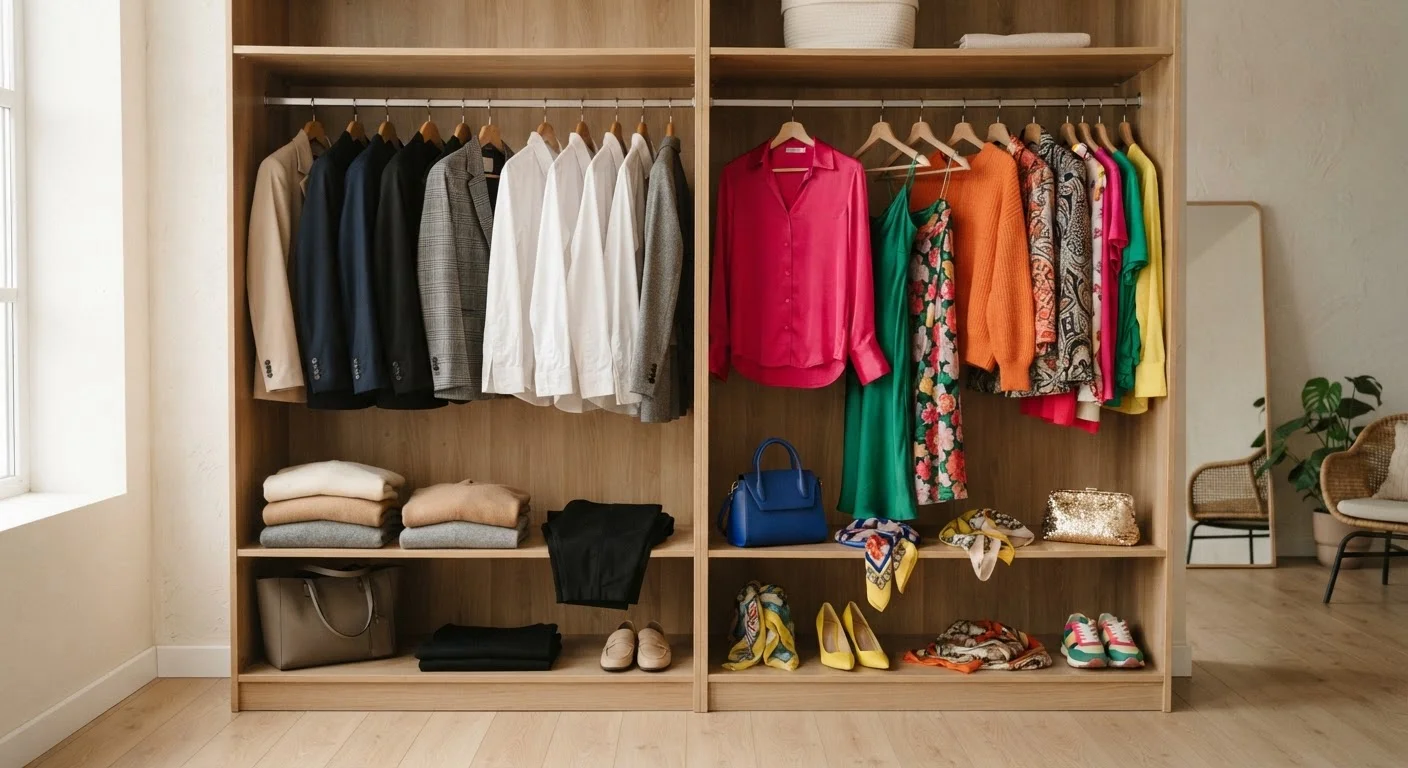
A practical framework that works for many people: think of your wardrobe in rough proportions. A foundation of about 80% classics gives you reliable, mix-and-match versatility. The remaining 20% is where trends can live — and where you have full creative permission to experiment.
That 20% doesn't need to be expensive. In fact, it probably shouldn't be. Trendy pieces have a shorter useful lifespan by definition, so spending less on them often makes practical sense. Accessories are a particularly smart entry point: a bold bag, a statement earring, or a trending shoe style can update an otherwise classic outfit without requiring you to overhaul anything. Accessories play a powerful role in shifting an outfit's entire tone with minimal investment.
If you're starting from scratch, classics come first. Building a wardrobe from the ground up works best when you establish a versatile base before adding trend-driven pieces on top. And if you already have a wardrobe and aren't sure what you're working with, a structured wardrobe audit can help you identify where the gaps and redundancies actually are.
80/20
Suggested classics-to-trends wardrobe ratio
Many wardrobe stylists and fashion educators suggest this proportion as a starting framework for building a functional, expressive closet.
30+
Average wears for a 'cost-effective' garment
The 30-wears benchmark — wear an item at least 30 times before discarding — is widely cited in sustainable fashion circles as a practical guide to mindful purchasing.
When a 'Trend' Becomes a Classic — And Vice Versa
The line between timeless and trendy is genuinely blurry, and it shifts over time. Wide-leg trousers were a 1970s trend, largely disappeared, and returned so consistently that many stylists now consider them a wardrobe staple. Skinny jeans, meanwhile, spent over a decade as a near-universal classic before fading sharply in favor.
This is why rigid rules about what belongs in a wardrobe rarely hold up. Instead, consider asking: Does this piece reflect my actual life and preferences, or am I buying it purely because it's everywhere right now? Pieces you're genuinely drawn to — regardless of their trend status — tend to get worn more and justify their place in your closet more easily.
Understanding how neutral colors work is one concrete way to extend the life of both classic and trendy pieces — neutrals tend to keep almost anything looking intentional and cohesive. And if you want to push further into expressive territory, pattern mixing is a skill that makes even bold trend pieces feel like deliberate style choices rather than accidents.
This article is for general informational and educational purposes only. Individual style preferences, budgets, and needs vary widely — treat any frameworks here as starting points, not prescriptions.