Why Fashion Myths Are So Stubborn
Fashion advice travels fast and sticks hard. A tip passed down from a grandmother, repeated in a magazine, and echoed by a well-meaning friend can calcify into perceived gospel over decades. The problem is that many of these rules were never grounded in anything more solid than the taste preferences of a particular era — or a particular demographic.
Understanding which style guidelines have genuine merit (and which are pure mythology) lets you get dressed with confidence rather than anxiety. We've rounded up some of the most persistent fashion myths still floating around and set the record straight. And if you enjoy busting myths, our skincare and makeup myth roundup covers the beauty side of the equation just as thoroughly.
Myth
You should never wear black and navy together — they clash horribly.
Fact
Black and navy is a sophisticated, intentional combination used regularly in contemporary style.
This rule likely originated when artificial lighting was less reliable and color-matching errors were easier to make. Today, pairing black and navy reads as a deliberately tonal, high-fashion choice. The key is making the combination look intentional: try different textures (a matte black trouser with a navy knit, for example) so it's clear you're mixing on purpose rather than by accident.
Myth
After a certain age, you should dress more 'age-appropriately' — meaning conservatively.
Fact
There is no universal style rulebook tied to age. Dressing well is about fit, proportion, and personal expression at any stage of life.
The idea that adults past a certain age should retreat into muted colors or longer hemlines reflects cultural convention, not any objective standard. Style authorities and everyday people alike continue to wear bold prints, interesting silhouettes, and statement pieces well into their 60s, 70s, and beyond. What actually matters — at any age — is that clothing fits well and reflects who you are. Our guide on body-shape dressing advice explores how fit and proportion apply regardless of age.
Myth
You must never mix patterns — stripes with florals, plaid with paisley, it's all off-limits.
Fact
Pattern mixing works beautifully when you follow a few underlying principles around scale, color, and contrast.
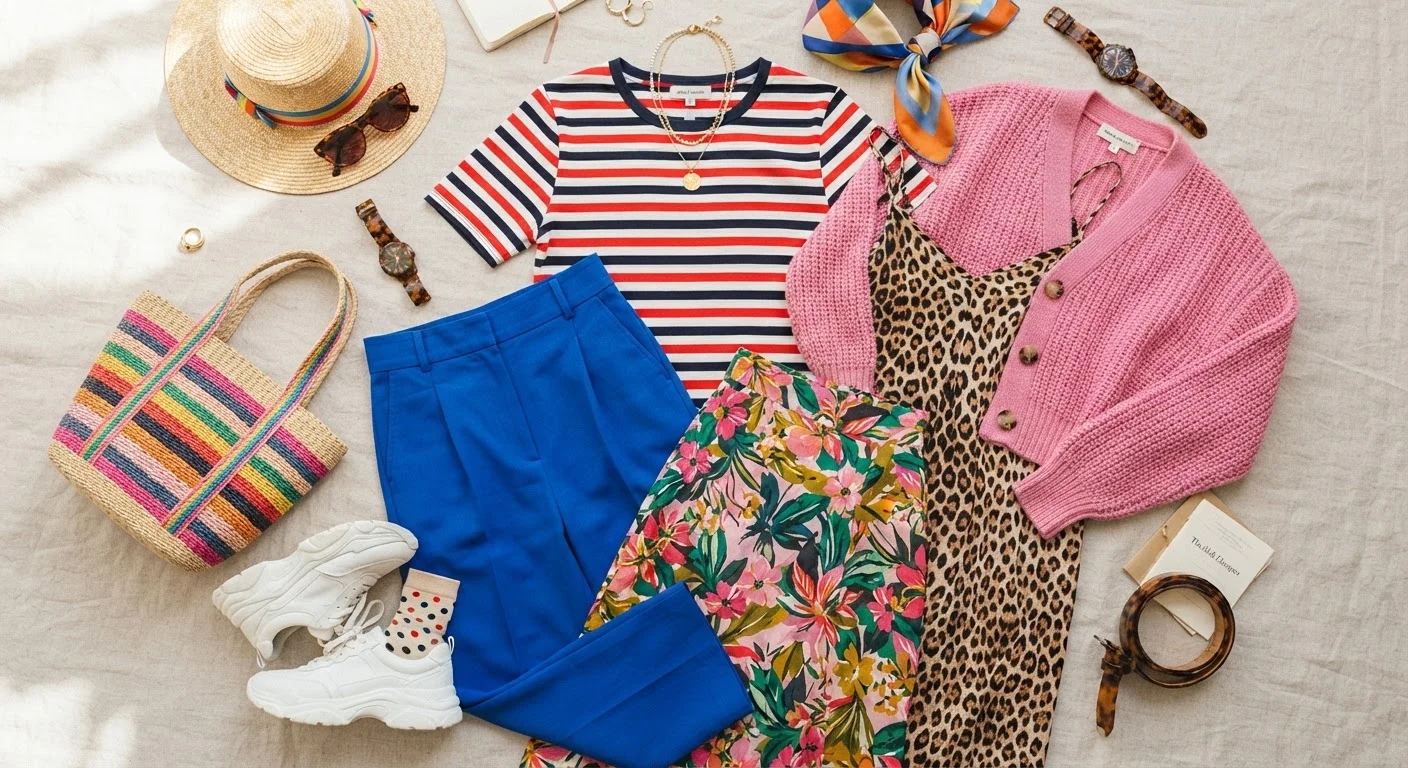
The blanket ban on pattern mixing ignores the structure that makes it successful. When two patterns share a common color, differ noticeably in scale, or play with complementary levels of contrast, the combination tends to look considered rather than chaotic. A fine-stripe shirt under a large-check blazer in shared tones is a great example. For a full breakdown of how to do this confidently, our piece on pattern mixing logic walks through exactly how it works.
Myth
Wearing all black is boring or shows a lack of creativity.
Fact
A monochromatic black outfit is a well-established styling technique that communicates intentionality and polish.
An all-black look is anything but lazy — it's a foundation used by designers, stylists, and discerning dressers around the world precisely because it shifts attention to silhouette, texture, and proportion. Mixing a matte fabric with a sheen, or pairing structured and fluid pieces, creates visual interest without relying on color contrast. The result can be among the most refined outfits in anyone's rotation.
Myth
Formal dress codes are self-explanatory — everyone knows what 'business casual' or 'cocktail attire' means.
Fact
Dress code terminology is notoriously inconsistent and means different things across industries, regions, and generations.
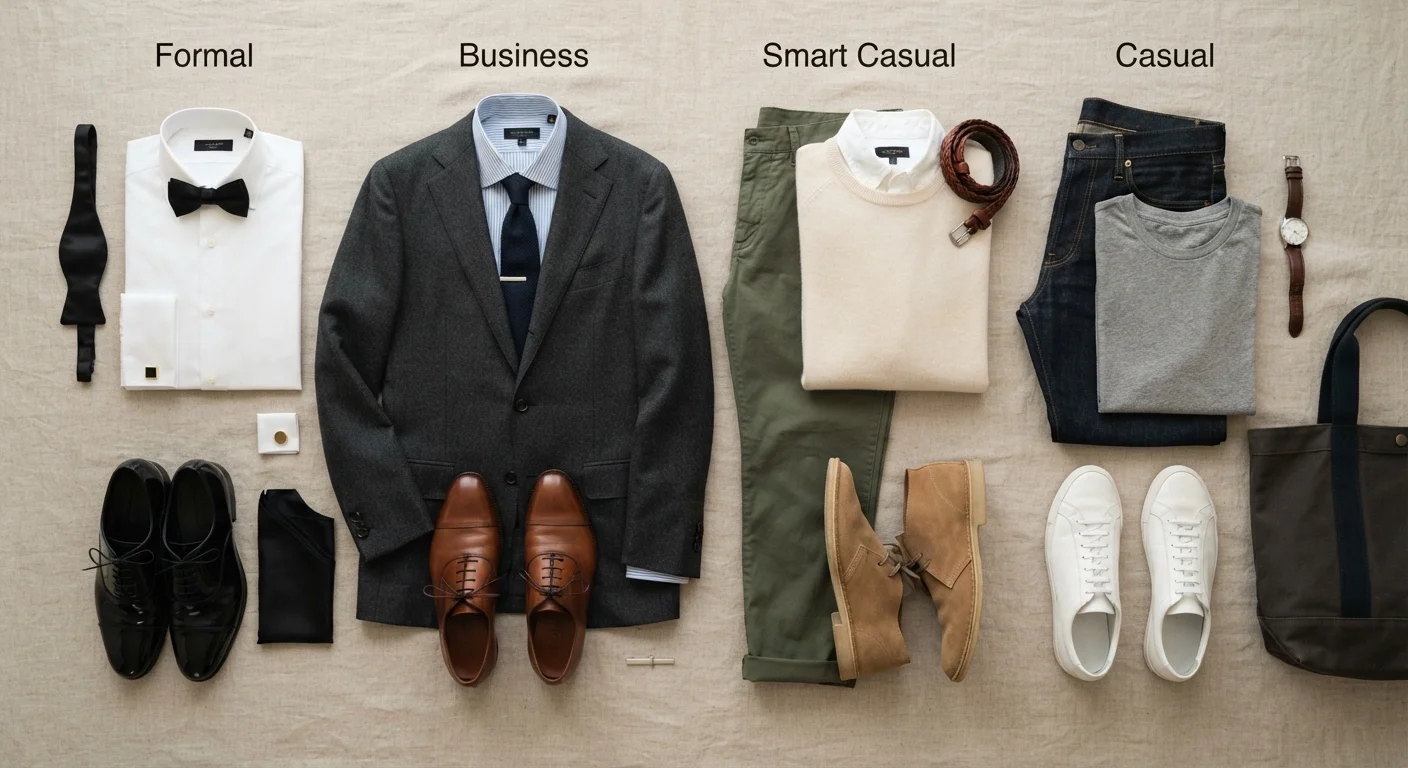
Survey a room of people at a 'business casual' event and you'll likely find everything from dark jeans to full suits. These terms are shorthand with no standardized definitions, and interpreting them incorrectly can lead to genuine social discomfort in either direction — overdressed or underdressed. Our dress codes decoded guide breaks down what each major code actually calls for, so you can walk into any occasion with clarity.
Myth
Investing in 'classic' pieces means buying expensive, neutral basics that never go out of style.
Fact
Timeless style is about proportional balance and personal coherence, not a specific price point or color palette.
The notion that classic dressing requires a heavy investment in beige or grey neutrals conflates price with longevity. A well-cut piece in any color can read as timeless if it fits beautifully and suits your aesthetic. Meanwhile, poorly fitted or low-quality items in 'classic' colors still look dated quickly. The real investment is in understanding proportion and fit — skills that pay off regardless of budget.
What These Myths Have in Common
Notice a pattern? Most of these myths impose a binary — wear this, not that — on a domain that thrives on nuance and personal expression. They also tend to assume a narrow, historically specific definition of who fashion is for and what it should accomplish.
74%
Adults who report feeling judged by their clothing choices
According to a YouGov survey on clothing and social perception, nearly three in four adults say they feel their outfits are evaluated by others — suggesting fashion anxiety is widespread, not unusual.
1 in 3
People who dress differently to conform to perceived rules
Research on self-presentation consistently finds that a significant share of people modify their style choices to comply with rules they cannot fully explain or source.
The better framework is intentionality: do your choices feel deliberate and coherent? That question serves you far better than any rigid rule. For a deeper look at how to balance classic pieces with trend-driven ones without constantly overhauling your wardrobe, see our guide on timeless vs. trendy dressing. And if body-shape advice has ever felt prescriptive or limiting, our balanced breakdown separates the genuinely useful guidance from the oversimplifications.
Watch Out for Rules Framed as Absolute
When style guidance uses words like 'never,' 'always,' or 'everyone knows,' that's a signal worth examining. Absolute rules in fashion almost always have well-dressed exceptions — and understanding why helps you make smarter, more personal choices rather than simply compliant ones.
Style confidence grows when you treat rules as starting points rather than finish lines. Wear what feels like you — and know you have the facts to back that choice up.