Why Starting from Scratch Is Actually an Advantage
Building a wardrobe from zero can feel overwhelming — but it's also a genuinely clean opportunity. Without inherited clutter, ill-fitting hand-me-downs, or impulse purchases from years past, you get to make every decision with intention. That's a position many experienced dressers wish they'd had.
The goal here isn't to fill a closet fast. It's to build a collection where almost everything you own is something you'd actually reach for. For a broader picture of how personal style develops over time, our complete overview of building personal style is a useful companion read.
Know Your Life Before You Shop
The most common wardrobe-building mistake is shopping for an imagined life rather than a real one. Before choosing a single item, sketch out a typical week: How many days are you in an office, working from home, running errands, or socializing? Your wardrobe should reflect those proportions.
Ask yourself a few grounding questions:
- What's your climate like across seasons?
- Do you have a dress code at work or school?
- What activities take up the most hours in your week?
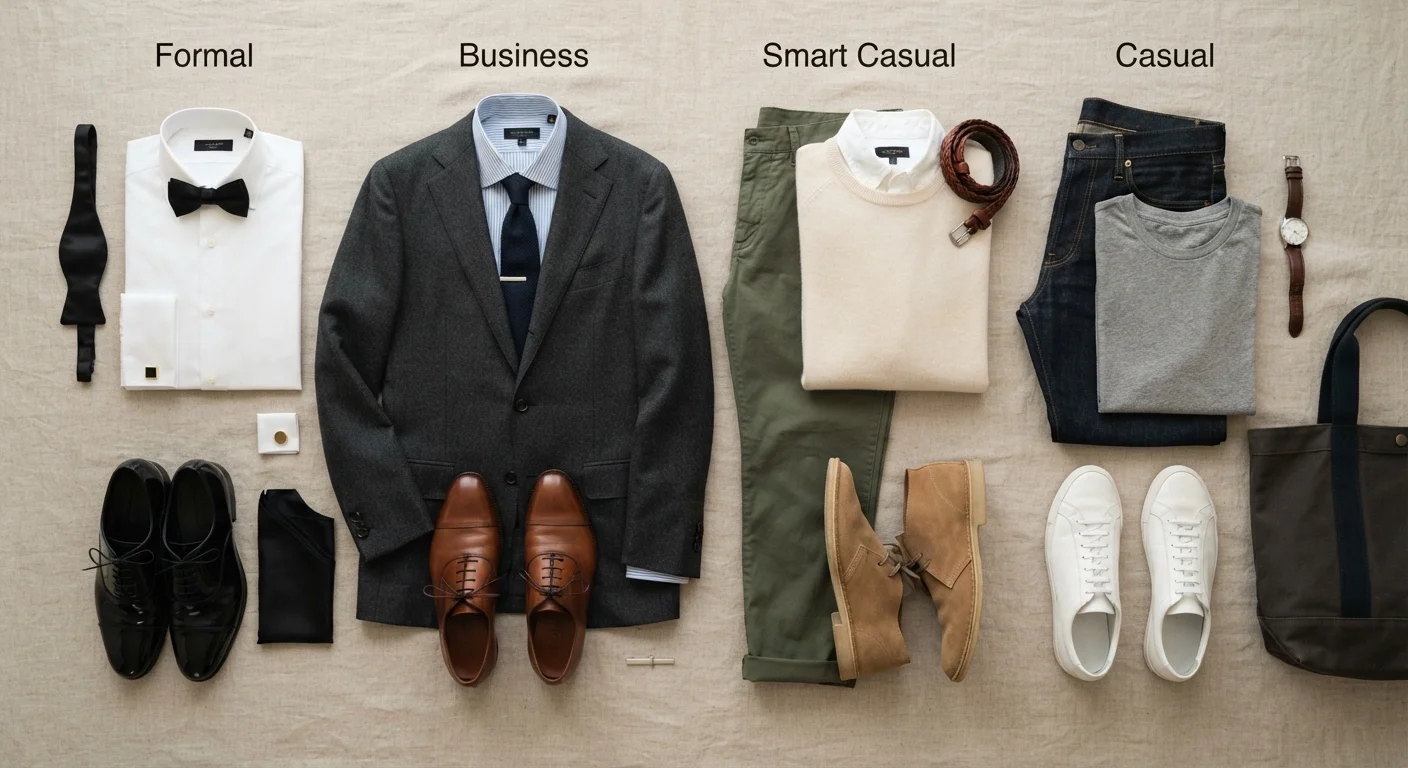
- Do you need to dress for any recurring formal or special occasions?
Your answers create a simple brief that guides every purchase. If 80% of your week is casual, 80% of your wardrobe should serve that. Once you've started accumulating pieces, a wardrobe audit can help you check whether your collection is still matching your real life.
Map Your Week Before Making a List
Try tracking your outfits for one week before buying anything. Note what situations you dressed for, what you wished you had, and what you never reached for. Even a rough sketch of your week's clothing needs reveals patterns that a shopping list alone won't capture.
The Core Categories Every Wardrobe Needs
Most functional wardrobes share the same basic architecture, even if the specific items look very different from person to person. Think in categories rather than individual pieces:
Capsule wardrobe
A small, intentional collection of versatile clothing pieces that all work together, minimizing the total number of items needed to create many outfits.
Wardrobe foundation
The core, everyday items that form the base of your wardrobe — pieces you wear most frequently and that pair with almost everything else you own.
Layering piece
A garment worn over or under other clothing to add warmth, polish, or adaptability — such as a cardigan, denim jacket, or lightweight blazer.
Versatility
How easily a clothing item can be worn in different combinations, contexts, or occasions — a key measure of value when building a wardrobe from scratch.
Neutral colors
Colors like white, black, grey, navy, and beige that coordinate easily with most other colors, making them practical anchors for a starter wardrobe.
- Bottoms: Pants, jeans, skirts, or shorts depending on your lifestyle and climate. Aim for at least two or three that work across multiple contexts.
- Tops: A mix of short-sleeve and long-sleeve options in neutral or versatile colors. Solid colors and simple patterns tend to combine most easily.
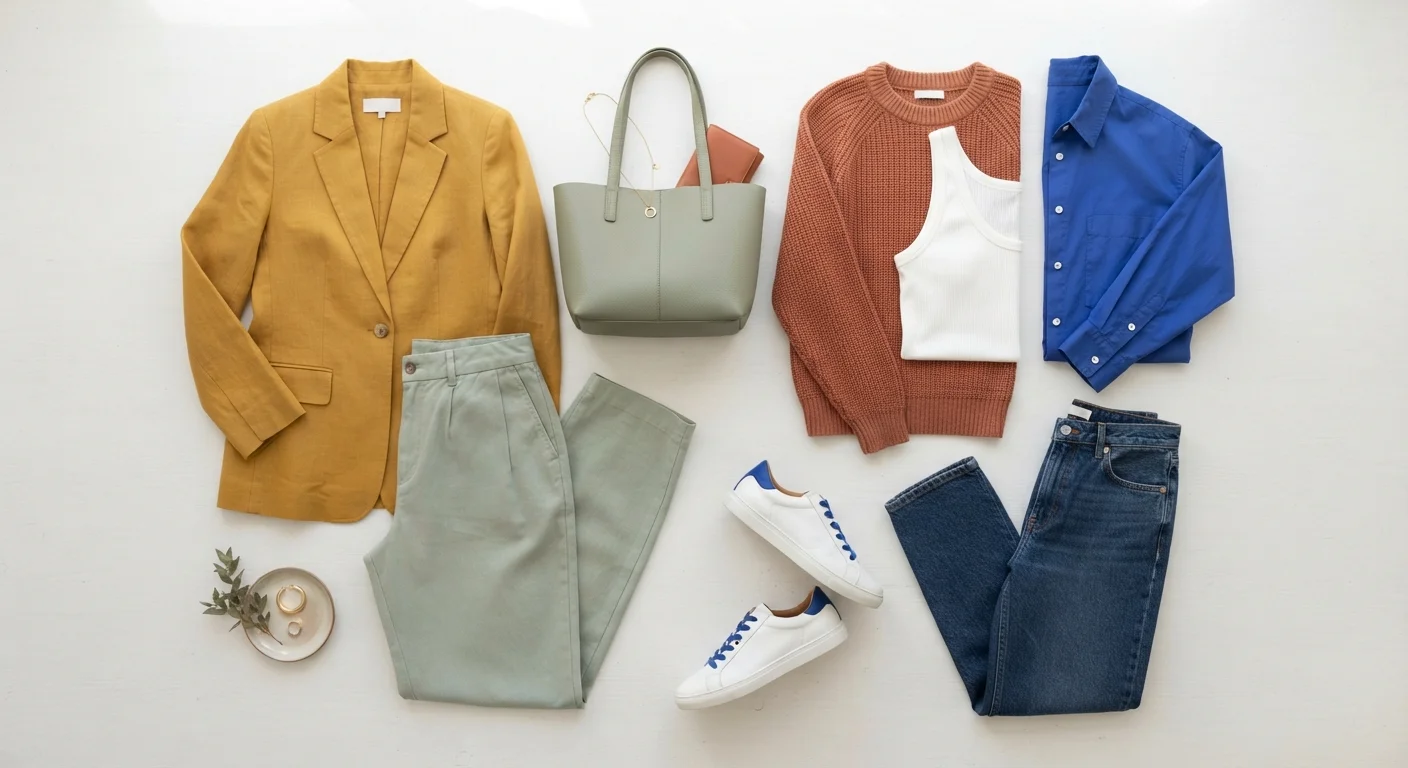
- Layering pieces: A cardigan, light jacket, blazer, or hoodie. These extend the usefulness of almost every outfit and manage climate shifts.
- Footwear: At minimum, one casual everyday pair and one slightly more polished option. These two can cover the vast majority of situations.
- Outerwear: At least one weather-appropriate coat or jacket for your climate.
- Basics and undergarments: Often overlooked but foundational — these are items you wear every day without thinking about them.
Fabric choices within these categories matter more than most beginners expect. How different materials behave and age directly affects how long your wardrobe stays presentable.
What to Build First (and What to Wait On)
Sequencing is one of the most underrated parts of wardrobe-building. Rather than trying to address everything at once, work in layers:
- Phase 1 — Daily foundation: The items you'll wear most often. Focus here first. These are your everyday tops, bottoms, and the shoes you reach for automatically.
- Phase 2 — Context coverage: Once your daily needs are met, fill in gaps for your next most common situations — a work context, a workout context, or social outings.
- Phase 3 — Occasion and personality: Statement pieces, trend-adjacent items, and occasion-specific clothes come last, when you have a clear base to build from.
Resist the urge to buy everything at once. A few well-chosen pieces that you actually wear daily are worth more than a full closet of items that don't quite fit your life. If budget is a consideration, first-time budget shopping strategies can help you approach each phase more intentionally. For broader spending context, budgeting basics offers practical frameworks to plan purchases without overextending.
Fit, Fabric, and Longevity
Two factors quietly determine whether your wardrobe feels good over time: how clothes fit and what they're made of. Both are worth understanding early.
Fit is the single biggest factor in how polished an outfit looks, regardless of price point. A well-fitting garment in a modest fabric will often look better than an expensive one that doesn't suit your proportions. Many fit issues are fixable — basic tailoring can transform how a piece wears without a significant investment.
Fabric affects drape, breathability, durability, and how a garment ages. Natural fibers like cotton, linen, and wool tend to breathe well and wear gracefully over time, while certain synthetics may pill or lose shape more quickly. Neither is universally better — context matters.
As your wardrobe grows, returning to these two factors will help you make smarter decisions about what's worth keeping, what needs adjusting, and what to prioritize next. Building a wardrobe is an ongoing process, not a one-time project — and that's a good thing.
Don't Let Perfect Be the Enemy of Functional
It's tempting to hold out for the ideal piece in the perfect color at exactly the right price — but a wardrobe you can't actually use yet doesn't serve you. Practical, good-enough choices that meet your daily needs are a stronger foundation than a half-built collection of aspirational items.