Know Your Numbers Before You Shop
Budget shopping isn't about buying the cheapest thing in the aisle. It starts much earlier - before you leave the house. If you don't know how much you have available to spend, no shopping strategy will protect you from overspending.
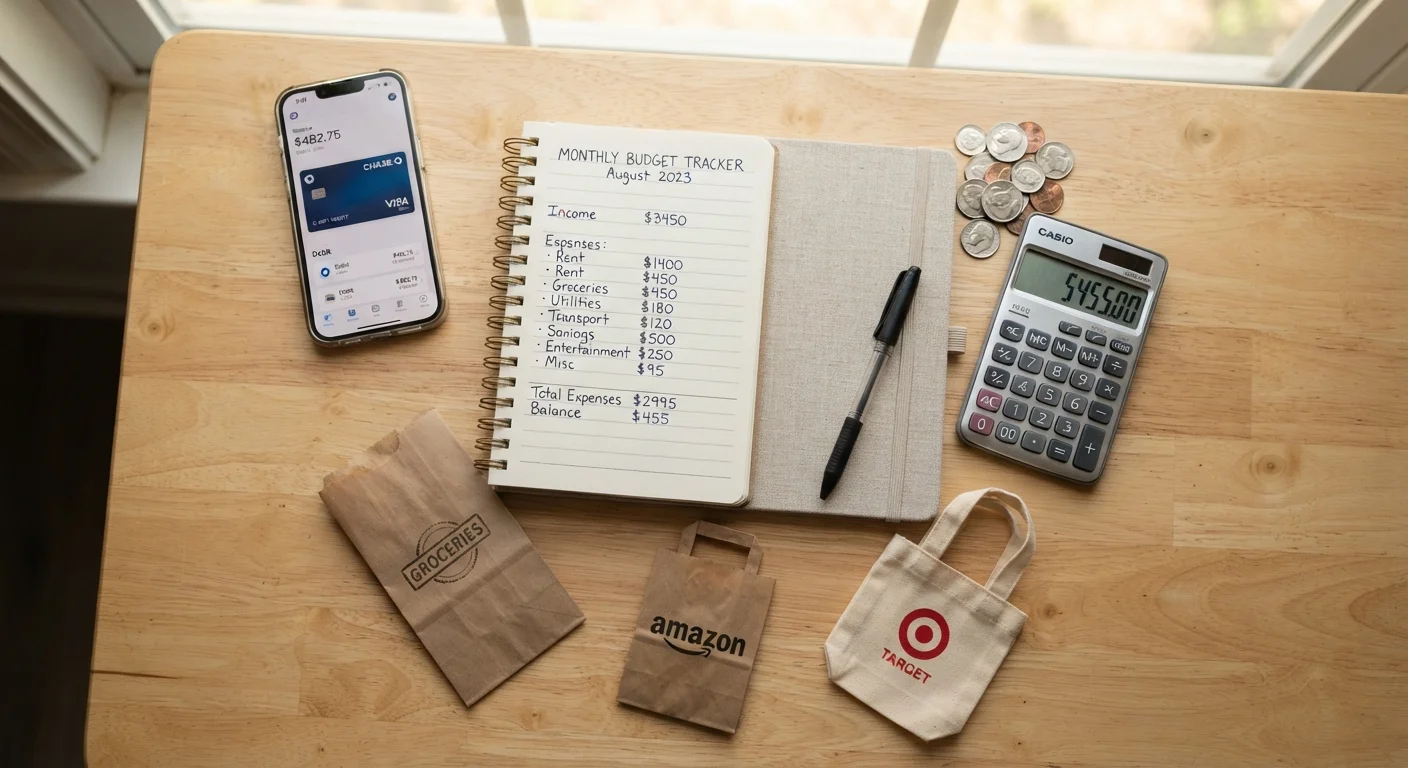
The first step is identifying your discretionary income: the money remaining after fixed expenses like rent, utilities, and insurance are covered. If you've never worked through this calculation, a structured first-budget walkthrough can help you map it out from scratch. If your margins are especially tight, the guidance on budgeting paycheck to paycheck addresses that specific pressure.
Once you have a realistic number, assign it to spending categories before shopping - groceries, clothing, household, and so on. A category cap is more actionable than a vague intention to "spend less."
Discretionary income
The money left over after all necessary fixed expenses - rent, utilities, insurance - are paid. This is the pool you actually have available for flexible spending.
Cost per use
A way to measure an item's value by dividing its price by the number of times you realistically expect to use it. Higher use means lower cost per use, which usually indicates better value.
Spending category
A labeled group of purchases - such as groceries, clothing, or household supplies - that lets you track and cap spending by type rather than managing every individual transaction.
Impulse purchase
An unplanned buy made on the spot, often driven by a sale, display, or momentary want rather than a genuine, pre-identified need.
Spending cap
A self-imposed dollar limit assigned to a shopping trip or category before you start spending. It functions as a guardrail against overspending.
Understanding Value vs. Price
Sticker price is the least reliable way to measure whether something is worth buying. Two items at different prices can deliver very different value depending on durability, frequency of use, and how well they actually meet your need.
A useful mental tool is cost per use: divide the item's price by how many times you realistically expect to use it. A $40 pan you cook in five days a week costs far less per use than a $10 pan that warps after a month. The same logic applies to clothing - building a functional wardrobe works better when you prioritize items with long, versatile use over cheap pieces that won't last a season.
Ask three questions before buying anything:
- Do I actually need this, or just want it right now?
- Will this hold up through regular use?
- Is there a meaningfully cheaper option that meets the same need?
For frequent purchases like groceries, the approach is similar. Checking items more carefully before they go in the cart can prevent both overspending and waste.
Try the 48-Hour Rule for Non-Essentials
When you spot something that wasn't on your list, wait 48 hours before buying it. If you still feel the purchase is worthwhile after that window, it's more likely a considered decision than an impulse. Many impulse urges fade entirely within a day or two.
Common First-Time Pitfalls to Avoid
First-time budget shoppers tend to run into the same obstacles. Recognizing them in advance is the most effective way to sidestep them.
The Sale Trap
Discounts feel like savings, but a sale only saves money if you were already going to buy the item. Buying something you don't need at 40% off is still spending money you didn't plan to spend. If an item wasn't on your list before you saw the price tag, pause and evaluate honestly.
Underestimating Small Purchases
A $3 item feels inconsequential. But frequent small, untracked purchases accumulate quickly and are among the hardest spending categories to reconstruct later. Tracking everything - even small amounts - gives you an accurate picture.
Shopping Without a List
Walking into a store or opening a shopping app without a defined list puts you in a reactive mode where the store's layout and recommendations drive decisions, not your actual needs. A written list, however brief, anchors your attention.
Don't Let "Free Shipping" Drive Purchases
Minimum order thresholds for free shipping often lead to adding items you don't need just to qualify. Calculate whether the shipping cost itself would have been less than the extra items you added. Sometimes paying for shipping is the cheaper outcome.
Skipping the Emergency Buffer
Spending every available dollar on planned purchases leaves nothing for the unexpected. Even a small cushion - built up gradually - prevents one unforeseen cost from derailing an entire month. Building a starter emergency fund is achievable even when income is limited.
Building Intentional Shopping Habits
Budgeting and shopping intentionally aren't one-time fixes - they're habits built incrementally. The goal isn't perfection on the first attempt; it's establishing a feedback loop that gradually improves your decisions.
A simple routine that works for many people:
- Before shopping: Check your category budget, write a list, and set a ceiling.
- While shopping: Stick to the list; apply a waiting period to anything not on it.
- After shopping: Log what you spent and compare it to your plan. Note where you drifted and why.
The review step is where most improvement happens. Patterns become visible - you might consistently overspend in one category, or find that certain shopping environments (specific apps, stores at certain times) make it harder to stay on track.
Connecting your shopping habits to your broader financial picture also helps. Understanding how everyday spending interacts with saving and debt is covered in depth across the budgeting basics hub and the saving and debt hub. For those new to financial products as well, opening a first bank account is a practical parallel step.
Start simple. One list, one spending cap, one honest review after the trip. That's a complete first cycle - and the foundation everything else is built on.