
Why a Starter Fund — Not a Full Fund — Is the Right First Goal
Financial guidance often tells you to save three to six months of living expenses. That target is sound for long-term stability, but it can feel paralyzing when your budget is already stretched thin. A starter emergency fund — typically $500 to $1,000 — is a more realistic entry point that still delivers real protection against common setbacks like a car repair, a medical copay, or a gap between paychecks.
Think of it as building a financial firewall rather than a full fortress. Even a modest buffer reduces the likelihood that an unexpected expense forces you into high-interest debt, which can be far more damaging over time. Once you hit your starter target, you can revisit and extend toward a fuller reserve. For a broader picture of how emergency funds differ from general savings goals, see The Difference Between an Emergency Fund and a Savings Account.
Small Targets Build Real Habits
The psychological benefit of reaching a $500 goal is just as important as the financial one. Completing a savings milestone — even a modest one — builds the confidence and habit-forming behavior that makes larger goals feel achievable. Don't underestimate the motivational power of watching a balance grow, even slowly.
What You'll Need Before You Start
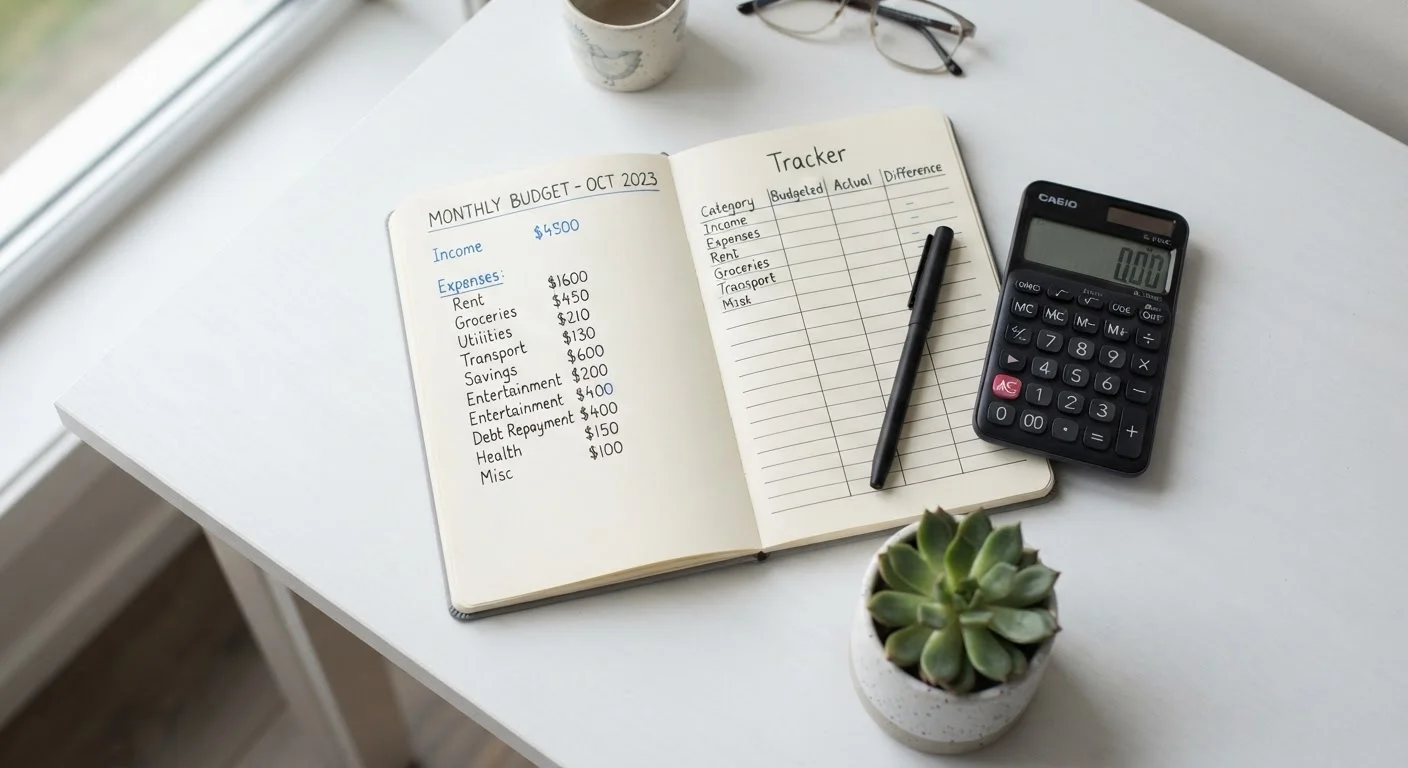
Before making your first deposit, spend a few minutes getting a clear picture of where your money is currently going. If you haven't done this before, a structured approach helps — the Your First Budget walkthrough is a good place to start. You'll also want to review the tools below that make the process easier.
What you will need
Separate savings account
Holds your emergency fund apart from everyday spending money, reducing temptation and improving tracking clarity.
Automatic transfer or bill-pay setup
Schedules recurring deposits into your savings account without requiring manual action each pay period.
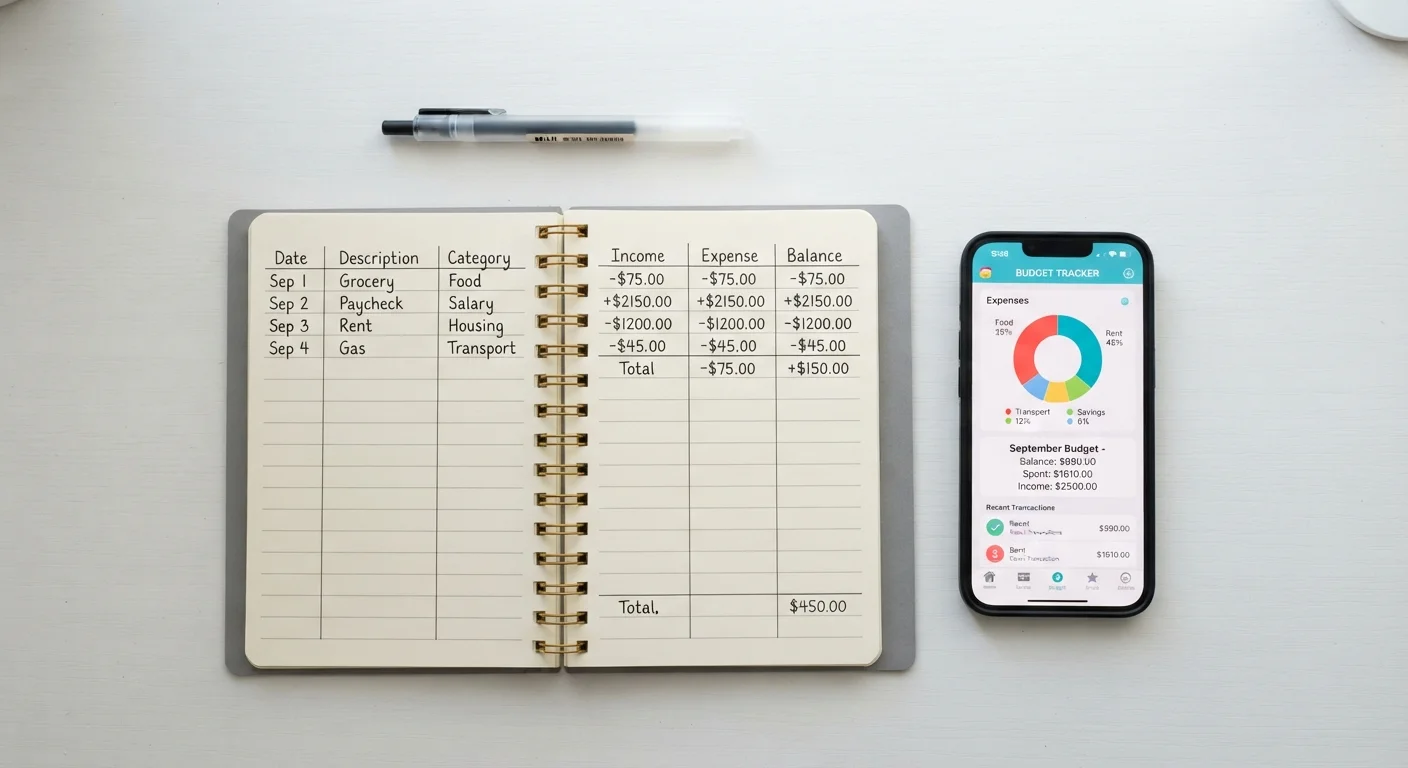
Budgeting app or spreadsheet
Tracks income, expenses, and savings progress in one place to help you identify where money can be redirected.
Bank or credit union account with no monthly fees
Ensures fees don't erode your balance before it has a chance to grow.
Step-by-Step: Building Your Starter Emergency Fund
The steps below are designed to be actionable regardless of income level. Follow them in order, and revisit earlier steps if your financial situation changes.
Set a concrete, achievable target
Choose a specific dollar amount as your initial goal — $500 is a common starting point, as it covers many small emergencies. Write it down or enter it into a budgeting app to make it tangible. Vague goals are harder to commit to than a specific number with a deadline.
Find your savings margin
Review your last two to four weeks of spending and identify any amounts — even small ones — that could be redirected. Common sources include unused subscriptions, reduced dining-out frequency, or shopping for generic alternatives on routine purchases. You don't need to find the full weekly target at once; look for any gap you can widen over time.
Open a dedicated savings account
Keep your emergency fund in a separate account from your everyday checking. Many banks and credit unions offer basic savings accounts with no minimum balance and no monthly fee — worth confirming before opening. Separation reduces temptation and makes it easier to track your progress clearly.
Automate your contributions
Set up an automatic transfer from your checking account to your emergency fund on each payday — even if it's only $10. Automation removes the decision from your routine, which dramatically improves consistency. Treat it as a non-negotiable line item in your budget, the same as rent or utilities.
Use windfalls strategically
Tax refunds, work bonuses, birthday money, or earnings from a side gig are opportunities to accelerate your progress. Commit to directing a defined percentage — say, 50% — of any unexpected or irregular income into your emergency fund until you hit your initial target. The other portion can go toward other priorities.
Review and adjust monthly
Once a month, check your emergency fund balance against your target and assess whether your automatic contribution amount is still appropriate. If your income increased or a recurring expense dropped, consider raising the transfer amount. Small, incremental increases add up meaningfully over time.
If you're navigating all of this while living paycheck to paycheck, consider the complementary guidance in Building a Budget When You're Living Paycheck to Paycheck, which addresses tight margins directly.
Don't Pause Debt Payments to Save
If you carry high-interest debt, you may wonder whether saving makes sense at all. A small emergency fund still provides value — it prevents you from taking on new debt when surprises happen. However, beyond a minimal starter buffer, prioritize paying down high-interest balances before aggressively building savings. A financial adviser can help you weigh the right balance for your situation.
Common Obstacles and How to Handle Them
Even with a solid plan, a few predictable hurdles tend to derail progress.
- "I don't have anything left over."
- Start with $5 or $10 per paycheck. Consistency matters more than the amount. Revisit your discretionary spending — streaming services, convenience purchases, or impulse buys — for any room to redirect even small amounts.
- "I keep dipping into the fund."
- This usually signals the account is too easy to access. Move it to a separate bank from your checking account, and avoid linking it to a debit card. The friction created by a transfer delay is a useful deterrent.
- "Unexpected expenses keep wiping it out."
- This is the fund doing its job. After using it, immediately resume contributions to rebuild. Over time, as the balance grows and you build complementary savings habits — such as sinking funds for predictable irregular costs — you'll face fewer complete wipeouts.
Emergency Funds Are Not Investment Accounts
Keep your emergency fund in a liquid, low-risk account — not in stocks, cryptocurrency, or other assets that can decline in value. The purpose of this money is immediate accessibility and stability, not growth. If the value can drop right before you need it, it isn't functioning as an emergency fund.
For broader context on managing your overall financial plan, the Complete Guide to Personal Budgeting for American Households covers how an emergency fund fits within a full budgeting strategy.
This article is for general informational and educational purposes only and does not constitute personalized financial advice. Please consult a qualified financial professional for guidance specific to your situation.