How a Sinking Fund Works
The mechanics of a sinking fund are straightforward. You identify an upcoming expense, estimate its cost, set a deadline, and divide the total by the number of months you have to prepare. That quotient becomes your monthly savings contribution for that specific fund.
For example, suppose your car registration costs $240 and renews in twelve months. Saving $20 a month means the full amount is ready without touching your general savings or reaching for a credit card. The expense feels like a planned line item rather than a financial disruption.
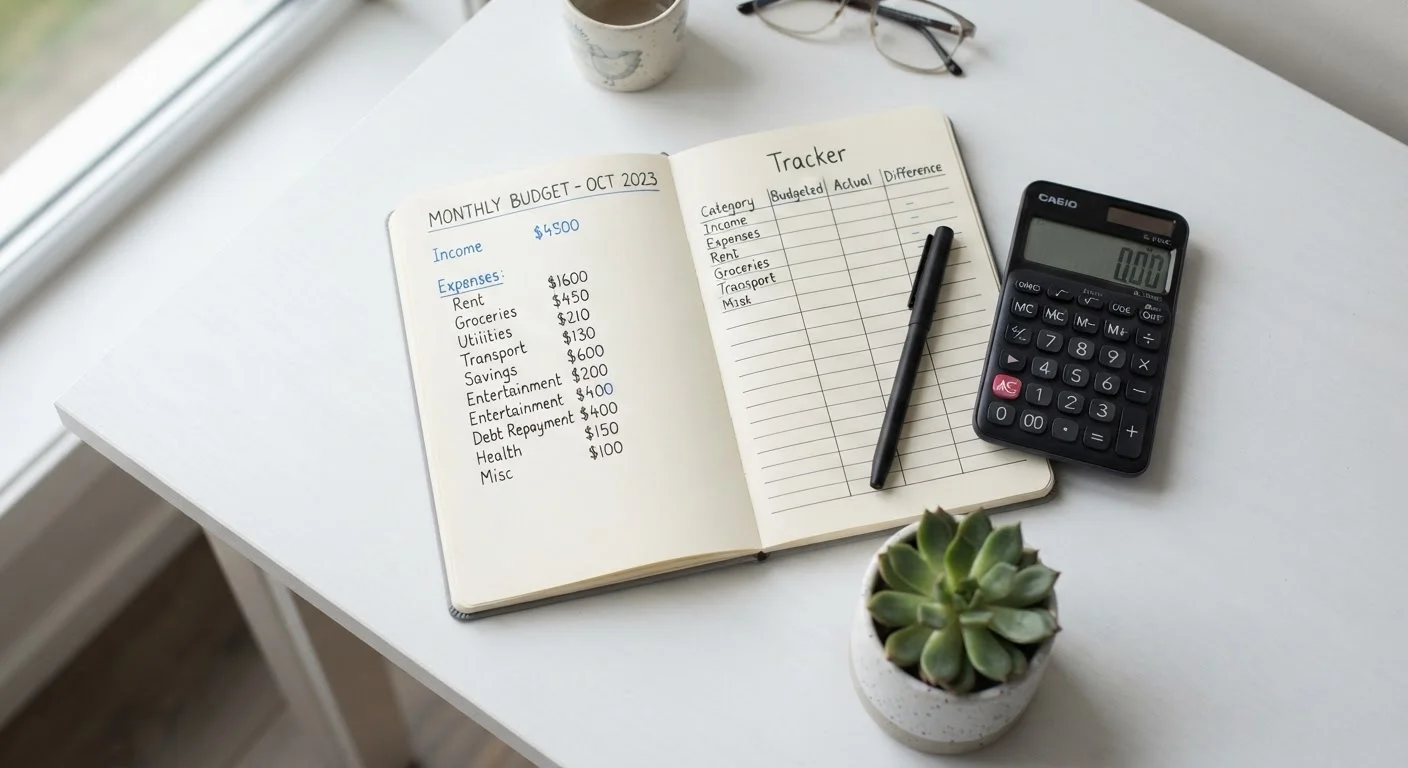
This approach fits neatly inside a budgeting vocabulary that includes categories like fixed expenses and discretionary spending. A sinking fund simply gives irregular-but-predictable costs their own dedicated category.
Start With Your Highest-Impact Expense
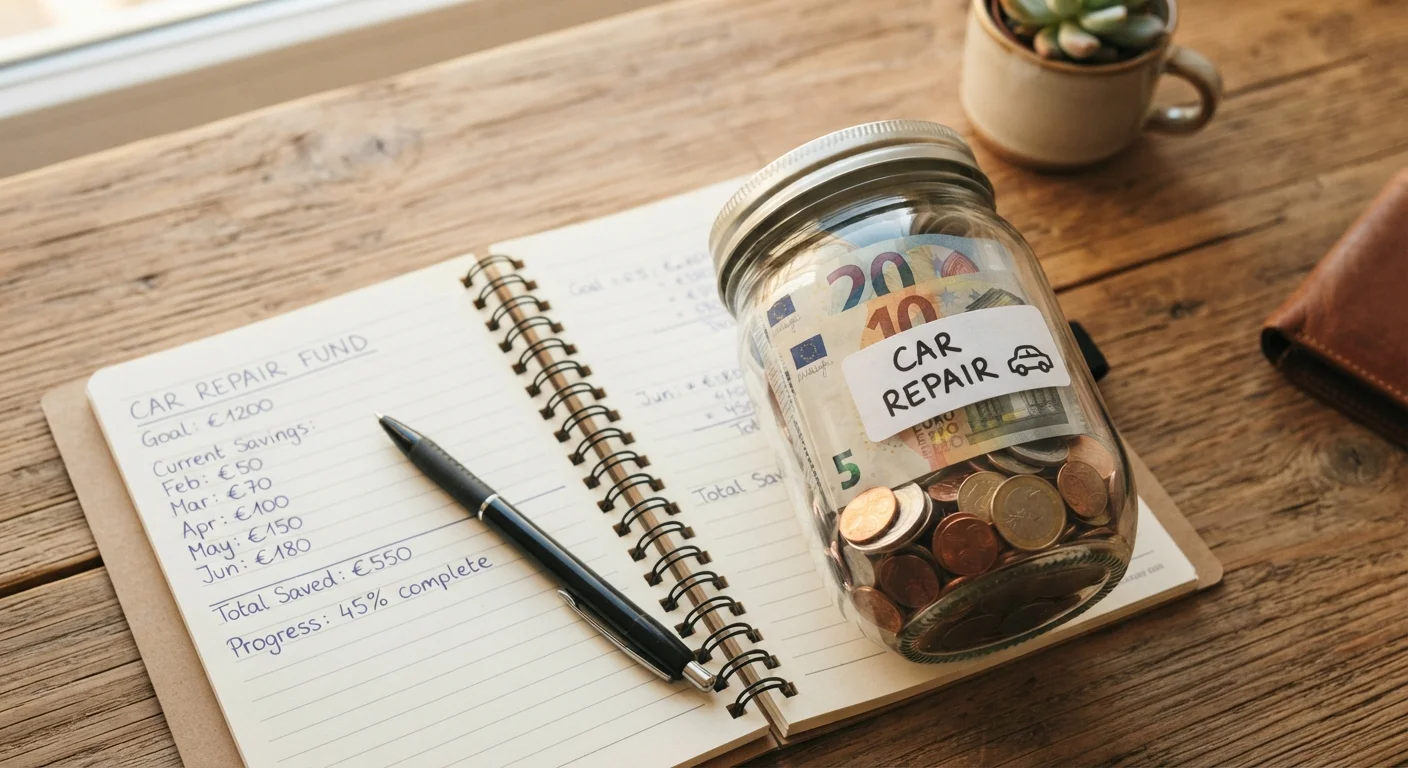
If you're new to sinking funds, don't try to fund every category at once. Identify the single upcoming expense most likely to derail your budget — perhaps an insurance renewal or a planned car repair — and open one fund for that first. Once that habit is established, adding more funds becomes much easier.
Common Uses for Sinking Funds
Almost any recurring or large anticipated expense can justify its own sinking fund. Common categories include:
- Annual insurance premiums — auto, renters, or homeowners policies billed once or twice a year
- Vehicle maintenance — tires, oil changes, and periodic repairs
- Holiday and gift spending — birthdays, winter holidays, weddings
- Home repairs and appliances — HVAC servicing, roof inspections, appliance replacement
- Travel and vacations — flights, hotels, or road-trip costs
- Annual subscriptions and memberships — software, gym dues, or professional associations
The more accurately you estimate each cost, the more effective your fund will be. Review past bank and credit card statements to find expenses you may have overlooked or underestimated.
Setting Up and Maintaining Your Sinking Funds
You don't need a special account to start. A labeled savings account, a bank sub-account, or even a clearly marked envelope can work. What matters most is that the money is mentally and physically separated from your spending money.
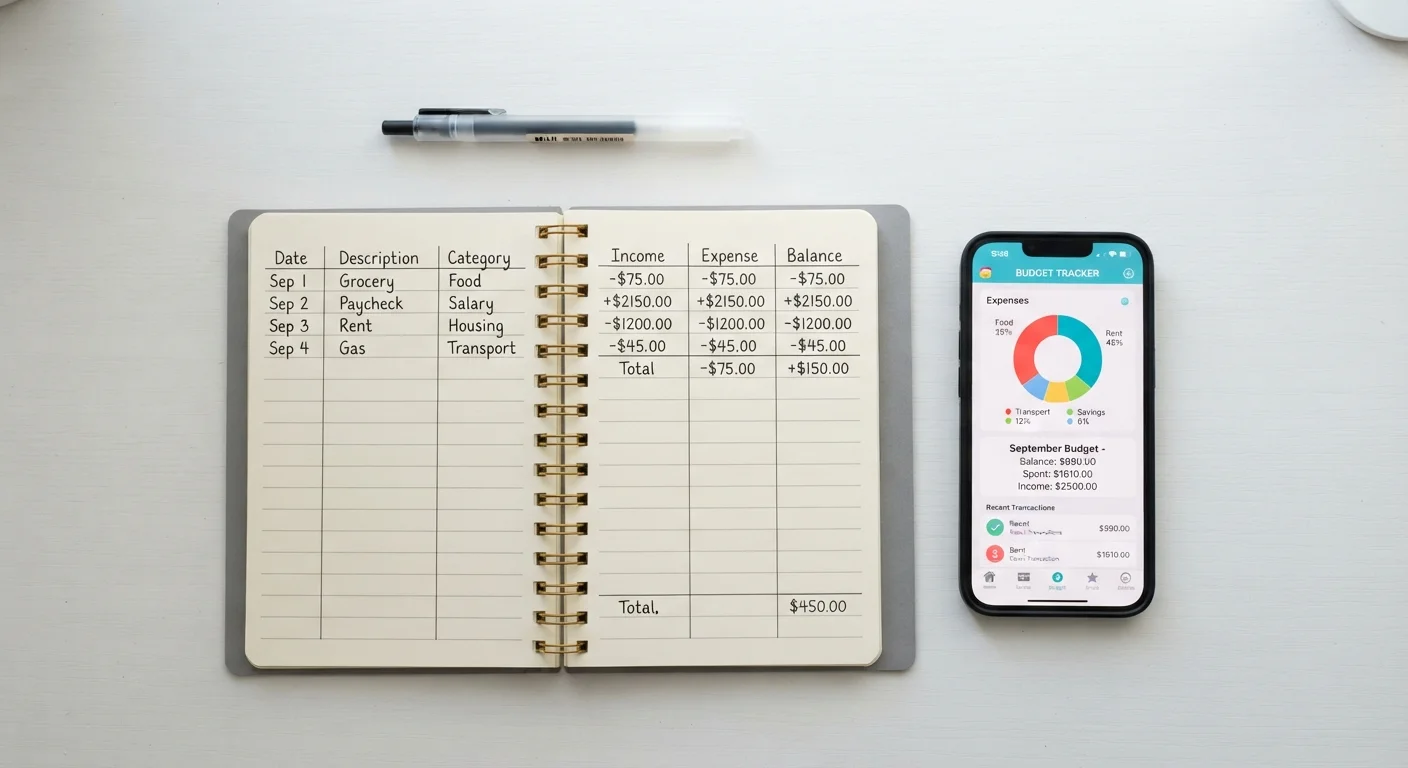
Many banks and credit unions now offer savings accounts with multiple named buckets — a feature that makes tracking several sinking funds simple. Once you set a target amount and monthly contribution, consider automating the transfer. Automating your savings removes the decision from your monthly to-do list and reduces the chance you'll skip a contribution.
Review your sinking funds quarterly. Costs change — a repair estimate may rise, or you may decide to take a bigger trip than planned. Adjust monthly contributions whenever the target or timeline shifts.
Sinking funds work best alongside other budgeting habits. Habits that keep a budget on track — such as weekly check-ins and monthly reviews — reinforce the discipline that makes sinking funds effective over the long term.
Sinking Funds vs. Emergency Funds: Not the Same Thing
It's worth keeping these two savings tools clearly separate in your budget. A sinking fund is for costs you anticipate; an emergency fund is for costs you can't predict. Draining your emergency fund to cover a planned expense — like holiday gifts — leaves you exposed when something truly unexpected occurs. If you're still building your emergency reserve, see how to start an emergency fund on a tight budget for practical first steps.
This article is for general informational and educational purposes only and does not constitute personalized financial advice. Consult a qualified financial professional for guidance tailored to your individual circumstances.