Why Tailoring Is Worth Knowing About
Most clothing is made to fit a statistical average — not you specifically. Even a piece you love can look underwhelming if the shoulders sit wide, the waist bags, or the hem hits at an awkward point. As we explore in why fit is the culprit when outfits fall apart, fit is often the single biggest variable in how polished or put-together a look appears.
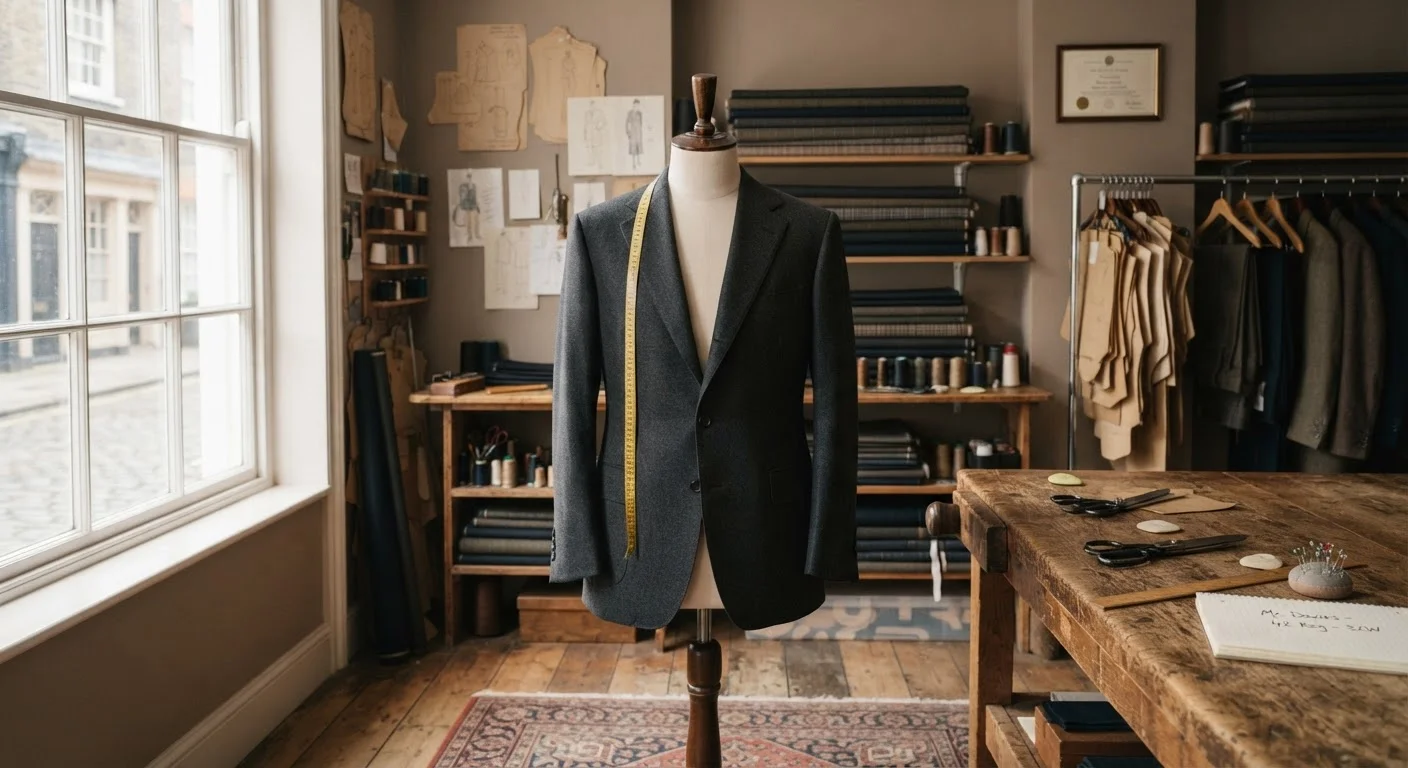
Tailoring bridges the gap between off-the-rack sizing and how your body actually exists in the world. It's not exclusively for formalwear or expensive wardrobes — it applies to everyday staples too, from jeans to blazers to simple blouses. The question isn't whether tailoring is worth it in principle; it's whether it makes sense for a particular garment in your specific situation.
Tailoring Pays Off Most on These Pieces
Garments that justify alteration costs most clearly include well-made blazers, tailored trousers, structured dresses, and any piece you'll reach for repeatedly. If a garment is very inexpensive, low-quality, or already heavily worn, alteration costs can quickly exceed the item's value — in which case replacing it may be the smarter move.
What a Tailor Can (and Can't) Do
Understanding the realistic scope of alterations helps you walk in with the right expectations. Most tailors handle the following with ease:
- Hemming — shortening pants, skirts, dresses, and sleeves
- Taking in or letting out seams — slimming a boxy silhouette or adding room where a garment is too snug
- Adjusting waistbands — nipping in a loose waist on pants or a skirt
- Tapering — slimming trouser legs or shirt bodies through the torso
- Repositioning buttons — a quick fix for a shirt that gaps at the chest
What's harder — or sometimes impossible — includes moving shoulder seams significantly, restructuring a jacket's padding and lining from scratch, or adding fabric where none exists. Every garment has a finite amount of seam allowance (the extra fabric hidden inside the seam). If there isn't enough built in, letting something out has a hard limit.
Fabric choice also plays a role — delicate materials like chiffon or heavily textured weaves can be trickier and more costly to alter than sturdy cottons or wool blends.
Don't Assume Every Problem Is Fixable
Some structural issues — particularly in the shoulder area of a jacket — are expensive and technically complex to correct. If a tailor quotes an alteration cost that approaches or exceeds what you paid for the garment, it's reasonable to reconsider. Getting a second opinion from another tailor on a complex job is always fair.
How to Get the Most from Your Tailor
Being a prepared client saves you time, money, and re-visits. Here's how to approach the process step by step.
What you will need
Identify exactly what bothers you about the fit
Before you visit a tailor, put the garment on and look at it critically in a full-length mirror. Note specific problem areas: Does the back ride up? Do the shoulders overhang? Does the waist have excess fabric? Write these down or take a photo so you have a reference point. Vague feedback like "it just doesn't look right" is harder for a tailor to act on than "the trouser leg is about two inches too long and the waist gaps at the back."
Find a reputable local tailor
Ask friends, coworkers, or your dry cleaner for referrals — word-of-mouth remains one of the most reliable ways to find skilled alterations work. Look at online reviews with an eye toward consistency and how the tailor handles communication. Many tailors specialize: some excel at formal suits, others at everyday garments. If possible, bring a simple first job to gauge quality before handing over a more significant piece.
Bring the right outfit to your fitting
Wear — or bring with you — the shoes, undergarments, and any layering pieces you'll pair with the garment in real life. A dress hemmed while you're wearing flats will sit too short once you switch to heels. A blazer fitted without the shirt you'll wear underneath may feel tight in practice. Getting this right during the consultation prevents a second (avoidable) trip.
Communicate clearly and ask questions
Describe what you want in functional terms: "I'd like the hem two inches shorter" or "can you take in the side seams through the waist so it follows my shape more closely?" A good tailor will confirm, suggest adjustments, and tell you honestly if something isn't feasible. Don't be shy about asking what's possible, how much seam allowance is available, and what the alteration will cost before committing.
Review the finished work carefully before leaving
Try the altered piece on at the shop in the same shoes and layers you brought to the fitting. Move around — sit down, raise your arms, walk a few steps. Alterations that look fine standing still sometimes pull or bunch in motion. If something is off, point it out immediately. Most tailors factor in minor corrections, but once you've left the shop it can be harder to negotiate a fix without additional cost.
Once alterations are complete, try the garment again at the shop before taking it home. If something still doesn't feel right, say so calmly — most tailors expect a minor tweak on a second fitting. If you're building a wardrobe from scratch, focusing tailoring budget on versatile foundational pieces — a well-fitted blazer, a trouser, a crisp shirt — delivers the most return.