What Personal Style Actually Means
Personal style is often confused with fashion — but they are distinct things. Fashion is what's current; style is what's consistently yours. It's the visual vocabulary you use to present yourself to the world, shaped by your lifestyle, values, aesthetic preferences, and daily context. Unlike trends, genuine personal style doesn't expire.
This distinction matters because it frees you from the pressure of keeping up. Building a personal style is less about purchasing the right items and more about developing self-awareness around what you actually want to communicate and how you want to feel when you get dressed. That's a much more durable foundation.
Style Is a Practice, Not a Destination
Resist the urge to overhaul everything at once. Developing personal style is an iterative process — each intentional choice teaches you something useful about what works for you. Small, deliberate steps compound into a wardrobe that genuinely feels like yours.
Starting With Self-Assessment
Before touching your closet, invest time in honest observation. Ask yourself: Which outfits do you reach for on days when you feel most like yourself? What do people consistently compliment you on? What do you avoid wearing, even when you think you should like it?
Collecting visual references — whether in a notebook, a folder on your phone, or a saved collection online — helps reveal patterns in your preferences that you may not consciously recognize. You might gravitate toward clean lines, earthy palettes, or layered textures. Those recurring themes are the seeds of your style identity.
It's equally useful to audit what you already own. See our structured wardrobe audit guide for a step-by-step approach to identifying gaps, redundancies, and pieces that no longer reflect where you are now.
When collecting visual inspiration, look for what the images have in common structurally — silhouette, palette, texture — rather than focusing on individual pieces. That structural pattern is far more useful than a shopping list.
Identifying recurring structural themes in your preferences gives you a style filter you can apply to any purchase decision, regardless of what's currently in stores.
Before buying anything new, photograph your current outfits for two weeks straight. The data will tell you more about your actual style than any quiz or Pinterest board.
Behavioral evidence — what you actually wear and how you combine pieces — is more reliable than aspirational choices made in a store or online.
Core Principles That Anchor Any Style
Regardless of the aesthetic direction you choose — minimalist, eclectic, classic, or anything in between — three fundamentals apply universally.
Fit
Fit is the single most impactful variable in how clothing looks on a body. A well-fitted basic will almost always outperform an expensive piece that doesn't fit properly. When evaluating any garment, focus on the shoulders, chest, and waist — these are the areas that are most difficult and costly to alter.
Proportion
Proportion refers to how the volumes of your outfit relate to each other. A voluminous top generally pairs well with a slimmer bottom, and vice versa. Playing with proportion intentionally — rather than accidentally — is what gives an outfit visual balance and interest.
Color
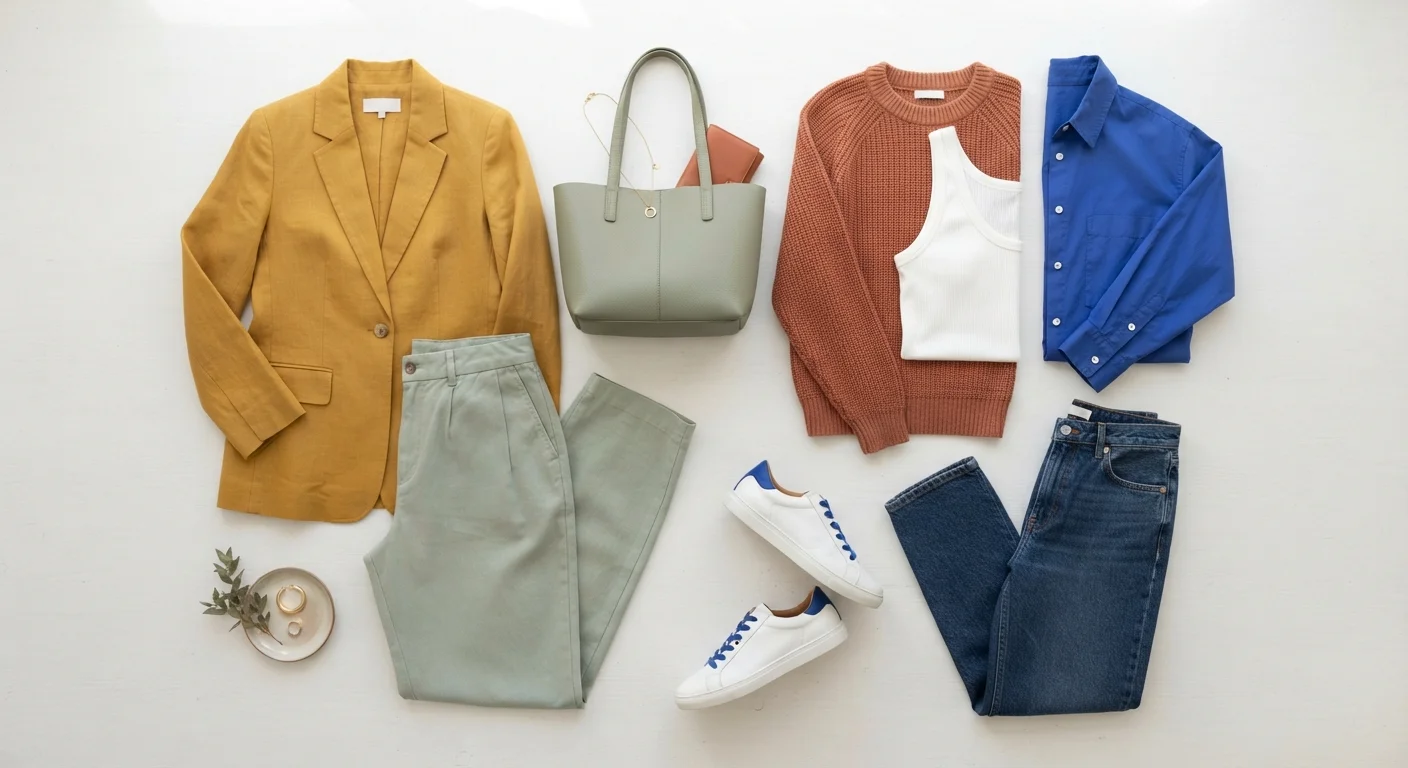
You don't need to master the entire color wheel to dress well, but understanding a few basics pays off immediately. A limited, internally consistent color palette makes it far easier to build outfits, because pieces are more likely to work together. For a practical breakdown of how colors interact, see our guide to color theory for everyday dressing.
80%
Of clothing worn only 20% of the time
The 80/20 principle is widely observed in wardrobe research, suggesting most people regularly rely on a small fraction of what they own.
3–5
Core colors in a cohesive wardrobe palette
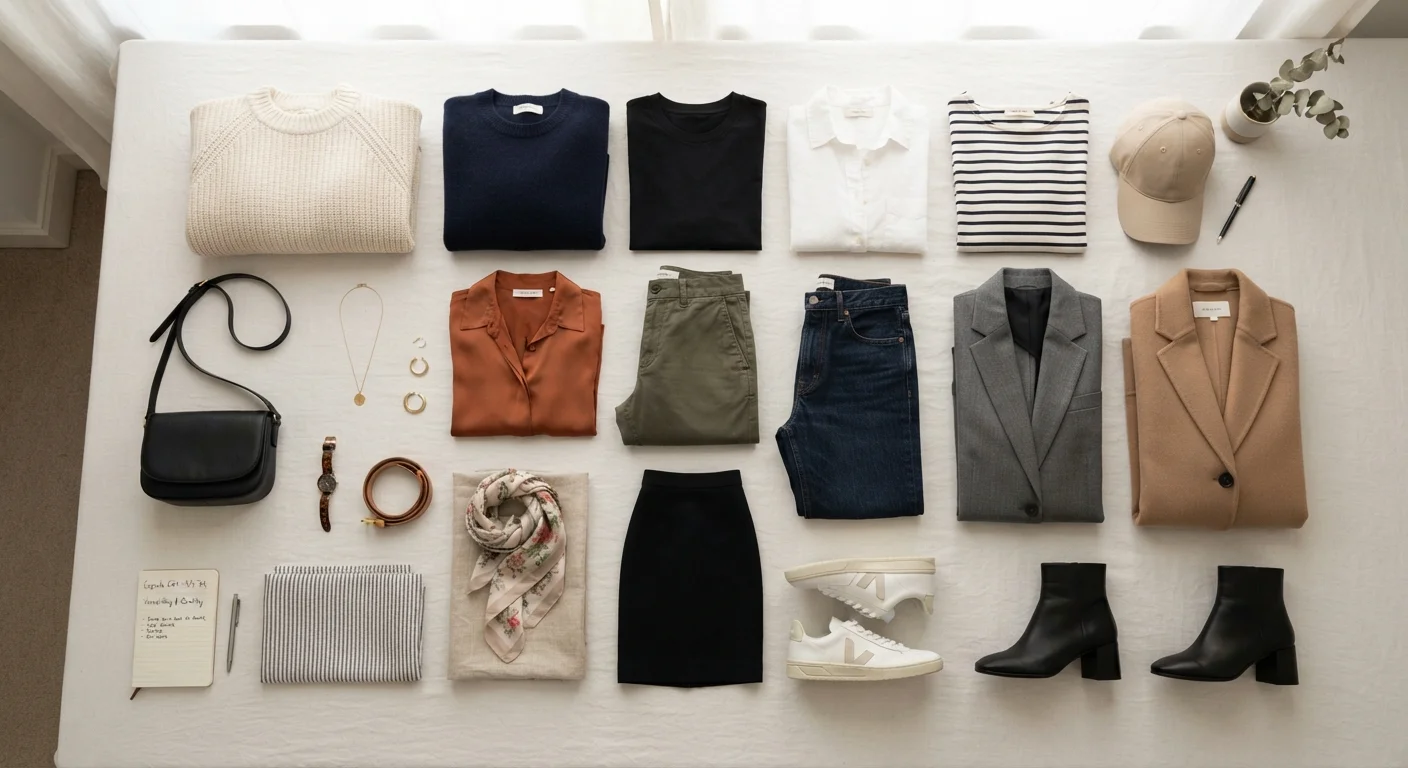
Style educators commonly recommend limiting a foundational palette to three to five colors to maximize outfit combinations from fewer pieces.
Planning a Wardrobe With Intention
Once you have clarity on your aesthetic preferences and the core principles of fit, proportion, and color, wardrobe planning becomes much more straightforward. The goal is a collection of pieces that work together — not a maximal number of items.
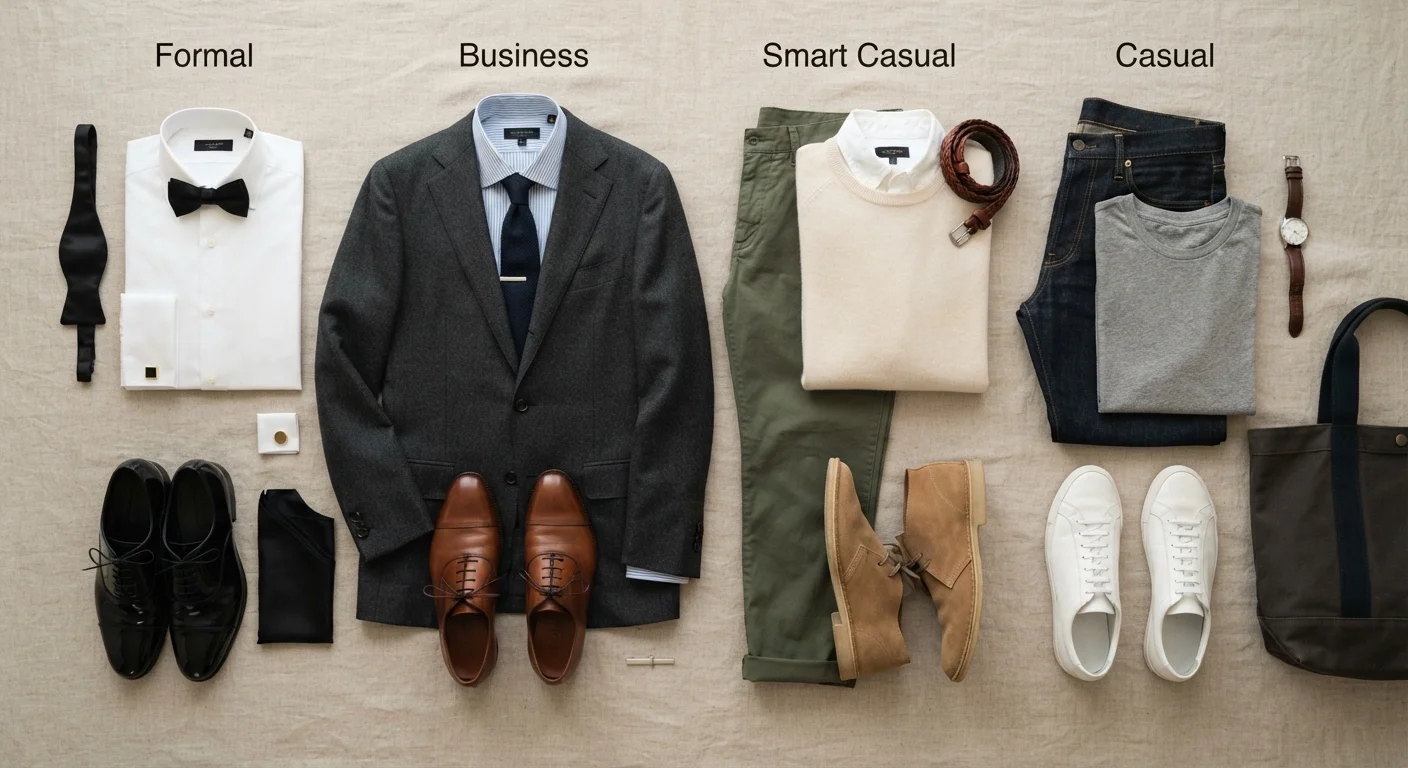
Start by identifying the contexts your life actually demands: work, casual, social, active, and so on. Then ask which categories are genuinely underserved. This approach prevents the common trap of buying what feels exciting in the store but doesn't integrate with what you already own.
If you're building from a near-empty starting point, our wardrobe-from-scratch roadmap walks through which categories to prioritize and how to sequence purchases sensibly.
Don't overlook accessories — they punch well above their weight in shifting the overall tone of an outfit. A thorough look at how to use them effectively is covered in our piece on the role of accessories in a complete outfit.
Budget Thoughtfully Before You Build
Wardrobe building is a financial commitment, and it's easy to overspend when enthusiasm runs high. Treat your wardrobe as a long-term project rather than a single shopping event. Prioritize fewer, more considered purchases over volume — quality of decision-making matters more than quality of any individual item.
Keeping Your Style Cohesive Over Time
Personal style isn't a one-time project — it evolves alongside you. Life changes like a new job, a shift in daily routine, or simply maturing taste will naturally pull your aesthetic in new directions. The key is to update intentionally rather than reactively.
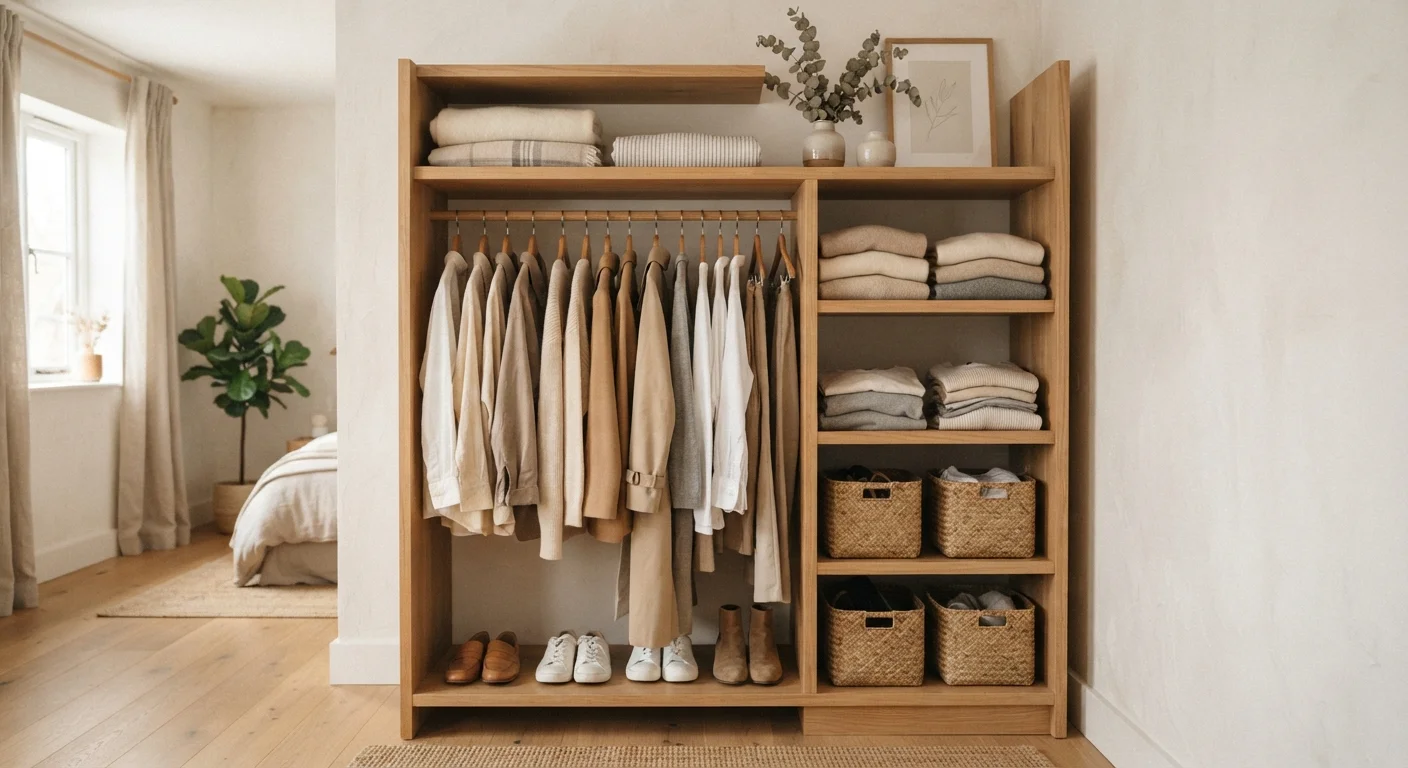
A practical habit is reviewing your wardrobe at least twice a year. Items that haven't been worn in over twelve months, that no longer fit, or that feel out of step with who you are now are worth releasing. This keeps your closet legible and functional rather than overwhelming.
When adding new pieces, apply a simple test: Does this work with at least three things I already own? If the answer is no, it's likely a gap-filler impulse purchase rather than a genuine addition to your style vocabulary.
Style cohesion is ultimately about editing with the same care you bring to building. The two acts — adding and removing — are equally important, and practicing both consistently is what keeps a wardrobe feeling intentional rather than accumulated.
This article is for informational and educational purposes only. Style preferences are personal and subjective — there is no single correct approach to developing your own.