Why Accessories Aren't an Afterthought
Most people get dressed from the clothing out — picking a top, pants, maybe a jacket — and then treat accessories as a final flourish, or skip them entirely. But in practice, accessories are doing structural work in any outfit. They create focal points, redistribute visual weight, and communicate the tone you're going for, often more sharply than the clothes themselves.
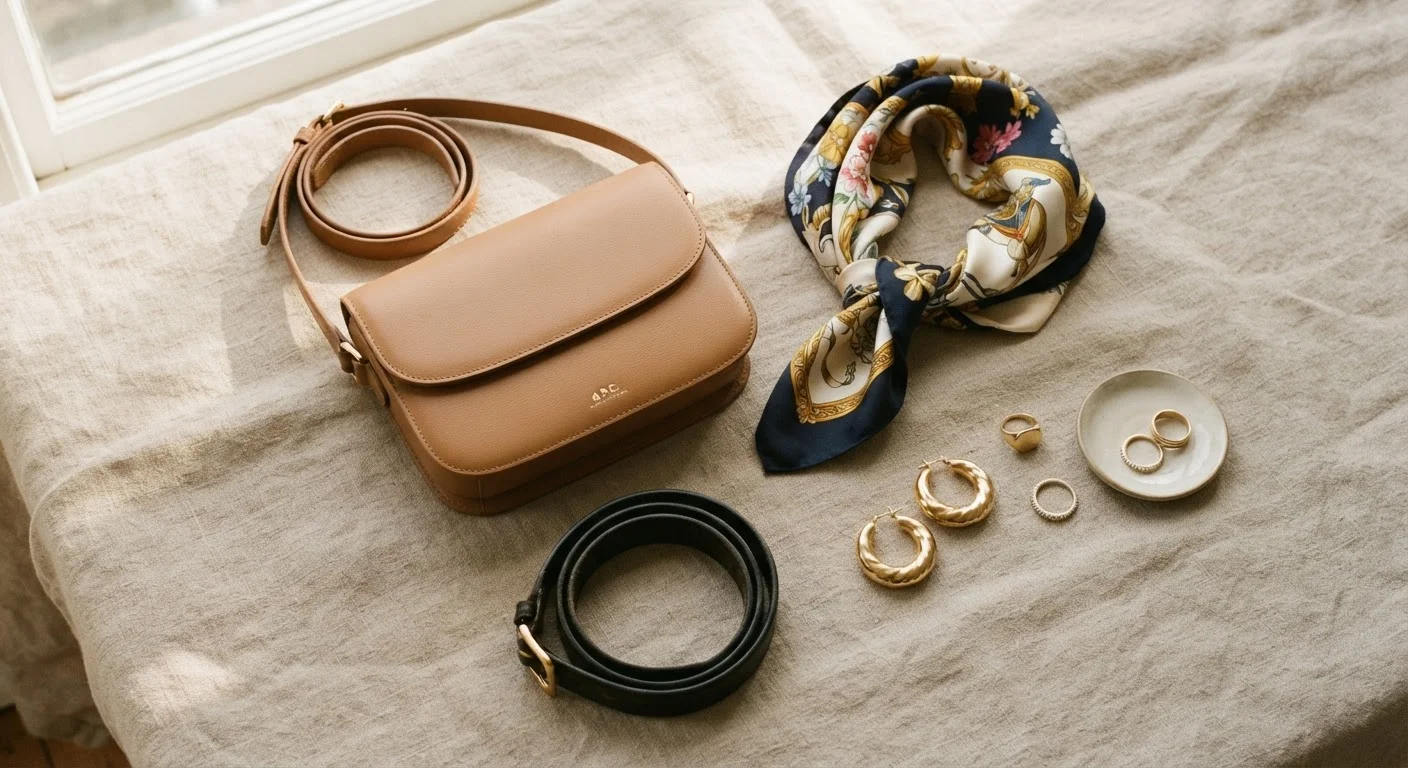
Think about a plain white button-down shirt. Worn untucked with no accessories, it reads casual and relaxed. Add a wide leather belt cinched at the waist, a gold chain, and tailored trousers, and the exact same shirt becomes business-capable. Swap the belt for a printed silk scarf tied at the neck and it leans creative and expressive. The shirt didn't change — the accessories repositioned it entirely.
Understanding this dynamic helps you get far more mileage out of a smaller, more intentional wardrobe. It's a core idea in developing a personal style.
Start With One Intentional Addition
If you're new to thinking about accessories deliberately, pick just one item to focus on per outfit rather than overhauling everything at once. A belt, a pair of earrings, or a bag is enough. Observe how that single piece changes the read of what you're wearing before layering in more.
The Functions Accessories Actually Perform
Accessories serve several distinct roles simultaneously, and recognizing them makes it easier to choose pieces deliberately rather than instinctively.
- Defining silhouette: Belts are the clearest example — they visually create a waist, separate a top from a bottom, and alter perceived proportions. Even a thin belt over a flowing dress changes the shape of the entire look.
- Creating a focal point: A statement necklace or a bold earring draws the eye upward toward the face. A striking bag draws attention toward the hand. Focal points give an outfit a sense of intention and prevent the eye from wandering aimlessly.
- Establishing tone: Delicate gold jewelry reads differently than chunky silver hardware. A structured tote suggests professional polish; a slouchy canvas bag signals casual ease. These cues are read almost instantly by observers.
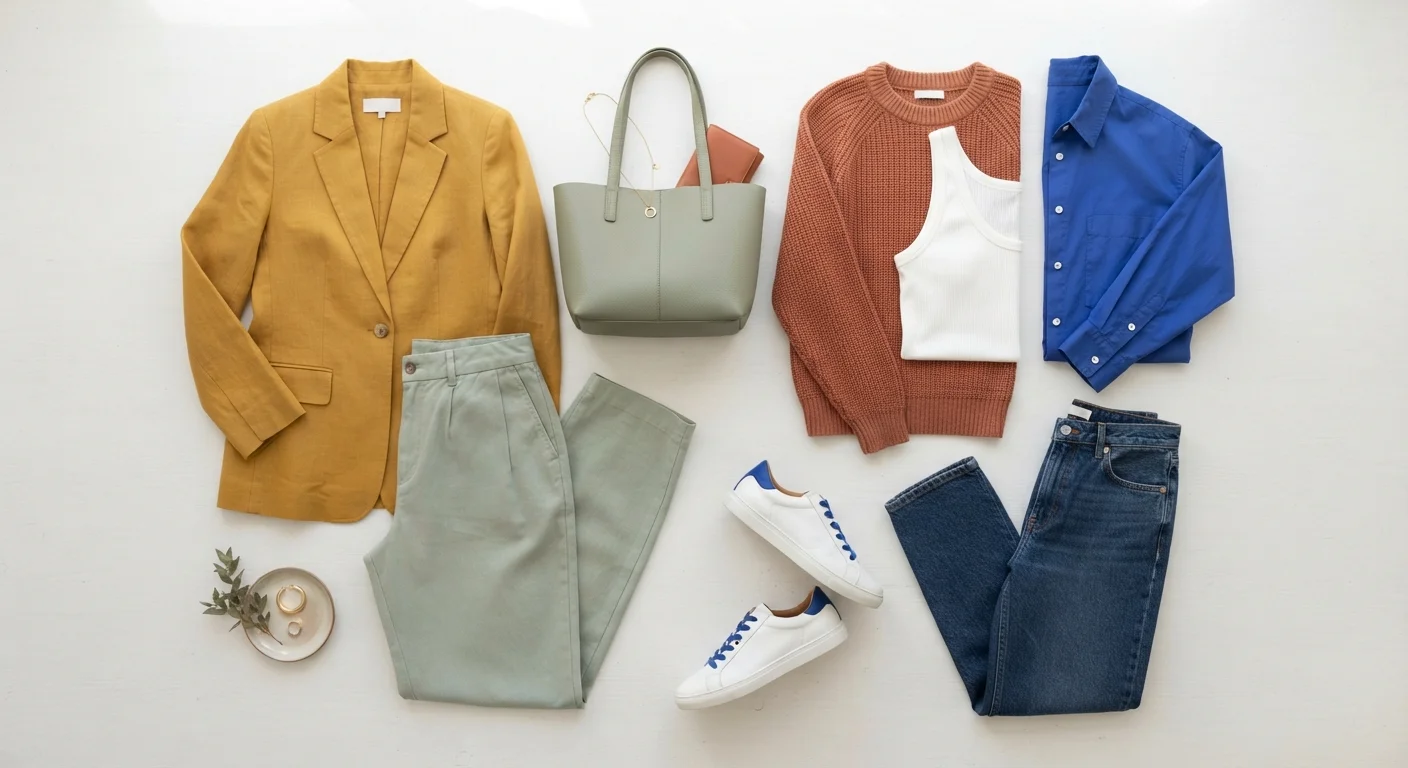
- Building color cohesion: Accessories are one of the easiest ways to repeat a color that appears elsewhere in the outfit. A burgundy bag that echoes a stripe in a scarf creates visual harmony without requiring a head-to-toe coordinated look.
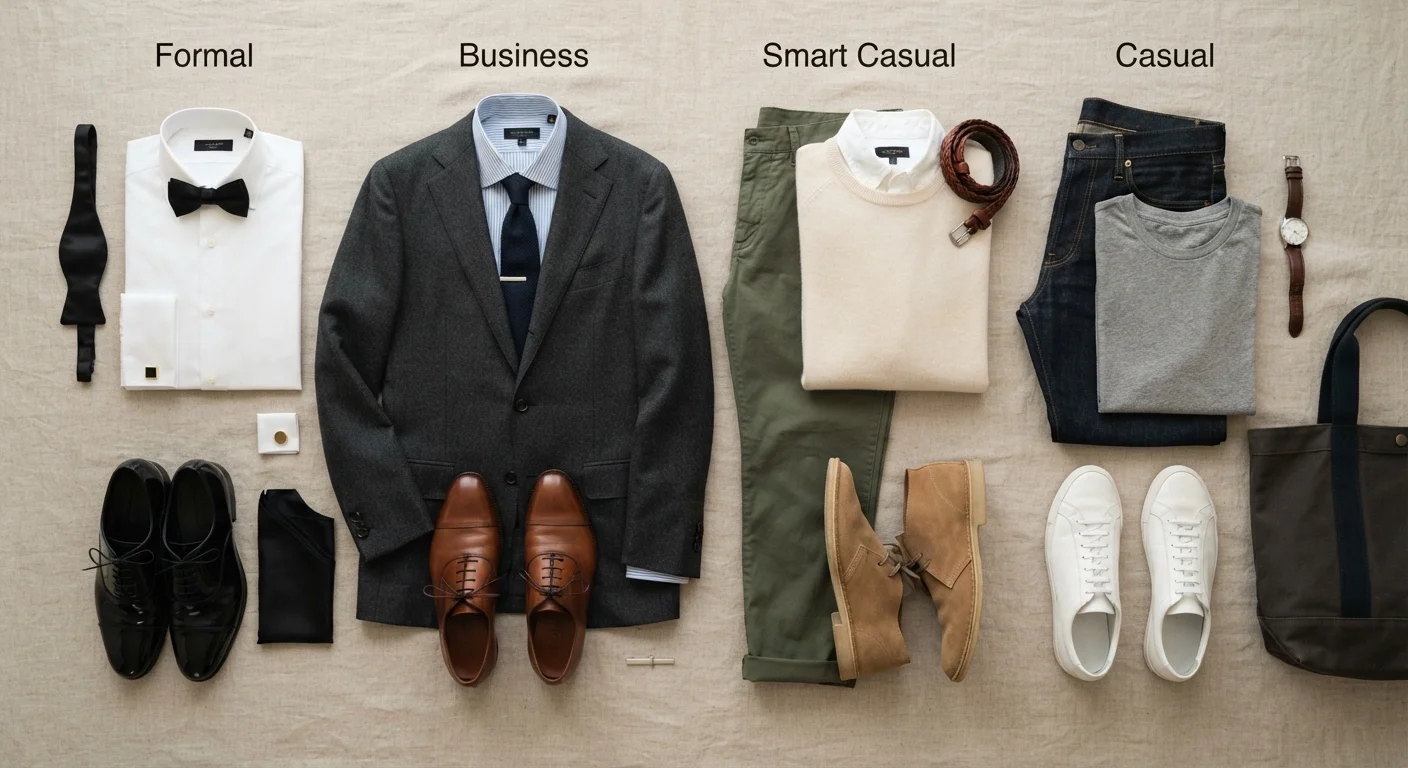
- Adjusting formality: Shoes, in particular, are the fastest lever for shifting dress code. The same midi skirt reads garden-party in strappy sandals and urban-cool in chunky lace-up boots.
1–2
Statement accessories recommended per outfit
A widely cited principle in professional styling guidance: limit focal accessories to one or two to maintain visual clarity and prevent competing focal points.
3x
Outfit variations one versatile accessory can create
Fashion educators often note that a single well-chosen accessory — a scarf, a belt, a bag — can shift the same base outfit into three or more meaningfully different looks.
Scale and Proportion: The Principle That Ties It Together
The most common mistake in accessorizing isn't wearing too many pieces — it's misjudging scale. Proportion refers to how the visual size of an accessory relates to the garments around it and to your own body.
A very delicate necklace worn with a bold, heavily textured sweater will disappear visually. A large statement bag paired with a petite frame and minimalist dress can feel overwhelming. Neither is a hard rule — fashion frequently breaks these conventions deliberately — but understanding proportional logic helps you make conscious choices rather than accidental ones.
A general guiding principle: match accessory visual weight to garment visual weight. Voluminous or heavily patterned clothing pairs well with simpler, cleaner accessories that don't compete. Streamlined, minimal clothing can absorb more dramatic jewelry or bags. This same logic applies when mixing patterns — scale contrast is what makes it work.
Proportion Rules Are Meant to Be Broken
The scale principles described here are starting points, not strict laws. Oversized accessories with oversized clothing, or a deliberately mismatched pairing, can be exactly the point in certain aesthetic contexts. Knowing the rule helps you understand what you're subverting — and makes the subversion look intentional rather than accidental.
Building a Cohesive Accessorized Look
You don't need to own a vast collection of accessories to dress well. A small group of versatile, well-chosen pieces covers most occasions when deployed thoughtfully. The key habits are consistency and restraint.
Choose one focal accessory per outfit. Everything else should support it rather than compete. If you're wearing a wide-brimmed hat, keep jewelry understated. If the earrings are the statement, let the bag recede into the background.
Establish a metal or material story. Mixed metals can absolutely work, but it should feel deliberate — all warm tones, or a consistent pairing of gold and rose gold, for example. Randomly combining metals, textures, and finishes across multiple accessories tends to look scattered rather than eclectic.
Finally, remember that fabric and material choices in your garments affect which accessories feel at home. A silk blouse calls for different accompaniments than a chunky knit — not because of rigid rules, but because of how textures converse with each other visually. Accessories are the punctuation in that conversation: used well, they make the whole outfit read clearly.