
When Does a Pet Become 'Senior'?
The term senior pet is not a single threshold — it varies by species, breed, and body size. For dogs, the general veterinary benchmark is around age 7, but this masks significant variation. Large-breed dogs (over 50 pounds) often show age-related changes earlier, sometimes by age 5 or 6, while small-breed dogs may remain physiologically middle-aged well past 8. Cats are typically considered senior at around 10 to 11 years, with many living into their late teens.
Understanding your pet's life stage matters because preventive and treatment decisions are tied to it. A 6-year-old Great Dane and a 6-year-old Chihuahua are in very different biological chapters. Ask your veterinarian which category your pet falls into — that conversation sets the baseline for everything else in their senior care plan.
Senior life stage
The phase of a pet's life when age-related physiological changes become clinically relevant — typically around age 7 for dogs and age 10–11 for cats, though this varies by size and breed.
Osteoarthritis
A progressive joint disease characterized by cartilage breakdown and inflammation, causing pain and reduced mobility. It is one of the most common conditions in aging dogs and cats.
Canine cognitive dysfunction syndrome (CDS)
A neurological condition in older dogs involving brain changes similar to dementia, resulting in disorientation, behavior changes, disrupted sleep, and memory impairment.
Periodontal disease
Infection and inflammation of the tissues surrounding the teeth, caused by bacterial plaque buildup. In pets, it can affect organ health when severe and left untreated.
Hyperthyroidism
A condition, especially common in older cats, in which the thyroid gland produces excess hormones. It can cause weight loss, increased appetite, and elevated heart rate.
Common Health Changes to Expect
Aging brings predictable physiological shifts across most companion animals. Understanding these helps owners distinguish normal change from warning signs that warrant veterinary attention.
- Joint and mobility changes: Osteoarthritis is one of the most prevalent conditions in older dogs and cats. Animals often hide pain instinctively, so reduced jumping, reluctance to climb stairs, or stiffness after rest may be the only visible signs. See our guide to recognizing pain in pets for a closer look at behavioral and physical cues.
- Organ function decline: Kidney disease, liver changes, and heart conditions become more common with age. Routine bloodwork and urinalysis can detect early dysfunction before clinical signs appear.
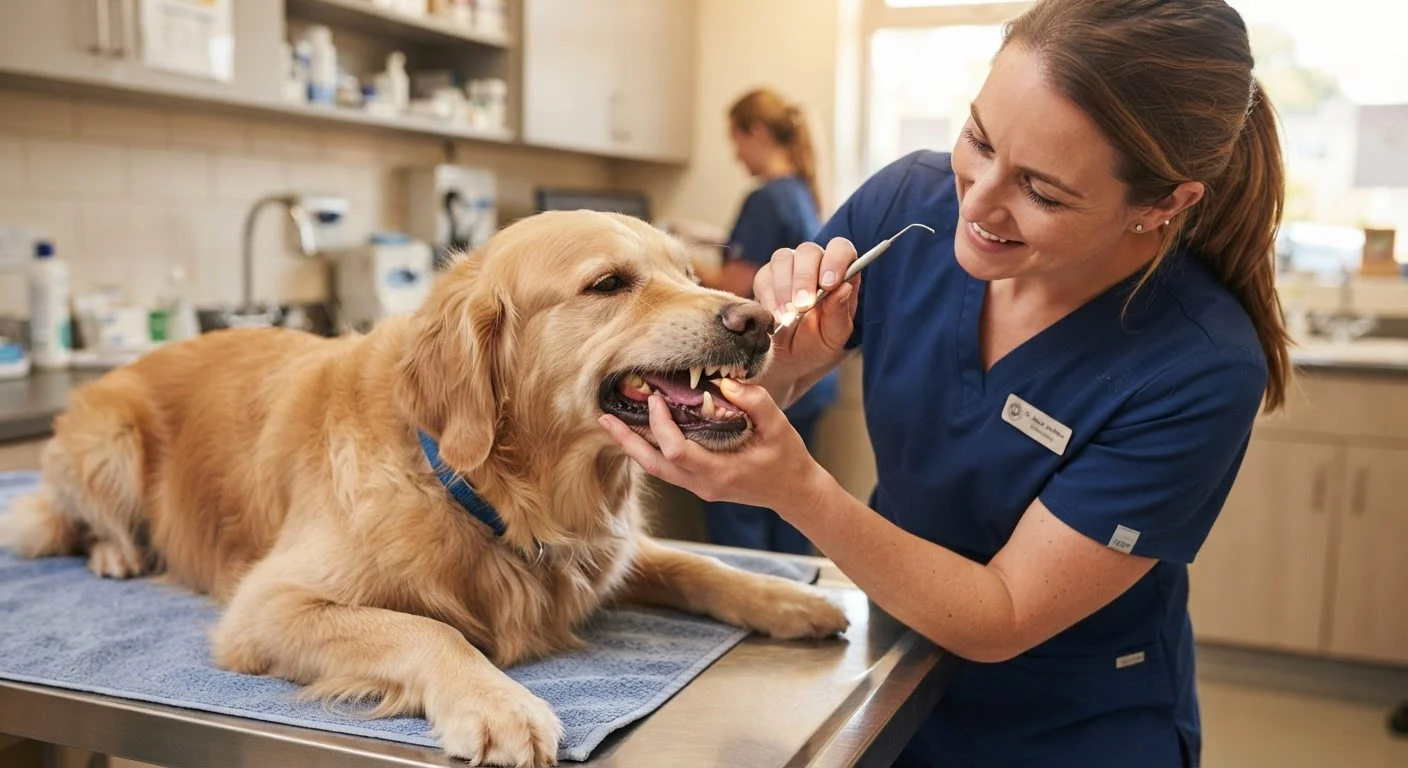
- Dental disease: Periodontal disease is widespread in adult and senior pets, and it can affect organ health when left untreated. Dental disease in pets is more common than most owners realize — regular professional cleanings remain important into senior years.
- Cognitive changes: Canine cognitive dysfunction syndrome (CDS) and feline cognitive decline are recognized conditions. Signs include nighttime restlessness, disorientation, altered social behavior, and house-training regressions.
- Sensory loss: Gradual hearing and vision loss is common. Pets adapt well when environments remain predictable and consistent.
Don't Dismiss Behavioral Changes as 'Just Aging'
Changes in appetite, activity, sleep patterns, or social behavior in a senior pet can indicate pain, organ disease, or cognitive decline — not merely slowing down with age. These changes deserve a veterinary evaluation. Early diagnosis typically provides more management options than waiting until symptoms are advanced.
Nutrition and Weight Management in Older Pets
Nutritional requirements shift meaningfully as pets age. Many senior pets become less active, reducing their caloric needs — yet muscle mass can also decline, making adequate protein intake important. Adjusting what you feed as your pet ages is a worthwhile step to review alongside your veterinarian's guidance.
Both obesity and unintended weight loss are concerns in senior pets. Excess weight places additional stress on aging joints and contributes to metabolic conditions. Conversely, unexplained weight loss may point to dental pain, kidney disease, hyperthyroidism (especially common in older cats), or other underlying conditions. Our article on obesity in dogs and cats covers why weight management is central to senior pet health.
Watch for early warning signs of nutritional shortfalls. Signs your pet's diet may not be meeting their nutritional needs — such as a dull coat, low energy, or digestive changes — deserve a conversation with your vet rather than a trial-and-error approach to switching foods.
Keep a Simple Health Log for Your Senior Pet
Recording weekly observations — body weight, appetite, water intake, and activity level — creates a useful baseline for spotting gradual changes. Many vets find this kind of owner-collected data helpful during senior wellness visits. A basic notebook or phone note works fine.
Veterinary Care: Why Twice-a-Year Visits Matter
Annual wellness visits are the standard for young adult pets, but most veterinary guidelines recommend increasing examination frequency to every six months once a pet enters the senior life stage. The rationale is straightforward: conditions such as chronic kidney disease, hypertension, and certain cancers can progress significantly within a few months, and earlier detection generally expands treatment options.
A senior wellness exam typically includes a physical examination, weight check, dental assessment, and blood and urine testing to evaluate organ function. Depending on your pet's history, your vet may also recommend blood pressure measurement, imaging, or thyroid screening. Vaccine needs also shift in senior pets — your veterinarian will help you determine which vaccines remain appropriate given your pet's lifestyle and health status.
This article provides general educational information about senior pet care and is not a substitute for individualized veterinary advice. Always consult a licensed veterinarian for guidance specific to your pet's health.
Behavioral and Environmental Adjustments
Physical comfort and mental engagement both matter for aging pets. Simple home modifications can reduce daily strain and support independence longer.
- Mobility aids: Ramps or steps give arthritic pets access to furniture or vehicles without painful jumping. Non-slip rugs on hardwood or tile floors help pets with weakened hindquarters move more confidently.
- Sleeping surfaces: Orthopedic or memory-foam beds provide joint support. Elevated food and water bowls can ease neck and shoulder strain, particularly in larger dogs.
- Litter box accessibility: Senior cats with reduced mobility benefit from low-sided boxes that don't require stepping over a high wall.
- Mental stimulation: Cognitive decline can be partially offset by maintaining gentle daily engagement — short training sessions, puzzle feeders, and routine social interaction. Training an older dog looks different than working with a puppy, but it remains valuable.
- Routine consistency: Senior pets, particularly those with early cognitive changes, often do better with predictable schedules. Minimizing abrupt changes in household layout, feeding times, and social environment supports their sense of security.
Environmental Changes Can Affect Senior Pets' Stress
Older pets — particularly those with cognitive changes or sensory loss — can be more sensitive to household disruption than younger animals. Moving furniture, introducing new pets, or changing daily routines may cause noticeable anxiety. When changes are unavoidable, gradual transitions and familiar scents or objects can help ease the adjustment.