Why Pets Conceal Pain
Dogs and cats are descended from animals that survived by masking vulnerability. In the wild, showing weakness invites predation, so the instinct to suppress obvious signs of pain runs deep — even in well-loved household pets. This biological tendency means owners must learn to notice indirect, often easy-to-miss cues rather than waiting for obvious distress signals like crying or limping.
Pain recognition matters because untreated discomfort affects an animal's overall health, immune function, and quality of life. It can also cause behavioral changes that look like disobedience or stubbornness — a dynamic explored in detail in this guide to behavior changes with medical roots. The list below covers the most clinically recognized warning signs, drawn from widely accepted veterinary pain assessment frameworks.
Pain scales used in veterinary practice
Veterinarians use structured tools such as the Glasgow Composite Measure Pain Scale for dogs and the Feline Grimace Scale for cats to assess pain objectively during exams. These tools evaluate facial expressions, posture, movement, and response to touch. Familiarizing yourself with these publicly available scales can sharpen your own observations between vet visits.
Common Signs Your Pet May Be in Pain
Changes in posture or movement
A pet that suddenly hunches its back, shifts weight to certain limbs, moves with a stiff gait, or is reluctant to climb stairs may be compensating for musculoskeletal pain. Cats in pain may stop jumping onto furniture they previously frequented without hesitation. Dogs may resist getting up after rest or show an altered, choppy stride. These shifts are often gradual and easy to dismiss — compare your pet's current mobility to how they moved several months ago.
Reluctance to climb stairs or jump can signal musculoskeletal pain even without obvious limping.
Vocalization changes
Whimpering, groaning, hissing when touched, or unusual growling when approached near a specific body area are all potential pain indicators. Cats in significant pain may vocalize more than usual or become entirely silent after previously being chatty. Note whether sounds occur during specific movements or when a particular area is handled — this contextual detail helps your veterinarian localize the source.
Hissing or growling when touched near a specific area is one of the clearest pain signals cats produce.
Altered appetite and water intake
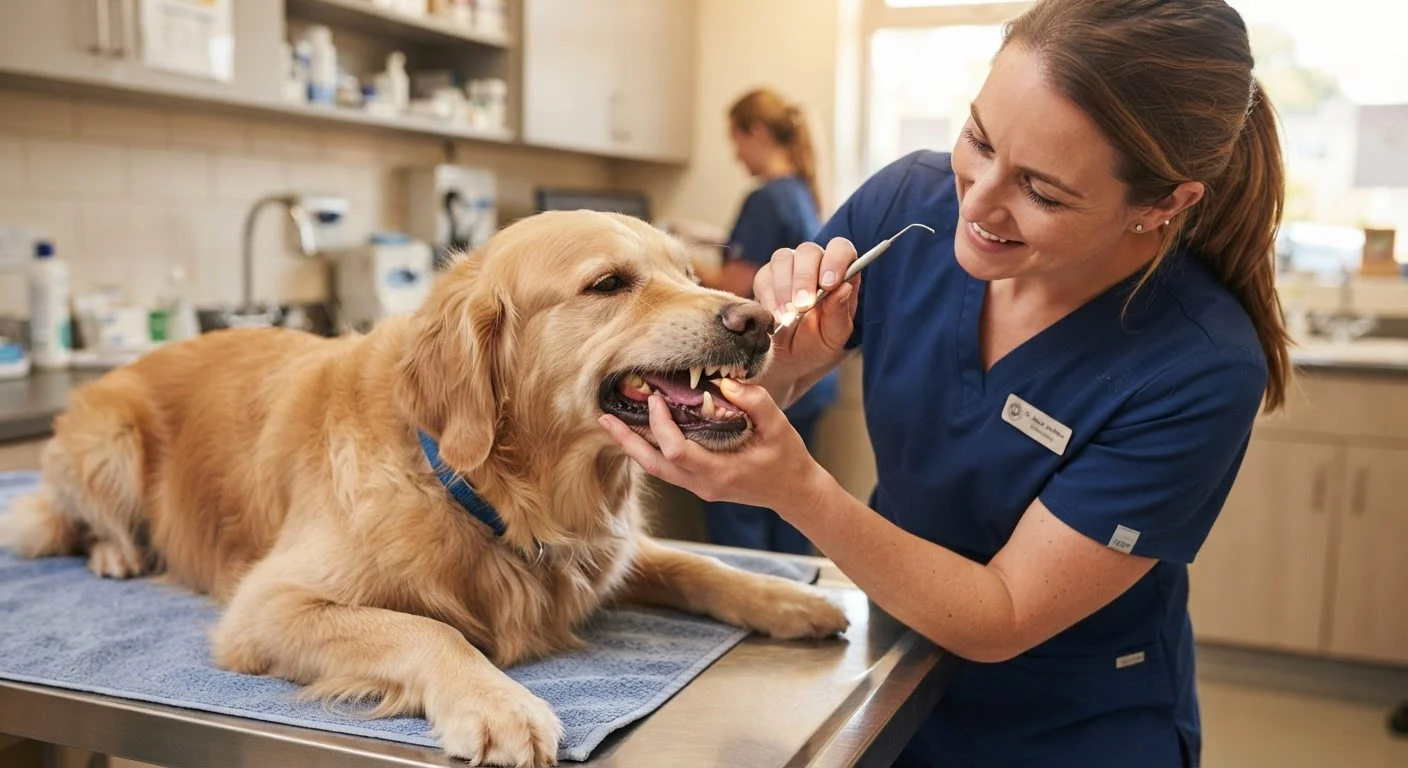
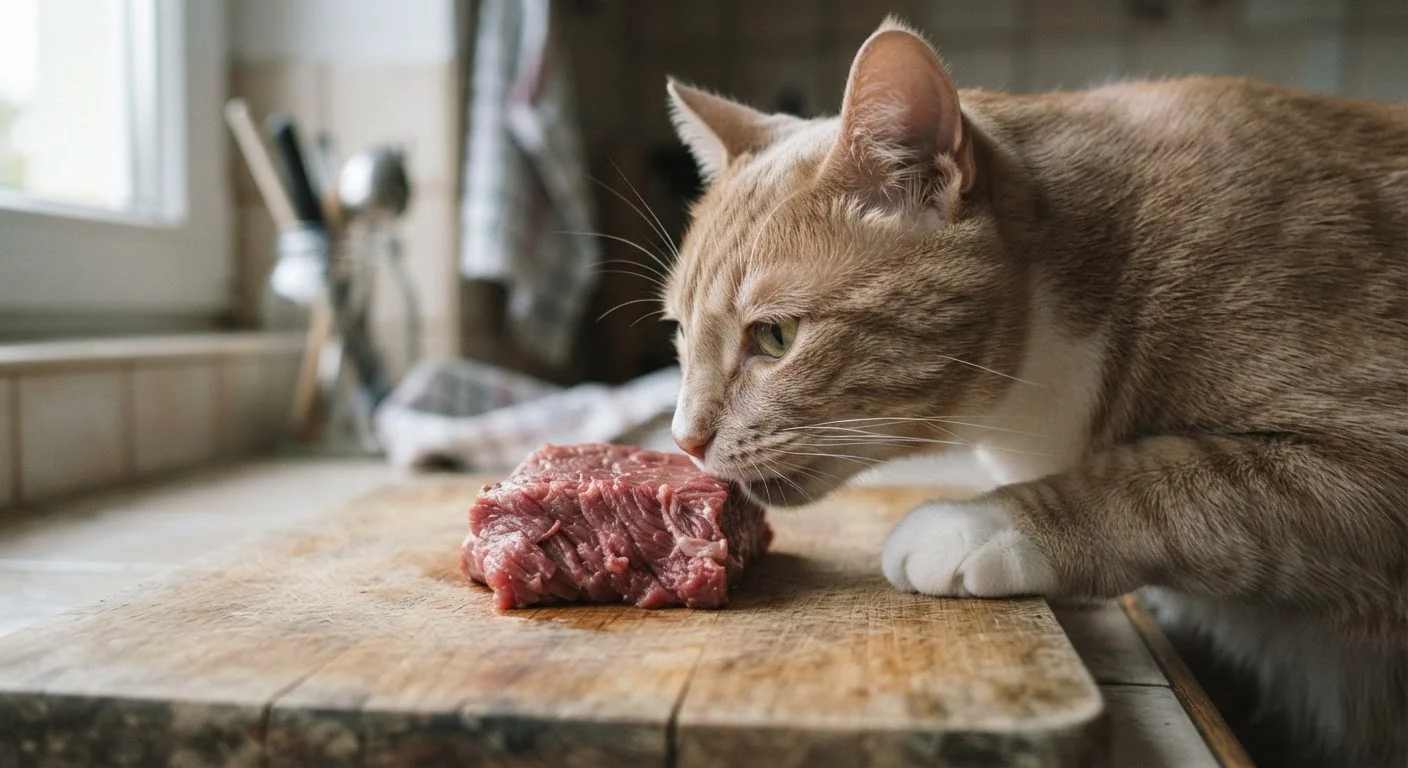
Oral pain from dental disease, jaw disorders, or mouth lesions can make eating uncomfortable and cause a pet to drop food, favor one side of the mouth, or avoid hard kibble. Systemic pain — from abdominal issues, injury, or illness — commonly suppresses appetite altogether. Unexplained increases in water consumption alongside lethargy or posture changes may also warrant attention. Nutritional deficiencies can produce some overlapping symptoms, so a veterinarian can help distinguish the cause.
Dropping food or favoring one side of the mouth often points to dental or oral pain.
Withdrawal and reduced social interaction
A normally affectionate dog or cat that suddenly seeks isolation, hides under furniture, or recoils from petting may be self-protecting due to pain. Conversely, some animals in pain become clingier and more anxious than usual. Reading your dog's body language holistically — including ear position, eye contact, and tail carriage — helps distinguish pain-related withdrawal from anxiety or fear responses.
A usually social pet hiding or refusing touch is one of the most consistent behavioral pain signals.
Excessive grooming or self-directed attention
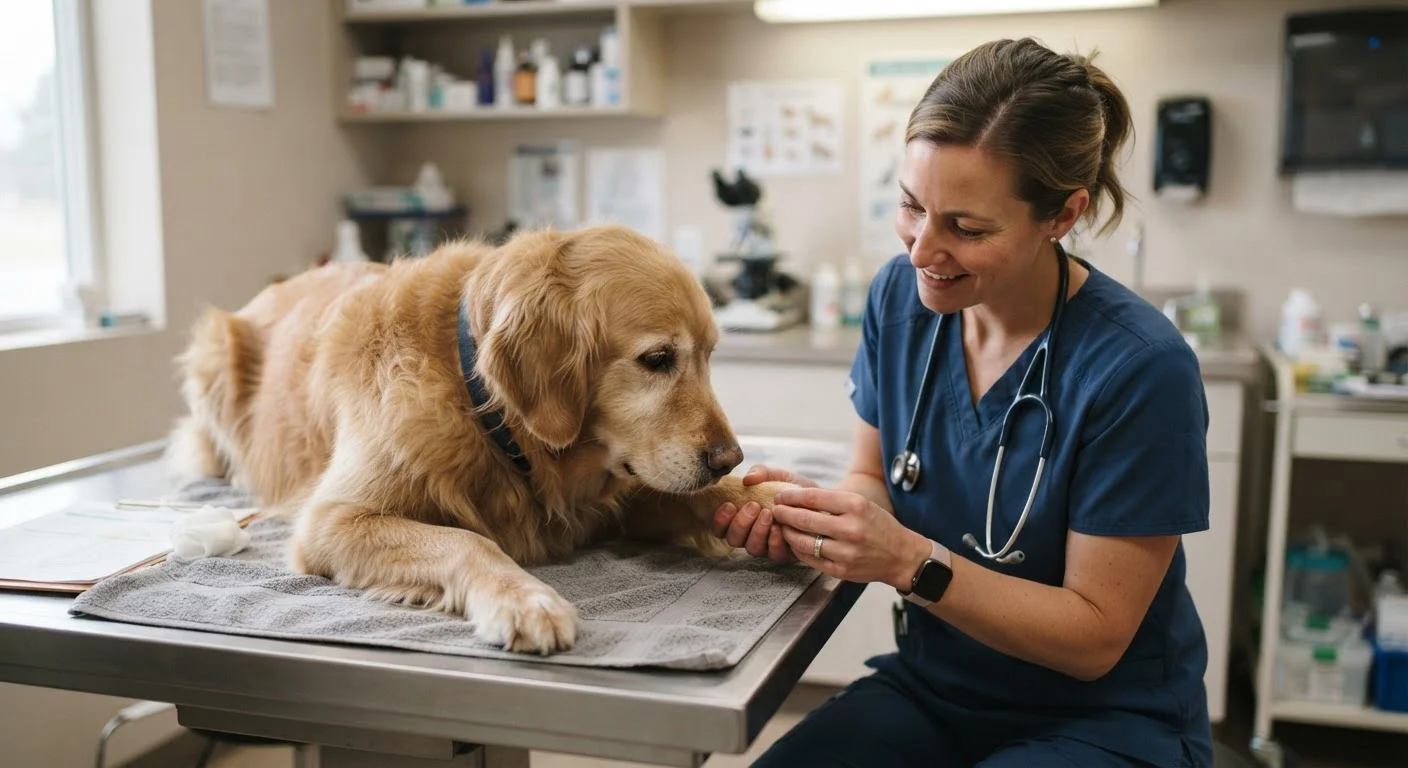
Pets in localized pain often repeatedly lick, chew, or scratch a specific area — even when no visible wound or skin problem is present. Cats may over-groom a patch of fur down to bare skin over a sore joint or internal discomfort site. Dogs may obsessively lick a paw affected by arthritic pain or a soft-tissue injury. If self-directed behavior is focused and repetitive, it warrants a physical examination rather than a behavioral interpretation alone.
Repetitive licking or chewing at one spot — even with no visible wound — often signals localized pain.
Respiratory changes and facial tension
Panting in dogs that is disproportionate to activity level or environmental temperature can signal pain or acute distress. Cats in significant pain may breathe with their mouths open, a behavior that is always clinically concerning in felines. Squinted eyes, a furrowed brow, flattened ears, or a tightly set jaw are recognized components of validated feline and canine pain-assessment scales used by veterinarians. Labored breathing or open-mouth breathing in a cat is a potential emergency requiring immediate veterinary attention.
Open-mouth breathing in a cat is always a veterinary emergency — do not wait to seek care.
Keep a simple pain observation log
Before your vet appointment, jot down the date, time, and description of each unusual behavior you observe. Note whether symptoms worsen after rest, after activity, or when a particular area is touched. Even two or three days of brief notes can give your veterinarian meaningful diagnostic context and shorten the time to an accurate assessment.
What to Do When You Suspect Pain
If your pet displays one or more of the signs above, schedule a veterinary appointment promptly — same-day if signs are severe or sudden. Bring notes on when symptoms began, how frequently they occur, and any recent changes to routine, diet, or environment. Video recordings of abnormal gait or behavior can be especially helpful to share with your vet.
Do not administer human pain relievers. Ibuprofen, acetaminophen, and aspirin are toxic to cats and dangerous for most dogs even at low doses. Only use medications prescribed specifically for your pet, at the dose and frequency your veterinarian directs.
Owners of older animals should be particularly vigilant. Chronic pain conditions such as osteoarthritis are common in senior pets and often develop so gradually that owners attribute the changes to normal aging. See our senior pet care guide for a broader look at how health needs evolve over time.
This article provides general health information for educational purposes only and is not a substitute for professional veterinary advice, diagnosis, or treatment. Always consult a licensed veterinarian regarding your pet's specific health concerns.