Why Routine Matters More Than Most Owners Realize
Pets — particularly dogs and cats — are creatures of habit whose nervous systems respond strongly to predictability. Consistent daily schedules regulate biological rhythms related to digestion, sleep, cortisol release, and immune function. When a routine is absent or erratic, animals can exhibit stress-related behaviors including excessive vocalization, destructive chewing, inappropriate elimination, or appetite changes.
Behavioral scientists have long documented that animals living in structured environments show lower baseline anxiety than those in unpredictable ones. For pet owners, this means that a reliable routine isn't a luxury — it's foundational preventive care. It complements everything from reward-based training to long-term disease prevention.
“Predictability is not a luxury for animals — it is a biological need. When an animal can anticipate what comes next, its stress response quiets and it can allocate energy to growth, health, and learning.”
— Overall consensus reflected in veterinary behavioral medicine literature, Foundational principle in applied animal behavior science
Core Elements Every Pet Routine Should Include
A well-structured routine doesn't need to be rigid to the minute, but it should address the same categories of need each day. The following practices form the backbone of sustainable pet wellness.
Feed your pet at the same times each day using species-appropriate portions.
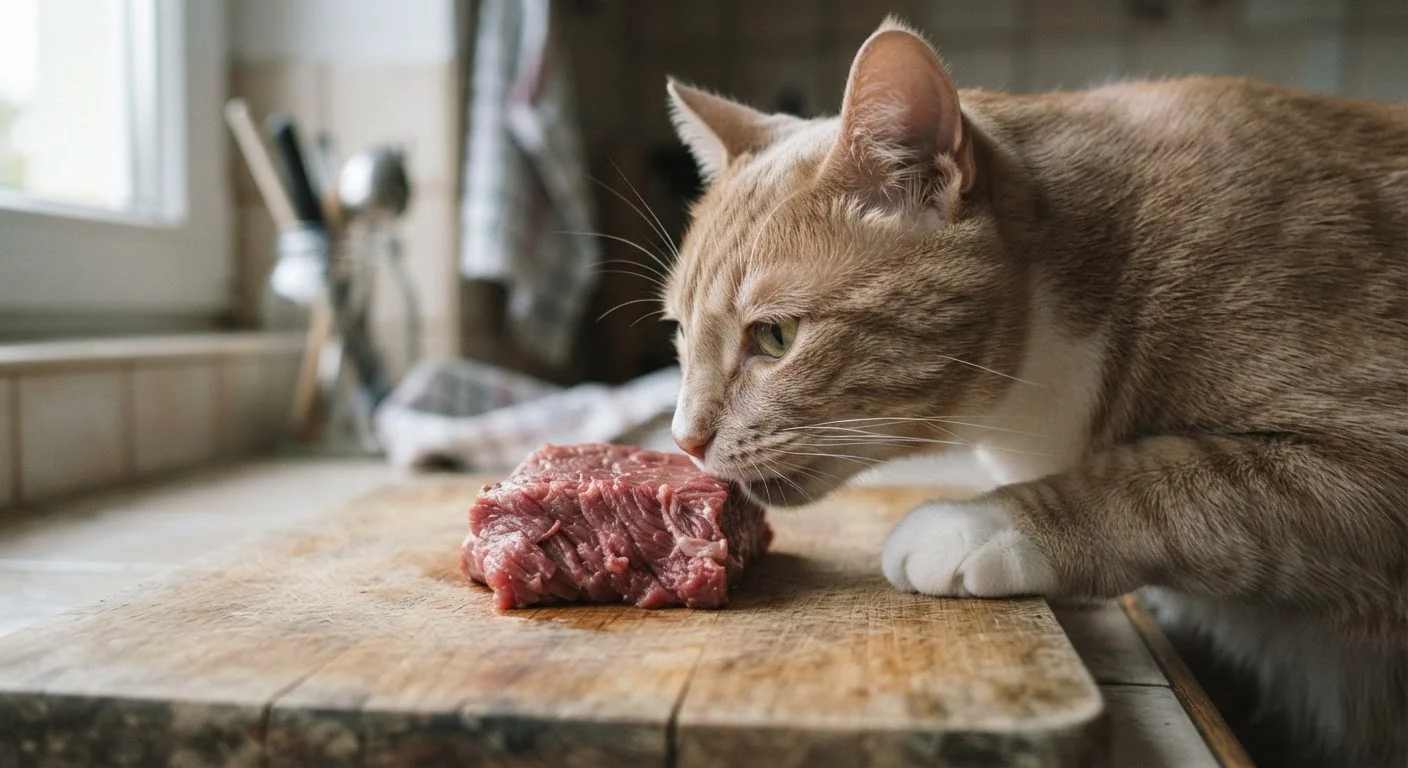
Consistent mealtimes regulate digestive function and help maintain a healthy weight. They also reduce food-guarding anxiety and make it easier to notice appetite changes — often an early sign of illness.
Schedule exercise and play at consistent times suited to your pet's energy level and species.
Physical activity prevents obesity, supports joint health, and provides essential mental stimulation. Routine exercise windows also reduce hyperactivity and destructive behavior by channeling energy constructively.
Establish a consistent sleep environment and wind-down period each night.
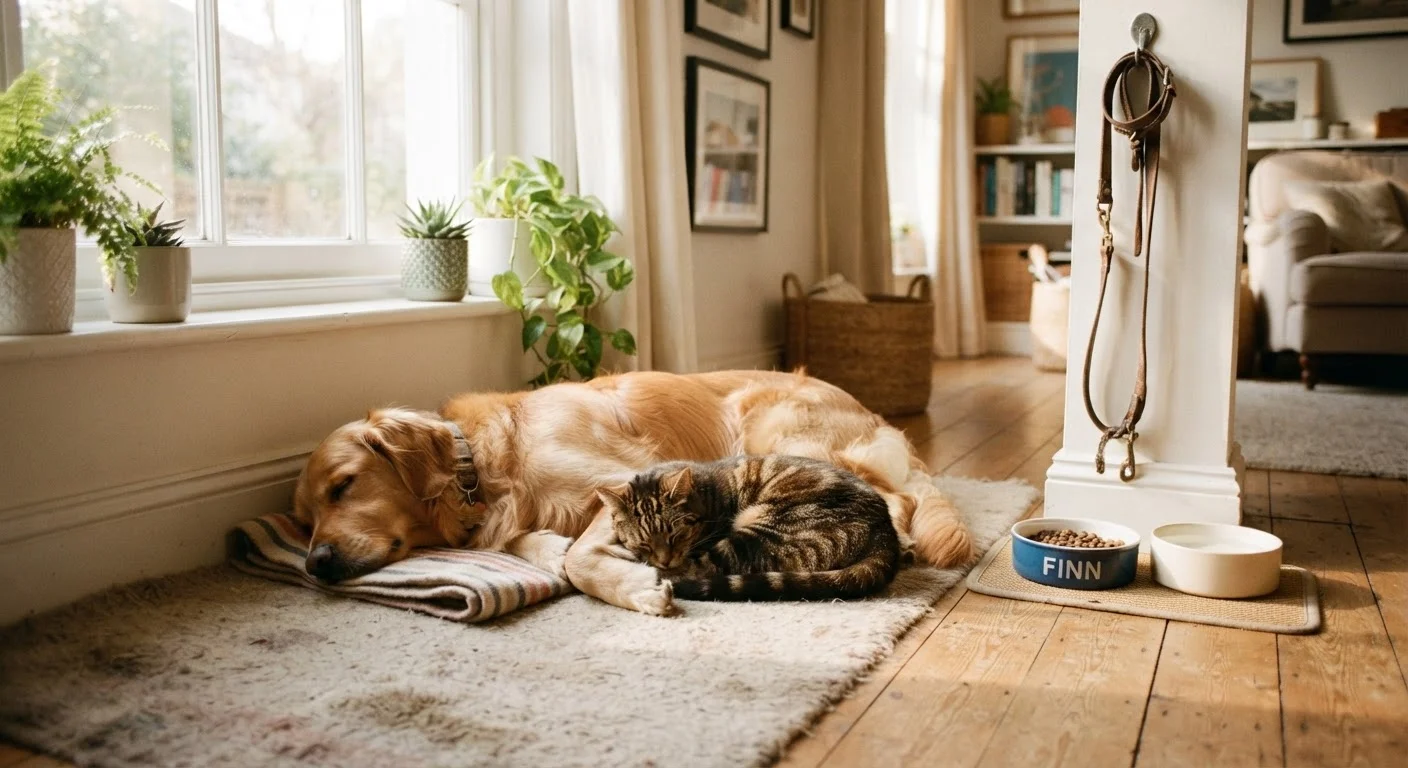
Pets benefit from cues that signal the end of the active day. A predictable sleep location and a quieter household period in the evening support quality rest, which is essential to immune function and emotional regulation.
Integrate short, daily training sessions into the routine at a fixed time.
Brief, consistent training reinforces learned behaviors and strengthens the owner-pet bond. Irregular training undermines retention and makes it harder for pets to understand what's expected of them.
Create a calm, predictable pre-vet preparation ritual to reduce appointment anxiety.
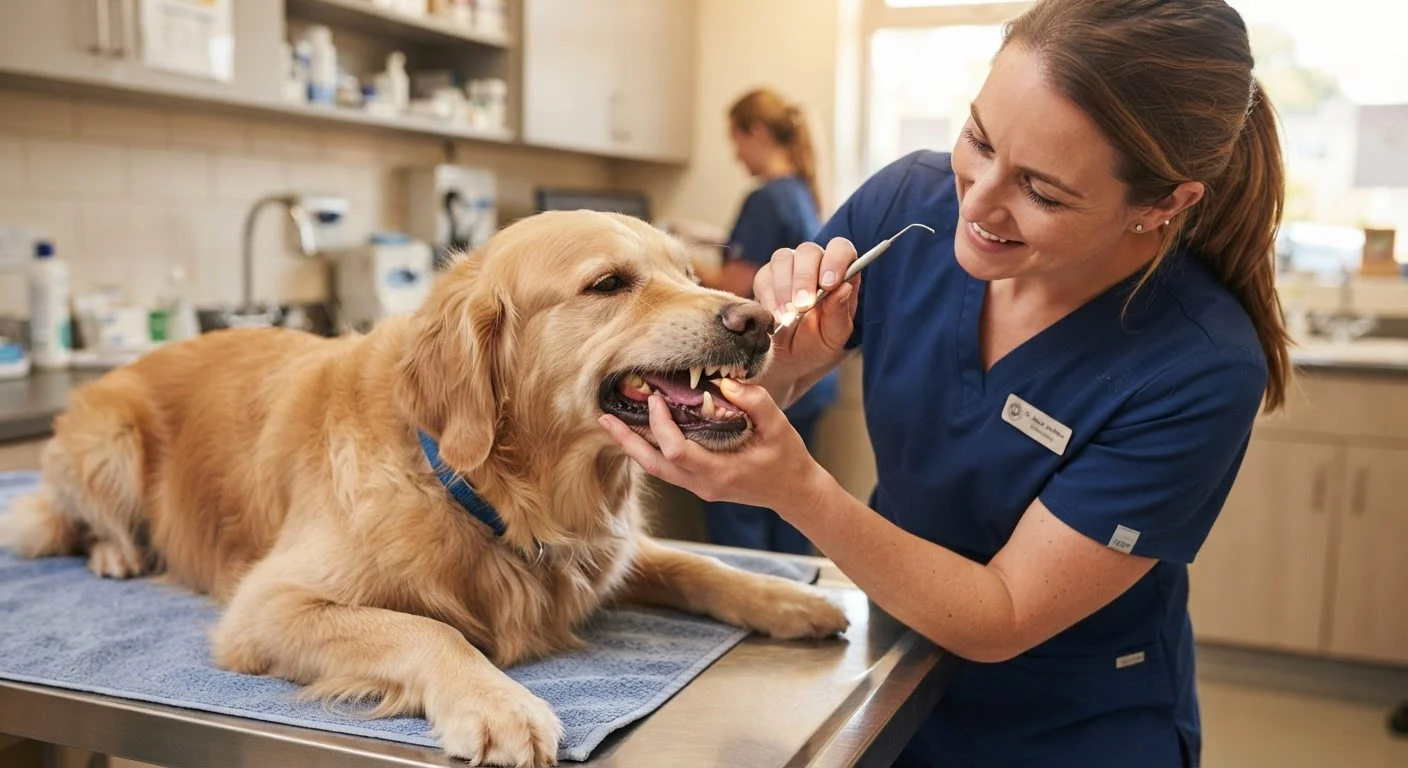
Pets that are regularly handled — ears checked, paws touched, mouths briefly examined — at home tolerate veterinary exams with less stress. Routine desensitization prevents fear from escalating over time.
Fitting Preventive Care Into Your Routine
Routine wellness tasks — parasite prevention, dental hygiene, coat and nail checks — are easy to skip when life gets busy, but their cumulative benefit is significant. Building them into existing habits (such as a weekend grooming check or a monthly reminder on your calendar) makes them far more sustainable.
Annual veterinary visits are the most critical scheduled event in any pet's year. During a wellness exam, your veterinarian evaluates organ function, dental health, weight, and vaccination status — catching issues that aren't yet visible at home. Pair your vet appointments with a preventive care checklist to stay organized year-round.
~47%
US pet owners who skip annual vet visits
Survey data from the American Veterinary Medical Association has consistently found that a significant share of owned pets do not receive annual preventive care examinations.
2x
Detection advantage with routine exams
Veterinary research indicates that animals seen regularly for wellness visits are more likely to have early-stage conditions detected before they become costly or life-threatening.
Vaccination schedules are another non-negotiable routine element. Core vaccines protect against serious, often fatal diseases, and boosters must be kept current. Talk to your vet about appropriate vaccine timing for your pet's age and lifestyle.
Sync Pet Care Tasks to Your Own Habits
The most sustainable routines piggyback on things you already do reliably. Consider pairing your pet's morning feeding with your own breakfast preparation, or a brief coat check with your evening wind-down. Habit stacking reduces the mental load of remembering separate tasks and makes it far less likely that care steps get skipped during busy weeks.
Quick Wins: Start Building Your Pet's Routine Today
You don't need to overhaul your entire household schedule at once. These immediately actionable steps can meaningfully improve your pet's daily experience with minimal disruption to your own.
Adapting Routines as Your Pet Ages
No routine lasts unchanged forever. Puppies and kittens require high-frequency feeding and intensive socialization windows that naturally shift as animals mature. Senior pets often need shorter but more frequent exercise sessions, dietary adjustments, and more regular veterinary monitoring.
Understanding how health needs shift with age allows you to modify the routine proactively rather than reactively. Sudden behavioral changes in older pets — such as altered sleep patterns, increased vocalization, or reluctance to exercise — can signal medical issues and should prompt a vet visit. Learn more about when behavior changes warrant a vet call before assuming a training problem.
Gradual Transitions Protect Sensitive Pets
If you need to shift feeding times, sleep arrangements, or exercise schedules — due to a new job, travel, or a change in household members — make changes incrementally over one to two weeks rather than all at once. Abrupt routine changes are a common but overlooked trigger for stress-related symptoms including gastrointestinal upset, house soiling, and increased aggression. Talk to your veterinarian or a certified animal behaviorist if your pet shows persistent distress during a transition.
This article provides general information for educational purposes and is not a substitute for professional veterinary advice. Always consult a licensed veterinarian for guidance specific to your pet's health and circumstances.