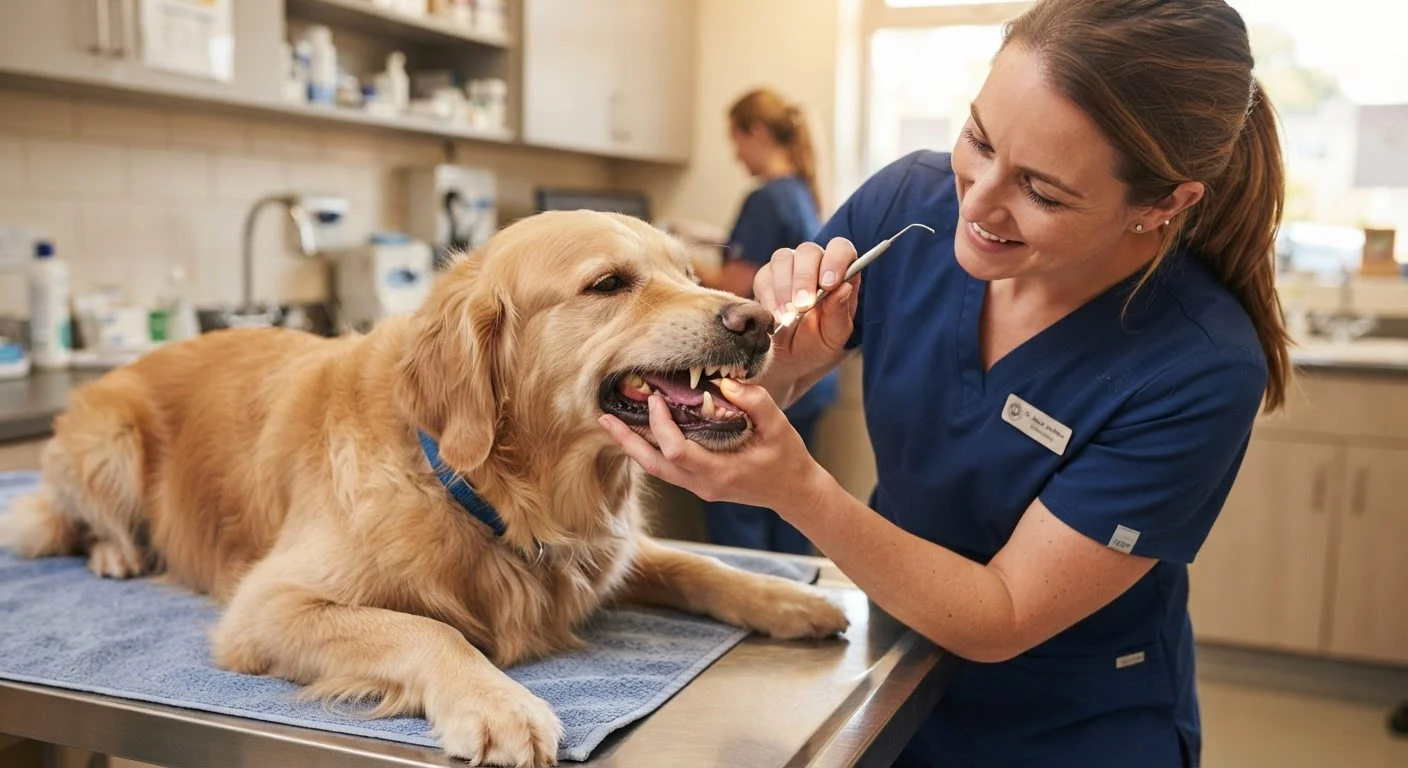

Why Vaccines Matter Across Every Life Stage
Vaccines work by training your pet's immune system to recognize and fight specific pathogens — before a real exposure happens. For dogs and cats, a carefully timed vaccine schedule isn't just a one-time puppy or kitten task; it's an ongoing commitment that shifts as your pet ages, their lifestyle changes, and their immune needs evolve.
Veterinary organizations such as the American Animal Hospital Association (AAHA) and the American Association of Feline Practitioners (AAFP) publish evidence-based guidelines that distinguish between core vaccines — recommended for virtually all dogs or cats — and non-core vaccines, which are given based on individual risk factors like geography, housing, and outdoor access. Understanding this distinction helps you have a more productive conversation with your veterinarian.
Vaccination is a cornerstone of the broader preventive care picture. See our preventive pet care checklist for a fuller view of routine health tasks at every interval.
| Core dog vaccines | DAP (Distemper, Adenovirus, Parvovirus) + Rabies (AAHA Canine Vaccination Guidelines) |
| Core cat vaccines | FVRCP (Panleukopenia, Herpesvirus, Calicivirus) + Rabies (AAFP Feline Vaccination Guidelines) |
| Puppy/kitten series start age | 6–8 weeks, given every 3–4 weeks until 16 weeks (AAHA/AAFP guidelines) |
| Adult core vaccine interval | Every 3 years for most core vaccines after initial boosters (AAHA Canine Vaccination Guidelines) |
| Rabies legal requirement | Required by law in most U.S. states for dogs and cats (Varies by state and municipality) |
| Titer testing | Blood test to measure existing antibody levels; may inform booster decisions (Discussed in AAHA guidelines) |
Puppies and Kittens: Building Immunity from the Start
Young animals receive temporary immunity from their mother's antibodies (called maternal antibodies), but this protection wanes unpredictably — typically between 6 and 16 weeks of age. Vaccine series are designed to overlap this window, ensuring protection kicks in as maternal immunity fades.
Core Vaccines for Puppies
- Distemper, Adenovirus, Parvovirus (DAP or DHPP): Usually given in a series every 3–4 weeks from 6–8 weeks of age until 16 weeks, then boostered at 1 year.
- Rabies: A single dose is typically given at 12–16 weeks, required by law in most U.S. states.
Core Vaccines for Kittens
- Feline Panleukopenia, Herpesvirus, Calicivirus (FVRCP): Series begins at 6–8 weeks, given every 3–4 weeks until 16 weeks, boostered at 1 year.
- Rabies: Administered at 12–16 weeks; legally required in most jurisdictions.
Nutrition also plays a role in how well young animals respond to vaccines — a malnourished pet may have a blunted immune response. Our guide on adjusting what you feed as your pet ages covers the nutritional needs of growing animals.
Core vaccine
A vaccine recommended for all pets of a given species, regardless of lifestyle, because the disease is severe, widespread, or transmissible to humans. Examples include rabies and parvovirus vaccines.
Non-core vaccine
A vaccine given selectively based on a pet's individual risk factors, such as geographic location, outdoor exposure, or contact with other animals. Bordetella and Lyme disease vaccines are common examples.
Maternal antibodies
Temporary immunity passed from a mother to her offspring through colostrum (first milk). This protection fades unpredictably in the first weeks of life, which is why early vaccine series are timed to overlap this window.
Titer test
A blood test that measures the level of antibodies against a specific disease in a pet's bloodstream. Vets may use titers to determine whether a booster vaccine is currently needed.
Booster
A follow-up dose of a vaccine given after the initial series to maintain or reinforce the immune system's protection over time.
Adult Pets: Maintaining Protection
Once the initial series and one-year boosters are complete, most core vaccines shift to a 3-year schedule for adult dogs and cats, based on research showing durable immunity. Rabies vaccine intervals (1-year vs. 3-year) depend on local regulations and the specific product used — your vet will clarify what applies in your state.
Non-Core Vaccines Worth Discussing
Your veterinarian will assess lifestyle factors to recommend non-core vaccines. Common examples include:
- Dogs: Bordetella (kennel cough), Leptospirosis, Canine Influenza, Lyme disease
- Cats: Feline Leukemia Virus (FeLV — often considered core for kittens; non-core for low-risk adults), Bordetella, Feline Immunodeficiency Virus (FIV)
A dog that frequents dog parks, boarding facilities, or wooded areas faces meaningfully different exposure risks than one with limited contact with other animals. Be candid with your vet about your pet's environment. Annual wellness exams are the right moment to reassess this — our article on your pet's annual wellness exam explains what those visits cover.
Lifestyle Changes Mean Vaccine Needs Can Change
If you adopt a second pet, move to a new region, start boarding your dog, or allow your previously indoor cat outside, notify your veterinarian. Risk factors shift when an animal's environment changes, and non-core vaccine recommendations should be updated accordingly. Don't wait until the next scheduled visit if a major lifestyle change occurs.
Senior Pets: Adapting the Schedule
Older pets don't automatically need fewer vaccines — but their overall health status matters more. A senior dog or cat with chronic kidney disease, immune-mediated illness, or cancer may need an individualized vaccine plan developed in close collaboration with a veterinarian. Some veterinarians use titer testing (measuring antibody levels in blood) to assess whether a booster is needed rather than vaccinating on a fixed calendar.
As your pet ages, wellness visits may increase to twice yearly, and vaccine decisions become part of a broader health conversation that includes organ function screening and mobility assessment. For a comprehensive look at how care needs shift, see our guide on senior pet care.
Vaccination schedules should also be reviewed alongside parasite prevention, which carries its own age-related considerations. Our overview of flea, tick, and heartworm prevention is a useful companion resource.
This article is for general informational purposes only and is not a substitute for professional veterinary advice. Always consult a licensed veterinarian to develop a vaccination plan appropriate for your individual pet.