Why a Preventive Care Schedule Matters
Reactive care — treating problems after they appear — is almost always more expensive, more stressful, and harder on your pet than catching issues early. A structured preventive care routine helps you spot the small changes that signal something bigger: a slight weight loss, a new lump, a change in drinking habits. Most veterinary organizations recommend that owners treat preventive care the way they treat a household maintenance calendar — with scheduled tasks at regular intervals.
This checklist organizes those tasks by frequency: monthly, seasonal, and annual. It applies broadly to dogs and cats; your veterinarian will help you adapt it to your specific animal's age, breed, and health history. For a deeper look at how to build these habits into daily life, see how to build a consistent pet routine.
Monthly Tasks
Seasonal Tasks
Annual Tasks
Tools and Supplies to Have on Hand
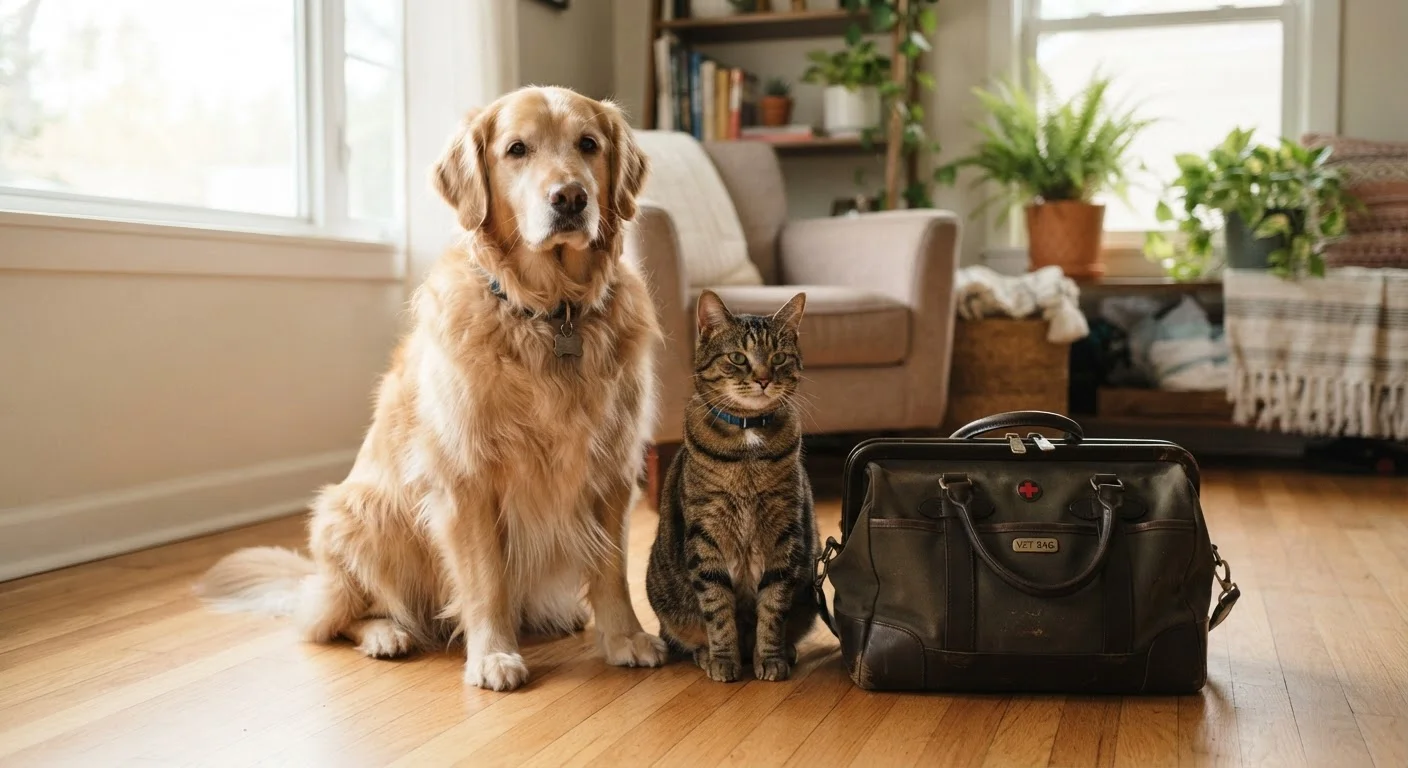
Working through this checklist is far easier when the right supplies are already in your home. You don't need an extensive kit, but having these basics accessible means routine checks don't get skipped simply because something isn't within reach.
Digital pet scale or household scale
Enables consistent monthly weight tracking to detect gradual changes invisible to the eye.
Soft-bristle pet toothbrush and pet-safe toothpaste
Used for routine at-home dental hygiene between professional cleanings.
Nail clippers designed for dogs or cats
Allows safe monthly nail trimming appropriate to your pet's nail size and thickness.
Ear cleaning solution (vet-approved)
Supports routine ear maintenance and helps reduce buildup that can lead to infections.
Pet first-aid kit
Provides essential supplies — gauze, antiseptic, emergency contact cards — for minor injuries at home.
Written health log or pet health app
Tracks weight, behavioral observations, and care dates so you arrive at vet visits with accurate information.
Never Use Human Products on Pets
Many products safe for humans — including certain toothpastes containing xylitol, essential oils, and medicated shampoos — are toxic to dogs and cats. Always use products specifically formulated and labeled for your species of pet. When in doubt, consult your veterinarian before introducing any new grooming or topical product.
What to Expect at the Annual Vet Exam
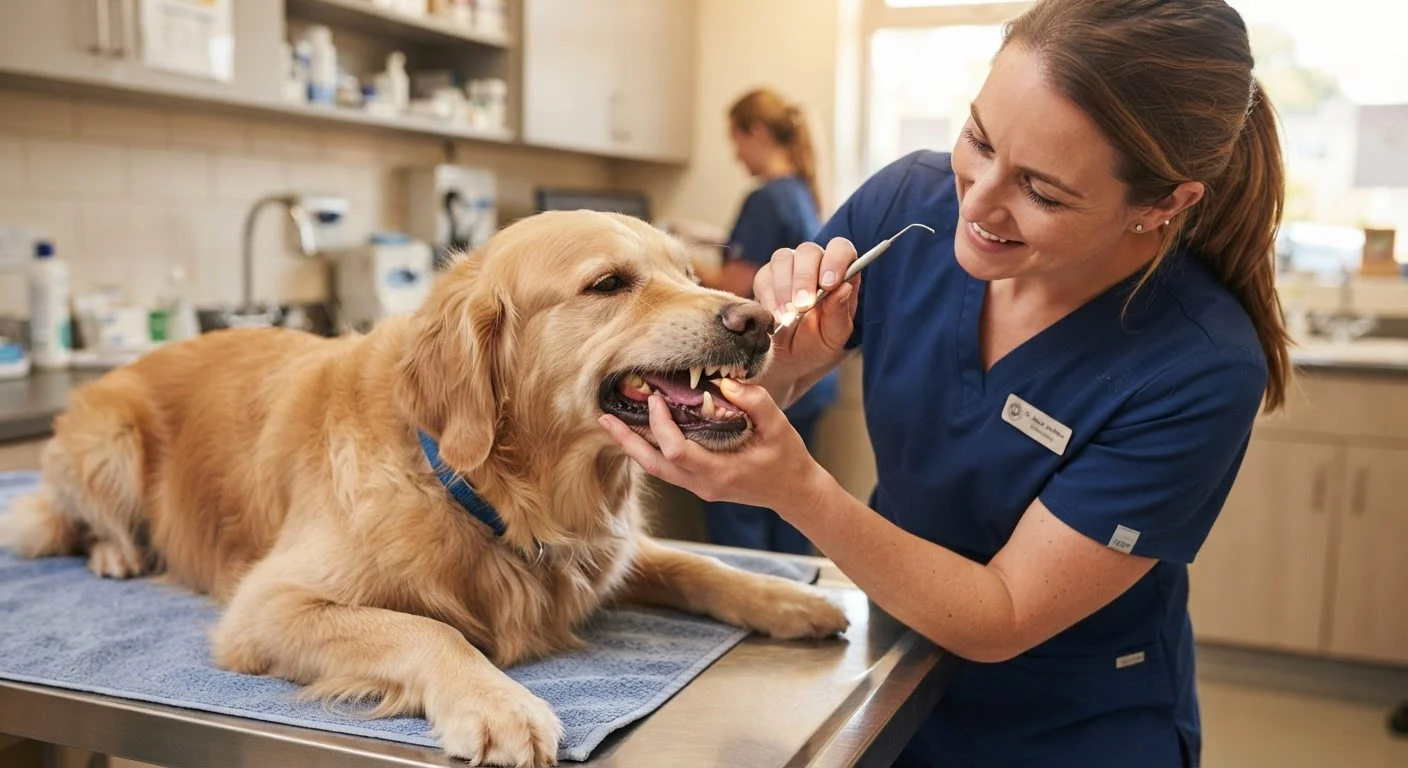
The annual wellness exam is your most important preventive tool. A veterinarian will conduct a nose-to-tail physical assessment, review vaccination status, discuss parasite prevention, evaluate dental health, and screen for conditions common to your pet's age and breed. Blood panels and urinalysis are often recommended for pets over seven years old to establish baseline values and catch organ changes early.
If your pet experiences anxiety around clinic visits, preparation makes a measurable difference. See strategies for vet visit anxiety for practical approaches before your next appointment. For pets entering their senior years, note that care needs shift significantly — senior pet health needs covers what changes to anticipate and plan for.
Senior Pets Need More Frequent Exams
Dogs and cats are generally considered seniors around age seven, though this varies by species and size. Most veterinarians recommend wellness exams every six months for senior pets rather than annually. Earlier and more frequent screening significantly improves the odds of catching age-related conditions — including kidney disease, arthritis, and dental disease — at a manageable stage.
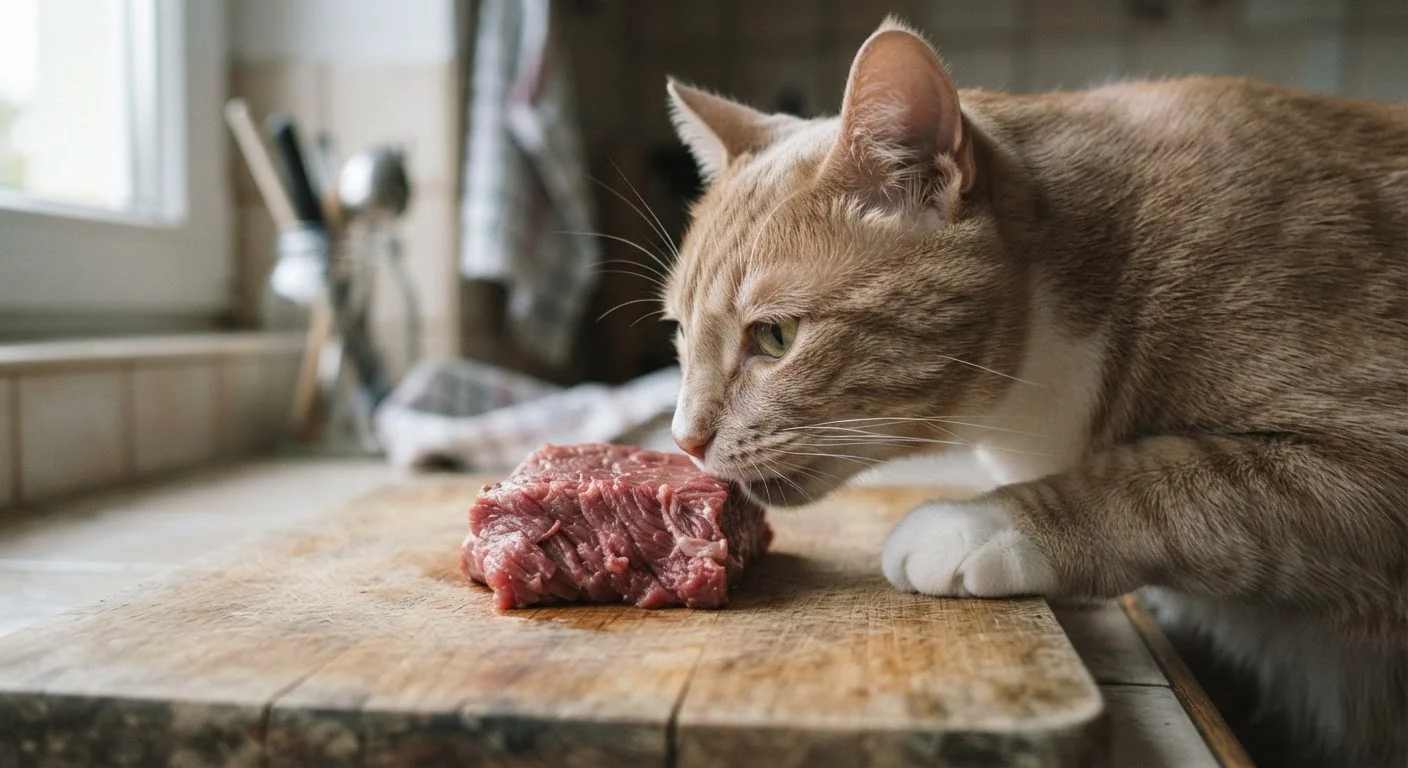
Nutrition also plays a central role in preventive health. Feeding an age-appropriate, species-suitable diet supports immune function, healthy weight, and coat condition. The pet nutrition hub provides guidance on evaluating food choices for dogs and cats at different life stages.
This article is for general informational and educational purposes only and does not constitute veterinary medical advice. Always consult a licensed veterinarian for guidance specific to your pet's health needs.