What a Vet Actually Does During the Exam
Most pet owners associate wellness visits with vaccines and a quick weigh-in. In practice, a trained veterinarian conducts a systematic physical assessment that touches nearly every body system. Here's what that typically includes:
- Weight and body condition score: Your vet assesses not just the number on the scale but the distribution of fat and muscle — a tool called the body condition score (BCS) that flags under- or overweight status with more precision than weight alone.
- Eyes, ears, and nose: Checked for discharge, cloudiness, redness, signs of infection, or structural changes that could indicate systemic disease.
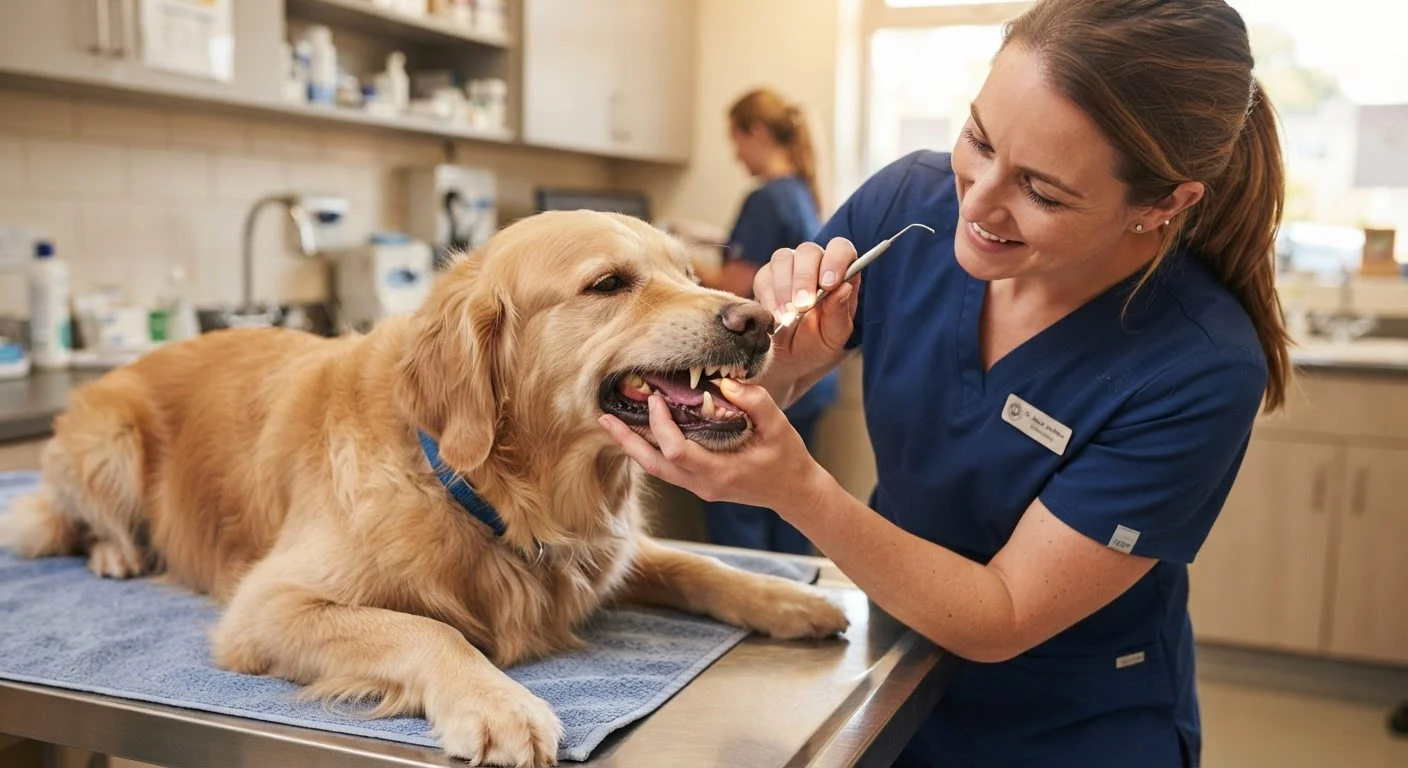
- Mouth and teeth: Dental disease affects the majority of dogs and cats over age three. Tartar buildup, gum inflammation, and loose teeth are noted and discussed.
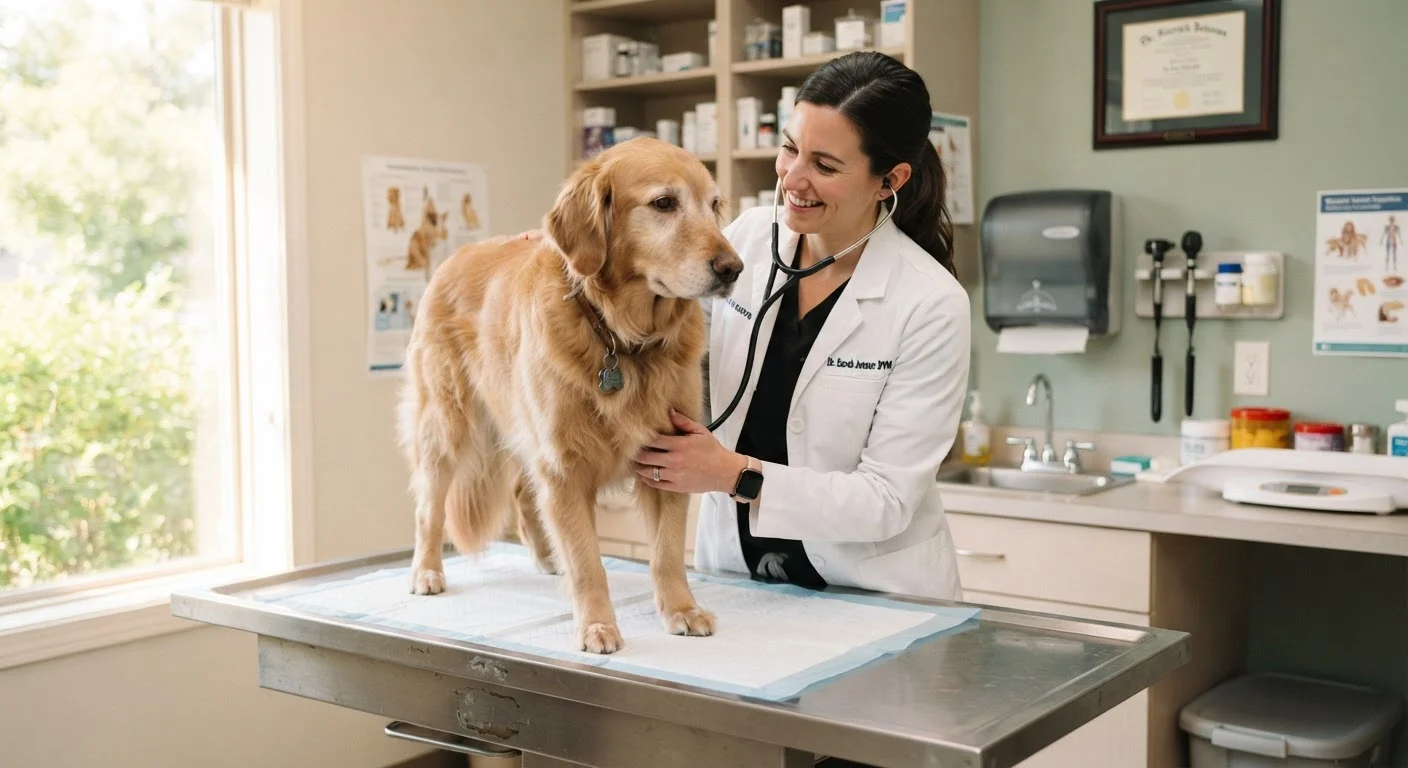
- Heart and lungs: A stethoscope listen identifies murmurs, arrhythmias, or abnormal lung sounds that may warrant follow-up diagnostics.
- Abdomen: Gentle palpation detects organ enlargement, unusual masses, or pain responses that aren't visible externally.
- Skin and coat: Parasites, lumps, hair loss, and skin irritation are evaluated — many dermatological and systemic conditions present cutaneously first.
- Lymph nodes and joints: Swollen lymph nodes can signal infection or immune activity; joint palpation screens for early arthritis, especially in older or large-breed dogs.
This head-to-tail review takes roughly 10–15 minutes of hands-on assessment. What's found — or not found — shapes the rest of the appointment.
What a Wellness Exam Is Not
A wellness exam is not a guarantee that your pet is completely disease-free — it is a snapshot in time using the tools available at that visit. Some conditions require additional diagnostics to detect, and others can emerge between appointments. Think of the annual exam as an essential layer of monitoring, not a comprehensive clearance. If you notice changes in your pet between visits, contact your vet rather than waiting for the next scheduled appointment.
Lab Work, Parasite Screening, and Vaccines
Depending on your pet's age and history, the physical exam may be followed by diagnostic testing. Common additions include:
- Fecal test: A stool sample screens for intestinal parasites like roundworms, hookworms, and Giardia — organisms your pet can carry without obvious symptoms.
- Heartworm test: Most vets recommend annual heartworm antigen testing for dogs. This blood test detects adult heartworm infection before clinical signs develop. You can learn more about how preventives work in our overview of flea, tick, and heartworm prevention.
- Bloodwork: A complete blood count (CBC) and chemistry panel assess organ function, blood cell levels, and metabolic markers. These become increasingly valuable in middle-aged and senior pets as a baseline for comparison.
- Urinalysis: Kidney function, urinary tract infections, and early diabetes can all show up in a urine sample before other symptoms appear.
Vaccine administration is reviewed and updated at wellness visits. Your vet will consult your pet's immunization record and local disease prevalence to determine which vaccines are appropriate. For a life-stage breakdown, see our guide to vaccines your dog or cat needs.
Bring a Stool Sample to Every Exam
Many clinics ask you to bring a fresh fecal sample (collected within 24 hours of the appointment) for parasite screening. Call ahead to confirm your clinic's preference on sample size and storage. Collecting the sample the morning of the visit and refrigerating it in a sealed container is a widely accepted method — but verify with your specific veterinary practice.
Why Frequency and Timing Matter
The value of a wellness exam compounds over time. Each year's findings are compared against previous records, making it easier to spot gradual changes — a slowly rising creatinine level, incremental weight gain, a heart murmur progressing in grade — that could be missed if visits are sporadic.
Life stage significantly influences how often your pet should be seen. Puppies and kittens typically visit every three to four weeks during their first few months for a vaccine series and developmental monitoring. Adult dogs and cats (roughly ages one through seven, varying by species) are generally well-served by one exam per year. Senior pets benefit from semi-annual visits because age-related conditions — kidney disease, hyperthyroidism in cats, arthritis, cognitive changes — can progress quickly. Our article on senior pet health needs covers what changes to expect and watch for.
Annual wellness visits also fit naturally into a broader preventive care calendar. If you're looking for a structured framework, our preventive care checklist outlines monthly, seasonal, and annual tasks that complement your vet appointments.
70%+
Dogs and cats with dental disease by age 3
The American Veterinary Medical Association (AVMA) notes that periodontal disease is one of the most common clinical conditions in adult pets, making oral assessment during wellness exams especially important.
2x/year
Recommended visit frequency for senior pets
Major veterinary organizations, including the American Animal Hospital Association (AAHA), generally recommend semi-annual wellness exams for dogs and cats considered senior, due to the accelerated pace of age-related health changes.
1 in 100
Dogs test positive for heartworm annually in the US
According to the American Heartworm Society's triennial survey data, heartworm disease is diagnosed across all 50 states, underscoring the value of annual testing even in lower-prevalence regions.
Making the Most of the Appointment
The wellness exam is a two-way conversation, not just a clinical procedure. Come prepared with observations you've made at home: changes in water intake, appetite, sleep patterns, activity level, or behavior. These everyday details are often clinically significant and can be easy to forget in the moment.
This is also the right time to raise questions about nutrition. Your vet can assess whether your pet's current diet aligns with their life stage and body condition. Our pet nutrition hub offers additional background on feeding fundamentals if you want to prepare informed questions.
If your pet finds vet visits stressful, planning matters. See our guidance on preparing anxious pets for vet visits for strategies that can reduce stress for both of you. A predictable routine around vet visits — consistent scheduling, the same clinic when possible — also reinforces your pet's overall sense of stability, as explored in our piece on building a consistent routine.
This article is for general informational purposes only and does not constitute veterinary medical advice. Always consult a licensed veterinarian for guidance specific to your pet's health needs.