Why Behavior and Medicine Are Inseparable
A pet who suddenly starts eliminating indoors, growling at familiar family members, or pacing at night is communicating something — but it may not be what it looks like. Behavior is a product of both the brain and the body, and when the body is compromised, behavior changes accordingly. Owners who recognize this connection make faster progress than those who treat behavior as a training problem in isolation.
The mistake-to-avoid framework below covers the most common errors owners make when a pet's behavior shifts. Each mistake delays accurate diagnosis and, in many cases, prolongs suffering. Understanding why these errors happen — and what to do instead — puts you in a stronger position to advocate for your pet. For a broader look at keeping your pet healthy, explore our Pet Health & Care resource hub.
Always Rule Out Medical Causes First
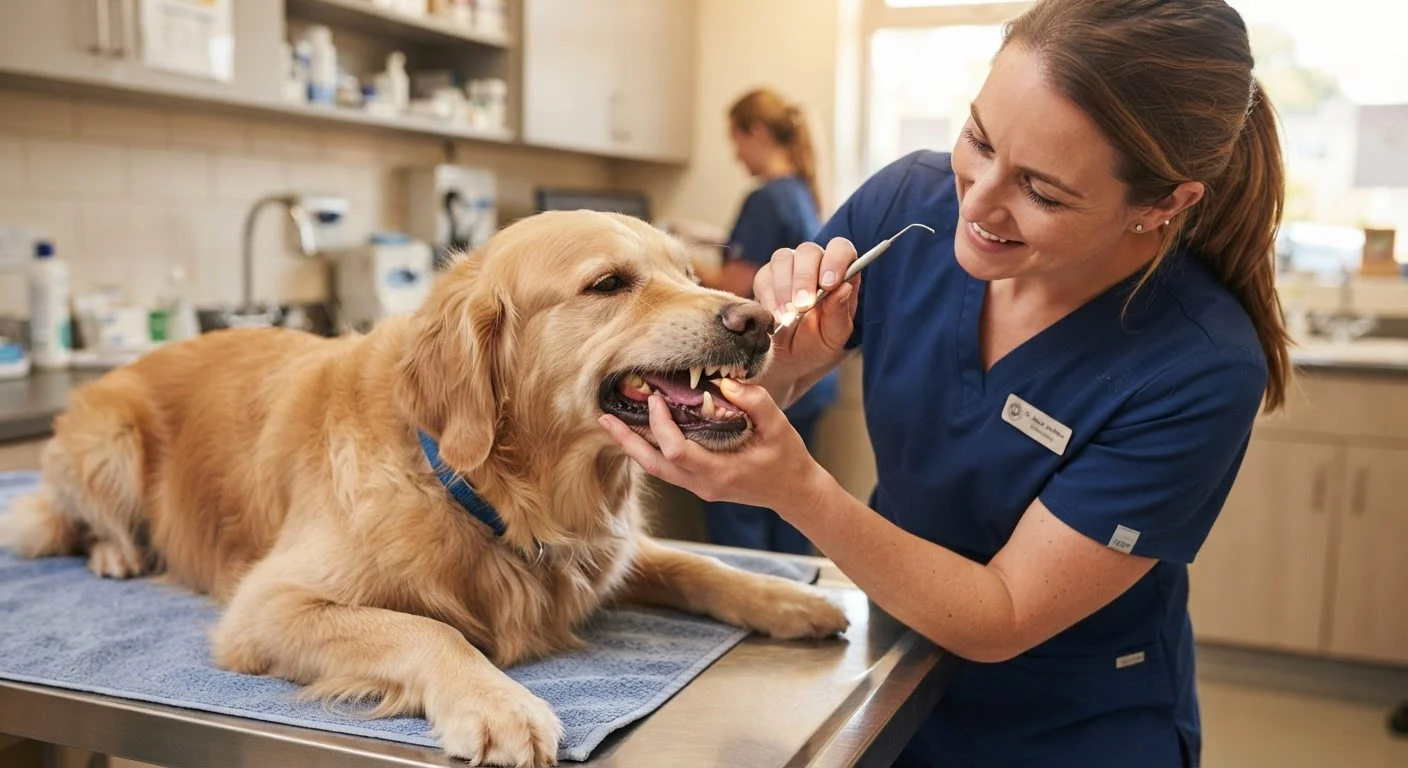
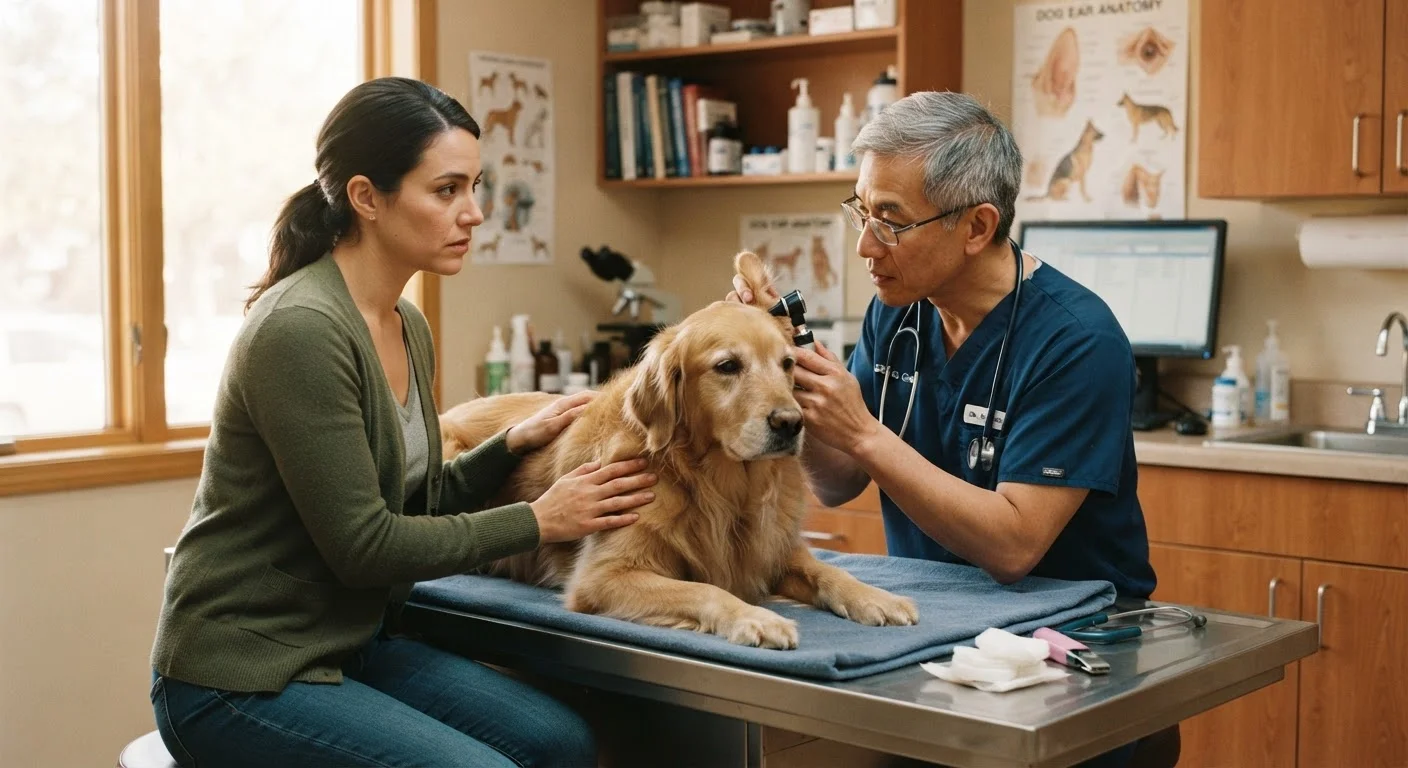
Before implementing any behavior modification program, schedule a thorough veterinary examination. Conditions such as hypothyroidism, urinary tract infections, arthritis, and cognitive dysfunction can all produce dramatic behavioral changes. Treating behavior alone while a medical problem goes unaddressed causes unnecessary suffering and rarely resolves the issue.
Common Mistakes — and How to Avoid Them
The following patterns emerge repeatedly in veterinary and behavioral consultations. Recognizing them early can prevent weeks of misdirected effort and help your pet get the right support sooner.
Labeling a sudden behavioral change as a "training problem" without first consulting a veterinarian.
Why it happens: Owners often assume that undesirable behavior is rooted in stubbornness, boredom, or a gap in training — especially if the pet previously behaved well.
Interpreting house soiling as spite or regression rather than a possible urinary, gastrointestinal, or mobility issue.
Why it happens: House soiling feels personal, and the instinct is to frame it as willful — especially when the pet is otherwise well-housetrained.
Treating new or escalating aggression with training corrections before investigating a physical cause.
Why it happens: Aggression feels urgent and dangerous, so owners or trainers may move straight to management or correction techniques to stop the behavior fast.
Dismissing sudden fearfulness or anxiety as a personality quirk rather than investigating endocrine or neurological causes.
Why it happens: Fear and anxiety can develop gradually or seem tied to a specific event, making it easy to attribute them to experience rather than physiology.
Assuming nutritional deficiencies are unrelated to behavior and skipping dietary review during a behavioral workup.
Why it happens: Nutrition is rarely the first place owners look when a pet acts out, yet diet quality affects neurological function, energy regulation, and gut health — all of which influence behavior.
Punishment Can Worsen Pain-Related Aggression
If a pet snaps or bites because they are in pain, using punishment-based corrections escalates fear and defensiveness without addressing the source. This can intensify aggression and damage your relationship with your pet. Any new or sudden aggressive behavior warrants a veterinary visit before any training intervention begins.
Once medical causes are ruled out or treated, behavioral support may still be needed. Knowing how to recognize stress signals during training will help you move at a pace that is safe and effective for your pet. Similarly, building a consistent daily routine provides the structural stability that supports recovery on both the medical and behavioral fronts.
~30%
Behavior cases with an underlying medical component
Veterinary behavioral specialists commonly report that a significant proportion of referred behavior cases have a concurrent medical condition contributing to the problem.
1 in 3
Senior dogs affected by cognitive dysfunction
Research published in veterinary literature suggests cognitive dysfunction syndrome is substantially underdiagnosed in aging dogs, frequently presenting first as behavioral change.
Getting the Right Help
The most effective outcomes occur when a veterinarian and a certified animal behavior professional collaborate. Your primary care vet can order diagnostics, manage underlying conditions, and — if warranted — discuss whether a referral to a veterinary behaviorist (a board-certified specialist in animal behavior medicine) is appropriate. A certified applied animal behaviorist or a certified professional dog trainer with behavioral experience can then support the training and environmental side of recovery.
If your pet experiences significant anxiety around vet visits themselves, practical strategies exist to make those appointments more manageable without skipping necessary care. The goal is always to address the whole animal — not just the behavior you can see.
This article is for general informational and educational purposes only and is not a substitute for professional veterinary advice, diagnosis, or treatment. Always consult a licensed veterinarian regarding your pet's health and behavior.