
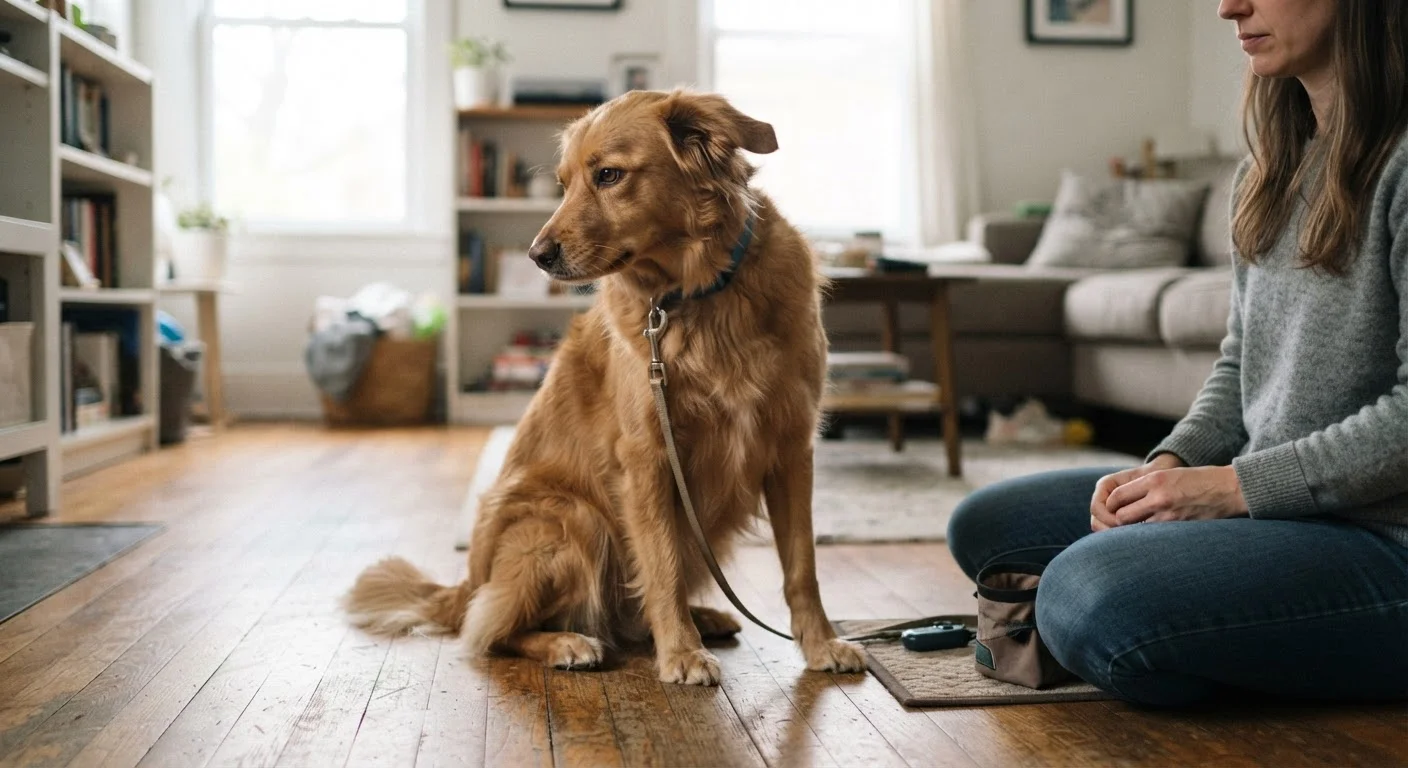
Why Stress Signals Matter More Than You Think
Training should feel like a conversation — and your pet is always talking. The problem is that the language of stress is easy to misread. A dog that freezes and stares at the floor isn't being stubborn; it's communicating that the situation has exceeded its comfort threshold. A cat that suddenly grooms itself mid-session isn't distracted; self-grooming is a well-documented displacement behavior triggered by conflict or confusion.
When these signals are missed or overridden, the consequences compound. Animals learn poorly under high stress, and repeated aversive experiences during training can damage the trust that makes learning possible in the first place. Research in animal behavior consistently shows that positive, low-pressure training environments produce faster, more durable results than sessions that push pets past their threshold.
It's also worth ruling out physical causes early. Problem behavior sometimes has a medical root, and a pet that suddenly struggles with training it once handled easily deserves a veterinary conversation before any further behavioral work.
Don't Confuse Stress Signals With Stubbornness
Many stress responses — avoidance, slow compliance, looking away — are routinely misread as defiance or laziness. Responding to these signals with increased pressure or repetition typically escalates stress rather than resolving it. If your pet is struggling to perform a cue it previously knew, stress or confusion is far more likely than willfulness. Always investigate the cause before increasing demands.
Use this checklist before, during, and after your next training session. Catching stress signals early — and knowing how to respond — is one of the most effective skills any pet owner can develop.
Tools That Support Low-Stress Training
You don't need expensive equipment, but a few practical tools make it significantly easier to keep sessions calm, brief, and rewarding. Understanding your marker method also matters — clicker training and verbal markers each have distinct trade-offs worth considering for anxious or noise-sensitive animals.
High-value treats
Soft, small, highly palatable rewards give you flexibility to reward frequently without filling your pet up or slowing the session.
Training pouch or treat bag
Keeps rewards immediately accessible so reinforcement is delivered within 1–2 seconds of the desired behavior.
Marker (clicker or verbal cue)
Precisely marks the moment of correct behavior, reducing ambiguity and stress caused by unclear communication.
Timer or phone
Helps enforce short session lengths — 2 to 5 minutes — preventing the cumulative stress that comes from overly long training periods.
Training journal or notes app
Tracks stress signals, session length, and progress so patterns become visible across multiple sessions.
Long line or drag lead (dogs)
Allows dogs to move away and decompress without losing safety, useful when working on distance-based anxiety triggers.
The Stress Signal Checklist
Work through these groups during and after each session. The goal isn't a perfect score — it's honest observation. Even one or two signals from the "must" category is sufficient reason to pause and reassess. For a deeper reference on what specific postures communicate, body language cues every dog owner should recognize is a useful companion resource.
Early Warning Signals
Mid-Session Red Flags
Session Design Review
Post-Session Assessment
When to Pause Training Entirely
If your pet is showing multiple stress signals in every session, displays sudden behavioral changes, or shows any signs of pain or physical discomfort, training should stop until a veterinarian has been consulted. Stress signals that appear without a clear behavioral trigger — or that are accompanied by changes in appetite, sleep, or elimination — may reflect an underlying health issue rather than a training problem. See signs your pet may be in pain for guidance on what to watch for.
How to Dial Back Without Losing Progress
Recognizing stress is only half the work — responding effectively is the other half. The instinct to push through "just one more repetition" is understandable but usually counterproductive. Here's what a productive dial-back actually looks like in practice:
- End on success, not on struggle. If your pet just failed three repetitions of a cue, lower the bar dramatically — ask for something it knows well, reward generously, and stop there.
- Shorten the session, not the reward rate. Two-minute sessions with high reinforcement rates outperform ten-minute sessions with sparse rewards for most stressed animals.
- Increase physical and emotional distance from triggers. If your dog stresses around other dogs, move farther away before restarting. Distance is one of the most powerful variables you control.
- Introduce a rest day. Just as overtraining in humans can backfire, pushing a pet through consecutive high-demand sessions without recovery time can stall progress rather than accelerate it.
If your pet's anxiety extends well beyond training sessions — for example, showing distress when left alone — that pattern deserves its own attention. Separation anxiety in dogs requires a different approach from general training stress, and humane, gradual protocols exist specifically for it. Similarly, if vet visits reliably overwhelm your pet, strategies to reduce veterinary anxiety can help protect those experiences from becoming additional stressors.
This article is for general informational and educational purposes only. It does not constitute veterinary or behavioral advice tailored to your individual pet. If your pet shows persistent, severe, or sudden changes in stress responses, consult a licensed veterinarian or certified applied animal behaviorist.