Why Nutritional Gaps Are Easy to Miss
Pets can't tell you when something feels off, and many signs of poor nutrition develop gradually — making them easy to dismiss as normal aging or personality quirks. Yet the connection between diet and overall health is well established in veterinary medicine. What goes into your pet's bowl directly influences coat quality, energy output, digestive function, immune resilience, and long-term organ health.
Nutritional deficiencies or imbalances don't always stem from poor-quality food. Overfeeding, underfeeding, feeding a diet mismatched to your pet's life stage, or relying on an unbalanced homemade recipe can all create gaps — even with the best intentions. For a deeper look at how to evaluate what's actually in commercial food, see our guide on reading a pet food label.
The signs below apply broadly to dogs and cats, though individual animals vary. Use this list as an observational guide, not a diagnostic checklist — and always consult your veterinarian before drawing conclusions or making significant dietary changes.
Species and Life Stage Matter Significantly
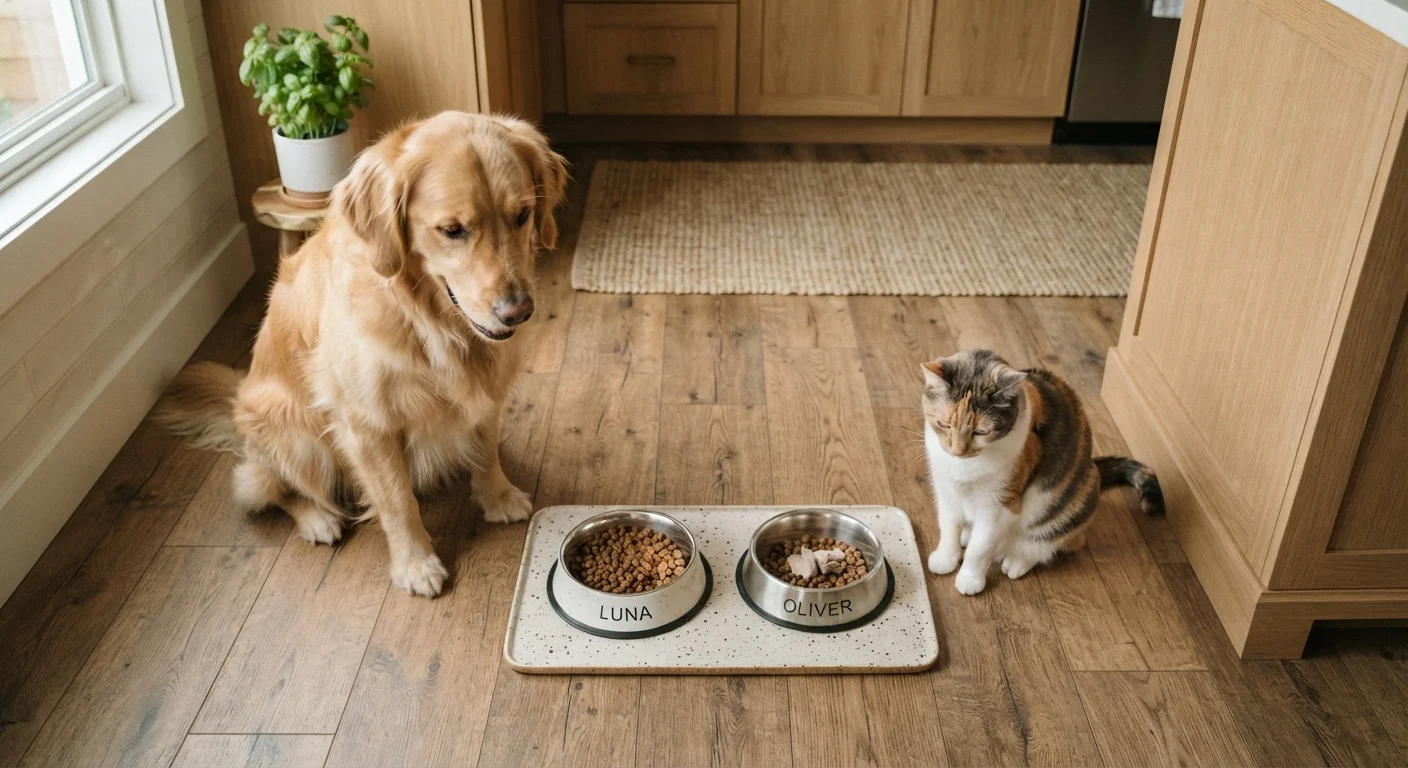
Dogs and cats have meaningfully different nutritional requirements — cats, for example, require taurine and arachidonic acid from their diet, while dogs can synthesize these compounds. Puppies, kittens, pregnant animals, and seniors each have distinct caloric and micronutrient needs. What constitutes adequate nutrition is not uniform across all pets or all life stages. Always factor in your pet's specific profile when assessing dietary adequacy.
Signs That May Indicate a Nutritional Problem
Dull, dry, or excessively flaky coat
Coat quality is one of the most reliable external indicators of nutritional status. A healthy dog or cat typically has a sleek, glossy coat with minimal shedding outside of normal seasonal cycles. When essential fatty acids — particularly omega-3 and omega-6 — are inadequate, the skin barrier weakens, leading to dryness, dullness, flaking, or increased shedding.
Protein deficiency can also affect coat texture, since hair follicles depend on amino acids for normal growth. If brushing reveals significantly more hair than usual, or your pet's coat looks lackluster despite regular grooming, diet is worth examining alongside other potential causes such as allergies or thyroid dysfunction.
Coat quality is one of the most reliable external indicators of a pet's nutritional status.
Unexplained weight changes
Both weight loss and weight gain can reflect feeding problems. Unintended weight loss may signal that caloric intake is too low, that protein or fat content is insufficient, or that the body isn't absorbing nutrients effectively. Conversely, steady weight gain without an increase in food quantity may point to a calorie-dense diet mismatched to your pet's activity level.
Assessing body condition score (BCS) — a structured method vets use to evaluate fat coverage over ribs, hips, and spine — is more informative than scale weight alone. If you're unsure how to assess your pet's BCS at home, ask your veterinarian to demonstrate at your next visit. Obesity in dogs and cats carries serious long-term health consequences and is closely linked to dietary imbalance.
Both unexplained weight loss and steady weight gain can reflect a diet mismatched to your pet's actual needs.
Low energy or unusual lethargy
A well-nourished pet has energy levels consistent with its age and breed. Persistent lethargy — sleeping more than normal, reluctance to engage in play, or lagging on walks — can sometimes be traced to insufficient caloric intake or deficiencies in key B vitamins and iron, which support cellular energy production.
That said, lethargy is a non-specific sign with a wide range of potential causes, including pain, infection, organ disease, and more. It should never be attributed to diet alone without veterinary input. If your pet seems noticeably less energetic than their usual baseline for more than a few days, a check-up is the appropriate first step.
Persistent lethargy inconsistent with your pet's normal baseline deserves a veterinary evaluation, not a dietary guess.
Frequent or chronic digestive upset
Occasional loose stools happen, but recurring vomiting, diarrhea, excessive gas, or highly variable stool consistency can suggest that the current diet isn't agreeing with your pet's digestive system. This might reflect low fiber content, excess fat, an ingredient sensitivity, or poor-quality protein sources that are difficult to digest.
Stool quality is a practical monitoring tool: well-formed, firm stools generally indicate good digestive efficiency. Persistently soft, greasy, or unusually odorous stools can signal incomplete nutrient absorption. Before attributing digestive issues to food, a vet visit helps rule out parasites, bacterial infections, or inflammatory bowel conditions that require separate treatment.
Stool quality is a practical, underused tool for monitoring whether a pet's diet is being properly digested and absorbed.
Increased thirst or changes in urination
While these signs are more commonly associated with conditions like diabetes or kidney disease, diet plays a contributing role in some cases. High-sodium diets can drive excess water intake, and low-moisture diets — particularly dry kibble fed exclusively to cats — may contribute to chronic low-grade dehydration over time, which stresses the kidneys.
If your pet is drinking noticeably more than usual or urinating more frequently, document the pattern and bring it to your vet's attention promptly. These signs warrant investigation rather than dietary self-correction, as the underlying cause may require medical management independent of nutrition.
Significant changes in thirst or urination patterns should be evaluated by a vet before any dietary adjustments are made.
Slow wound healing or recurring infections
Adequate zinc, vitamin C (dogs can synthesize their own, but cats have limited capacity), vitamin A, and protein all support immune function and tissue repair. Pets that seem slow to recover from minor cuts, skin irritations, or who experience frequent ear or skin infections may have an underlying nutritional shortfall — though immune suppression from other causes is equally possible.
This sign is particularly worth noting in pets eating unbalanced homemade diets, which can appear nutritionally complete without meeting the precise micronutrient targets established by veterinary nutrition guidelines. A board-certified veterinary nutritionist can evaluate homemade recipes and identify gaps that standard food labels don't reveal.
Pets on homemade diets are at particular risk of micronutrient gaps that affect immune function and healing.
Track Changes Over a Few Weeks
Nutritional issues rarely appear overnight. Keeping a simple log of your pet's coat condition, stool consistency, energy level, and weight over several weeks gives your veterinarian far more actionable information than a single observation. A smartphone photo taken weekly can make subtle coat or body condition changes easier to spot.
When to Talk to Your Veterinarian
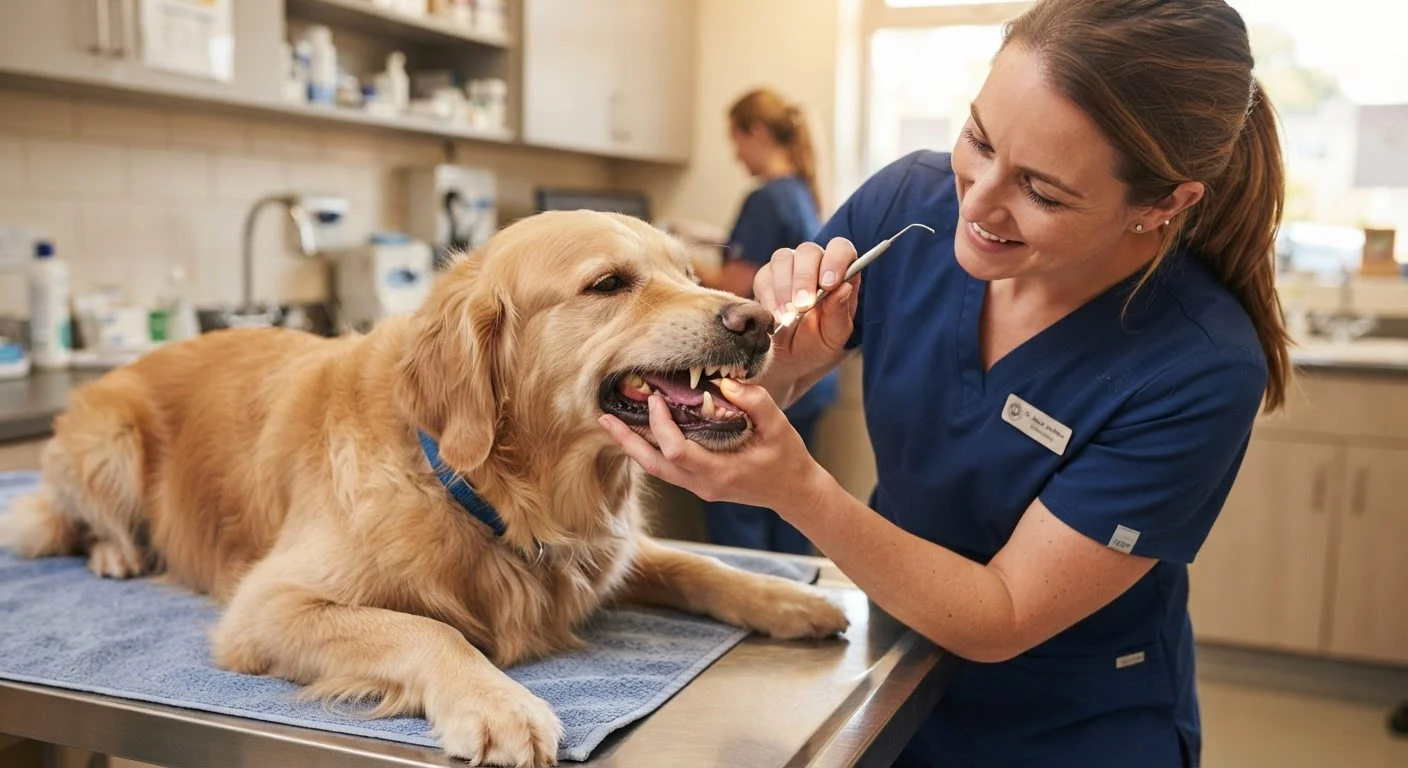
Spotting one of these signs in isolation isn't necessarily cause for alarm. But when multiple signs appear together, persist for more than a week or two, or show up alongside behavioral changes, a veterinary visit is warranted. Your vet can perform a physical exam, review your pet's feeding history, and — when appropriate — order bloodwork to identify specific deficiencies or rule out underlying illness.
Keep in mind that some conditions mimic nutritional problems but have different roots entirely. Behavioral changes that look like stubbornness or mood shifts can sometimes signal medical issues unrelated to food. Similarly, signs of pain can overlap with signs of nutritional decline. A professional assessment separates the two.
If a diet change is recommended, a gradual transition is essential to avoid digestive upset — our article on switching your pet to a new food walks through that process. Nutritional needs also shift significantly as animals age, so it's worth reviewing how feeding should change across life stages if your pet is entering their senior years.
This article is for general informational purposes only and is not a substitute for professional veterinary advice, diagnosis, or treatment. Always consult a licensed veterinarian regarding your pet's specific health and dietary needs.