
How Common Is Pet Obesity?
Pet obesity has become one of the most prevalent preventable health conditions in American companion animals. Survey data from veterinary associations consistently show that roughly 50 to 60 percent of dogs and cats in the United States are either overweight or clinically obese. Despite those figures, many owners do not recognize excess weight in their own pets — partly because gradual weight gain is easy to overlook, and partly because a slightly rounder animal has become normalized in popular culture.
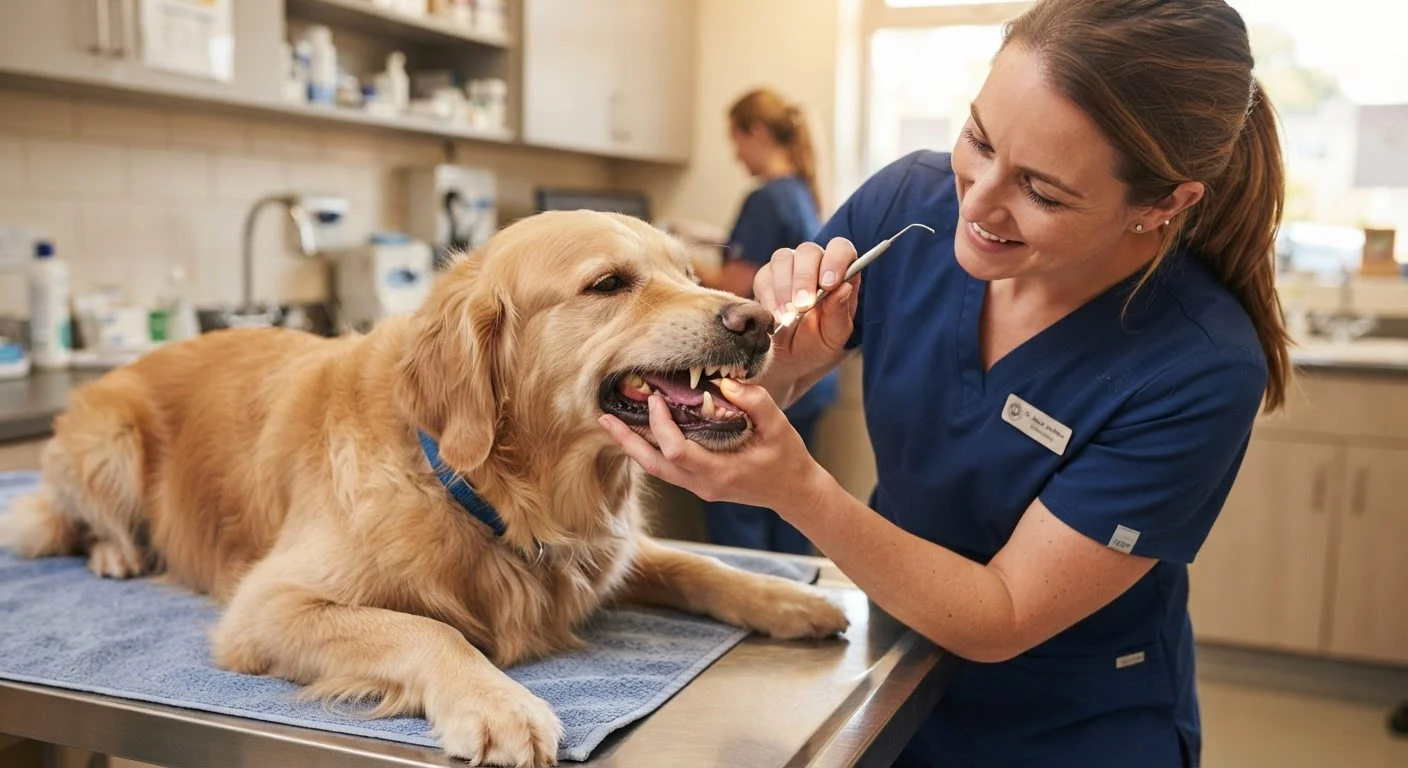
Veterinarians use a standardized Body Condition Score (BCS) — a nine-point scale assessing rib palpability, waist definition, and abdominal tuck — to objectively evaluate a pet's weight status. A score of four or five is considered ideal; scores of six or seven indicate overweight, and eight or nine indicate obesity. Understanding how BCS works can help owners begin to see their pet's physique more objectively between vet visits.
~59%
US cats estimated overweight or obese
According to Association for Pet Obesity Prevention (APOP) survey data, a majority of domestic cats in the US exceed their ideal body weight.
~55%
US dogs estimated overweight or obese
APOP clinical survey findings consistently show more than half of American dogs carry excess body weight.
~2 years
Potential lifespan reduction from obesity in dogs
Long-term veterinary studies, including the Purina Life Span Study, have associated ideal body weight maintenance with significantly extended healthy lifespan in dogs.
Root Causes of Weight Gain in Pets
Weight gain in pets, as in humans, ultimately results from energy intake exceeding energy expenditure over time. However, several factors accelerate or complicate that equation.
Overfeeding and Free-Choice Feeding
The most common driver is straightforward: too many calories. Serving sizes on commercial pet food packaging are general guidelines, not individual prescriptions, and they are often printed for animals at the higher end of a weight range. Free-choice feeding — leaving food out continuously — makes portion tracking nearly impossible and is particularly problematic for cats, who tend to graze.
Treats and Table Scraps
Treats can account for a surprising share of a pet's daily caloric intake. Small, frequent offerings add up quickly, especially with calorie-dense options. Human foods — including cheese, meat scraps, and starchy snacks — often carry far more calories per gram than purpose-formulated pet treats.
Reduced Activity
Indoor-only cats and dogs with limited daily exercise burn fewer calories. Physical inactivity is compounded by age: older pets naturally become less active, meaning caloric needs often decline while feeding habits stay the same. See our guide to senior pet care for a closer look at how nutritional needs shift with age.
Spay and Neuter Status
Spaying and neutering are associated with a reduction in metabolic rate and, in some animals, an increase in appetite. These physiological shifts mean that formerly appropriate portion sizes may need to be adjusted post-procedure.
Medical and Genetic Factors
Hypothyroidism in dogs and hyperadrenocorticism (Cushing's disease) can promote weight gain independently of diet. Certain breeds — Labrador Retrievers, Beagles, Cocker Spaniels, and Domestic Shorthair cats among them — show higher genetic predisposition to obesity. These cases require veterinary investigation before dietary changes are made.
Use a kitchen scale rather than a measuring cup to portion your pet's food — volume measures can be off by 20–30%, which adds up to meaningful caloric excess over weeks and months.
Consistent, accurate portioning is one of the simplest and most evidence-supported interventions for preventing gradual weight creep in companion animals.
Account for treat calories by deducting them from your pet's daily food allowance — treats should generally represent no more than 10% of total daily caloric intake.
Owners frequently underestimate treat contributions; tracking them within the overall caloric budget prevents unintended overconsumption without eliminating positive reinforcement opportunities.
Health Consequences of Carrying Excess Weight
Excess body fat is not a cosmetic issue — it is an active metabolic state that drives systemic inflammation and places mechanical stress on multiple organ systems.
Orthopedic and Mobility Problems
Extra weight amplifies the load on joints, accelerating the progression of osteoarthritis and worsening existing joint disease. Dogs with hip or elbow dysplasia experience significantly more pain and functional decline when overweight. Cats carrying excess weight frequently develop reluctance to jump or groom their hindquarters — a subtle early sign of joint discomfort.
Diabetes Mellitus
Obesity is a leading risk factor for type 2–analogous diabetes in cats and contributes to insulin resistance in dogs. Adipose (fat) tissue secretes hormones that interfere with normal insulin signaling, and this effect worsens as body fat percentage rises.
Cardiorespiratory Strain
Fat deposits around the chest wall and abdomen restrict lung expansion and force the heart to work harder. Brachycephalic breeds — Bulldogs, Pugs, Persian cats — face compounded respiratory risk when overweight.
Reduced Lifespan
Landmark veterinary research has documented that dogs maintained at ideal body weight live measurably longer than their overweight counterparts — in some study cohorts, nearly two additional years. Quality of life in those extra years also tends to be meaningfully better.
Never Put a Cat on Severe Caloric Restriction Alone
Rapid or extreme food reduction in cats can trigger hepatic lipidosis — a dangerous form of fatty liver disease that develops when the body mobilizes fat stores faster than the liver can process them. Even well-intentioned weight-loss efforts can become medically harmful without veterinary guidance. Always consult your veterinarian before significantly changing a cat's caloric intake.
The Central Role of Diet and Nutrition
Diet is the most powerful modifiable lever in managing pet weight. Effective dietary management involves both what a pet eats and how much.
Caloric Density and Portion Control
Every commercial pet food is required to carry a guaranteed analysis and feeding guidelines, but the caloric content (kilocalories per cup or can) is where attention should start. Measuring portions by weight using a kitchen scale is more accurate than using a cup, which can vary by 20–30% depending on how it is filled. A veterinarian or veterinary nutritionist can calculate a target daily caloric intake based on the animal's current weight, ideal weight, and activity level.
Macronutrient Composition
High-protein, moderate-fat, lower-carbohydrate formulations are commonly used in veterinary weight-management diets. For cats — obligate carnivores — protein preservation during weight loss is especially critical, as severe caloric restriction without adequate protein can trigger hepatic lipidosis (fatty liver disease), a potentially life-threatening condition. Our article on nutritional differences between dogs and cats explains the species-level biology behind these distinctions.
Fiber and Satiety
Increased dietary fiber — particularly insoluble fiber — adds bulk without calories, helping pets feel fuller on fewer kilocalories. This is why many veterinary weight-management formulas have a higher fiber percentage than standard maintenance diets.
If you suspect your pet's current food may not be meeting their needs beyond caloric concerns, the signs of nutritional gaps article offers a practical observation framework.
Try Puzzle Feeders to Slow Eating
Food-dispensing puzzle toys and slow-feeder bowls extend mealtime, encourage natural foraging behavior, and can reduce total intake by slowing consumption. They work for both dogs and cats and add mental stimulation alongside portion management. Ask your veterinarian whether a puzzle feeder is appropriate given your pet's current mobility and health status.
Working With Your Veterinarian on a Weight Plan
Structured weight loss in pets should not be approached as simple food restriction. Rapid caloric reduction can be dangerous — particularly in cats, where, as noted, it can precipitate hepatic lipidosis. A veterinarian will typically:
- Perform baseline bloodwork to rule out underlying metabolic causes
- Establish a target weight and realistic timeline (a safe rate is generally 1–2% of body weight per month)
- Recommend a specific caloric target and, when appropriate, a prescription weight-management diet
- Schedule follow-up weigh-ins every four to six weeks to adjust the plan as needed
Exercise plays a supporting role alongside dietary change. For dogs, structured daily walks provide both caloric expenditure and mental enrichment — and consistent leash activity is among the easiest owner-controlled variables. For cats, interactive play sessions with wand toys or puzzle feeders increase movement without requiring outdoor access.
Do Not Restrict Food Without Veterinary Guidance
Significantly reducing a pet's food without professional oversight risks nutritional deficiencies, muscle loss, and — especially in cats — serious metabolic complications. Weight loss plans that are too aggressive can cause measurable harm. Always establish a caloric target and monitoring schedule with a licensed veterinarian before beginning any weight-management program.
Pet obesity is a chronic condition, not a temporary state to be corrected with a short dietary intervention. Long-term success depends on sustainable portion habits, ongoing weight monitoring, and regular veterinary partnership. For comprehensive context on preventive health decisions, the Pet Nutrition hub provides a range of evidence-based resources.
This article is for general informational and educational purposes only and does not constitute veterinary medical advice. Always consult a licensed veterinarian regarding your individual pet's health, weight, and dietary needs.