Obligate Carnivore vs. Omnivore: The Core Biological Divide
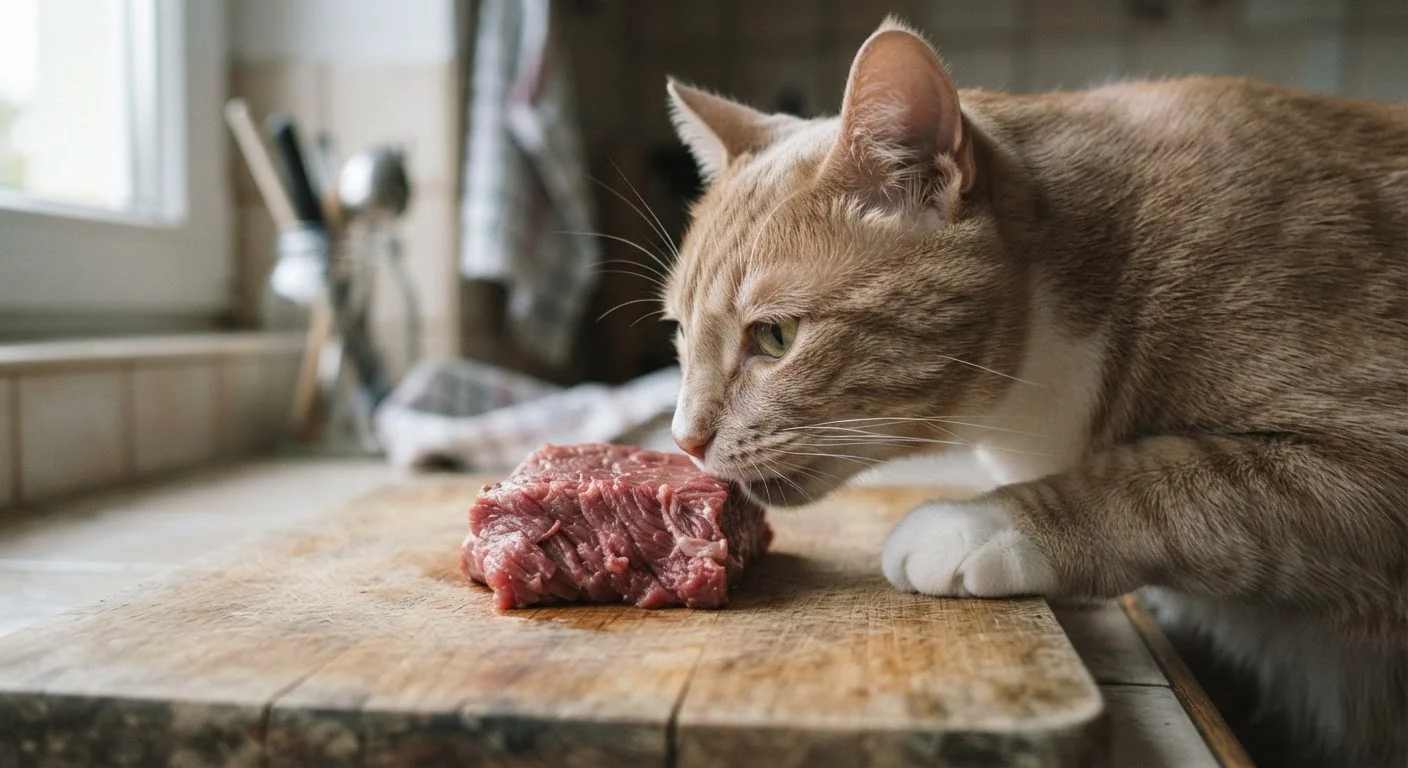
The single most important distinction between feeding a cat and feeding a dog is the classification of each species on the dietary spectrum. Dogs (Canis lupus familiaris) are omnivores — their digestive systems evolved to extract nutrition from both animal and plant sources. Cats (Felis catus) are obligate carnivores, meaning their metabolism is hardwired to depend on nutrients that exist only in animal tissue.
This is not a preference; it is a physiological reality. Cats lack certain liver enzymes that allow dogs (and humans) to convert plant-derived precursors into usable nutrients. For example, cats cannot efficiently convert beta-carotene into vitamin A, nor linoleic acid into arachidonic acid. Dogs handle both conversions readily. The downstream effect is that cats must obtain these nutrients pre-formed from meat — there is no metabolic workaround.
This foundational difference is why the pet health guidance for cats consistently emphasizes high animal-protein diets, while dogs have considerably more dietary latitude. Understanding the biology is the first step to feeding each species appropriately.
Protein, Fat, and the Nutrients Each Species Cannot Compromise On
Protein is central to both diets, but the requirements are not equivalent. Cats have a higher baseline protein requirement than dogs and, critically, cannot downregulate protein catabolism (breakdown) the way omnivores can. When a dog's protein intake drops temporarily, its liver reduces the rate at which it metabolizes amino acids. A cat's liver lacks this flexibility — it continues breaking down protein at a fixed rate regardless of dietary supply, making low-protein feeding genuinely harmful over time.
| Nutritional Factor | Dogs | Cats | |
|---|---|---|---|
| Dietary classification | Omnivore | Obligate carnivore | |
| Protein requirement | Moderate; flexible under low intake | High; cannot reduce catabolism | |
| Taurine synthesis | Adequate self-synthesis | Minimal; must be dietary | |
| Arachidonic acid | Synthesized from linoleic acid | Must come from animal fat | |
| Vitamin A source | Converts beta-carotene | Requires preformed retinol | |
| Thirst drive | Drinks readily to compensate | Low; prone to under-drinking | |
| Ideal meal pattern | 1–2 meals per day | Multiple small meals preferred |
Taurine is perhaps the most cited example of a feline-specific requirement. Dogs synthesize adequate taurine from other amino acids; cats produce very little on their own and must consume it directly. Taurine deficiency in cats is associated with dilated cardiomyopathy (an enlarged, weakened heart) and retinal degeneration leading to blindness. Dog food formulas are not required to contain supplemental taurine at levels sufficient for cats — another reason cross-species feeding is problematic.
Arachidonic acid, an omega-6 fatty acid found primarily in animal fat, is another non-negotiable for cats. Dogs synthesize it from linoleic acid; cats cannot. Without sufficient dietary arachidonic acid, cats face impaired immune function and reproductive issues.
For a broader look at how protein source and quality factor into pet nutrition decisions, see our complete pet nutrition guide.
Hydration, Meal Patterns, and Practical Feeding Differences
Cats evolved in arid environments and developed a low thirst drive, obtaining most of their water from prey. This matters in a domestic setting: a cat eating primarily dry kibble may be chronically mildly dehydrated, which is linked to feline lower urinary tract disease and kidney problems. Dogs, by contrast, tend to drink water more readily and compensate better when fed dry diets.
Boost Your Cat's Hydration Deliberately
Because cats have a naturally blunted thirst drive, relying on a water bowl alone may not be sufficient — especially on an all-dry diet. Incorporating wet food at one or more meals, using a recirculating water fountain, or adding a small amount of low-sodium broth to meals can meaningfully increase daily water intake. Discuss the right approach for your individual cat with your veterinarian.
This biological difference is one reason many veterinary nutritionists support incorporating wet food into a cat's diet — not as a treat, but as a meaningful hydration strategy. The dry kibble vs. wet food comparison explores this trade-off in detail for both species.
Meal frequency also diverges. Cats in the wild eat multiple small meals — as many as 10–20 small prey items daily. Many cats do better with scheduled small meals or puzzle feeders that mimic this pattern rather than free-choice access, which can contribute to obesity. Dogs generally adapt well to one or two structured meals per day, though puppies and small breeds may benefit from more frequent feeding. Life stage matters enormously for both species; how feeding needs shift with age is covered in its own detailed guide.
This article provides general educational information about pet nutrition and is not a substitute for individualized veterinary advice. Consult a licensed veterinarian before making significant changes to your pet's diet.