Beyond the Rules: What Defensive Driving Really Means
Most drivers learn to follow traffic laws: stop at red lights, yield at merges, stay within speed limits. Defensive driving builds on that foundation but goes considerably further. Where rule-following is reactive - responding to signs and signals - defensive driving is proactive. It asks: What could go wrong here, and what will I do about it?
The core idea is that you cannot control the behavior of other drivers, but you can control your own positioning, speed, and attention. A defensive driver treats every intersection, lane change, and stretch of highway as an environment with variables - and manages those variables deliberately.
Key principles include:
- Situational awareness: Continuously scanning ahead, to the sides, and in mirrors - not just watching the car directly in front.
- Space management: Keeping enough room on all sides to react if a nearby driver makes an error.
- Speed adjustment: Matching speed to actual conditions, not just the posted limit. A legal 65 mph may still be too fast in heavy rain or dense fog.
- Anticipation: Reading traffic patterns, pedestrian behavior, and road geometry to predict where hazards may emerge before they fully develop.
Scan Far Ahead, Not Just the Car in Front
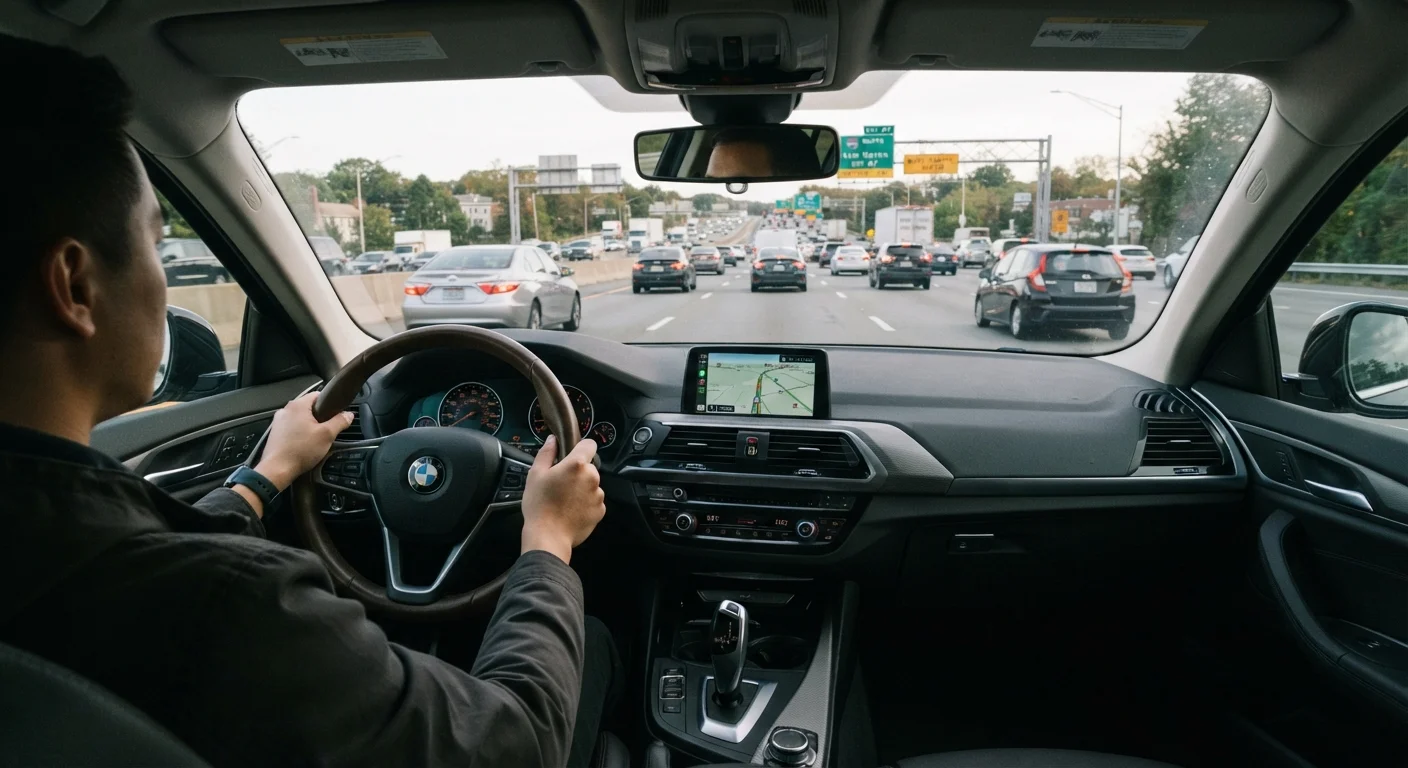
Experienced defensive drivers train themselves to look 10-15 seconds down the road - roughly a quarter mile at highway speeds - rather than fixating on the vehicle immediately ahead. This gives more time to identify slowing traffic, debris, or merging vehicles before they become urgent. Make a habit of regularly lifting your gaze beyond the nearest car.
The Role of Following Distance and Space Management
One of the most reliable ways to prevent rear-end collisions - among the most common crash types on American roads - is maintaining an adequate following distance. The widely recommended 3-second rule gives drivers a minimum buffer: pick a stationary reference point, and count the seconds between when the car ahead passes it and when you do. Under normal conditions, three seconds is a reasonable floor; wet roads, poor visibility, or highway speeds call for more.
Space management extends to the sides and rear as well. Avoiding extended time in another driver's blind spot, positioning your vehicle for maximum visibility at intersections, and leaving an escape route during lane changes are all part of the same discipline.
~94%
Crashes with human choice as a factor
NHTSA research has attributed approximately 94% of serious crashes to human error or choice, underscoring why driver behavior is the primary safety lever.
3-4 sec
Recommended minimum following distance
Safety organizations recommend at least a 3-second following gap in normal conditions, extending to 4 or more seconds in rain, fog, or at highway speeds.
~8 sec
Average eyes-off-road per text message
NHTSA estimates that reading or sending a text takes a driver's eyes off the road for an average of 5 seconds - enough to travel the length of a football field at 55 mph.
For a detailed comparison of how these principles apply differently at high speed versus in dense urban traffic, see Highway Driving vs. City Driving.
Distraction, Fatigue, and the Limits of Attention
Defensive driving depends entirely on attention. The moment a driver's focus shifts away from the road - to a phone screen, a conversation, or simple drowsiness - the situational awareness that defensive driving requires collapses. According to the National Highway Traffic Safety Administration (NHTSA), distraction is a factor in a substantial share of reported crashes each year.
Fatigue is equally dangerous and often underestimated. A driver who has been awake for 18 hours shows impairment comparable to someone at a 0.05% blood alcohol concentration, according to research cited by the NSC. Defensive drivers recognize when their own capacity is diminished and adjust accordingly - whether that means stopping to rest, switching drivers, or postponing a trip.
Drowsy Driving Is Impaired Driving
Many drivers underestimate fatigue's impact on reaction time and decision-making. The Centers for Disease Control and Prevention (CDC) note that adults who sleep fewer than six hours a night are significantly more likely to fall asleep at the wheel. If you feel sleepy, no amount of caffeine reliably substitutes for rest - plan stops or share driving duties on long trips.
Aggressive or emotionally charged driving is the opposite of defensive driving. For research on what triggers road rage and strategies to de-escalate, see Road Rage: What the Research Says.
Your Vehicle Is Part of the Equation
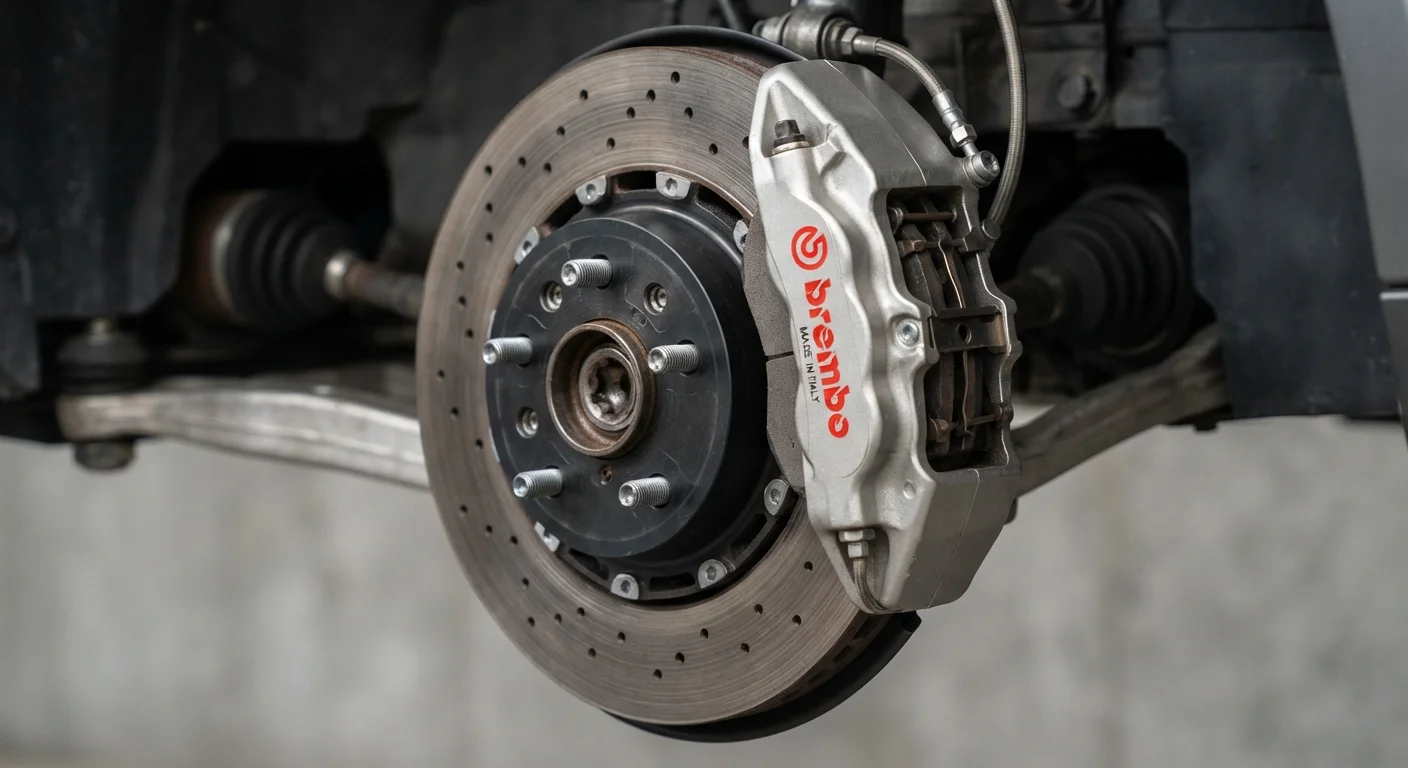
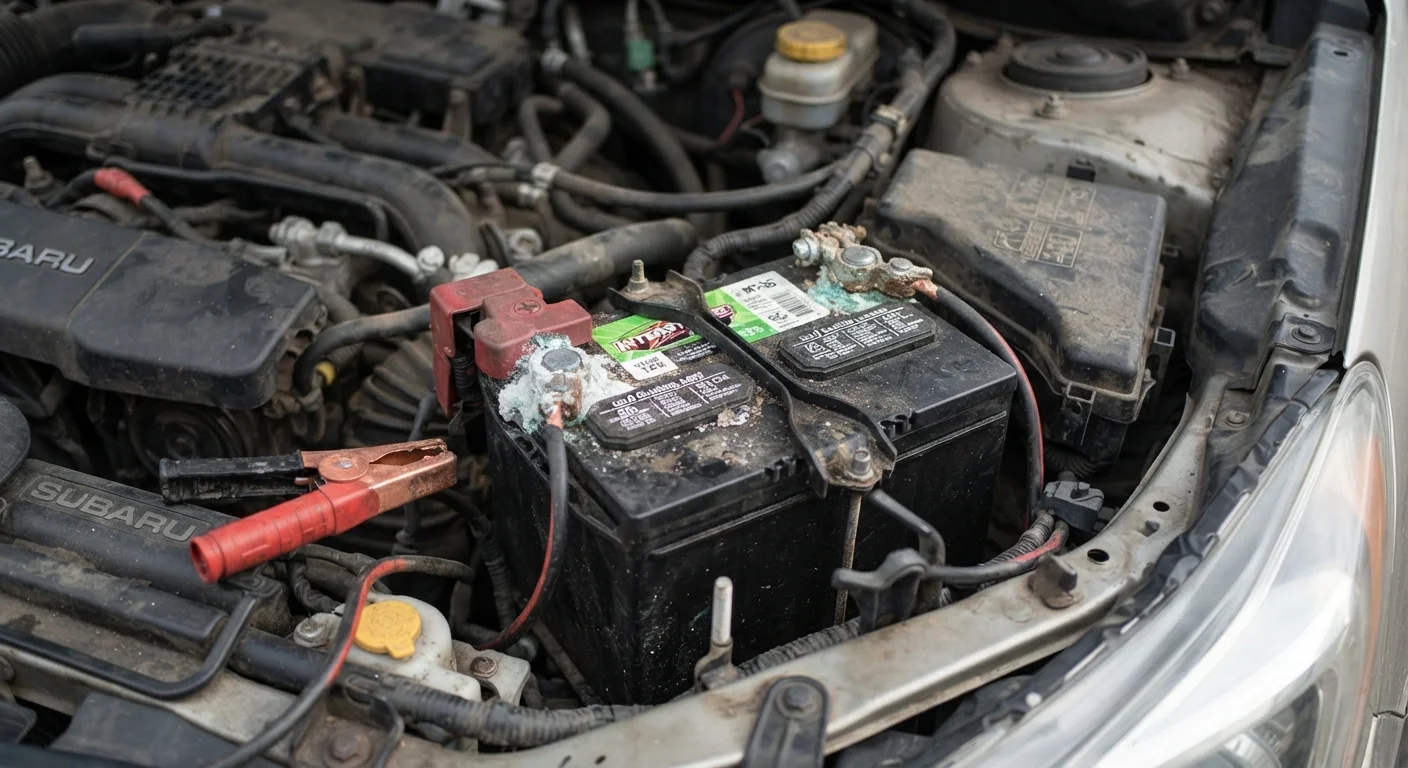
Defensive driving is not purely about behavior behind the wheel - the mechanical condition of your vehicle directly affects your ability to respond to hazards. A car with worn brake pads, under-inflated tires, or compromised wiper blades cannot perform when a defensive maneuver demands it. Tire pressure, in particular, affects braking distance, handling stability, and even fuel economy. Why Tire Pressure Matters More Than Most Drivers Realize for a closer look at this often-overlooked variable.
Keeping up with routine maintenance is therefore an extension of the defensive driving mindset. The Car Maintenance hub covers the essential upkeep tasks that keep a vehicle responsive and road-ready.
Weather conditions add another layer. Rain, ice, and fog each demand specific adjustments to speed, following distance, and use of vehicle systems. Weather and Road Safety explains how to adapt your approach for each condition type.
Building these habits consistently - not just when conditions look dangerous - is what separates a genuinely defensive driver from one who only responds when something already feels wrong. For a practical review of habits worth reinforcing at any experience level, see Road Safety Habits Worth Building Before You Need Them.