
What Exclusions Actually Mean in Plain Terms
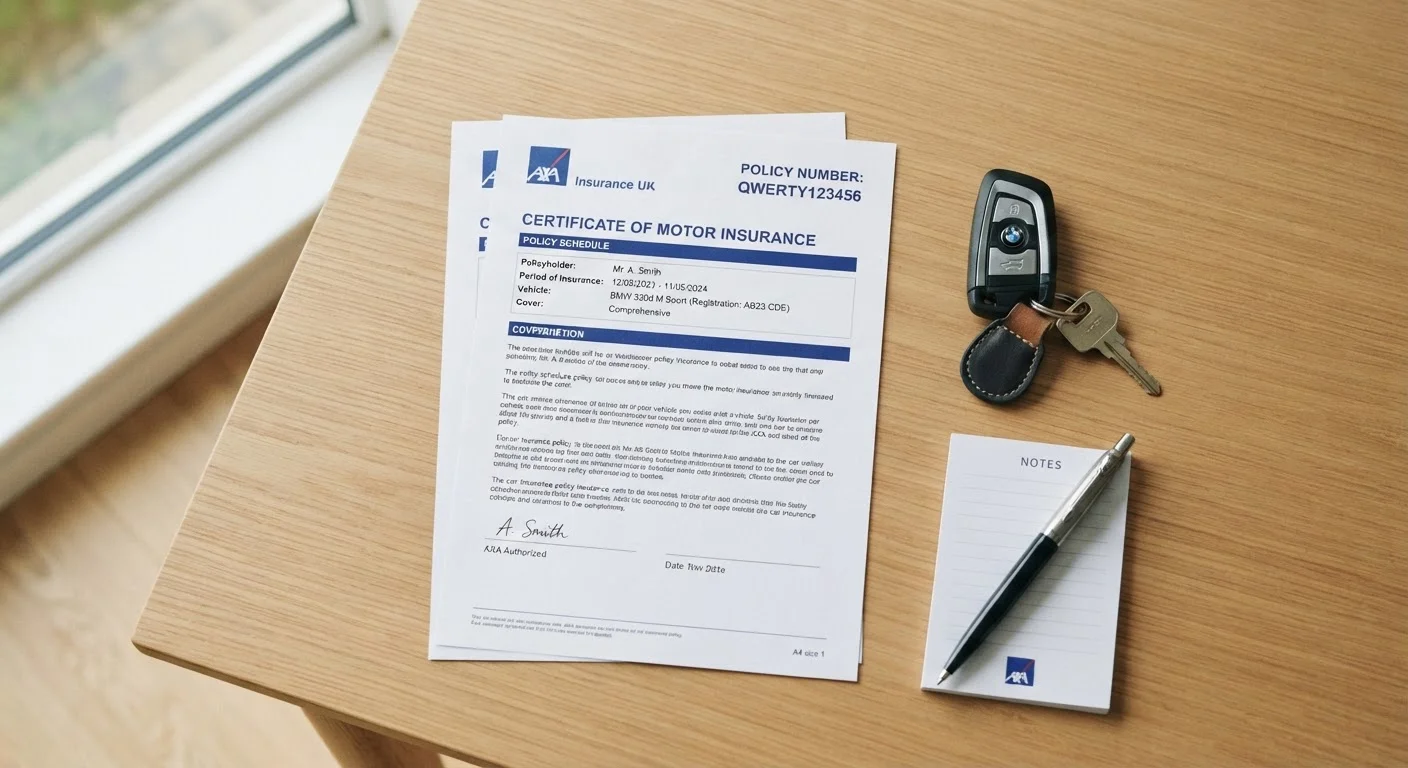
Your insurance policy is essentially a contract. One side of that contract — the coverage side — gets most of the attention during the sale. The other side, the exclusions, defines everything the insurer is not agreeing to pay for. Together, they draw the complete picture of what protection you actually have.
Think of it this way: a homeowners policy might broadly cover damage to your home's structure. But the exclusions section may carve out floods, earthquakes, mold, and gradual deterioration — all situations that can cause serious, expensive damage. Without reading both sides, you're only seeing half the contract.
Understanding how exclusions interact with coverage types is foundational. The major insurance coverage categories each carry their own standard exclusions, and they differ meaningfully from one policy type to the next.
Exclusions Are Not Loopholes
Exclusions are a standard, legal part of every insurance contract — not a trick or fine-print trap. Insurers are required to make policy terms available to you before coverage begins. The responsibility to read and understand those terms rests with the policyholder. If any language is unclear, a licensed agent is obligated to help explain it.
The Most Common Exclusions You'll Encounter
While exclusions vary by insurer and policy type, certain categories appear repeatedly across the insurance industry:
- Floods and surface water: Standard homeowners policies almost universally exclude flood damage. Separate flood coverage typically requires a distinct policy.
- Earthquakes: Like floods, earthquake damage is excluded from most standard policies and requires separate coverage.
- Wear and tear: Insurance is designed to cover sudden, accidental losses — not the gradual breakdown of materials or systems over time.
- Intentional acts: If you deliberately cause a loss, your policy won't cover it. This applies across virtually all policy types.
- Business activities: Conducting business from your home, or using your personal vehicle for commercial purposes, often voids coverage in standard personal policies.
- Certain dog breeds or animals: Some homeowners policies exclude liability for specific breeds or exotic animals.
For a detailed look at how these exclusions play out in one of the most common policy types, see what homeowners insurance actually covers and what it doesn't.
~1 in 50
Homeowners filing a claim each year
According to the Insurance Information Institute, approximately 1 in 50 insured homes has a claim filed in a given year — making understanding your coverage limits and exclusions especially important before a loss occurs.
~90%
Flood losses not covered by standard home policies
The Federal Emergency Management Agency notes that standard homeowners insurance does not cover flood damage, which is one of the most common and costly natural disasters in the United States.
Why Exclusions Catch People Off Guard
Most people read the highlights of their policy — what's covered, what the deductible is, what the premium will be. The exclusions section, which may run several dense pages, gets skipped. This creates a gap between what people believe their policy does and what it actually does.
This gap tends to surface at the worst possible moment: when a claim is filed and denied. Coverage blind spots like mold damage, home-based business equipment, or flood losses are routinely discovered only after something goes wrong.
The structure of the policy itself contributes to the confusion. Exclusions are often written in technical language, placed far from the coverage summary, and sometimes split across multiple sections. Understanding the difference between named perils and open perils coverage also affects how exclusions function — in open-perils policies, exclusions do the heavy lifting of defining what isn't covered.
Ask About Exclusions Before You Sign
When reviewing any policy, ask your agent or insurer to walk you through the exclusions section specifically. Request a plain-language explanation of any exclusion that's unclear. This conversation is much easier to have before you need to file a claim than after one has already been denied.
What You Can Do About Exclusions Before You Need To
The most practical step is straightforward: read your exclusions before you finalize or renew any policy. The questions to ask before signing any insurance policy include asking your agent specifically which exclusions apply and whether any can be removed or supplemented with an endorsement or separate policy.
Some excluded risks genuinely can be addressed. A policy rider or endorsement can sometimes add coverage back in for risks that were excluded from the base policy. And for exclusions that can't be modified — like flood — a separate policy may be available through a different insurer or a government-backed program.
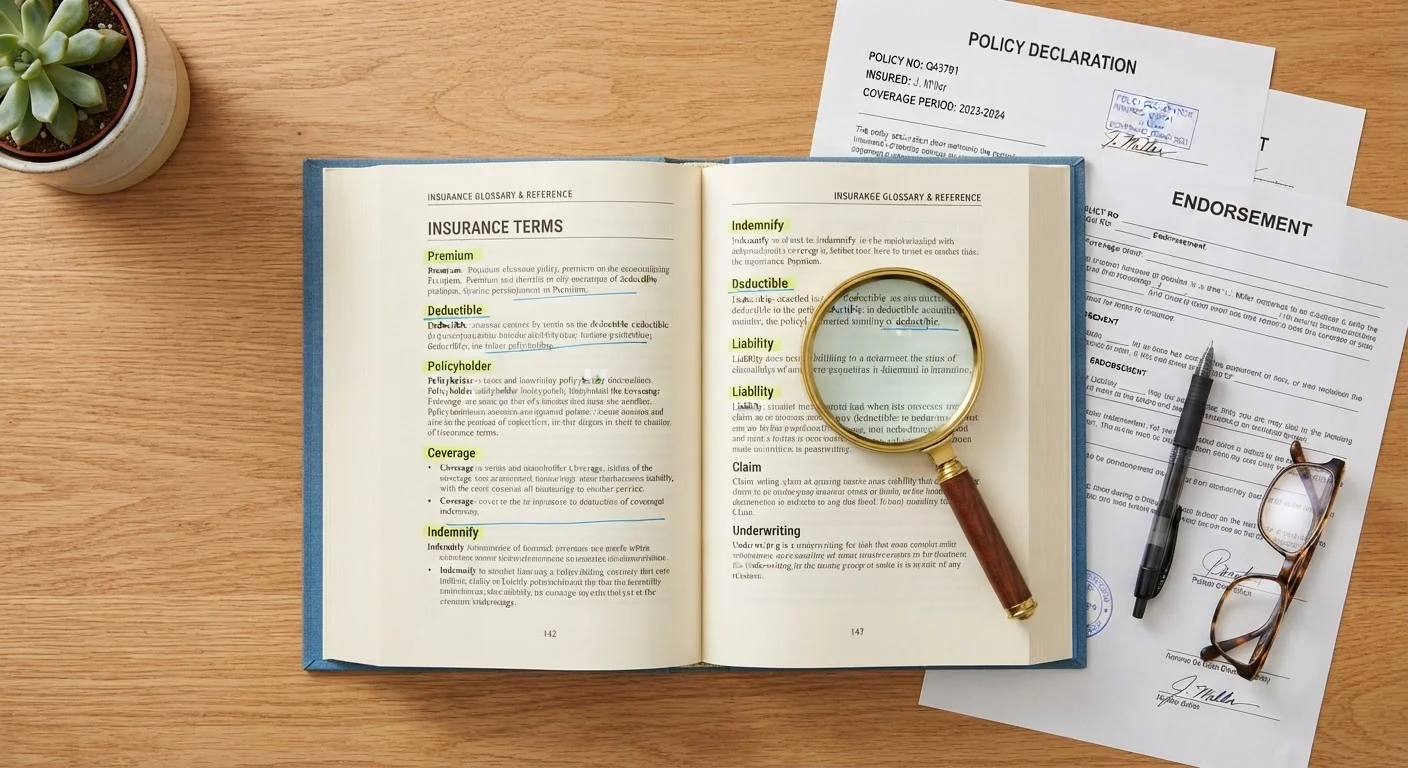
It also helps to know what your policy's declarations page summarizes and what it doesn't. The declarations page gives you the high-level picture, but exclusions rarely appear there in full detail. They live in the policy form itself, which is always worth reading.
This article provides general information about insurance policy terms and is not personalized insurance, legal, or financial advice. Coverage terms, exclusions, and regulations vary by insurer and by state. Always read your full policy documents and consult a licensed insurance agent or adviser for guidance specific to your situation.