The Four Core Coverage Areas
A standard homeowners policy — most commonly the HO-3 form — bundles four distinct types of protection into one contract. Understanding each one helps you know exactly what you're paying for.
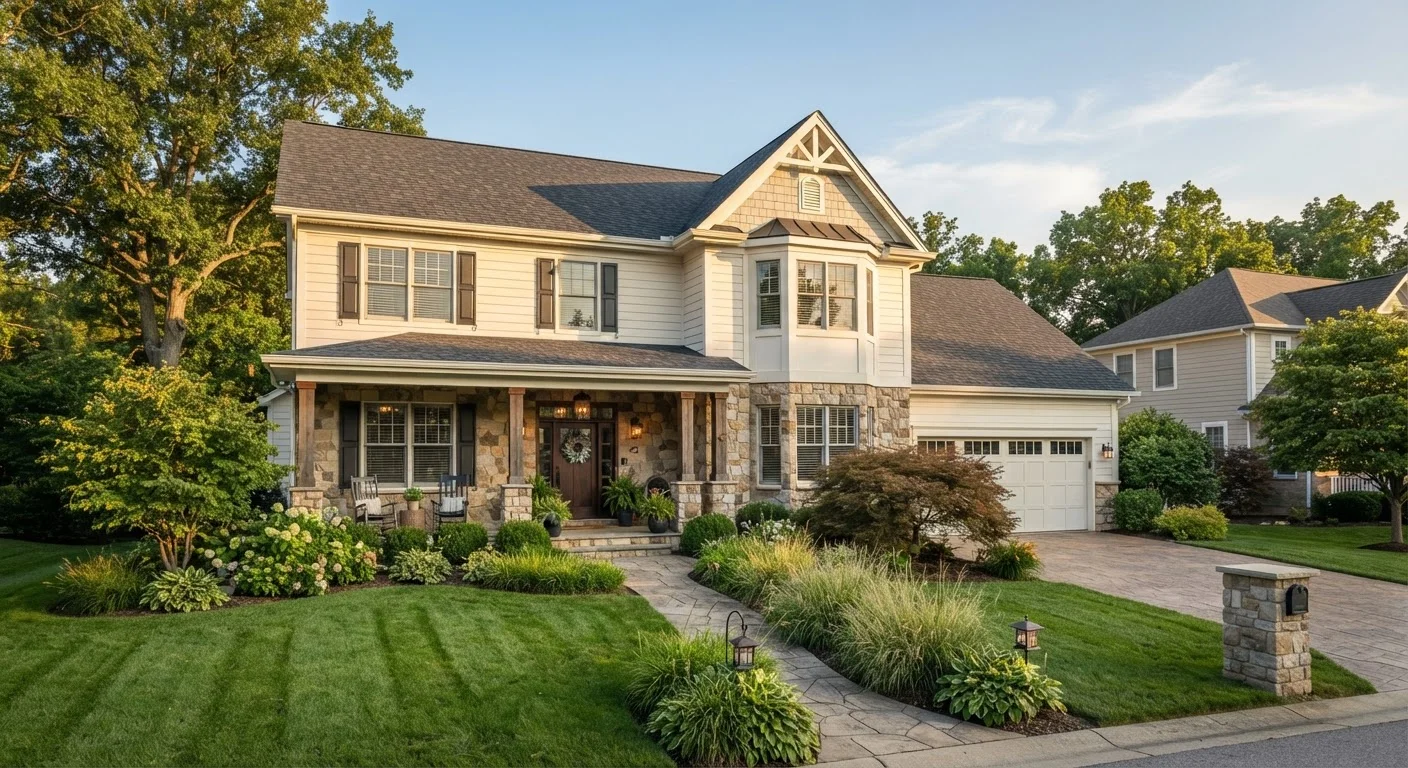
- Dwelling coverage pays to repair or rebuild the physical structure of your home — the walls, roof, foundation, and built-in systems — if it's damaged by a covered peril such as fire, windstorm, or vandalism.
- Other structures coverage extends similar protection to detached structures on your property: a garage, fence, or shed, for example. This is typically set at 10% of your dwelling limit.
- Personal property coverage reimburses you for belongings inside your home — furniture, clothing, electronics — if they're stolen or damaged by a covered event. Most policies cover personal property on a named-perils basis, meaning the cause of loss must be specifically listed.
- Loss of use (additional living expenses) pays for hotel stays, meals, and other costs if a covered loss forces you out of your home temporarily.
For a broader look at how homeowners coverage fits alongside other policy types, see the major insurance coverage categories explained.
~93%
U.S. homeowners with some form of homeowners insurance
According to the Insurance Information Institute, the vast majority of homeowner-occupied homes carry homeowners insurance, often as a mortgage requirement.
$13,000+
Average homeowners insurance claim amount
The Insurance Information Institute has reported average claim payouts in this range, though amounts vary significantly by peril and location.
~25%
U.S. homes in high flood-risk areas lacking flood insurance
FEMA and NFIP data consistently show that a large share of flood-prone properties have no flood coverage, leaving owners exposed to potentially catastrophic uninsured losses.
Liability and Medical Payments: The Often-Overlooked Protection
Beyond physical property, homeowners policies include personal liability coverage. If a visitor slips and falls on your icy front steps and sues you, this coverage pays your legal defense costs and any damages awarded — up to your policy limit. It can also apply if your dog bites a neighbor or if you accidentally damage someone else's property.
A related but separate piece is medical payments coverage (sometimes called Coverage F). This pays a guest's minor medical bills — typically $1,000 to $5,000 — without any finding of fault. It's designed to handle small incidents quickly and avoid litigation.
Review Your Liability Limit Annually
Many standard policies start liability coverage at $100,000 — a figure that can be exhausted quickly in a serious injury lawsuit. Consider whether your current limit reflects your assets and risk exposure. If you want additional protection beyond your homeowners limit, ask a licensed agent about a personal umbrella policy.
Liability limits on standard policies often start at $100,000, but many advisers suggest considering $300,000 or more, especially if you have assets to protect. An umbrella policy can provide additional liability coverage beyond your homeowners limits.
What Homeowners Insurance Does Not Cover
This is where many policyholders are caught off guard — often at the worst possible moment. Standard homeowners policies exclude several major categories of loss.
Flood Damage
This is the most common surprise. Flooding from external water sources — heavy rain, storm surge, overflowing rivers — is not covered by any standard homeowners policy. Separate flood insurance is available through the federal National Flood Insurance Program (NFIP) and some private insurers.
Earthquakes and Earth Movement
Earthquakes, sinkholes, and land subsidence are excluded. Residents in high-risk areas can purchase separate earthquake policies or endorsements.
Routine Wear and Maintenance Issues
Homeowners insurance is designed for sudden, accidental losses — not gradual deterioration. A leaking roof that wore out over years, a failing HVAC system, or termite damage falls outside standard coverage. These are considered maintenance responsibilities of the homeowner.
Sewer Backup
Water that backs up through a drain or sewer line is typically excluded, though many insurers offer it as an add-on endorsement at modest cost.
For a deeper look at coverage blind spots that tend to surface only after a claim is filed, see common coverage gaps discovered after filing a claim.
Endorsements Can Fill Common Gaps
Many standard exclusions — sewer backup, water service line damage, scheduled jewelry coverage — can be added to a homeowners policy through endorsements (also called riders or floaters) for an additional premium. These add-ons are often more affordable than a separate standalone policy. Ask your insurer which endorsements are available and what they cost.
Reading Your Policy: Named Perils vs. Open Perils
One of the most important distinctions in any property policy is how covered causes of loss are defined.
Named-perils coverage only pays for losses caused by events specifically listed in the policy — fire, lightning, windstorm, theft, and others. If the cause of your loss isn't on the list, it's not covered.
Open-perils coverage (sometimes called "all-risk") works in reverse: it covers any cause of loss that isn't explicitly excluded. This is generally broader protection and is the standard for dwelling coverage under an HO-3 policy.
Understanding which approach applies to each part of your policy — the dwelling versus your personal property — helps you predict how a claim might be evaluated. Your policy's declarations page and coverage form spell this out. The policy terms hub can help you decode the language you'll find there.
If you rent rather than own, the coverage structure works differently. See renters insurance vs. homeowners insurance to understand the distinction.
This article provides general information about homeowners insurance for educational purposes only. It is not personalized insurance, financial, or legal advice. Coverage terms, exclusions, and availability vary by insurer, policy form, and state. Always read your actual policy documents and consult a licensed insurance agent or adviser for guidance specific to your situation.