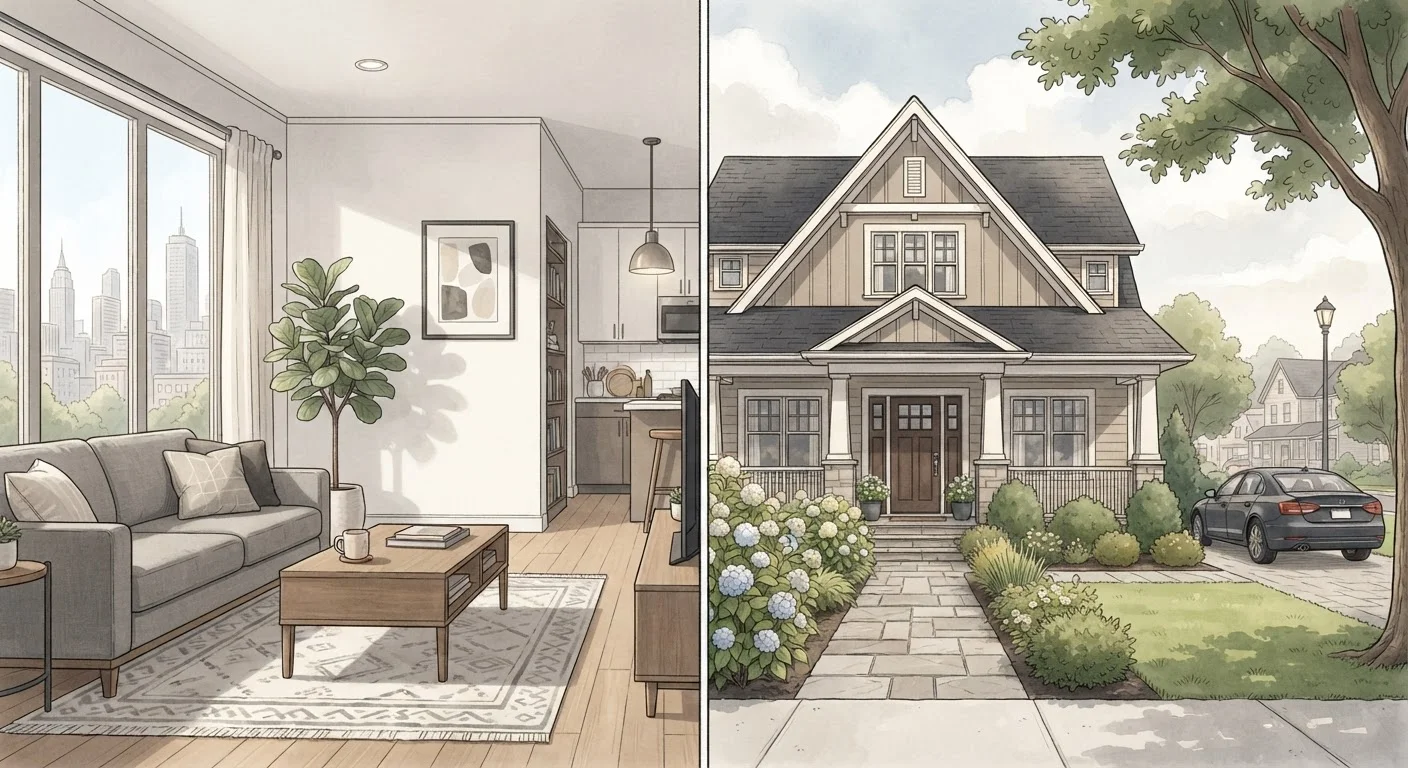
The Core Difference: Who Owns the Building?
The single biggest distinction between these two policies comes down to ownership. Homeowners insurance is built for people who own the property they live in - the policy covers both the physical structure and the contents inside. Renters insurance is built for people who lease their space - the policy covers only the tenant's personal belongings and personal liability, never the building itself.
Many renters assume their landlord's insurance policy has them covered. It doesn't. A landlord's policy protects the landlord's investment - the walls, roof, plumbing, and electrical systems. If a fire destroys your apartment and everything in it, your landlord's insurer will rebuild the unit, but your furniture, laptop, and clothes are your problem unless you have renters insurance.
For a broader look at how these policies fit into the larger insurance landscape, see the major insurance coverage categories explained.
What Each Policy Actually Covers
Despite their differences, both policy types share a similar structural logic. They each bundle several coverage types into one package.
| Criterion | Renters Insurance | Homeowners Insurance |
|---|---|---|
| Who it's for | Tenants who lease their home | People who own their home |
| Covers the building structure | No | Yes |
| Covers personal belongings | Yes | Yes |
| Personal liability coverage | Yes | Yes |
| Loss of use / additional living expenses | Yes | Yes |
| Typically required by a third party | Sometimes by landlord | Usually by mortgage lender |
| Relative cost | Generally lower | Generally higher |
| Flood or earthquake coverage | Not standard | Not standard |
Personal property coverage works similarly in both policies - it reimburses you for belongings damaged or stolen due to covered perils (fire, theft, windstorm, and others listed in the policy). The key difference is scale: homeowners policies often cover higher dollar amounts because homeowners tend to have more property, including items in a garage or detached structure.
Liability coverage protects you if someone is injured on your property and holds you legally responsible. A renter whose guest slips in their kitchen and a homeowner whose neighbor's child is injured on their trampoline both face real liability exposure - and both policy types address this.
Loss of use (sometimes called additional living expenses) kicks in when your home becomes uninhabitable due to a covered event. It pays for temporary housing and related costs while repairs are made. Renters and homeowners both benefit from this coverage, though the triggers and limits differ by policy.
For a detailed breakdown of what a standard homeowners policy includes and excludes, see what homeowners insurance actually covers.
Costs, Requirements, and Common Gaps
Renters insurance is generally one of the more affordable personal insurance products available. Homeowners insurance tends to cost significantly more, primarily because it covers a much larger asset - the structure itself.
~$180/yr
Average annual renters insurance premium
The National Association of Insurance Commissioners (NAIC) has reported average renters insurance premiums in the range of roughly $170-$190 per year, though individual rates vary widely.
~$1,900/yr
Average annual homeowners insurance premium
According to the Insurance Information Institute, average homeowners insurance costs have varied considerably by state and risk profile, with national averages tracking over $1,500-$2,000 annually in recent years.
~57%
U.S. renters without renters insurance
Industry surveys consistently find that a majority of renters lack renters insurance despite its relatively low cost, often because renters assume they are covered under their landlord's policy.
Homeowners insurance is almost always required by mortgage lenders as a condition of the loan. Renters insurance is optional in most states, though a growing number of landlords now require it as part of the lease agreement. If you're renting, it's worth checking your lease carefully - and if renters insurance isn't required, it may still be worth carrying. First-time renters often underestimate these added costs, but renters insurance typically costs less per month than a streaming subscription.
One important gap shared by both policy types: standard policies do not cover flooding or earthquake damage. If you live in an area prone to either risk, a separate policy or rider is generally needed. Flood insurance is available through the National Flood Insurance Program (NFIP) and some private insurers; earthquake coverage is typically a separate add-on.
Actual Cash Value vs. Replacement Cost
When reviewing any personal property coverage - renters or homeowners - pay close attention to whether the policy pays actual cash value (what your item is worth today, after depreciation) or replacement cost value (what it would cost to buy a comparable new item). Replacement cost coverage typically costs a bit more but can make a significant difference after a real loss. Ask your insurer or agent which method applies to your policy.
This article provides general insurance information and education only, not personalized insurance, financial, or legal advice. Coverage terms, exclusions, limits, and premiums vary by provider, policy, and state. Always read your full policy documents and consult a licensed insurance agent or adviser for guidance specific to your situation.