Why Coverage Gaps Stay Hidden Until It's Too Late
Most people buy insurance and file it away - trusting they're protected without reading the fine print. That assumption holds up right until it doesn't. The moment a pipe bursts, a car gets totaled, or a medical bill arrives, policy language that seemed routine suddenly matters enormously.
Coverage gaps aren't usually the result of dishonest insurers. They're the result of mismatched expectations - what a policyholder believed was covered versus what the policy actually says. Several widespread insurance assumptions turn out to be false, and many only come to light when someone files a claim.
Understanding the most common gaps - and why they catch people off guard - is one of the most practical things you can do before you ever need to use your policy.
Assuming homeowners insurance covers flood damage.
Why it happens: The term 'water damage' sounds all-encompassing. Many homeowners don't realize that flooding from external sources - heavy rain, overflowing rivers, storm surge - is categorically excluded from standard homeowners policies.
Believing a standard homeowners policy covers home-based business equipment and liability.
Why it happens: Personal policies are written for personal use. When someone starts freelancing or running a small business from home, they rarely think of their insurance implications - and their insurer isn't notified.
Thinking collision coverage handles all vehicle damage scenarios.
Why it happens: People often conflate collision and comprehensive coverage, or don't realize they dropped one when trying to lower premiums.
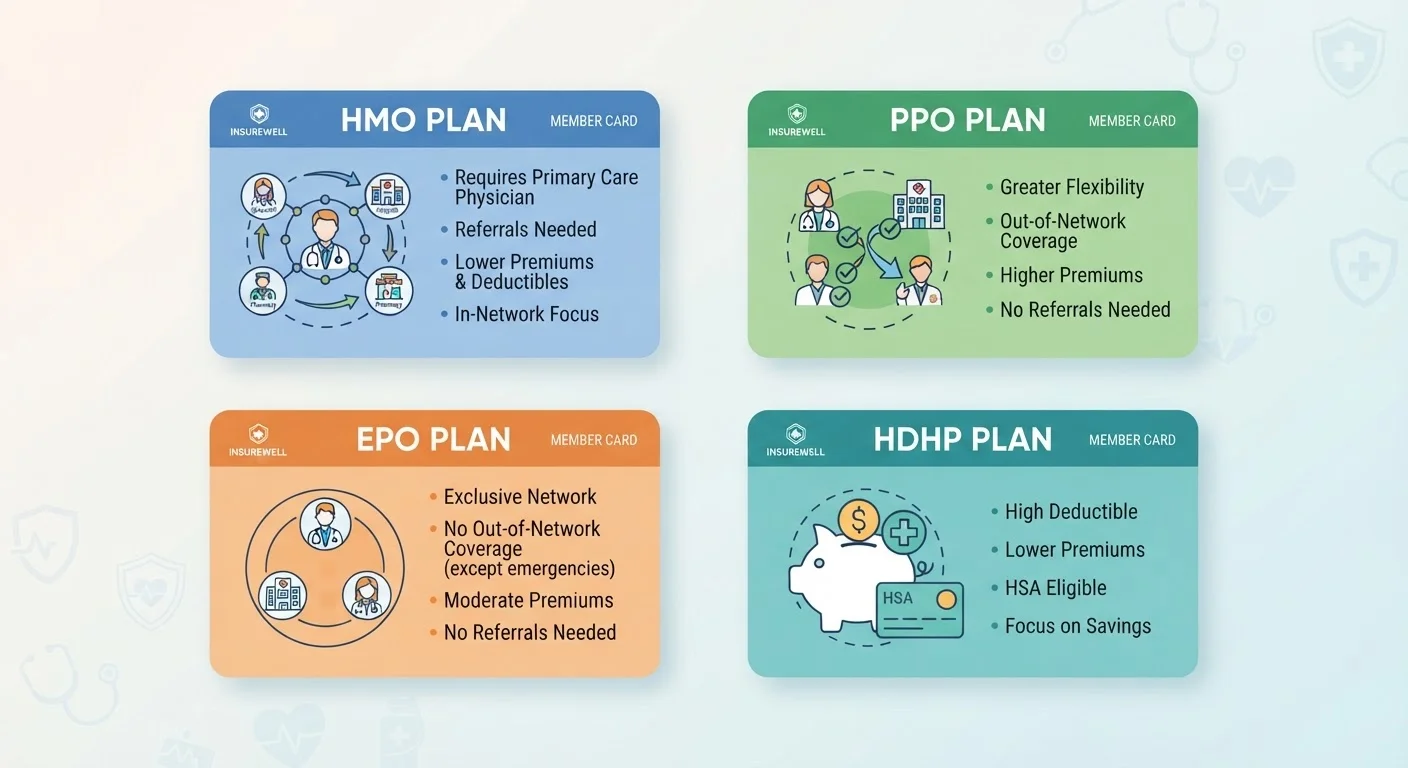
Expecting health insurance to cover all out-of-network providers during a procedure.
Why it happens: A patient may verify their hospital is in-network but not realize that an anesthesiologist or surgical assistant brought in during the procedure works for a different group with different network status.
Overlooking mold damage exclusions in homeowners policies.
Why it happens: Homeowners often assume that if a covered water event caused the mold, the mold remediation is also covered. Many policies either cap mold coverage at a low dollar amount or exclude it altogether.
Assuming life events don't require a policy update.
Why it happens: After the initial policy purchase, coverage tends to become 'set and forget.' Major changes - a home renovation, a new driver in the household, a valuable purchase - rarely trigger an automatic insurance review.
How to Close the Gaps Before You Need to File
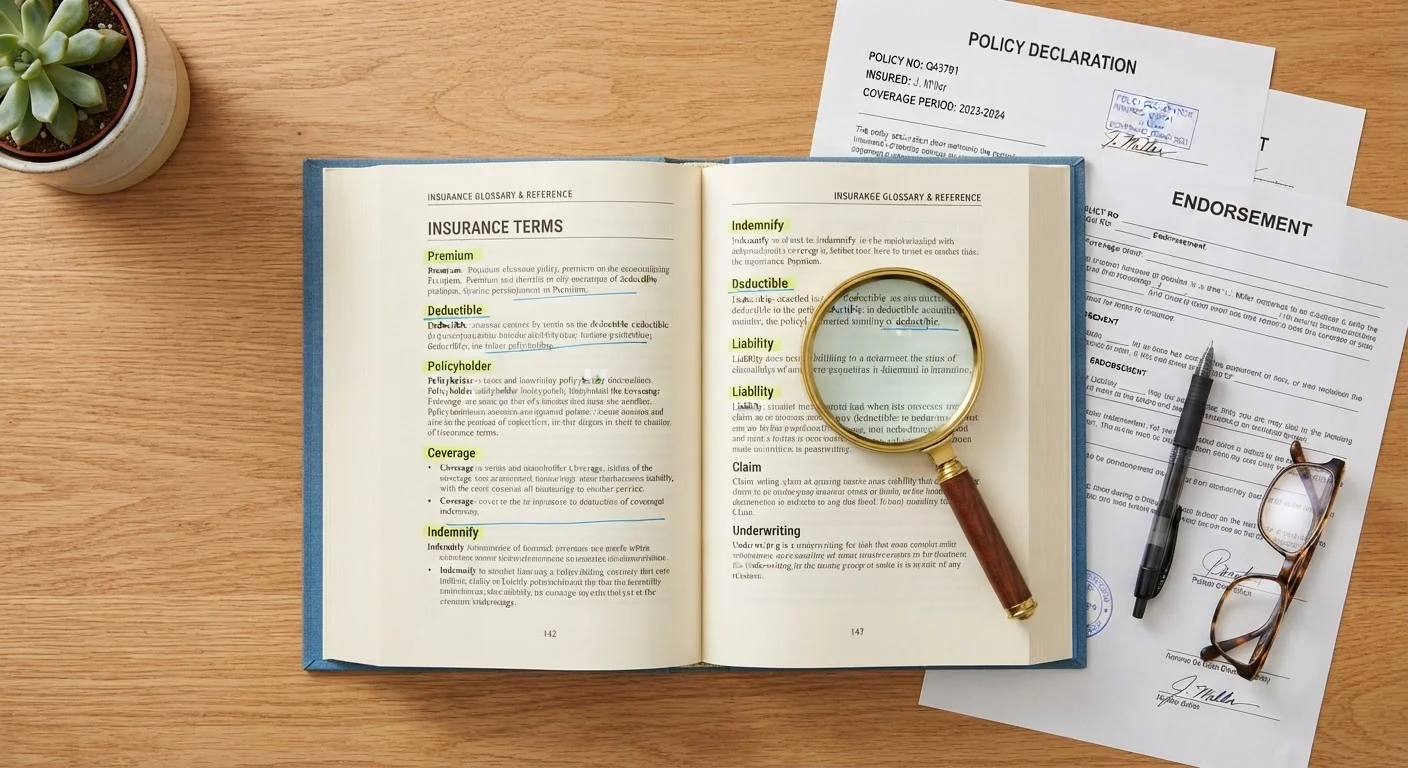
The good news is that most coverage gaps are fixable once you know they exist. The starting point is reading your declarations page and policy exclusions - not just the summary brochure. Exclusions are typically listed in their own section and use precise language that's worth slowing down for. Certain phrases in policy documents are routinely misunderstood, and a careful read can surface issues before they cost you.
Don't Wait for a Claim to Find Out What's Missing
By the time you're filing a claim, it's too late to add coverage for the event that just happened. Insurance policies are prospective - they cover future losses, not past ones. Any gap you discover mid-claim will remain a gap for that loss. Use quieter moments, such as your annual renewal period, to review and address coverage shortfalls proactively. The Claims & Costs hub has additional guidance on navigating the claims process.
From there, it's worth comparing your coverage limits against your actual exposure. If your home's rebuild cost has risen due to construction inflation, your dwelling coverage may be outdated. If you started working from home, your equipment may no longer be covered under a standard homeowners policy. Life changes tend to create coverage changes - and policies don't update automatically.
A practical checklist for auditing your health, auto, and home policies can help you approach this systematically rather than guessing. And when in doubt, a licensed insurance agent or broker - not a salesperson working on commission for a single carrier - can give you an objective read on where your protection stands.
This article is for general informational and educational purposes only. It is not personalized insurance, financial, or legal advice. Coverage terms, exclusions, and eligibility vary by policy and provider. Always read your actual policy documents and consult a licensed insurance professional for guidance specific to your situation.