What These Terms Actually Mean
When you buy a property insurance policy — homeowners, renters, or condo — it has to define which events trigger a payout. That definition falls into one of two broad structures: named perils or open perils (sometimes called "all-risk" coverage).
A named perils policy lists every covered cause of loss directly in the policy language. Common examples include fire, lightning, windstorm, hail, theft, and vandalism. If something damages your property and it isn't on that list, the claim is denied — full stop. The burden falls on you, the policyholder, to show your loss was caused by a listed peril.
An open perils policy flips that logic. It covers any cause of loss unless the policy specifically excludes it. The burden shifts to the insurer: they must point to a written exclusion to deny a claim. This matters practically — damage from a cause nobody thought to name in the policy still gets covered, as long as it isn't explicitly ruled out.
For a deeper look at how policy exclusions work, including why they exist and how to find them in your documents, that's worth reading before you sign anything.
| Criterion | Named Perils | Open Perils |
|---|---|---|
| Coverage trigger | Loss must match a listed peril | Loss covered unless excluded |
| Burden of proof | Policyholder proves cause is listed | Insurer proves cause is excluded |
| Typical premium | Generally lower | Generally higher |
| Claim-time surprises | Higher risk if cause isn't listed | Lower risk; fewer gaps |
| Common policy forms | HO-1, HO-2, most renters policies | HO-3 (dwelling), HO-5 (all property) |
| Floods and earthquakes | Excluded — separate policy needed | Excluded — separate policy needed |
Where You'll Encounter Each Type
These structures show up most often in homeowners and renters insurance, where the distinction has a direct impact on claim outcomes.
The standard homeowners policy in the U.S. — typically sold as an HO-3 form — uses a hybrid approach: open perils for the dwelling itself (the structure of your home) and named perils for personal property (your belongings inside). An HO-5 form extends open perils coverage to personal property as well, making it the broadest standard residential option. Basic forms like HO-1 and HO-2 rely entirely on named perils.
Renters insurance is almost always written on a named perils basis. That means your laptop, furniture, and clothing are covered only for the specific events listed — usually around 16 common perils — not for every conceivable cause of damage.
Understanding which form you have is the starting point for knowing what your homeowners policy actually covers. The form number is printed on your declarations page.
~96%
U.S. homeowners with some property insurance
According to the Insurance Information Institute, the vast majority of homeowners carry a policy, though form type and coverage depth vary widely.
HO-3
Most common homeowners policy form in the U.S.
The HO-3 form dominates the market and uses a hybrid structure: open perils on the dwelling, named perils on personal property.
The Catch Both Types Share
Here's the important nuance: open perils is not the same as all-inclusive coverage. Even the broadest open perils policy excludes certain high-frequency or catastrophic risks. Floods and earthquakes are the most significant examples — they're excluded from virtually every standard property policy regardless of whether it's named or open perils. Covering those risks requires a separate policy or endorsement.
Other commonly excluded perils across both policy types include: sewer backup, mold resulting from long-term neglect, pest damage (termites, rodents), and general wear and tear. These exclusions exist because they're considered maintenance issues or are too broadly predictable to be insurable under a standard form.
This is exactly why coverage gaps tend to surface only after a claim. The structure of your policy — named or open perils — matters less than knowing what its specific exclusions say.
This article provides general insurance education and is not a substitute for reviewing your actual policy documents or speaking with a licensed insurance professional. Coverage terms, exclusions, and availability vary by insurer, policy form, and state.
How to Find Your Policy's Coverage Structure
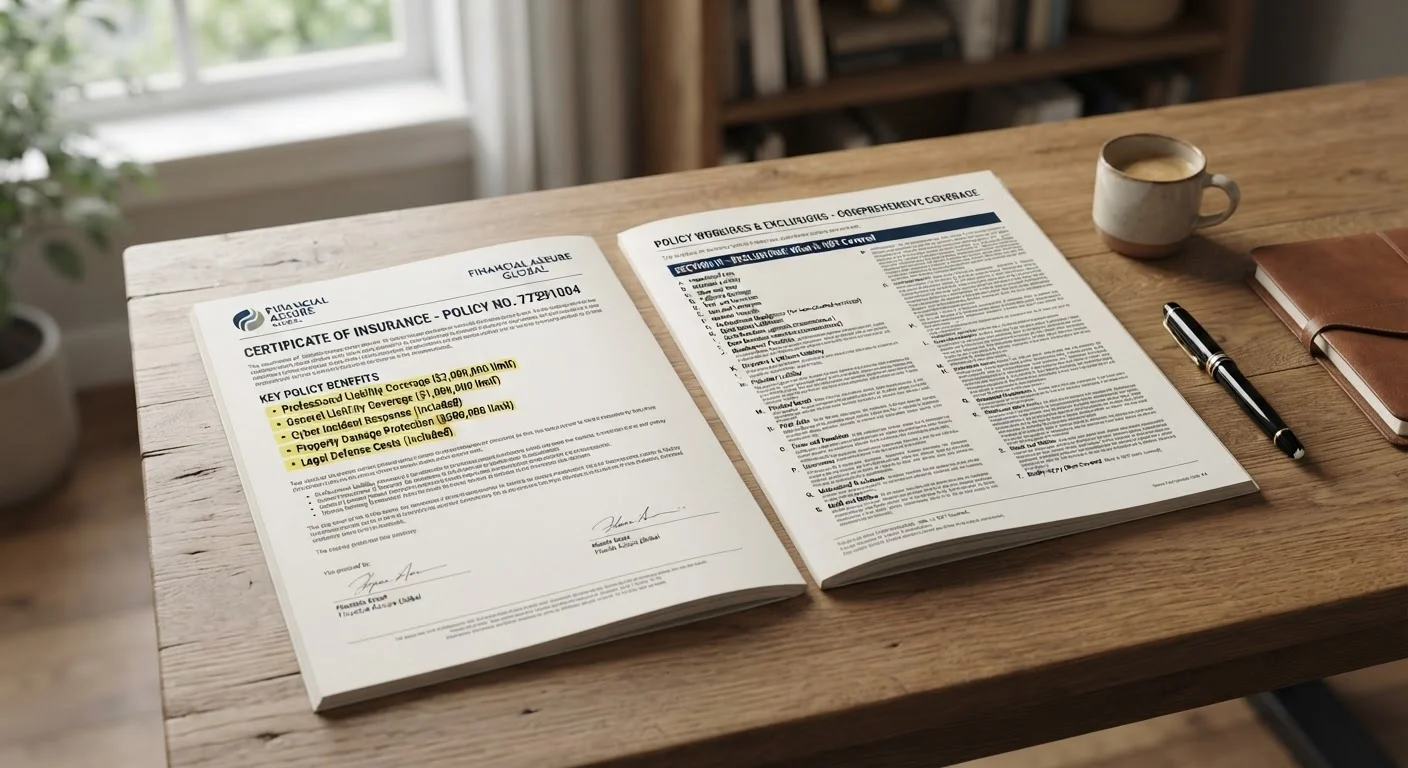
Your declarations page — the summary sheet at the front of your policy — lists the policy form number (such as HO-2 or HO-3). That form number tells you which coverage structure applies. Your full policy document, specifically the 'Covered Perils' and 'Exclusions' sections, will spell out exactly what is and isn't covered. If anything is unclear, your insurer's customer service line or a licensed independent agent can walk you through the specific language.