
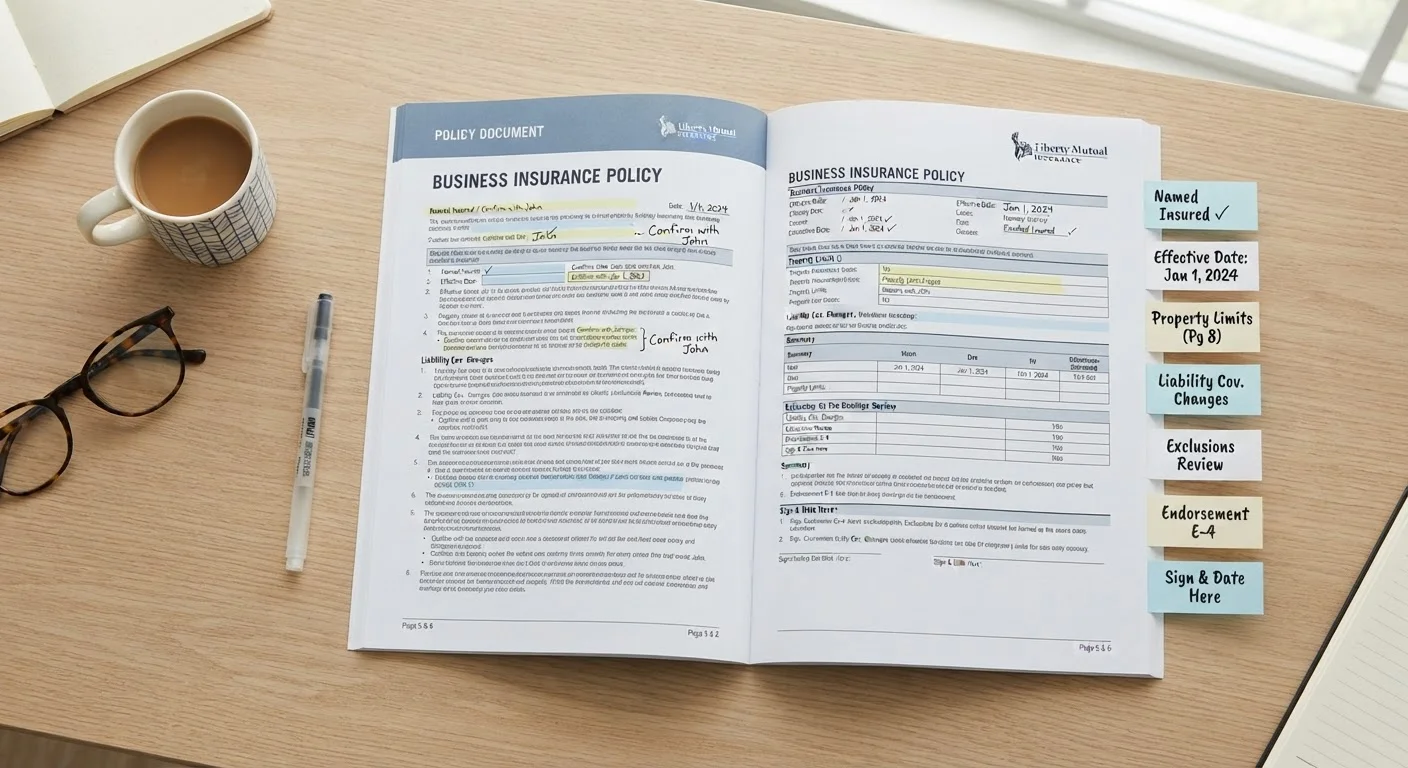
What a Rider Actually Does
Your base insurance policy is designed to cover a broad set of situations — but it can't anticipate every personal circumstance. That's where riders come in. A rider is a written modification attached to your policy that changes what it does or doesn't cover.
Riders can work in three directions:
- Expand coverage — adding protection for something the base policy excludes
- Restrict coverage — formally removing coverage for a specific condition or event
- Modify terms — changing how a benefit is calculated or paid out
Because riders are part of your official policy document, they carry the same legal weight as the base contract. If a rider says something is covered, your insurer is obligated to honor it. If a rider removes coverage, that removal is binding too. This is why reading rider language carefully matters — and why it's worth asking specific questions before signing.
Riders Go By Different Names
Depending on the insurer and policy type, you may see the same concept called a rider, endorsement, or floater. In property insurance, 'endorsement' is the more common term. In life and health insurance, 'rider' is standard. A floater is often used specifically for portable high-value items. The function is the same regardless of what it's called.
Common Types of Riders by Policy Category
Riders exist across virtually every type of insurance. Here are some of the most frequently encountered examples:
Life Insurance Riders
- Waiver of premium — suspends your premium payments if you become totally disabled
- Accelerated death benefit — allows you to access a portion of your death benefit while still living if diagnosed with a terminal illness
- Term conversion — lets you convert a term policy to permanent coverage without a new medical exam
Health Insurance Riders
- Critical illness — pays a lump sum upon diagnosis of specific serious conditions like cancer or stroke
- Hospital indemnity — provides a daily cash benefit for each day you're hospitalized
Homeowners Insurance Riders
- Scheduled personal property — covers high-value items like jewelry or art above standard policy limits
- Water backup — adds coverage for damage caused by sewer or drain backup, which standard policies typically exclude
Auto Insurance Riders
- Roadside assistance — adds towing and emergency services coverage
- Gap coverage — pays the difference between what you owe on a vehicle loan and what the car is worth if it's totaled
Understanding what your base policy already covers is essential before deciding whether a rider is worth it. The coverage type glossary can help you get oriented on core terms before diving into rider specifics.
~40%
Life policies sold with at least one rider
Industry estimates suggest a significant share of individual life insurance policies in the U.S. are purchased with at least one optional rider attached, according to industry research.
Varies
Rider cost as a percentage of base premium
Rider pricing varies widely by type and insurer — some cost a fraction of a percent of your base premium annually, while others can add meaningfully to total cost.
How Riders Interact With the Rest of Your Policy
Riders don't operate in isolation — they sit on top of your base policy, and both documents work together. If your base policy excludes something, and you add a rider to cover it, the rider overrides the exclusion for that specific item. But if you never add the rider, the exclusion stands. This is an important reason to review what your policy excludes before assuming a gap is filled.
Riders also affect your premium — almost always upward, though by varying amounts depending on your insurer, the rider type, and your personal risk factors. The interaction between what you pay and what you're covered for is part of a broader balancing act explained in more detail when you look at how deductibles, premiums, and coverage limits fit together.
One more practical point: not every insurer offers the same riders, and the same rider name can mean slightly different things depending on the policy form. Always read the actual rider language — not just the marketing summary — before you assume it covers what you think it does.
This article is for general informational and educational purposes only and does not constitute personalized insurance, financial, or legal advice. Coverage, terms, and rider availability vary by insurer and by state. Always read your full policy documents and consult a licensed insurance professional before making coverage decisions.