
Why Questions Matter More Than the Price Tag
Most people compare insurance policies by monthly premium alone. That's understandable — price is visible, but coverage details are buried in dense language across dozens of pages. The problem is that a lower premium often reflects narrower coverage, higher cost-sharing, or exclusions that only surface at claim time.
Before you sign anything, use this checklist to move past the price and understand exactly what you're agreeing to. If you're new to reading policy documents, our walkthrough for first-time policy readers explains how each section is structured and what to look for. And if you're still orienting yourself to coverage categories, this beginner's guide to insurance coverage is a useful starting point.
This article is general insurance information and education, not personalized advice. Coverage terms vary by provider and state — always read your actual policy documents and consult a licensed insurance agent or adviser for decisions specific to your situation.
Verbal Promises Don't Equal Written Coverage
If an agent describes a benefit or assurance that you don't see spelled out in the policy document, ask for it in writing. What matters at claim time is the language in the contract, not what was said during a sales conversation. If it isn't in the policy, assume it isn't covered.
What You'll Need to Work Through This Checklist
Gather these materials before you start. Having everything in front of you avoids back-and-forth and makes it easier to spot gaps between what was quoted and what's in writing.
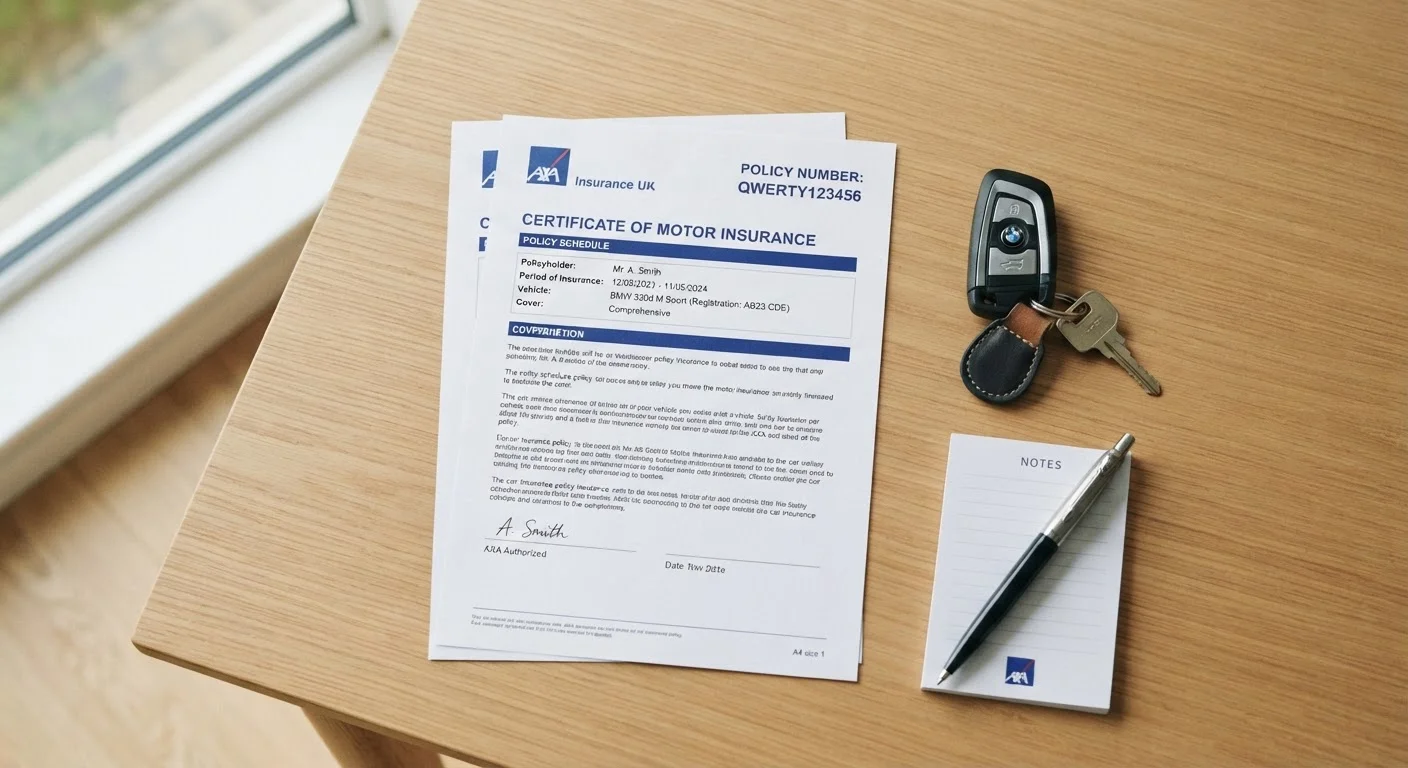
Policy declarations page
The declarations page summarizes your coverage limits, deductibles, and premium — it's your first reference point for key terms.
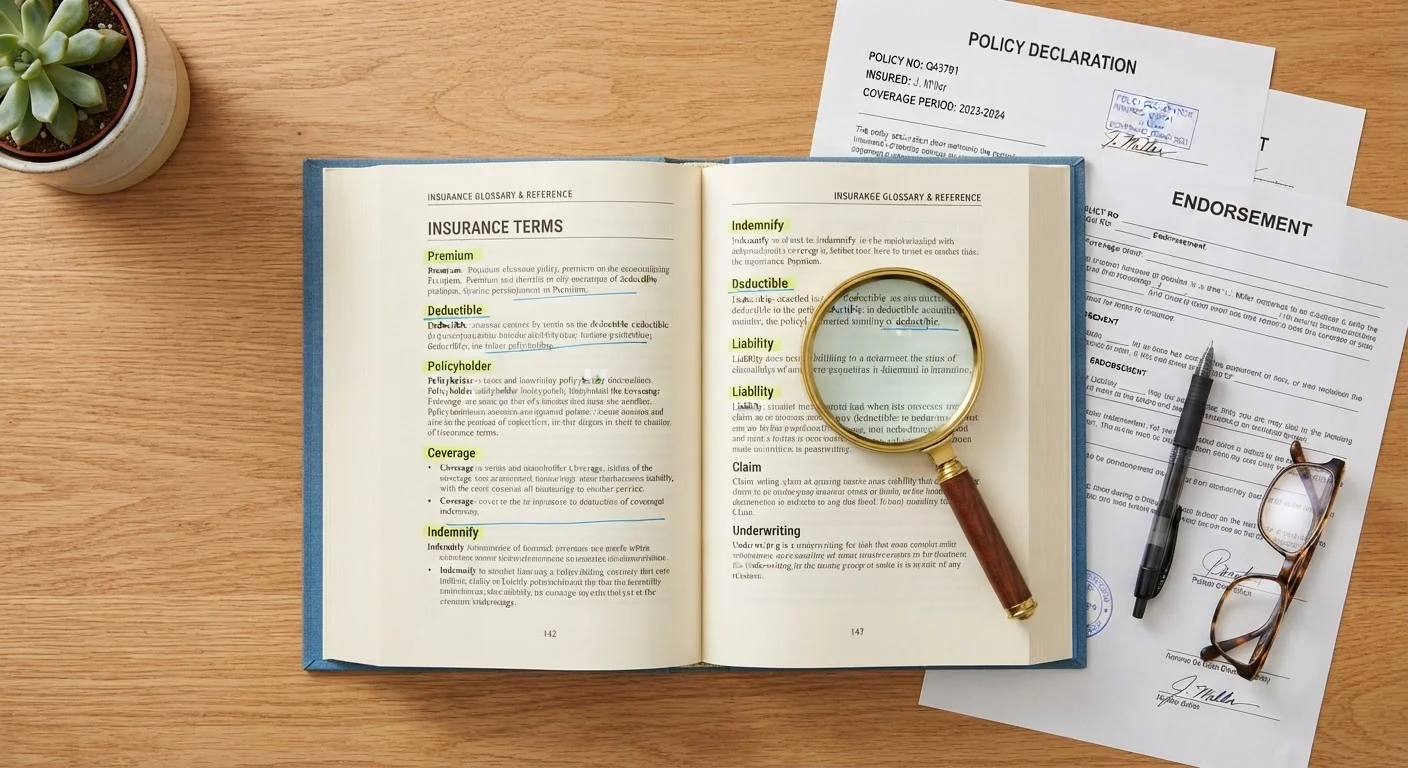
Full policy document
The complete policy spells out exclusions, definitions, and conditions that the declarations page only summarizes.
Written quote or proposal
Compare what was quoted verbally or in writing against the actual policy document to catch discrepancies before signing.
Licensed insurance agent or broker
A licensed professional can clarify policy language, explain trade-offs, and answer questions specific to your situation.
State insurance department website
Your state's insurance regulator publishes consumer guides and complaint data that can help you evaluate an insurer's track record.
The Checklist: Questions to Ask Before You Sign
Work through these grouped questions with your agent or directly against the policy document. Flag any item where the answer is unclear or missing — those are your negotiating and clarification points before commitment.
Coverage Limits
Exclusions and What's Not Covered
Deductibles and Out-of-Pocket Costs
Renewal and Cancellation Terms
Claims Process
Don't Sign Under Time Pressure
Legitimate insurers do not require you to sign immediately. If you feel rushed or pressured to commit before you've had time to review the full policy document, slow down. Take the document home, compare it against your checklist, and ask follow-up questions. A policy you understand is worth far more than a quick deal you can't evaluate.
Some policies allow you to customize coverage through add-ons. Our article on policy riders and how they work explains what riders are and when they make sense. If you're evaluating health coverage specifically, also see what supplemental health insurance covers to understand how secondary plans fill gaps left by primary policies.
This article is for general informational purposes only and does not constitute personalized insurance, financial, or legal advice. Coverage terms, exclusions, and regulations vary by insurer and by state. Always read your complete policy documents and consult a licensed insurance professional before making coverage decisions.