Why Insurance Policies Are Hard to Read
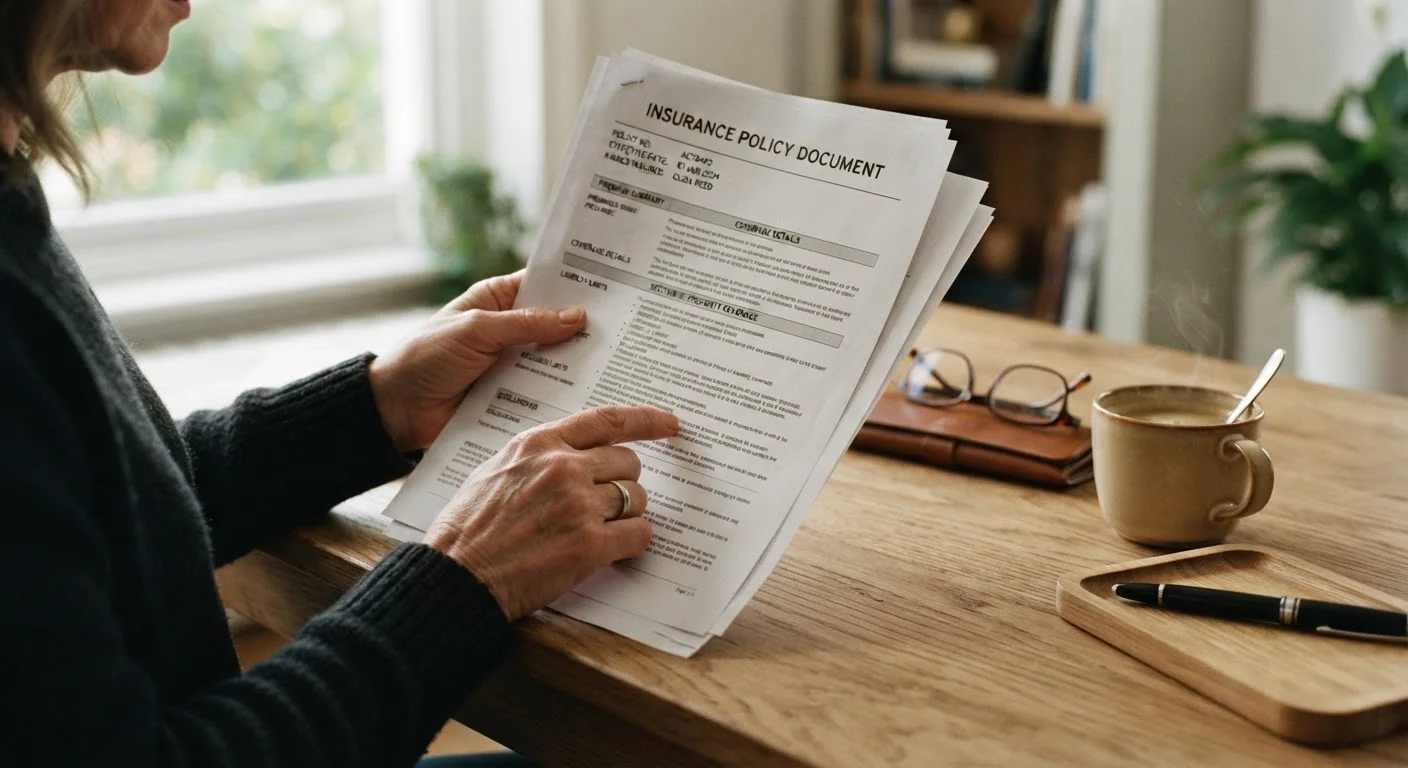
Insurance policies are legal contracts — and they read like it. The language is precise by necessity, because every word can affect whether a claim is paid. That doesn't make the experience pleasant for the average person picking one up for the first time.
If you're new to insurance altogether, the beginner's orientation to insurance coverage is a good place to get grounded in the basics before diving into a specific document. Once you have that foundation, the policy itself becomes much more navigable.
Policies Are Contracts, Not Brochures
Marketing materials and policy summaries describe coverage in general terms, but only the actual policy document is legally binding. If there's ever a conflict between a summary and the policy itself, the policy language controls. Always request and keep a copy of the full document — not just the quick-reference card.
The Standard Sections Every Policy Contains
Most insurance policies — whether for auto, home, health, or renters — follow the same basic structure. Knowing the layout helps you find the answers you need quickly.
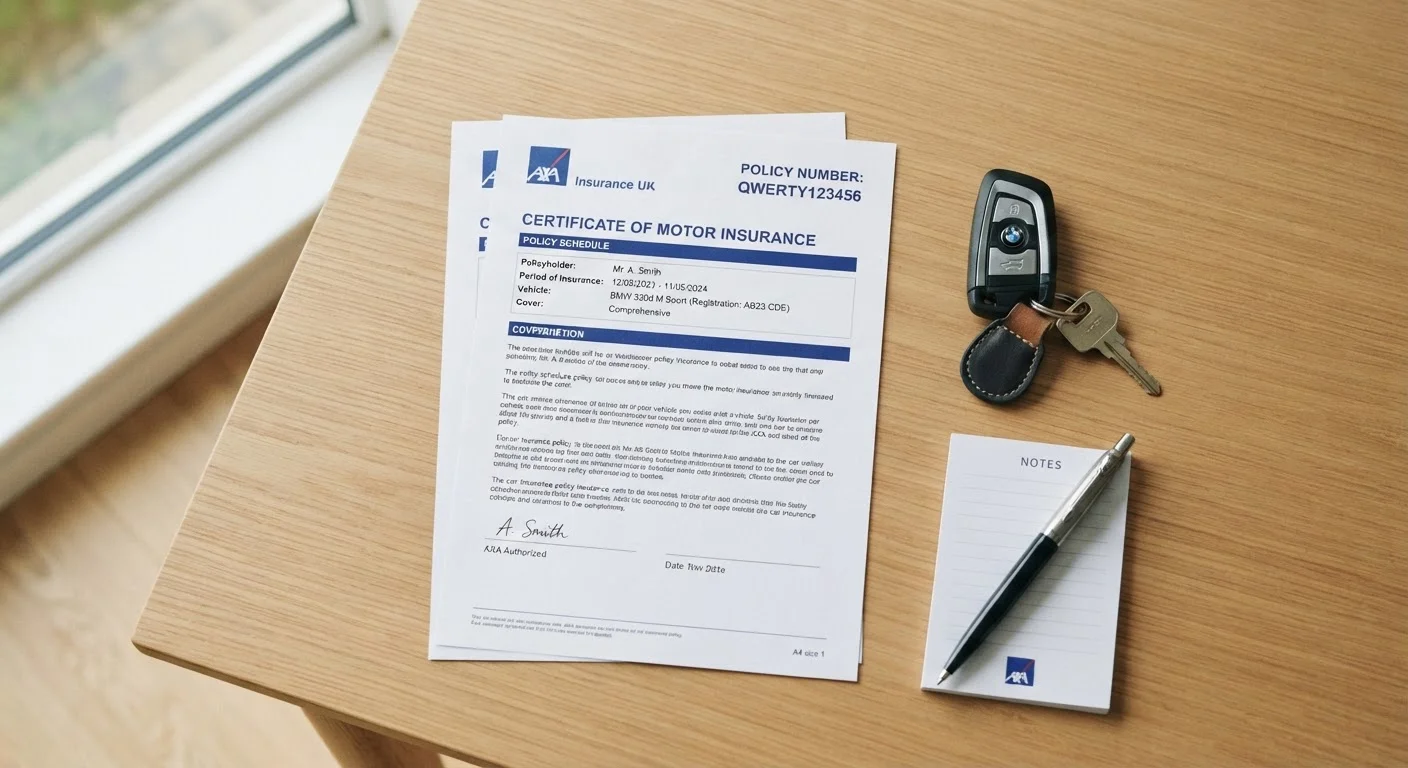
- Declarations page: A summary of who is insured, what is covered, the policy period, premium, and deductible. Understanding what the declarations page is really telling you can prevent costly misreads.
- Definitions section: Lists key terms and their specific meanings as used in this policy. If the policy says 'covered property,' the definitions section tells you exactly what that phrase includes.
- Insuring agreement: The core promise — what the insurer agrees to cover in exchange for your premium.
- Exclusions: What is specifically not covered. This section is critical and often under-read.
- Conditions: The rules both you and the insurer must follow — things like how to report a claim, your duty to cooperate, and what happens if you miss a payment.
- Endorsements (or riders): Add-ons that modify the base policy, either expanding or restricting coverage.
Key Terms You'll Encounter
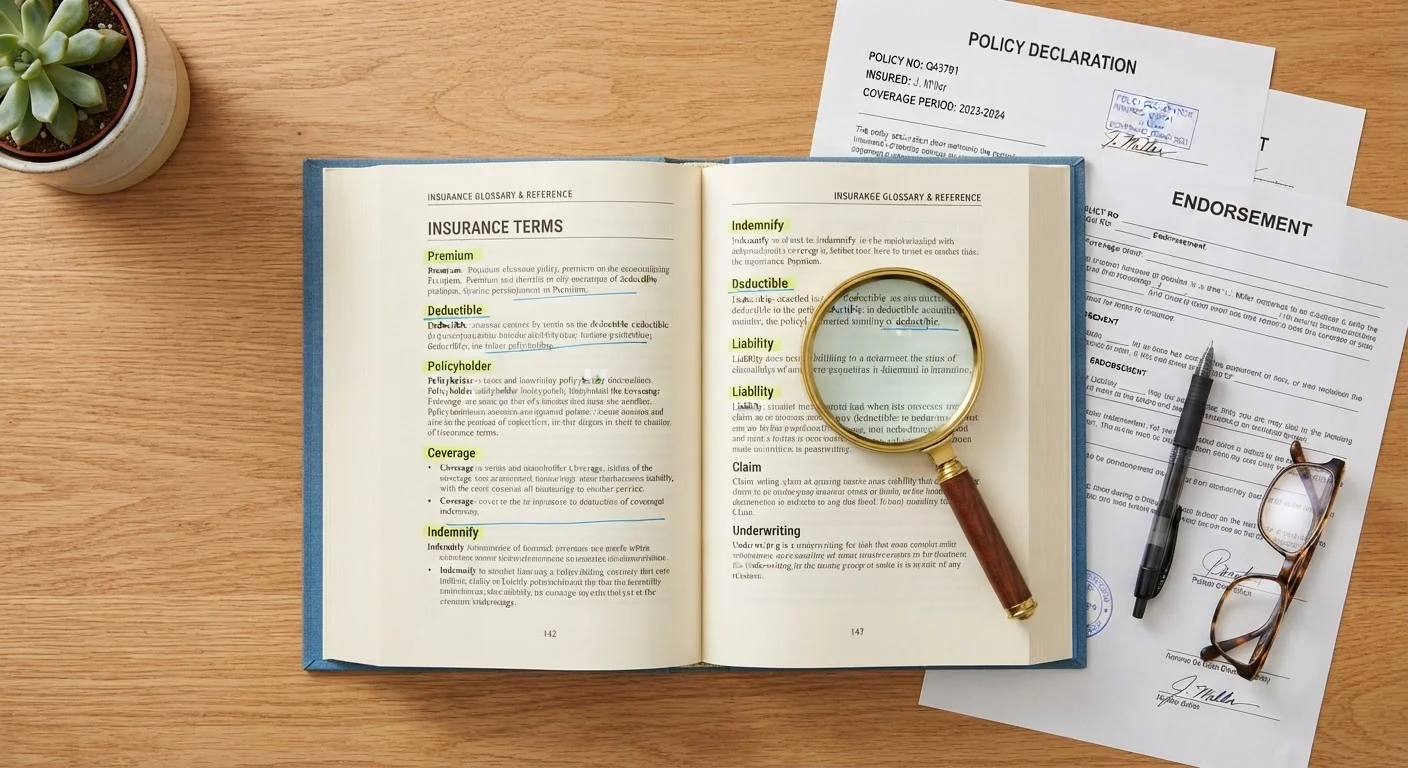
Before you can read a policy confidently, a handful of terms need to feel familiar. The definitions section of your specific policy will govern exact meanings, but these plain-language descriptions give you a working foundation.
Premium
The amount you pay — typically monthly or annually — to keep your insurance policy active. Think of it as the cost of having coverage available.
Deductible
The amount you pay out of pocket when you file a claim before your insurer pays anything. A $1,000 deductible means you cover the first $1,000 of any covered loss.
Coverage limit
The maximum dollar amount your insurer will pay for a covered claim. Losses above that limit are your responsibility.
Exclusion
A specific situation, event, or type of loss the policy explicitly will not cover. Exclusions are listed in their own section and should be read carefully.
Endorsement
An add-on or amendment to a standard policy that changes, expands, or limits coverage. Sometimes called a rider, especially in life and health policies.
Insured
The person or entity protected by the policy. Depending on the policy type, 'insured' may include the policyholder, household members, or a named business.
Insuring agreement
The section of the policy where the insurer states what it promises to cover in exchange for your premium. It's the core contract language.
Policy period
The start and end dates during which your coverage is active. Losses that occur outside this window are generally not covered.
What to Read First — and What to Flag
Don't try to read a policy front to back on the first pass. Start with the declarations page to confirm the basics are correct — your name, address, coverage amounts, and policy dates. Errors here are more common than people expect and should be caught before a claim arises.
Next, go to the exclusions. This is where most coverage surprises come from. If you're reading a homeowners policy, look for what natural events or property types are excluded. Auto policies often exclude certain uses of the vehicle, such as rideshare driving or business deliveries.
Use a Highlighter or Sticky Notes
When reading a physical or printed policy, physically marking the exclusions and conditions sections makes them easier to return to later. For digital documents, use comment or highlight tools in your PDF reader. The goal is to make the most consequential sections easy to find at claim time — not just at signing.
Finally, check the conditions section for claim-reporting deadlines. Most policies require you to notify the insurer promptly after a loss. Missing that window can complicate or jeopardize a valid claim.
Before You Sign or Renew
Reading a policy once isn't enough if your circumstances change. Marriage, a home renovation, a new vehicle, or a home business can all affect whether your existing coverage is adequate. Make it a habit to revisit your policy at renewal time.
Use the questions to ask before signing any insurance policy as a checklist before committing. And when you file a claim or face a dispute, understanding the claims and costs process in advance puts you in a much stronger position.
If anything in a policy document remains unclear after reading it carefully, a licensed insurance agent is the right person to ask. This article is for general educational purposes and is not a substitute for personalized advice from a licensed professional.
This article is for informational purposes only and does not constitute insurance, legal, or financial advice. Coverage terms, exclusions, and regulations vary by insurer, policy type, and state. Always read your actual policy documents and consult a licensed insurance agent or adviser for guidance specific to your situation.