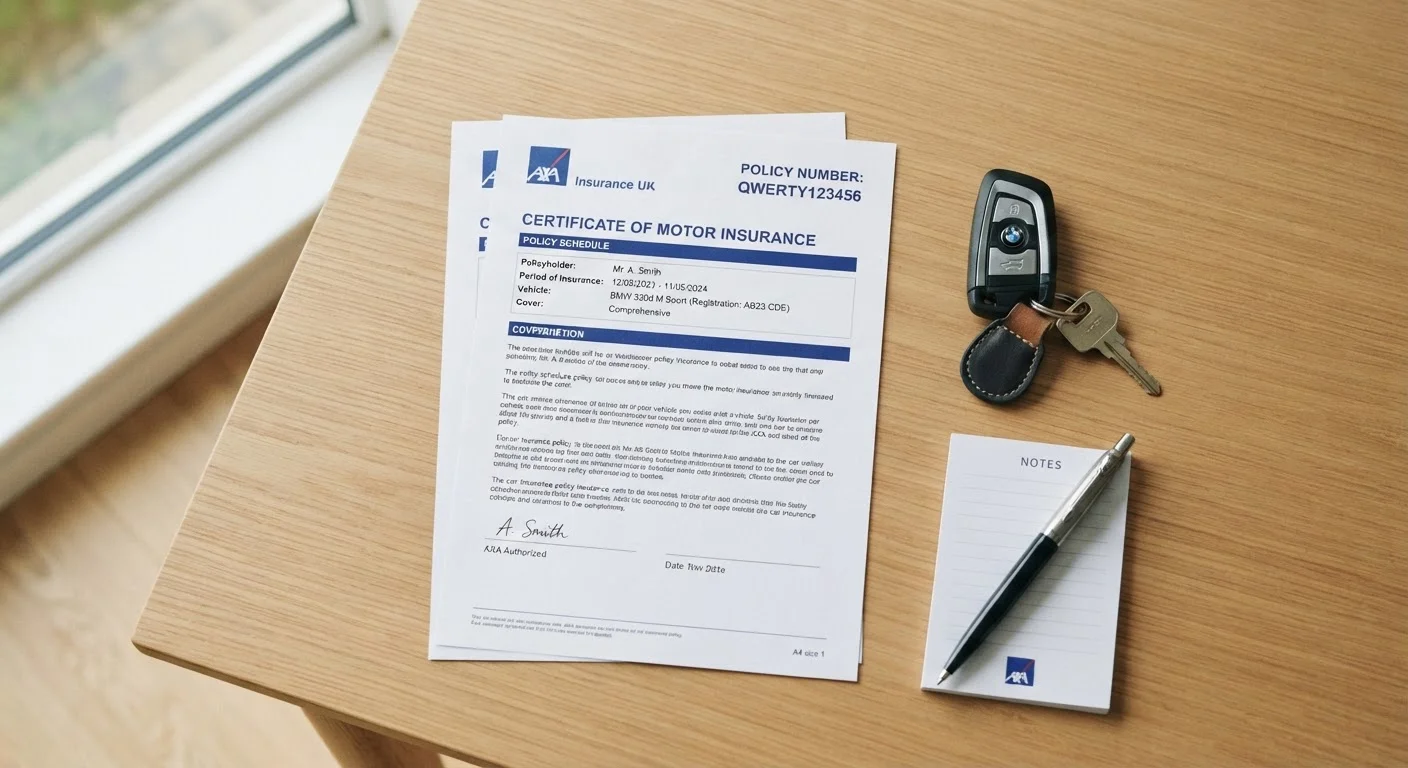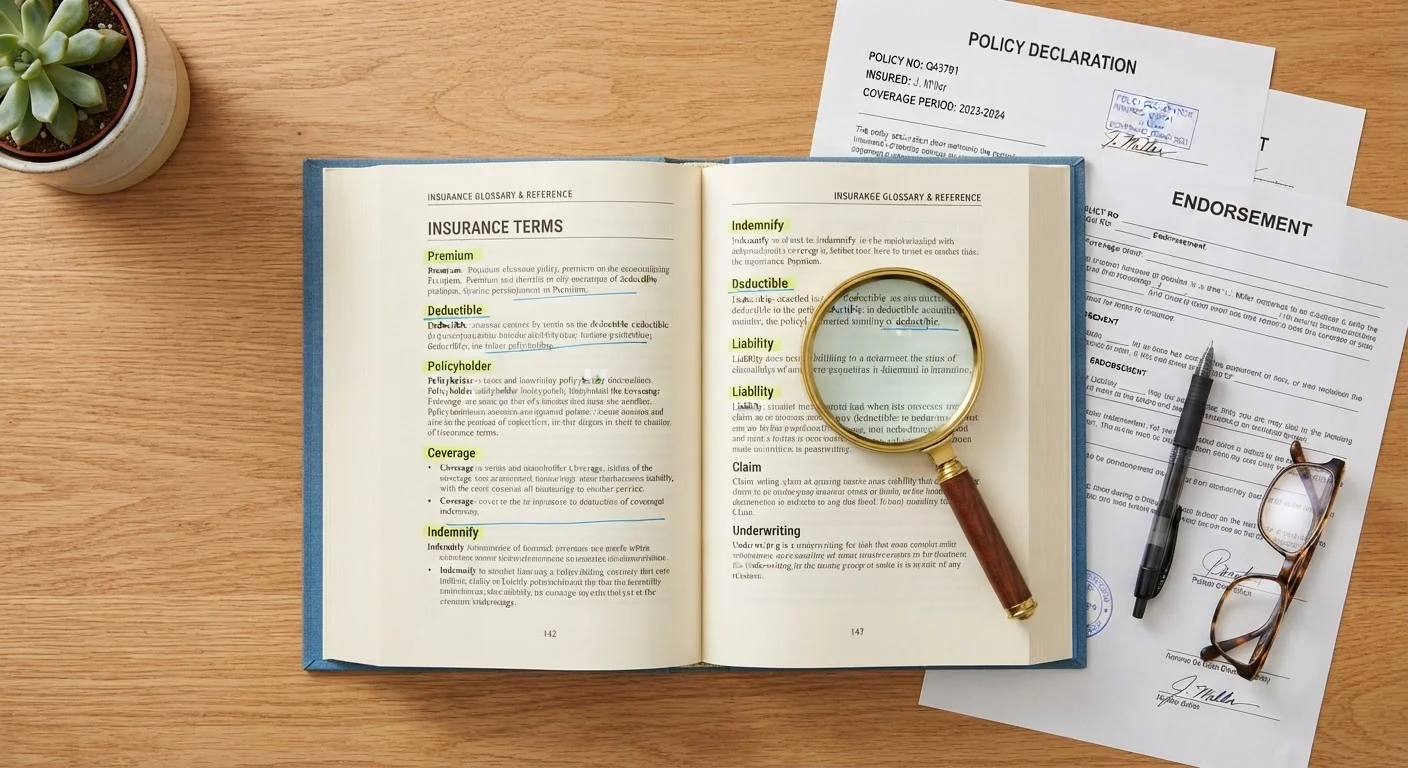

Why the Dec Page Exists
Insurance policies are long, technical documents. A standard homeowners policy can run 30 to 60 pages. The declarations page exists to cut through that density and give you — and anyone else who needs to verify your coverage — a fast, accurate summary. It's typically the first one or two pages of your policy packet.
Understanding this page matters more than most people realize. When you file a claim, your insurer works from the full policy. But the dec page is where you can quickly spot whether the coverage you're paying for matches what you actually need. If something is wrong on that page, the rest of the policy may not protect you the way you expect. See our full walkthrough of reading an insurance policy for context on where the dec page fits within the broader document.
What Each Section of the Dec Page Is Actually Saying
Most declarations pages share common sections regardless of the type of insurance. Here's what each one means in plain terms:
- Named Insured: This is the person or entity with legal rights under the policy. If your name is misspelled or someone is missing who should be listed, that can create problems during a claim. An additional insured — such as a mortgage lender — may also appear here.
- Policy Number: Your unique identifier with the insurer. You'll need this for every call, claim, or document request.
- Policy Period: The start and end dates of your coverage. Coverage typically begins at 12:01 a.m. on the start date and expires at 12:01 a.m. on the end date. A lapse of even one day can leave you unprotected.
- Coverage Types and Limits: This section lists each type of coverage included in your policy and the maximum dollar amount the insurer will pay per occurrence or in total. These limits are not negotiable after a loss — what's printed is what applies.
- Deductible: The amount you pay out of pocket before insurance kicks in. A higher deductible typically means a lower premium, but it also means more cost to you when something goes wrong.
- Premium: What you owe for the policy period. This may be broken into installments, but the total annual premium is what your coverage actually costs.
- Endorsements: Optional additions or modifications to the standard policy. If you added coverage for a specific item or risk, it should appear here or be referenced here.
The Dec Page Is a Summary, Not the Full Story
Everything on the declarations page is real and binding — but it does not contain the full terms of your coverage. Conditions, definitions, and exclusions that determine exactly how a claim is evaluated appear in the body of the policy. If a claim is denied, the reason will almost never be found on the dec page itself. Reviewing what exclusions mean and where to find them is an important second step after you understand your dec page.
The dec page lists your coverage limits, but it does not explain what is excluded. Exclusions are buried deeper in the policy document and can significantly narrow what you can actually claim. For more on this, see what exclusions are and why they matter.
Common Misreads and What They Cost You
The dec page looks simple, but several misunderstandings show up repeatedly among policyholders.
Check Your Dec Page at Every Renewal
When your renewal packet arrives, pull out the declarations page before setting it aside. Confirm that all named insureds, coverage limits, deductibles, and endorsements reflect your current situation. If construction costs, property values, or your personal assets have changed, your limits may need an update. A five-minute review at renewal can prevent a costly mismatch at claim time.
Coverage limits vs. property value: Many homeowners assume their dwelling coverage limit equals what their home would sell for. It does not. The limit should reflect the cost to rebuild the structure — a figure that often differs significantly from market value. Review your limit annually, especially if construction costs have changed in your area.
Per-occurrence vs. aggregate limits: Some policies cap how much they'll pay per single incident; others cap the total paid across all claims in the policy period. These are not the same thing. If your policy has both, you may hit the aggregate limit before the year ends.
Assuming endorsements carry over: When you renew, changes to your policy aren't always automatic. If you added a rider or endorsement mid-term, verify it appears on your renewal declarations page. It's a small check that prevents large surprises. Learn more about common policy language misreadings that lead to denied claims.
How to Use Your Dec Page Proactively
Most people file their declarations page and forget it exists until something goes wrong. A more practical approach is to review it at each renewal — before you need it.
1–2 pages
Typical length of a declarations page
Despite summarizing a policy that may run dozens of pages, the declarations page is designed to be a concise reference document.
~1 in 20
Homeowners underinsured relative to rebuild costs
Industry estimates suggest a meaningful share of homeowners carry dwelling limits that fall short of actual replacement costs, a gap often visible on the dec page.
When reviewing your dec page, focus on three things: Are the named insureds correct? Do the coverage limits still reflect your actual needs? Are all expected endorsements listed? If anything looks off, contact your agent before the policy period begins. A correction made on paper before a loss is straightforward. A correction attempted after a claim is filed is far more complicated.
For auto policyholders specifically, the dec page will list each coverage type — liability, collision, comprehensive, and any others — with their separate limits and deductibles. Understanding what each of those does is essential context. Our guide on liability, collision, and comprehensive coverage explains what each one actually protects against.
The declarations page is a tool. Used actively, it helps you confirm that what you bought is what you need. Ignored, it becomes a document you only look at when it's too late to change anything.
This article is for general informational purposes only and is not personalized insurance or legal advice. Coverage terms, limits, and requirements vary by insurer and state. Always read your full policy documents and consult a licensed insurance agent or adviser for guidance specific to your situation.