The Three Numbers That Define Any Policy
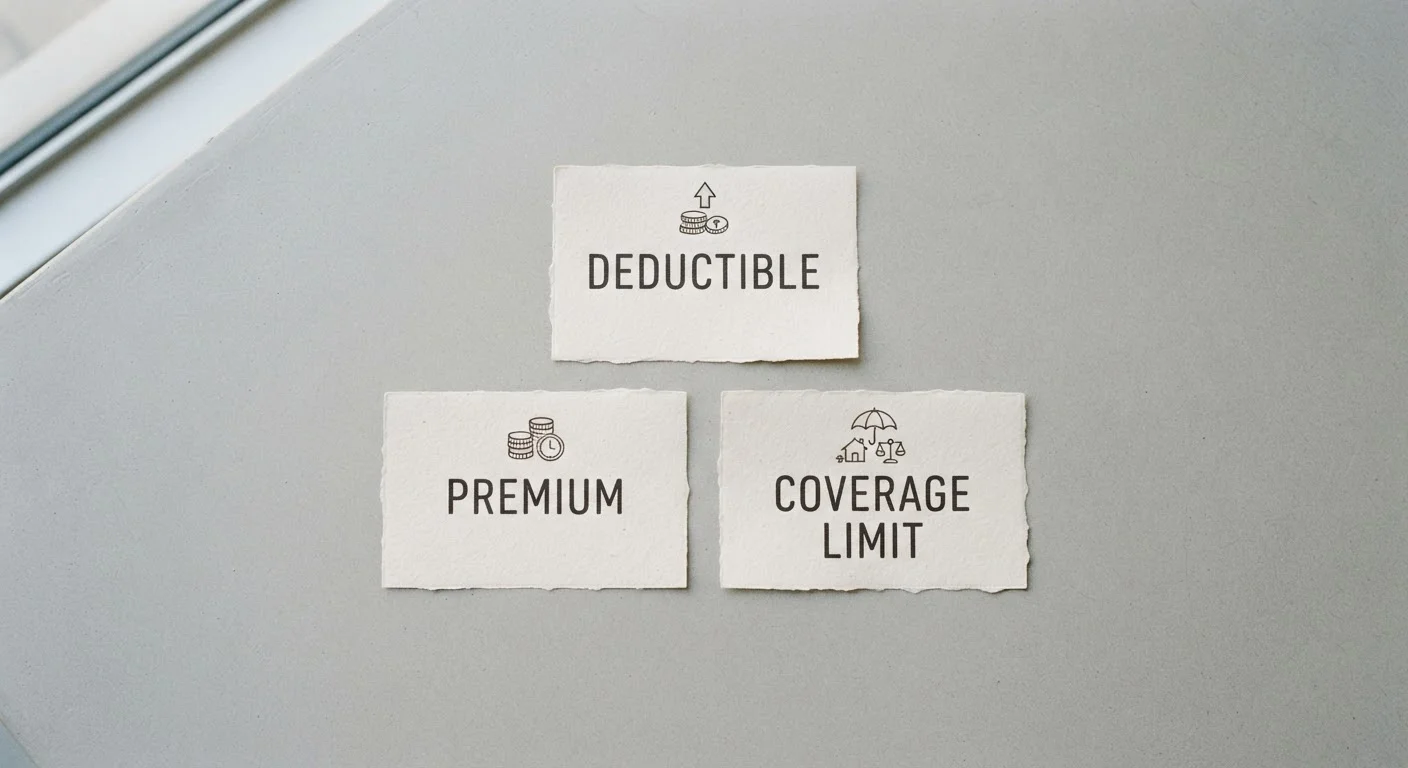
Almost every insurance policy - whether it covers your car, your home, or your health - is built on the same three financial levers: the premium, the deductible, and the coverage limit. Each one answers a different question.
- Premium: What does it cost me to have this coverage?
- Deductible: What do I pay first before the insurer pays anything?
- Coverage limit: What is the most the insurer will ever pay for a covered loss?
None of these numbers stands alone. Shift one, and the others tend to shift too. Understanding how they interact is what separates a policy that fits your life from one that just looks affordable on paper. For a broader look at how different policy types are structured, see our overview of major insurance coverage categories.
How the Three Elements Interact
Think of these three elements as a triangle. Push one corner and the other two move in response.
$1,763
Average annual U.S. homeowners insurance premium
According to the Insurance Information Institute, the national average homeowners premium varies significantly based on coverage limits, deductible choices, and location.
$1,000-$2,000
Common individual health deductible range for employer plans
The Kaiser Family Foundation's annual survey of employer health benefits consistently shows average individual deductibles in this range for single-coverage plans.
Up to 40%
Potential premium reduction from raising your deductible
The Insurance Information Institute notes that policyholders can sometimes lower their homeowners premium substantially by opting for a higher deductible - though exact savings vary by insurer and location.
Premium vs. Deductible
The most common trade-off in insurance is between premium and deductible. A higher deductible means you absorb more cost before coverage activates - in exchange, insurers typically charge a lower monthly premium. A lower deductible shifts that early risk back to the insurer, which is usually reflected in a higher premium. This trade-off is especially visible in health and auto insurance.
Coverage Limit vs. Premium
Choosing a higher coverage limit increases your insurer's maximum exposure on any given claim. Unsurprisingly, that additional protection generally costs more in premiums. A policy with a $500,000 liability limit will typically carry a higher premium than one with a $100,000 limit, all else being equal.
Coverage Limit vs. Deductible
A high coverage limit paired with a very high deductible can create a gap in practical protection. If your deductible is $5,000 but a typical covered loss in your situation runs $4,000, you'd rarely see the insurer pay anything - even if your coverage limit is generous. Matching these numbers to your realistic risk scenarios matters. For auto-specific breakdowns, see how liability, collision, and comprehensive coverage each work.
Real-World Implications Across Policy Types
These dynamics play out slightly differently depending on the type of insurance you're looking at.
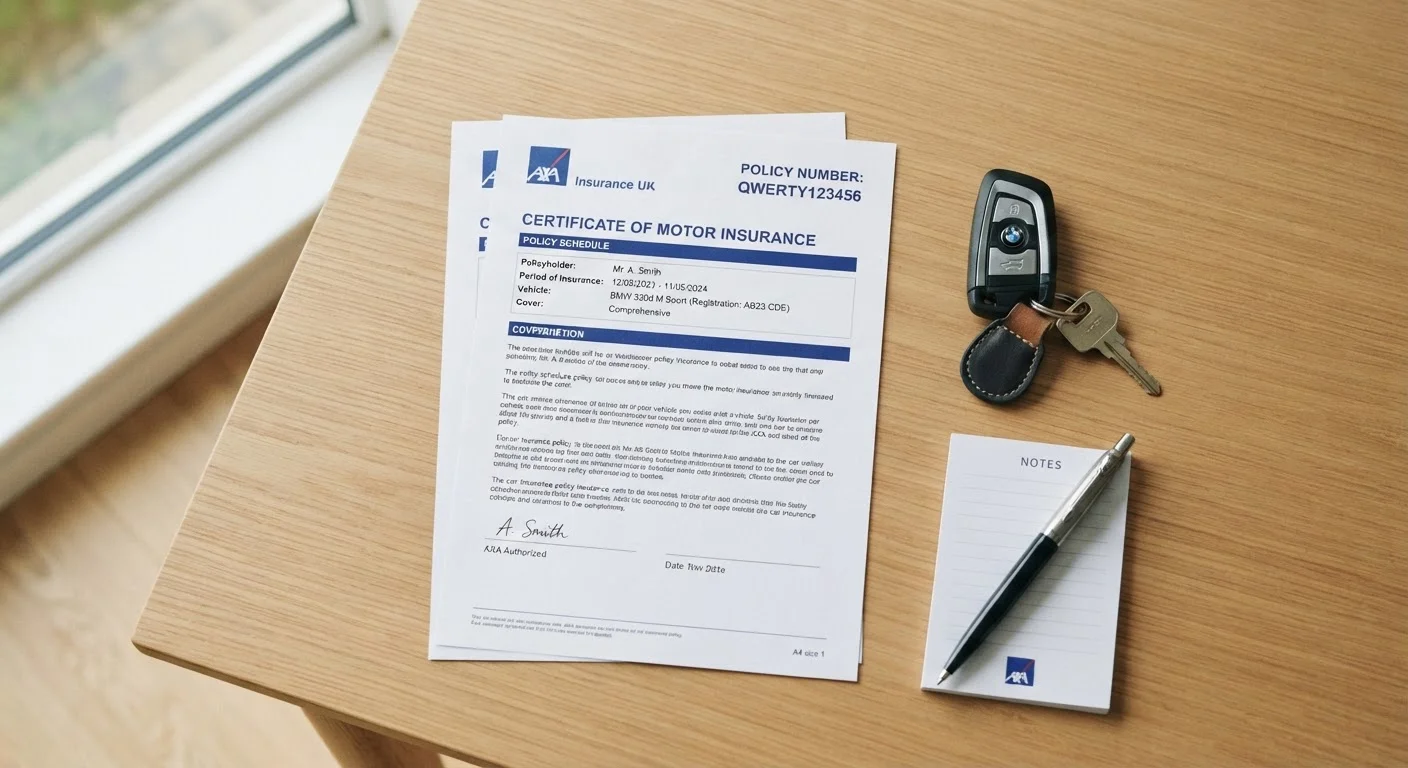
On health insurance, the deductible often resets annually, and there are additional cost-sharing layers - like copays and coinsurance - that interact with it. Our article on deductibles, copays, and coinsurance explains how those layers stack. On auto policies, your deductible typically applies per claim, not per year. On homeowners policies, some perils - such as wind or hail in certain regions - may carry their own separate deductible. Always read the declarations page of your actual policy to see how these terms are defined for your specific coverage.
Check Your Deductible Before You File
Before submitting a claim, compare the estimated loss amount to your deductible. If the loss is only slightly above your deductible, filing a claim may not be worth it - it could affect your claims history and potentially your future premium. For smaller losses, paying out of pocket and preserving your claims record is sometimes the more cost-effective choice.
What to Consider When Comparing Policy Structures
When reviewing a policy or comparing options, treat these three elements as a package, not three separate line items.
- Affordability of the premium: Can you consistently pay this amount without financial strain? A lapsed policy provides no protection.
- Ability to meet the deductible: If you file a claim tomorrow, do you have the deductible amount available? A deductible you can't cover when you need it is a real problem.
- Adequacy of the coverage limit: Does the limit reflect the realistic cost of a major loss - not just the average one? For home insurance, that means the cost to rebuild, not the market value. For liability coverage, it means the realistic exposure you face.
Insurers price risk, and the policy structure you choose signals your willingness to share that risk. Factors that influence your auto premium offer one example of how insurers assess and price that risk across different customers. You can also explore how policy riders can adjust your base coverage if you want to modify a standard policy structure. For more on navigating costs and claims, the Claims & Costs hub is a useful starting point.
This article is for general informational and educational purposes only and does not constitute insurance, financial, or legal advice. Coverage terms, costs, exclusions, and eligibility vary by insurer, policy type, and state. Always read your policy documents carefully and consult a licensed insurance agent or adviser for guidance specific to your circumstances.