Why a Prepared Response Matters
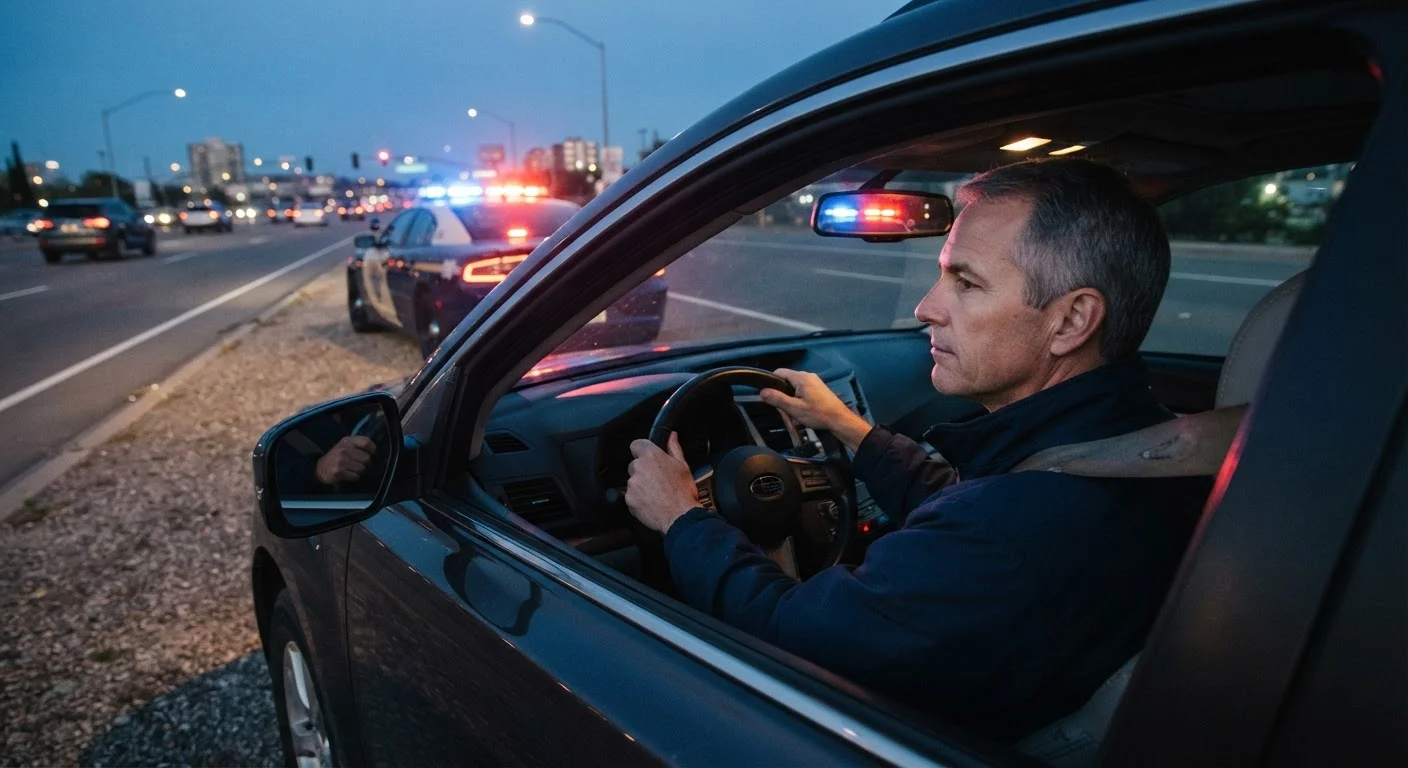
A traffic stop is one of the most common law-enforcement encounters American drivers will ever face. According to the Bureau of Justice Statistics, tens of millions of traffic stops occur in the United States each year. Despite that frequency, many drivers have no clear plan for how to respond - which can create unnecessary tension for both the driver and the officer.
The good news: a calm, prepared response is a learnable skill. Whether you're stopped for a burned-out taillight or a suspected moving violation, following a consistent sequence of actions protects your safety and your legal rights. Pair this checklist with the broader road safety habits worth building before you need them to stay prepared for unexpected situations on any drive.
Immediately After Seeing Lights
Before the Officer Approaches
During the Officer Interaction
After the Stop Concludes
Tools and Documents to Have Ready
The best time to prepare for a traffic stop is before you ever leave the driveway. Having the right documents within easy reach means you won't need to dig through your glove box under pressure - a scenario that can be misread as suspicious movement.
Valid Driver's License
Required by law in all U.S. states to present to an officer upon request during a traffic stop.
Current Vehicle Registration
Proves the vehicle is legally registered; must be current and accessible in the vehicle.
Proof of Insurance
Confirms active liability coverage as required in nearly every state; a paper card or digital version may be accepted depending on jurisdiction.
Document Organizer or Envelope
Keeps all three required documents together in one predictable location so you can retrieve them quickly and calmly.
Keep these items organized together in a consistent spot. If your registration or insurance card has expired, replace it immediately - carrying outdated documents can add a citation to any stop.
Check Expiration Dates Before Every Trip
An expired registration sticker or lapsed insurance card can turn a simple warning into a citation or even a vehicle impoundment. Take two minutes before any long drive to confirm your documents are current. Note renewal deadlines in your phone's calendar so they never catch you off guard.
Understanding Your Rights During a Stop
Every driver in the United States has constitutional rights that apply during a traffic stop. The Fourth Amendment protects against unreasonable searches and seizures, and the Fifth Amendment provides the right to remain silent beyond the legally required exchange of documents.
In most states, drivers are required to provide their driver's license, vehicle registration, and proof of insurance when asked. Beyond those items, you generally are not required to answer additional questions, though the specifics vary by state. If you are unsure whether a specific requirement applies where you live, consult your state's motor vehicle statutes or speak with a licensed attorney.
Never Physically Resist a Traffic Stop
Even if you believe a stop is unlawful, physically resisting or fleeing creates serious legal and physical danger for everyone involved. The roadside is not the place to contest a stop. Comply safely in the moment, document the details, and pursue any grievance through proper legal channels afterward - that approach is both safer and more effective.
Safe, informed driving also means understanding the rules of the road long before an officer appears in your mirror. Reviewing topics like merging skills most drivers never fully learned and night driving habits that reduce your risk after dark keeps your overall risk profile low.