Why Auto Insurance Is Required
Auto insurance isn't optional in the United States - it's a legal requirement in 49 of 50 states (New Hampshire allows alternatives under specific financial responsibility rules). The core reason is straightforward: when a collision occurs, it can cause serious financial harm to people who had nothing to do with it. Insurance creates a financial safety net so that injured parties and damaged property owners aren't left without recourse.
Beyond state law, if you finance or lease your vehicle, your lender will contractually require you to carry collision and comprehensive coverage - not just the state minimum. Driving without required insurance can result in fines, license suspension, and personal liability for any damages you cause.
For a broader orientation on how insurance categories work, the beginner's insurance orientation is a useful starting point before diving into vehicle-specific coverage.
Coverage Types Every New Driver Should Know
Auto insurance policies are built from distinct coverage types, each protecting against a different category of loss. Understanding what each one does helps you avoid paying for coverage you don't need - or going without coverage you do.
Premium
The amount you pay - usually monthly or semi-annually - to keep your insurance policy active.
Deductible
The fixed dollar amount you pay out of pocket on a covered claim before your insurer pays the remainder.
Liability coverage
Insurance that pays for injuries or property damage you cause to other people in an accident you're responsible for.
Coverage limit
The maximum dollar amount your insurer will pay for a covered loss. Any costs above this limit are your responsibility.
Declarations page
The summary page at the front of your policy showing your coverage types, limits, deductibles, and effective dates at a glance.
Comprehensive coverage
Optional coverage (sometimes required by lenders) that pays for damage to your vehicle from causes other than a collision, such as theft, fire, or hail.
- Liability: Covers bodily injury and property damage you cause to others. Required in most states.
- Collision: Pays to repair or replace your vehicle after a crash, regardless of fault.
- Comprehensive: Covers non-collision damage - theft, weather events, falling objects, vandalism.
- Personal Injury Protection (PIP): Covers medical costs for you and your passengers after a crash, regardless of fault. Required in some states.
- Uninsured/Underinsured Motorist: Protects you if you're hit by a driver who has no insurance or insufficient coverage.
For detailed definitions of every standard coverage type, see the auto insurance coverage types reference.
What Affects Your Premium as a First-Timer
Insurers calculate your premium based on the statistical likelihood that you'll file a claim. As a first-time owner, several factors work against you - but understanding them puts you in a better position to manage costs.
Completing a Defensive Driving Course Can Help
Many insurers offer a discount to drivers who complete a state-approved defensive driving or driver safety course. For new drivers with limited history, this can be one of the most accessible ways to reduce your first-year premium. Check with your insurer before enrolling to confirm which programs qualify.
- Driving history: No prior record means no proof of safe driving. Expect higher base rates until you build a clean history.
- Age: Younger drivers statistically have more accidents. Drivers under 25 often face elevated premiums.
- Vehicle type: High-value, high-performance, or frequently stolen vehicles cost more to insure.
- Location: Urban zip codes with higher accident and theft rates typically carry higher premiums than rural areas.
- Credit history: In most states, insurers use credit-based insurance scores as a pricing factor.
- Coverage selections and deductible: More coverage and a lower deductible raise your premium; scaling back or raising the deductible lowers it.
Some insurers offer discounts for completing an approved defensive driving course, maintaining good academic standing (for student drivers), or bundling auto with renters insurance.
How to Shop for a Policy
Shopping for insurance involves more than finding the lowest monthly payment. Coverage quality, claims service, and policy terms matter significantly when you actually need to use the insurance.
- Gather your information first: You'll need your driver's license number, vehicle identification number (VIN), estimated annual mileage, and garaging address.
- Get multiple quotes: Premiums for identical coverage can vary substantially between insurers. Comparing at least three quotes is a reasonable baseline.
- Compare apples to apples: When reviewing quotes, ensure the same coverage types, limits, and deductibles appear in each so comparisons are meaningful.
- Review the policy document: Before binding coverage, read the declarations page and key sections. Our guide on reading an insurance policy for the first time explains what each section means.
- Ask about discounts: Good student, low mileage, paperless billing, and multi-policy discounts are commonly available.
Lender Requirements Override State Minimums
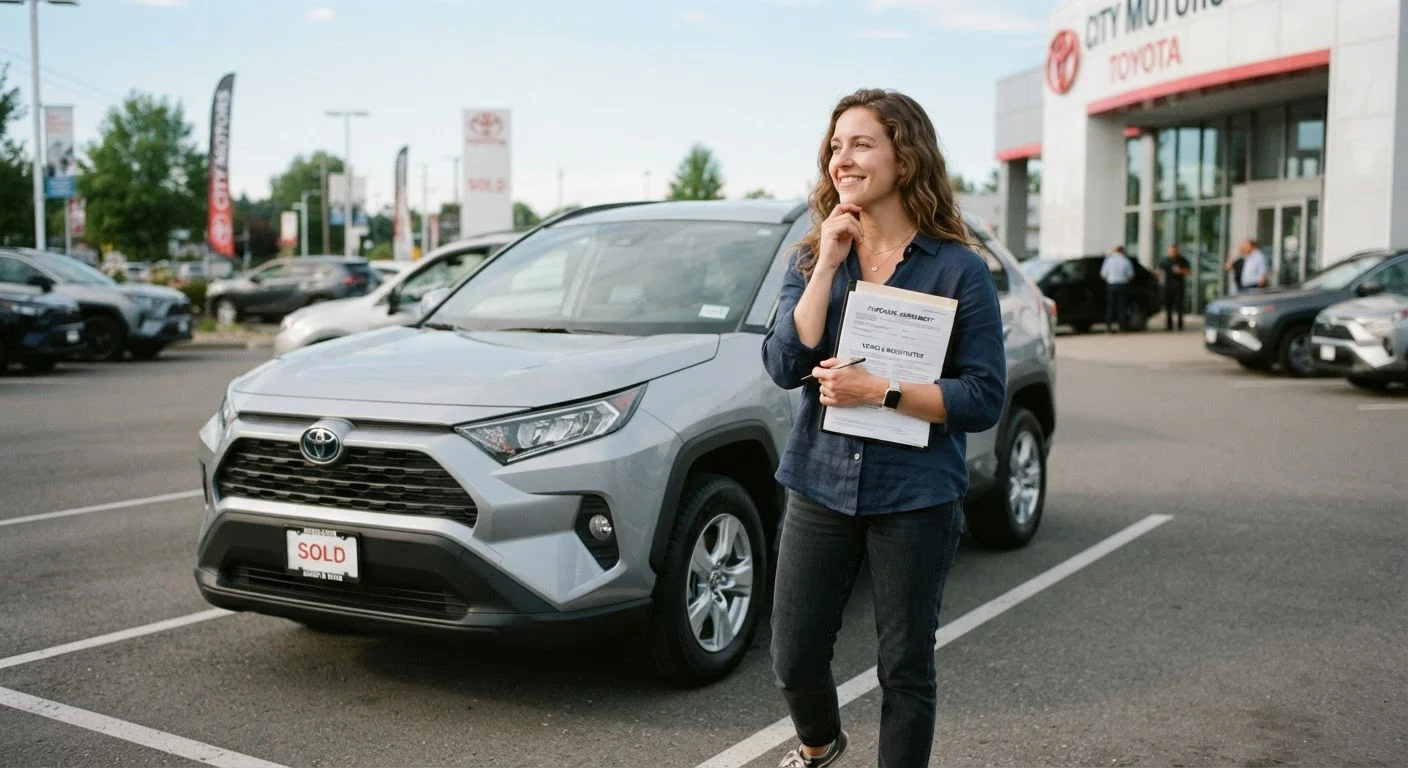
If you financed or leased your vehicle, your lender will specify minimum coverage requirements in your loan or lease agreement - and these are typically stricter than state law. Failing to maintain required coverage can allow the lender to purchase 'force-placed' insurance on your behalf, which is generally more expensive and offers you limited protection.
This article is for general informational purposes only and does not constitute personalized insurance, legal, or financial advice. Coverage requirements, terms, and costs vary by state, provider, and individual circumstances. Consult a licensed insurance agent for guidance specific to your situation.
Budgeting for Insurance as a New Owner
Insurance is a recurring ownership cost, not a one-time purchase. Building it into your monthly budget from the start prevents surprises and keeps you compliant with the law.
Beyond the premium, keep in mind your chosen deductible represents a potential out-of-pocket expense whenever you file a claim. A common approach is to hold deductible funds in a dedicated savings buffer so you're not caught short after an accident.
Auto insurance sits alongside fuel, registration, maintenance, and loan payments as part of the full cost of ownership. If you're also navigating major financial decisions around this time - such as buying a home - the first-time homebuyer's roadmap offers a comparable plain-language breakdown of another major ownership milestone.
Once you're covered and have had your first incident, understanding what comes next is equally important. Our first insurance claim walkthrough takes you through every stage of the process, from the initial call to receiving your settlement.