
What Is an Insurance Claim?
An insurance claim is a formal request you make to your insurance company asking it to pay for a loss covered under your policy. Think of your policy as a contract: you pay premiums, and in exchange, your insurer agrees to cover certain financial losses. Filing a claim is how you activate that agreement.
Claims can arise from many situations - a car accident, water damage at home, a hospital stay, or a stolen belonging. The exact process differs slightly depending on the type of insurance (auto, homeowners, health, renters), but the core stages are the same. If you're new to coverage in general, our beginner's orientation to insurance coverage explains the major policy categories before you dive in.
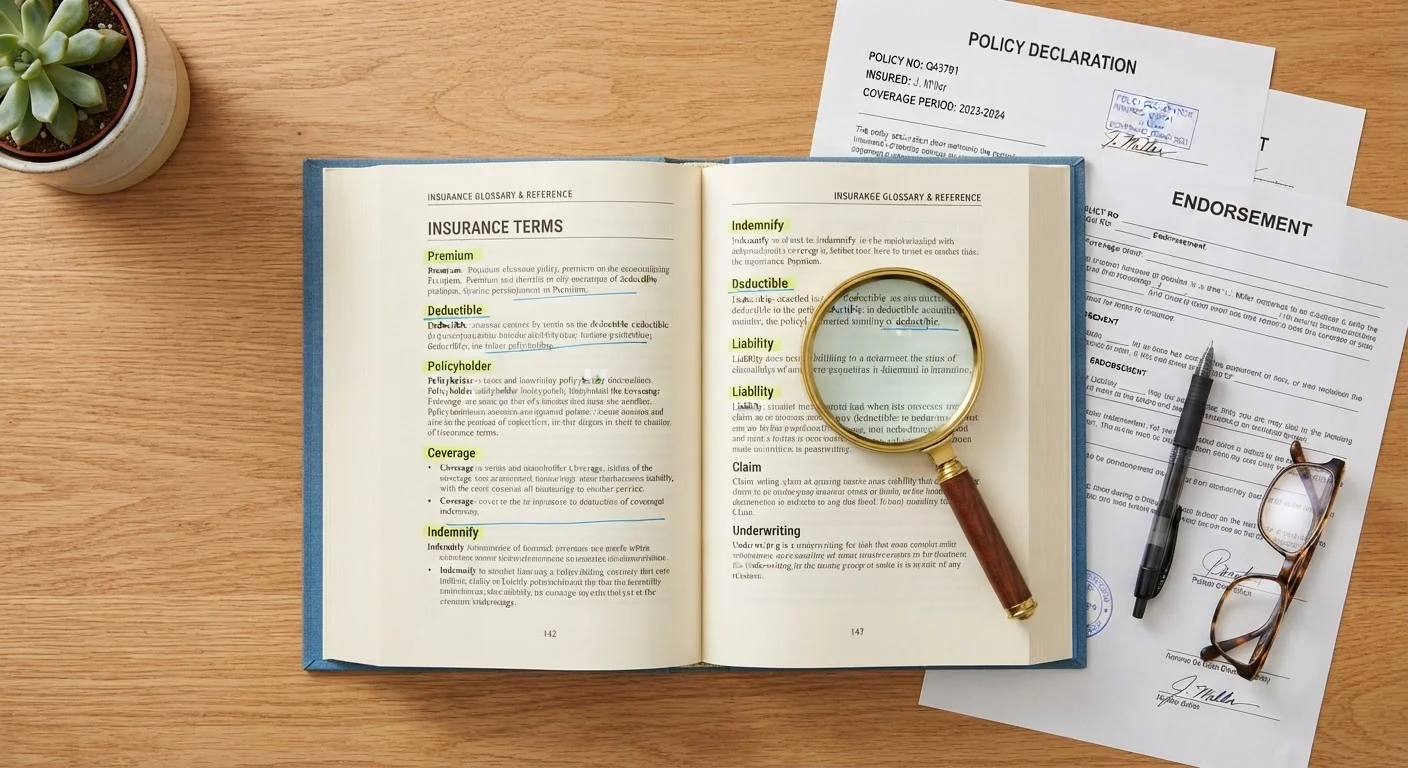
Insurance claim
A formal request you submit to your insurer asking for payment for a covered loss. It activates the financial protection your policy promises.
Deductible
The fixed amount you pay out of your own pocket before your insurer covers the remaining eligible costs of a claim.
Claims adjuster
A person - employed by or contracted by your insurer - who investigates your claim, verifies coverage, and determines the payout amount.
Actual cash value (ACV)
A payout method that accounts for depreciation, paying you what your damaged or lost property was worth at the time of the loss, not what it costs to replace it new.
Replacement cost value (RCV)
A payout method that covers the cost to replace damaged or lost property with a comparable new item, without deducting for depreciation.
Declarations page
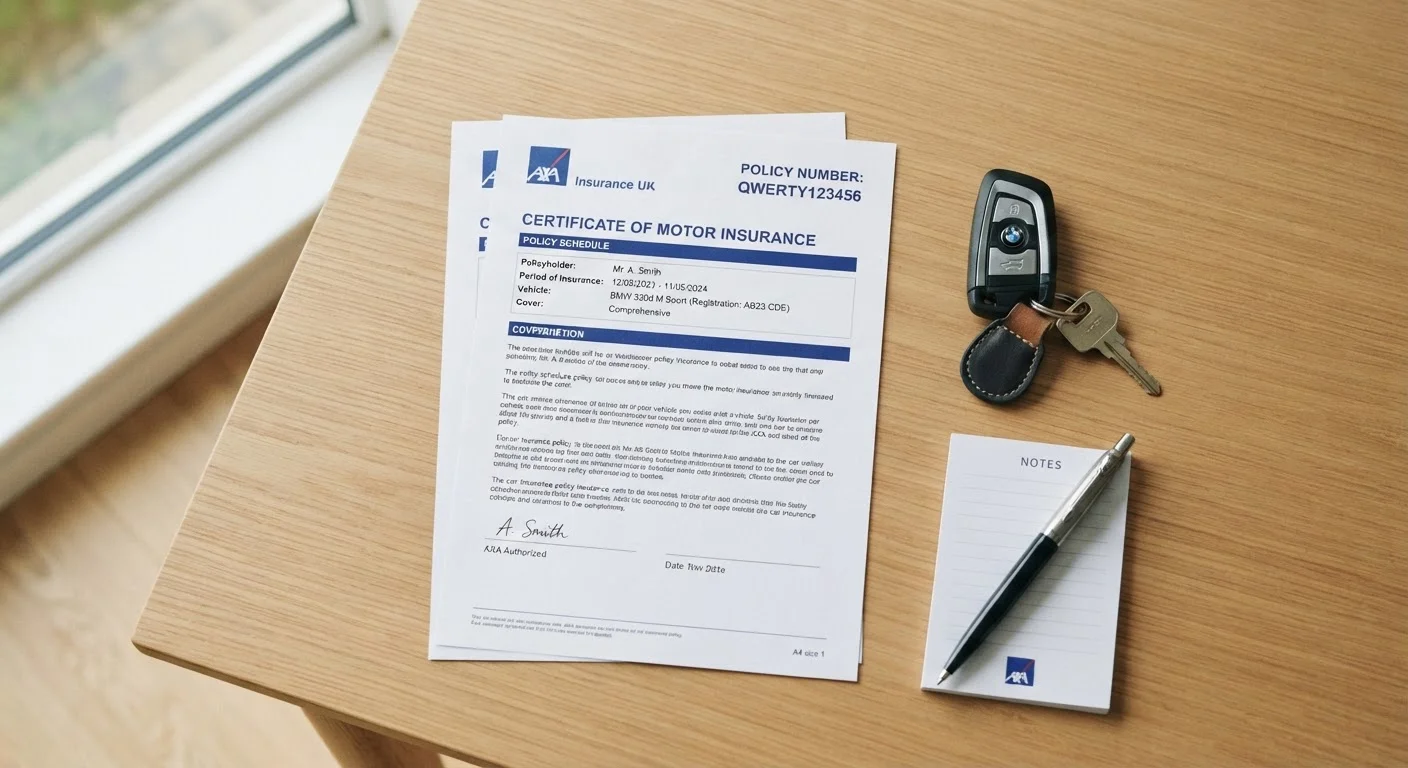
A summary document at the front of your insurance policy that lists key details: your name, coverage types, limits, deductibles, and policy period.
Before You File: Gather Your Documents
The single most effective thing you can do before calling your insurer is to collect documentation. Insurers need evidence of what happened, what was damaged or lost, and what it's worth. Gaps in documentation are one of the most common causes of delays.
Standard items to gather include:
- Your insurance policy number and a copy of your declarations page
- Photos or video of the damage or loss, taken as soon as it's safe to do so
- A written timeline of events - dates, times, and what occurred
- Police reports, fire department reports, or medical records, depending on the type of claim
- Receipts, estimates, or invoices for damaged or stolen property
- Names and contact information of any witnesses or other parties involved
Our documentation checklist walks through exactly what to pull together for different claim types before you make that first call.
Document damage immediately and safely
As soon as it's safe, photograph or video the damage from multiple angles before anything is cleaned up or repaired. Insurers rely heavily on visual evidence, and images taken right after the incident carry more weight than those taken days later. Store copies in a cloud service or email them to yourself so they can't be lost.
How to Submit Your Claim
Most insurers offer several ways to file: online through their website or mobile app, by phone through a claims hotline, or in person at a local agent's office. Choose whichever channel lets you submit your documentation clearly and get a confirmation number - you'll want a record that your claim was received.
When you file, you'll typically provide:
- Your policy number and personal identification
- A description of the incident and when it occurred
- The documentation you gathered in advance
- Your preferred contact information and payment method for any reimbursement
Write down the claim number assigned to your case and the name of every representative you speak with. Keep these notes - they matter if questions arise later.
Keep a Claims Log from Day One
Create a simple running log - a notebook or a phone note - tracking every interaction with your insurer: dates, names of representatives, what was discussed, and any reference numbers given. This record can be invaluable if there are disputes or delays later in the process. Insurers handle many claims simultaneously, and a clear paper trail protects you.
What Happens After You File
Once your claim is submitted, the insurer will assign a claims adjuster to review it. The adjuster's job is to investigate the loss, verify that it's covered under your policy, and determine the appropriate payout amount. Depending on the claim type, the adjuster may contact you for additional documentation, schedule an inspection of property damage, or review medical records and bills.
Response timelines vary. Many states require insurers to acknowledge a claim within a set number of days - often 10 to 15 - and to make a coverage decision within a specified window. Check your state's insurance department website for the rules that apply where you live.
For a detailed look at each stage after submission, see what happens after you file an insurance claim.
Understanding Your Settlement and Out-of-Pocket Costs
If your claim is approved, you'll receive a settlement offer - the amount your insurer proposes to pay. Before that check arrives, your deductible is subtracted. If your covered loss totals $8,000 and your deductible is $1,500, the insurer pays $6,500.
For property claims, payout methods matter too. Some policies pay actual cash value (ACV), which factors in depreciation - meaning older items are worth less than they cost to replace. Others pay replacement cost value (RCV), which covers what it actually costs to buy a comparable new item today. Your declarations page will specify which applies to your coverage.
Review the settlement offer carefully against your own documentation. If figures don't align with your receipts or repair estimates, gather written evidence and raise the discrepancy with your adjuster before accepting.
Don't Accept a Settlement Without Reviewing It
Once you accept and sign a settlement offer, it is generally difficult or impossible to reopen the claim for additional compensation. Take time to compare the offer against your own documentation - repair estimates, receipts, and your policy's stated coverage limits - before you sign anything. If something seems off, ask questions first.
If Your Claim Is Denied or Underpaid
A denial or a lower-than-expected offer isn't necessarily final. You have the right to request a written explanation of any denial, and most policies include an appraisal clause that allows both sides to bring in independent appraisers to settle disputes over value.
Steps you can take:
- Request the denial in writing if you haven't received one
- Review the specific policy language the insurer cites as the reason
- Submit additional documentation that addresses the stated reason for denial
- Contact your state's department of insurance to file a complaint if you believe the insurer acted improperly
If the claim is large or complex, you may also consider whether professional help makes sense. Our article on filing a claim yourself vs. going through a public adjuster covers that decision in plain terms.
This article provides general information about the insurance claims process and is not legal, financial, or insurance advice. Coverage, processes, and regulations vary by policy and state. Always read your actual policy documents and consult a licensed insurance professional for guidance specific to your situation.
State Insurance Department Directory (NAIC)
The National Association of Insurance Commissioners maintains a directory of every state insurance department. Use it to find your state's consumer assistance office, file a complaint, or look up insurer licensing information.
Documentation Checklist for Filing a Claim
A pre-filing checklist that walks through the documents and evidence you should gather before contacting your insurer, organized by claim type.