Step One: Reporting the Loss
The process begins the moment you notify your insurer of a loss. Most companies let you file by phone, mobile app, or online portal. You'll provide basic details: what happened, when and where, and what was damaged or lost.
Do this promptly. Most policies include a "timely reporting" requirement, and waiting too long can give the insurer grounds to complicate your claim. Before you call, gather what you can - photos, a police report if applicable, receipts, or any other documentation that supports your account. If you're not sure where to start, our step-by-step walkthrough for first-time filers covers the preparation process in detail.
Document Everything Before You Call
Take photos or video of the damage before making any temporary repairs. Preserve damaged items when possible - throwing them away before an adjuster reviews them can complicate your claim. A thorough paper trail of the loss, repair estimates, and communications with your insurer is one of the best tools you have throughout the process.
Step Two: Adjuster Assignment and Investigation
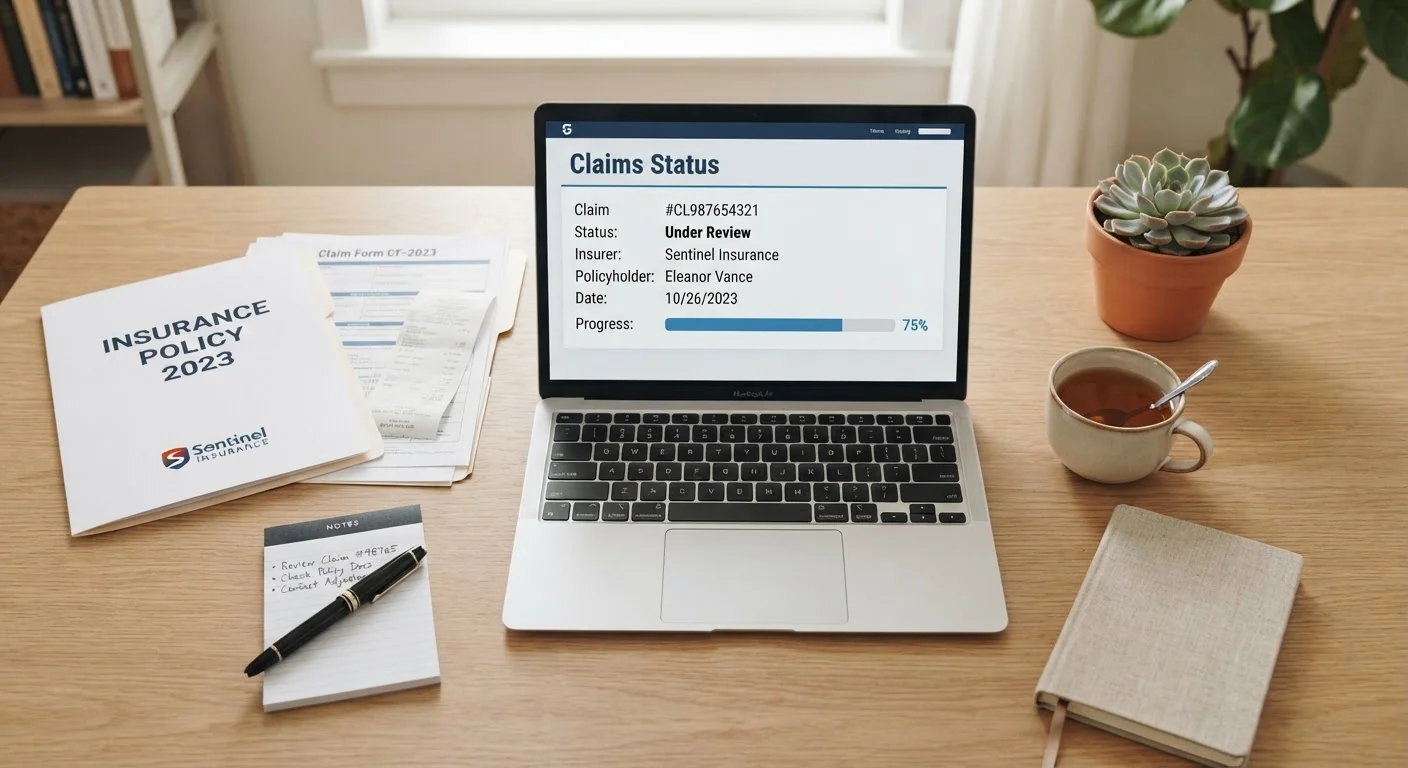
Once your claim is filed, your insurer assigns a claims adjuster. Their job is to investigate the loss, verify that your policy covers it, and determine the dollar value of what's owed. Depending on the claim, this may involve an in-person inspection, a virtual review using your photos and videos, or a review of third-party records such as medical bills or repair estimates.
The adjuster works for your insurer - their goal is an accurate assessment, not necessarily the highest payout. You're allowed to provide your own estimates and evidence to support your position. For major or disputed claims, some policyholders choose to involve a public adjuster. Weigh the tradeoffs of handling it yourself versus hiring a public adjuster before making that call.
~40 days
Average time to settle a homeowners claim
Industry estimates suggest most standard homeowners claims resolve within 30 to 60 days, though complex losses can take significantly longer.
1 in 20
Homeowners who file a claim each year
According to the Insurance Information Institute, roughly 5-6% of insured homeowners file a claim in any given year.
Step Three: Coverage Decision and Settlement Offer
After the investigation, the insurer issues a coverage decision. If the loss is covered, you'll receive a settlement offer stating how much the company will pay. Your deductible - the amount you agreed to pay out of pocket - is subtracted from this figure before any check is issued.
Review the offer carefully. If it doesn't align with your documented losses or contractor estimates, you can negotiate. Ask the adjuster to walk through how the number was calculated. Submit any additional documentation that supports a higher figure. If negotiations stall, your policy may include an appraisal clause - a formal dispute process where both sides hire independent appraisers.
State Laws Set Minimum Response Timelines
Every state has insurance regulations that require carriers to acknowledge claims, begin investigations, and issue decisions within defined timeframes. If you feel your insurer is dragging its feet, you can file a complaint with your state's department of insurance. These timelines vary, so it's worth looking up your state's specific rules.
If your claim is denied outright, the insurer must provide the reason in writing. That denial can be appealed. Understand how the appeals process works and when to escalate.
Step Four: Payment and What Comes After
Once you accept a settlement, payment is issued - by check, direct deposit, or sometimes directly to a repair vendor or contractor. For property claims, some insurers pay in two stages: an initial payment based on actual cash value (depreciated worth), followed by a second payment once repairs are completed, covering the difference up to replacement cost value.
After the claim closes, keep an eye on your policy renewal. Filing a claim can influence your future premiums, depending on your insurer's policies and the nature of the loss. It's also worth knowing that if a third party caused your loss, your insurer may pursue what's called subrogation - recovering costs from the at-fault party on your behalf. Learn how subrogation works and what it means for you.
This article is for general informational purposes only and does not constitute insurance, legal, or financial advice. Coverage terms, timelines, and processes vary by insurer, policy, and state. Always consult your policy documents and a licensed insurance professional for guidance specific to your situation.